





Read More







China's CXMT says new memory-chip platform enters mass production
20-09-2026 15:16 HKT






Law Society proposes allowing solicitors to be appointed Senior Counsel
21-09-2026 01:56 HKT
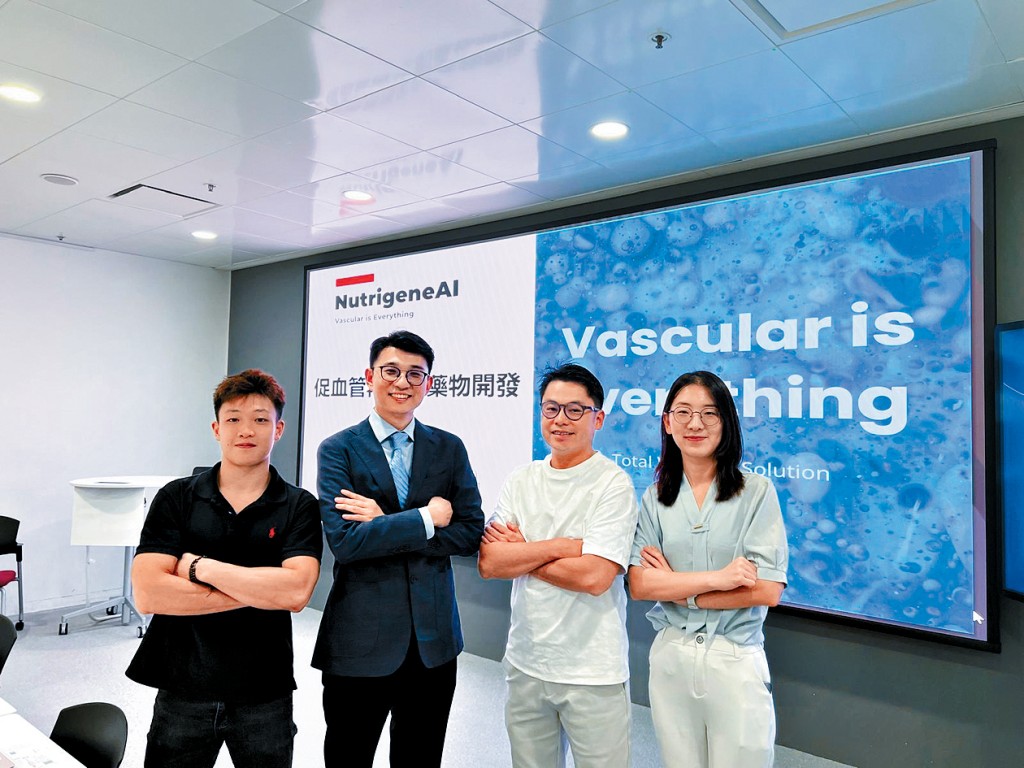
A Chinese University startup is developing an innovative injection-based treatment for peripheral artery disease, particularly targeting diabetes-related foot complications, offering new hope for non-invasive treatment.
NutrigeneAI Biotechnology Company will showcase its groundbreaking "type II cytokine-based biologic drug for vascular repair" at the upcoming CUHK Entrepreneurship Day this month. The treatment addresses peripheral vascular occlusion conditions like diabetic foot by rebuilding microcirculation systems.
The drug represents the world's first biologic medication based on type II cytokines for vascular repair, focusing on rebuilding microcirculation in extremities affected by conditions including diabetic foot and chronic ischemia through endothelial cell activation.
NutrigeneAI founder and CUHK School of Life Sciences associate professor Jack Wong Wing-tak pointed out that current treatments mainly alleviate symptoms without addressing underlying vascular function. The new technology activates endothelial cells to promote angiogenesis and microcirculation reconstruction, providing a non-invasive treatment alternative with regenerative potential that could prevent amputation due to tissue necrosis.
The team aims to transform this research into a new generation of biologic drugs for vascular reconstruction, accelerating tissue repair and improving foot blood flow in diabetic patients with peripheral ischemia.
NutrigeneAI co-founder and financial officer Gary Ng Kwong-kei noted that PAD and related vascular issues create significant financial burdens for governments, estimating approximately 100,000 patients in Hong Kong alone requiring long-term medication management.
Wong revealed the team has obtained US and international patents (PCT) and completed mechanistic animal experiments. Over the next three years, they will collaborate with CDMO partners to complete IND-required tests and materials, including large animal model efficacy and toxicity tests.
Another exhibitor, Illuminatio Medical Technology, is developing AI medical imaging technology including spin-lock based macromolecular proton fraction (MPF) quantification that can detect early liver fibrosis without contrast agents or invasive procedures. The company's chief operations officer Danny Chen said the breakthrough technology can be applied to various aging-related diseases and tissue fibrosis conditions.