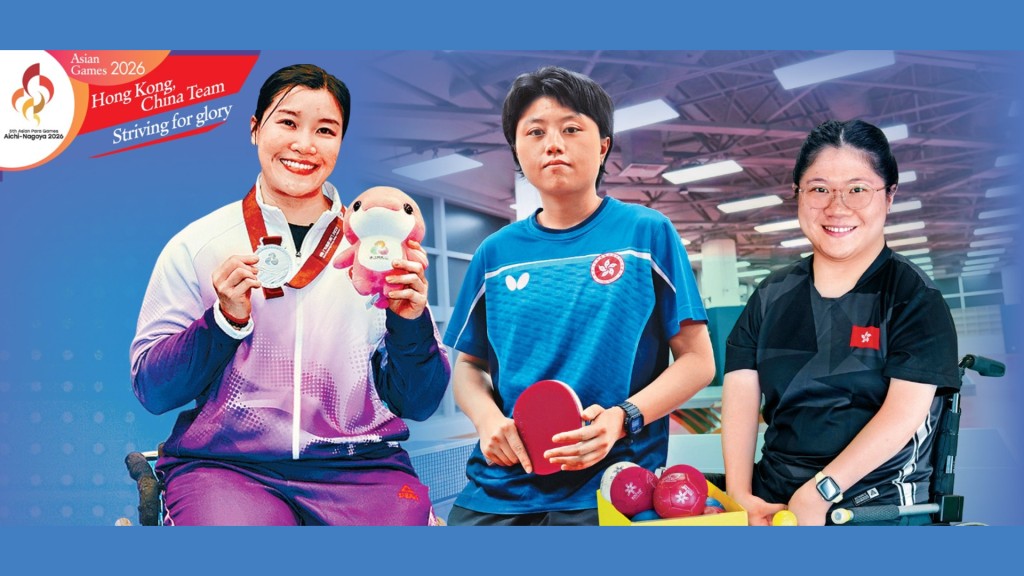
Boosted by increased government funding and professionalization, Hong Kong’s para-athletes continue to excel internationally. With financial stability allowing full-time training, top competitors like boccia world No 1 Cheung Yuen and table tennis star Wong Ting-ting are in peak form, aiming for glory at the Asian Para Games.
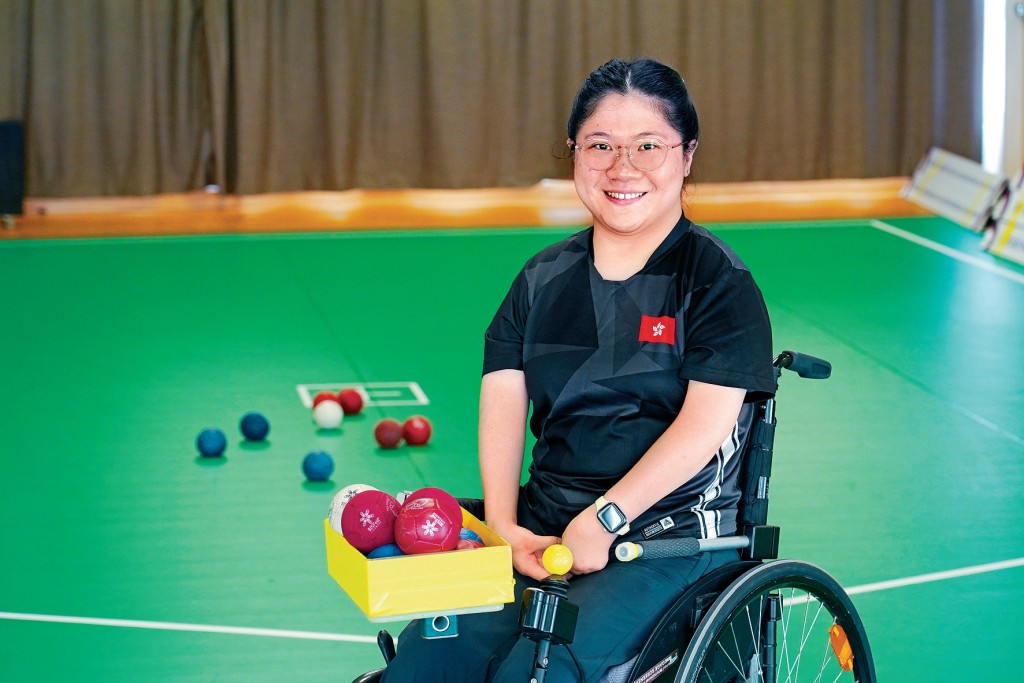
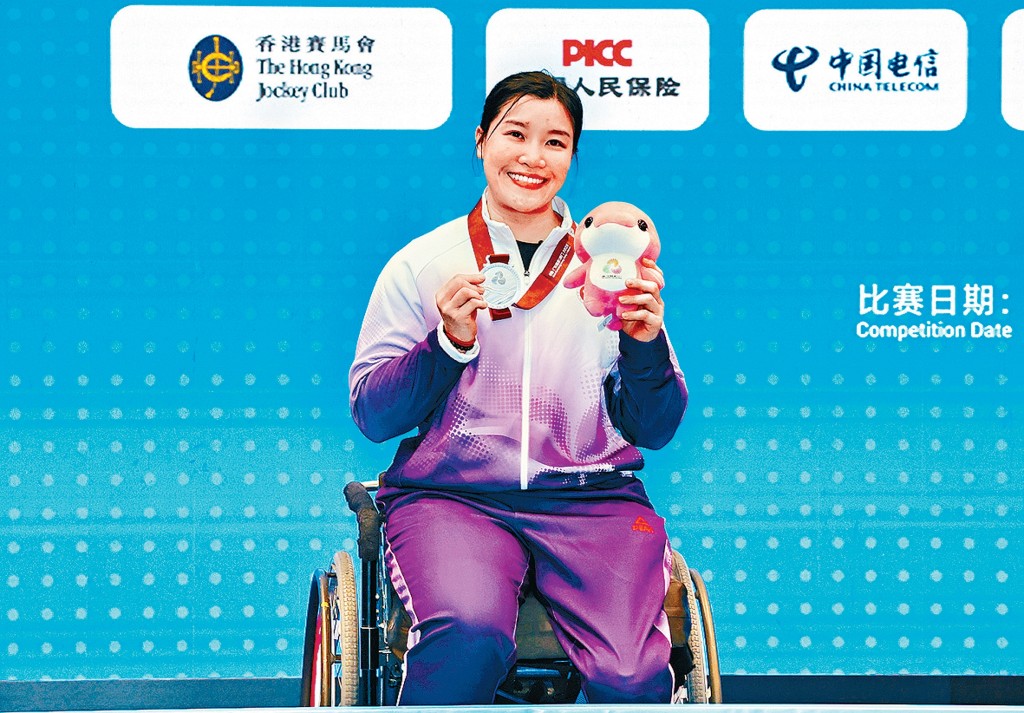
At 27 years old, Cheung has become an indispensable pillar of the Hong Kong boccia team. She captured silver medals in the BC4 individual and mixed pairs events at the Paris Paralympics, and last year achieved the world No 1 ranking in both women’s individual and pairs for the first time.
Cheung Yuen
Regarding her world No 1 titles, she maintains a clear perspective, “I don't obsess over rankings; I care more about whether I make progress in every competition.”
She mentioned that stable financial support and major competition prize money allow her to fully dedicate herself to training without worries, giving her an even greater drive to achieve top results.
She frequently consults physical therapists at the Hong Kong Sports Institute (HKSI) to help relax her muscles, and routinely meets with sports psychologists to relieve stress. She specifically noted that during one overseas tournament when the psychologist could not travel with the team, they still checked in on her emotional state and match progress via messaging apps. Such meticulous support has given her a stronger sense of stability and composure.
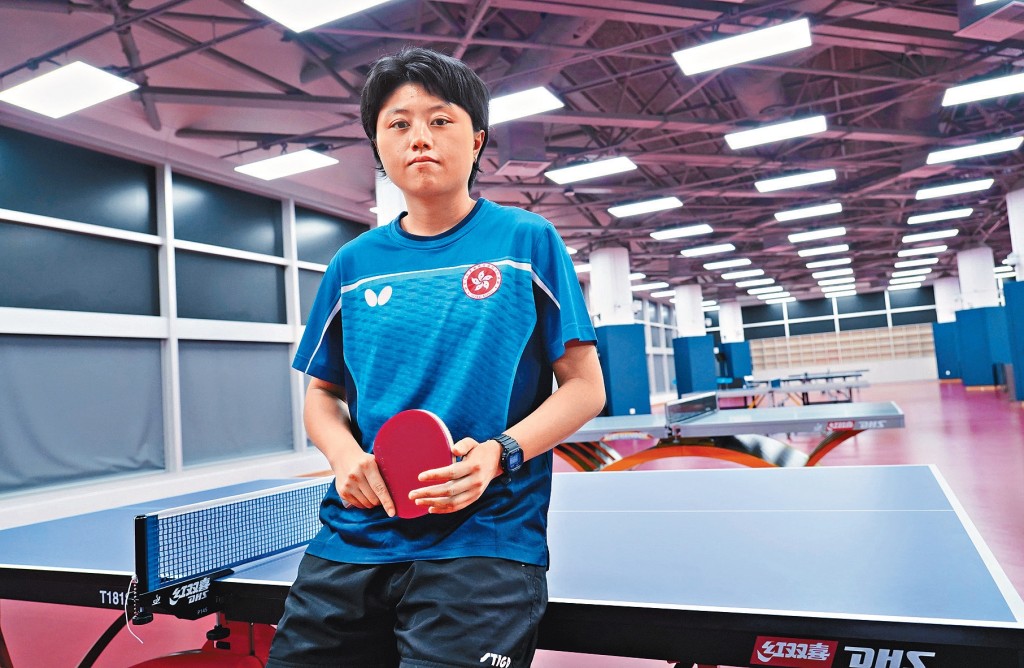
Wong Ting-ting
As for the elite 23-year-old table tennis player Wong Ting-ting, she made a stunning debut at the Paralympic Games five years ago, clinching a bronze medal in the women’s singles TT11 event. She went on to win gold in women’s doubles and silver in women’s singles at the Hangzhou Asian Para Games. Last year, she captured silver in women’s singles and bronze in mixed doubles at the ITTF Asian Para Table Tennis Championships, followed by three bronze medals in women’s singles, women’s doubles, and mixed doubles at the 12th National Games for Persons with Disabilities held in Hong Kong.
Having competed in numerous major tournaments, Wong feels she has grown significantly in both technique and mindset, “My overall fundamentals are more solid, my mindset is more composed, and my focus is no longer erratic.”
Wong is actively preparing for the upcoming Asian Games. She is deeply grateful for the opportunity to represent Hong Kong, China.
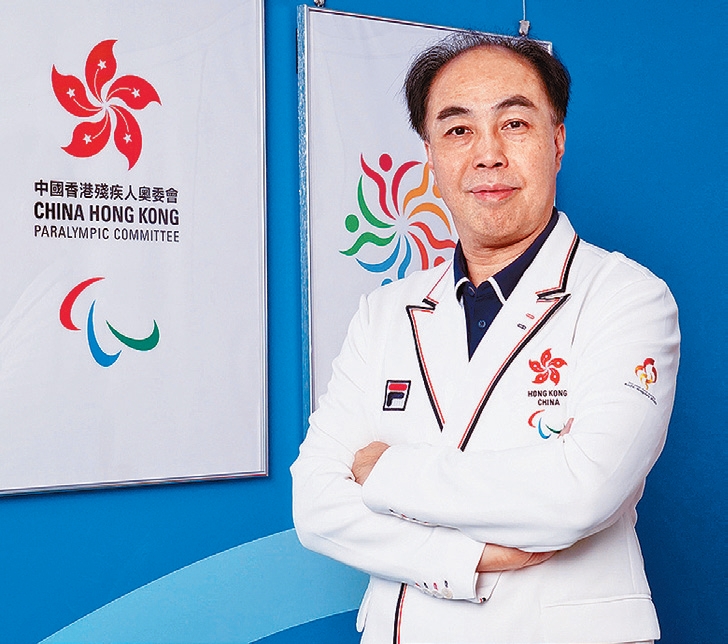
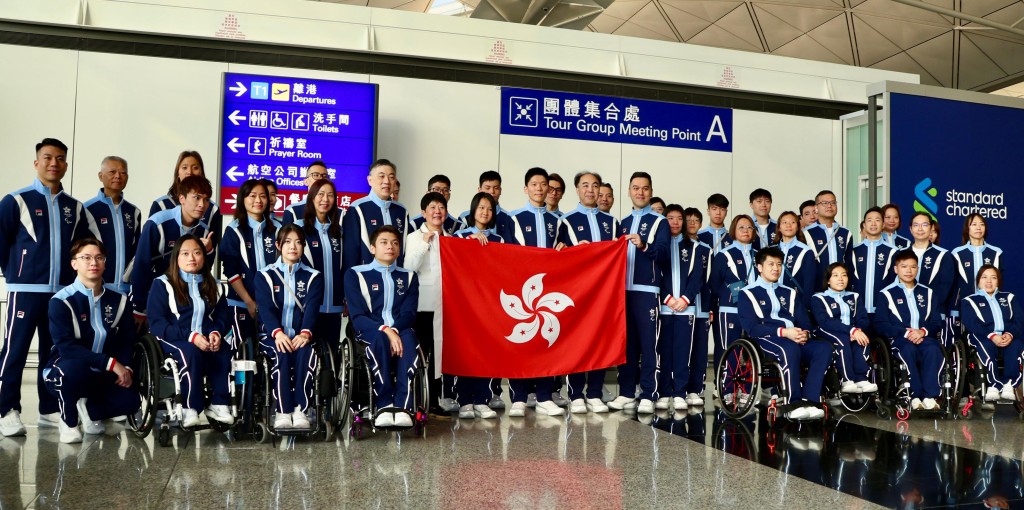
Jim Luk Tze-chung, Vice President of the China Hong Kong Paralympic Committee and Chef de Mission of the Hong Kong, China Delegation for the 2026 Asian Para Games
With Hong Kong’s para-athletes achieving stellar results in international competitions, Jim Luk Tze-chung, Vice President of the China Hong Kong Paralympic Committee and Chef de Mission of the Hong Kong, China Delegation for the 2026 Asian Para Games, stated that the government has steadily increased funding for elite disability sports. The support enabled athletes to pursue professional and full-time careers, significantly enhancing the team’s competitiveness.
Luk pointed out that many para-athletes had to juggle jobs with training in the past, leaving only evenings or weekends for practice.
He said that since April 2025, direct financial grants for all elite athletes (including para-athletes) were increased by 8.3 percent. A "Senior Squad" category was also introduced under the Elite Training Grant for Athletes with Disabilities (monthly grants of HK$8,000 for full-time and HK$2,840 for part-time athletes).
Combined with resources for the HKSI’s current six Tier A and four Tier B sports, top full-time athletes receive up to approximately HK$40,000 per month. Beyond financial security, para-athletes also have accessibility and medical needs. Luk noted that the delegation includes a dedicated medical team comprising team doctors, physical therapists, and sports psychologists.
The HKSI also provides specialized rehabilitation and therapeutic equipment to support athletes’ physical and mental well-being.
Luk called on the public to follow the Asian Para Games closely and cheer for the local team, hoping that the Games will raise public awareness of disability sports and foster a more inclusive, harmonious community that respects diversity.
Tailored gear, multi-weapon training propel fencing team into new era
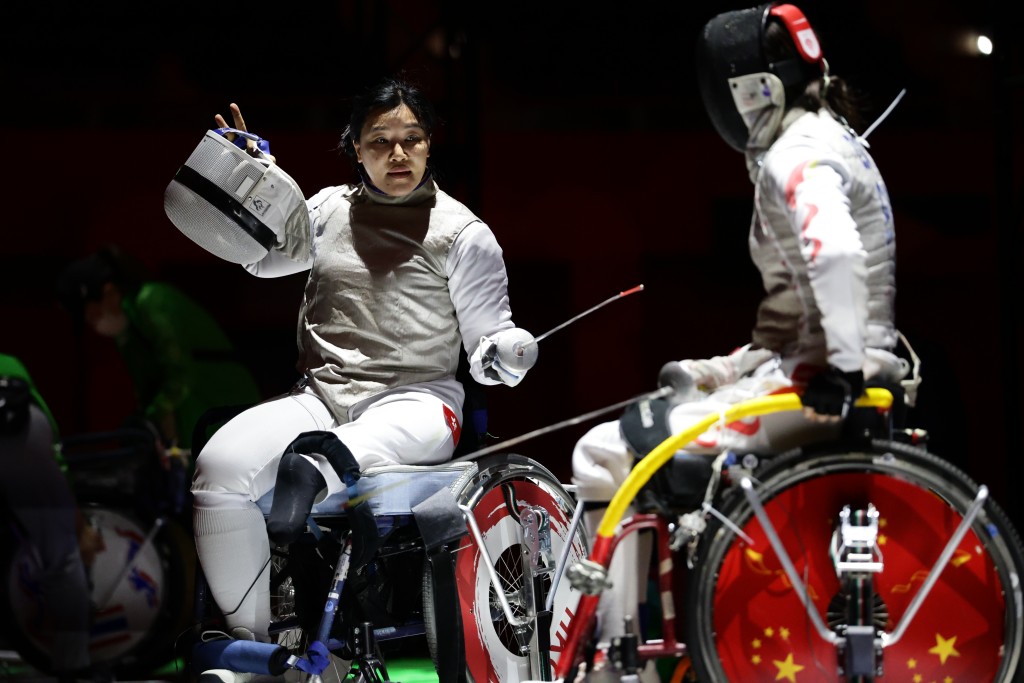
Wheelchair fencing stands as one of Hong Kong’s signature sports. Ever since athlete Benny Cheung Wai-leung captured a historic four gold medals at the 1996 Atlanta Paralympics, the local team has consistently delivered impressive results in international competitions over the years.
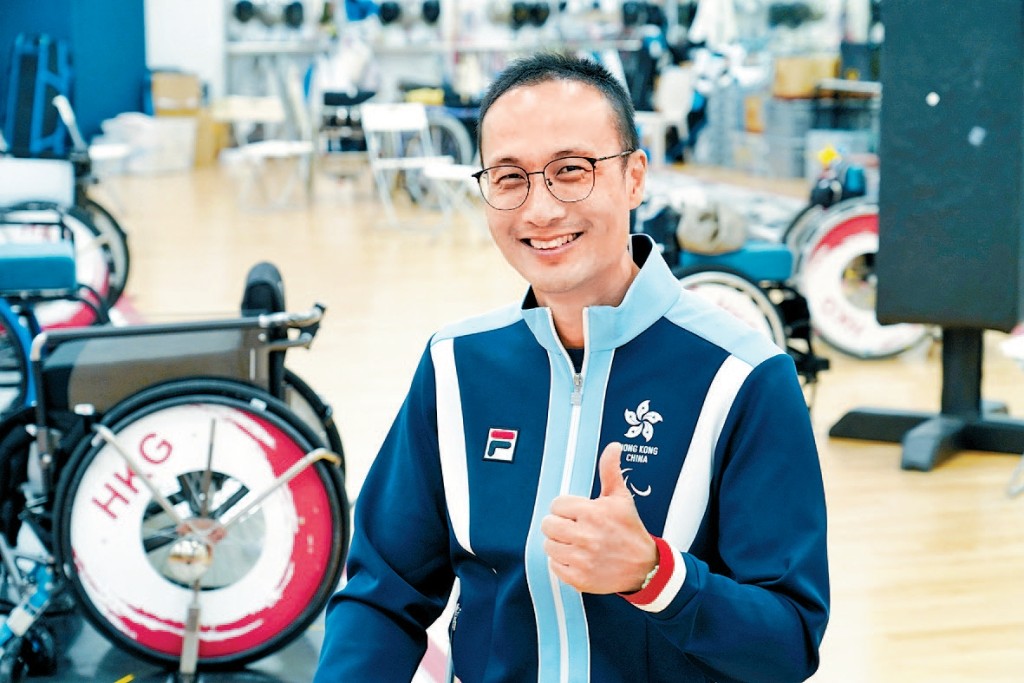
Wong Kam-kau, head coach of the Hong Kong, China wheelchair fencing team, stated that with the support of elite funding and systematic logistical backing in recent years, the team is advancing its professionalization and squad transition, aiming to reach new heights.
Wong Kam-kau, head coach of the Hong Kong, China wheelchair fencing team
Since the government implemented the elite funding scheme for disability sports in 2019, the squad has been rated as a Tier A sport. This designation provides steady resources, enabling systematic preparation and the organization of overseas training camps.
In addition, HKSI offers comprehensive logistical support—including medical care and psychological counseling—which helps reduce injuries and relieve psychological pressure.
Analyzing the squad's competitive strength, he pointed out that the team's primary focus currently rests on the women's squad: "In Category A, we have the well-known Alison Yu Chui-yee, while in Category B, Tong Nga-ting consistently ranks in the top two globally in the foil event. We also have rising Category A athlete Lam Ka-man, who will have greater opportunities to challenge for top honors in the future."
Alison Yu Chui-yee
Wong added that the men's team has also shown solid development in recent years, with individual fencers achieving strong results in World Cup events.
Most of the squad's newcomers are male athletes, and he believes further breakthroughs lie ahead. He acknowledged that the generational handover takes time: "Training an exceptional athlete is measured in years, and having senior athletes step up to lead the team right now is a positive asset."
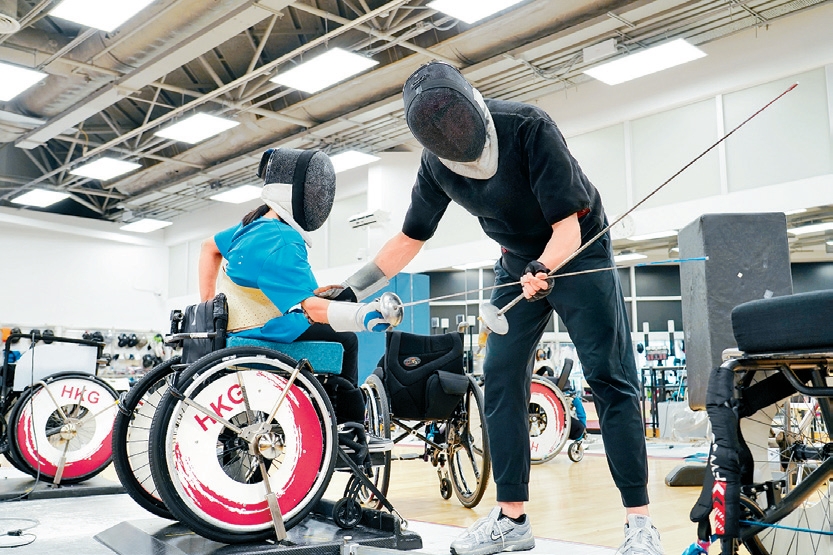
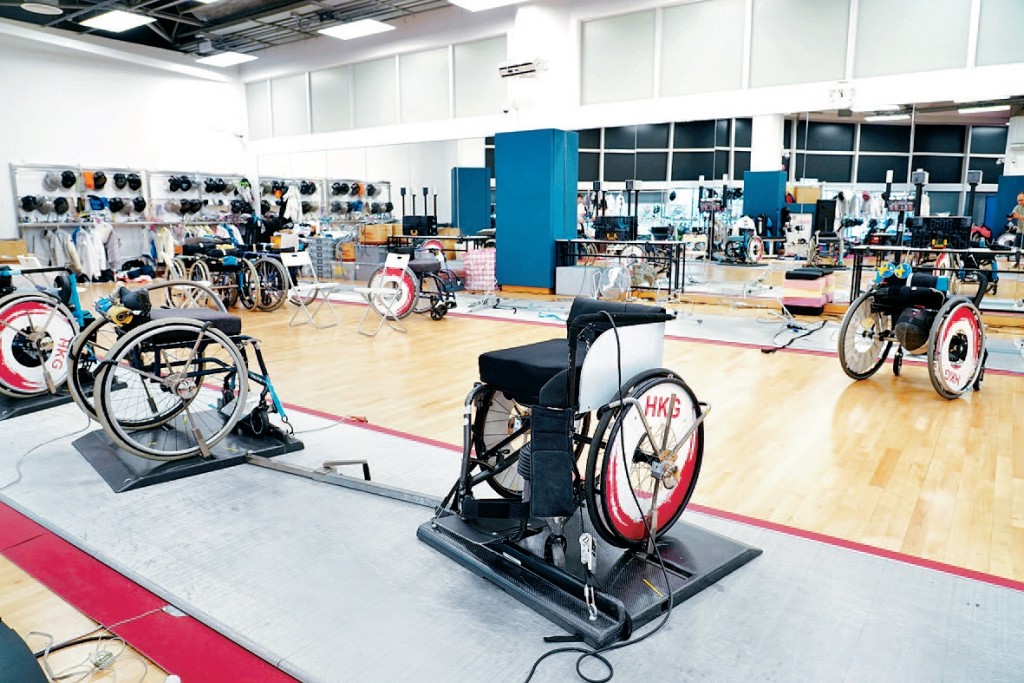
Wheelchair fencing places exceptionally high demands on customized equipment. Wong mentioned that the coaching team collaborates with universities and specialists to tailor equipment according to each athlete’s specific disability. “For example, adjusting the footrest height on wheelchairs for amputee athletes, or installing auxiliary straps and handrails for fencers with cerebral palsy so they can exert force safely.”
The wheelchair fencing team designs customized equipment tailored to the athlete's specific level of disability.
Many fencers compete across multiple weapons. Wong explained that the coaching staff addresses this challenge through alternating training schedules. “Athletes possess professional adaptability, and in our training, we rotate weapons on alternating days—such as épée on Monday and foil on Tuesday—to help them develop muscle and cognitive memory.”
Looking ahead to the Asian Para Games, he admitted that the competition across Asia is formidable. The national team ranks among the world’s elite, while squads from Thailand, South Korea, and Japan have emerged rapidly in recent years. “We will head to the mainland for joint training and exchanges, hoping to gain valuable experience so our athletes are thoroughly prepared,” he concluded.