Cities across Europe, both big and small, are seeking smart solutions to adapt to waves of extreme heat.
The ancient Greeks championed a range of innovations to cool their houses during summer: planting trees and designing buildings to limit which spaces felt the full blast of sun's rays. Thousands of years later, people are drawing upon the same kind of ideas.
For example, London mayor Sadiq Khan has launched a 3.1 million (HK$28.73 million) mass tree-planting package in response to the effects of climate change.
But this is only the beginning. Modern technology and Innovation, from solar reflective roofs to geothermal air-conditioning, can play a pivotal role and tackle the problems of heat stress.
According to the 2014 Business Observatory Report by the European Commission, Smart Living is a trend encompassing advancements that give people the opportunity to benefit from new ways. It involves solutions aimed at making life more efficient, economical, and sustainable.
I now want to look at two local start-ups, Klook and Rice Robotics, which have found ways to increase the standard of living, whilst also reducing carbon footprints.
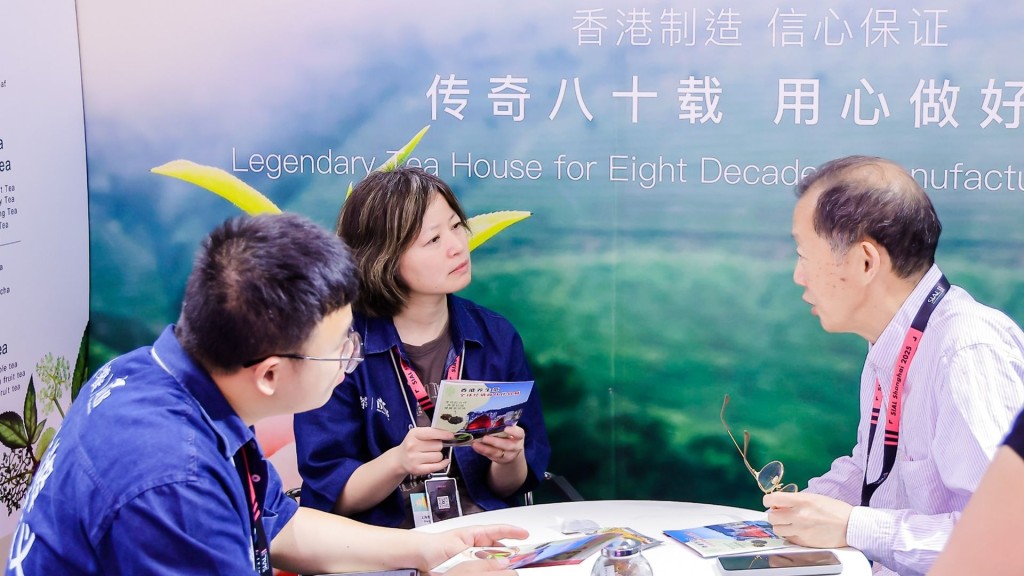
Klook is a unicorn start-up founded in 2014 and funded by Cyberport Investors Network member OurCrowd in 2018.
It is a travel and leisure e-commerce platform with flexibility through technology such as multiple payment methods on its website and award-winning app. It has a staff force of 1,500 here, in Singapore and most of its tech team in the mainland.
Klook brings over 100,000 offerings in more than 400 destinations in 14 languages and supports 41 currencies with over 30 offices to worldwide travel lovers each day.
Unlike traditional tour agencies with fixed travel packages, Klook aims to rediscover the joy of travel in a new and sustainable way by enabling travelers to customize their itineraries and choose their experiences.
Sustainable tourism refers to those types of travel where the environmental, social and economic impact of tourism is factored in to minimize consequences. It considers the needs of travelers, but also the needs of host communities, local businesses and the natural world, resulting in a mutually beneficial "give and take" relationship.
Because the pandemic has shifted consumer priorities toward more meaningful and experience-based services that do not harm the environment, this could mean cycling in the Lehigh Valley in Pennsylvania, staying in Mdumbi, and eating local fish at Jalan Lekar.
In the long run, Klook believes sustainable tourism can be related to leisure, business or event travel, but also travel to visit friends and family too.
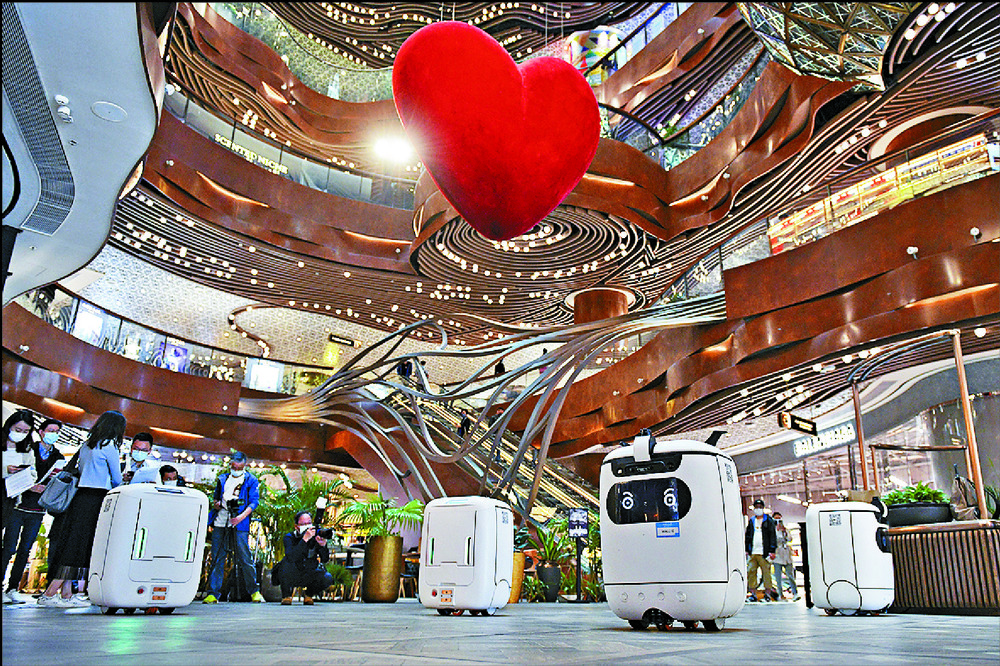
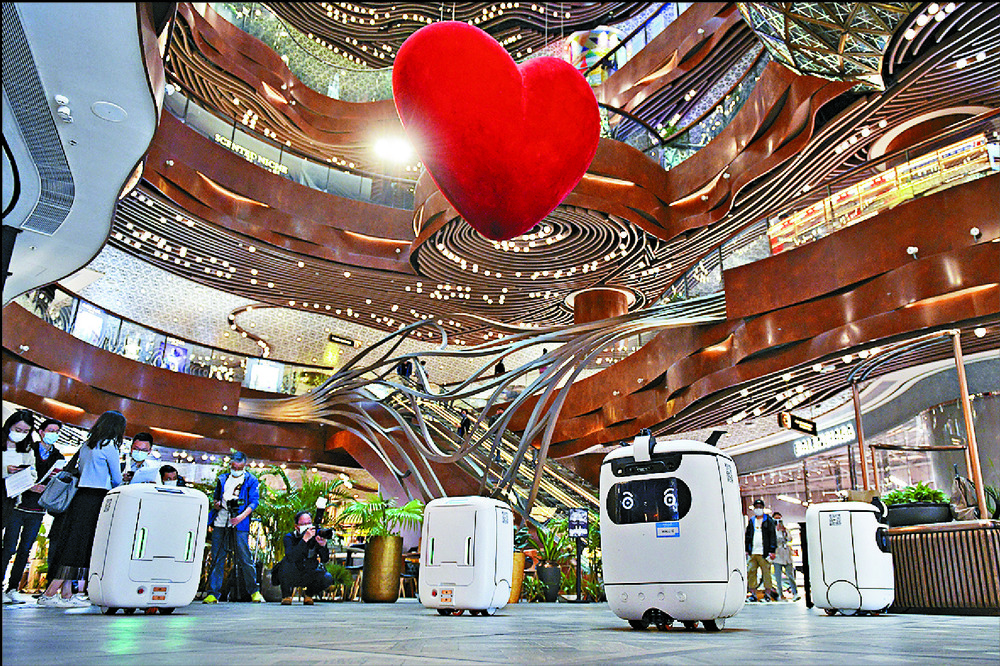
Rice Robotics is another start-up pioneering autonomous indoor service robots, including delivery and disinfection robots founded in 2018.
The edge that this start-up provides is that its delivery robots are able to operate elevators and navigate around obstacles.
Its service robots can work alongside people in diverse and dynamic environments such as hotels, hospitals, and high rise residential and commercial areas.
Robots can aid in the energy-saving process because they do not require as much energy to operate as humans do.
For example, humans need an environment with sufficient lighting and heat, whereas robots can work in a cold and dark environment and that drastically reduces the amount of energy used in business operations.
Rice Robotics was anchored by Cyberport Macro Fund in fund-raising in 2021 alongside other backers, including Alibaba Entrepreneurs Fund and property giant New World Development.
Smart Living can surely save time and money, and reduce climate impact in the form of heat waves and cold spells.
Dr Jolly Wong is a policy fellow at the Centre for Science and Policy, University of Cambridge
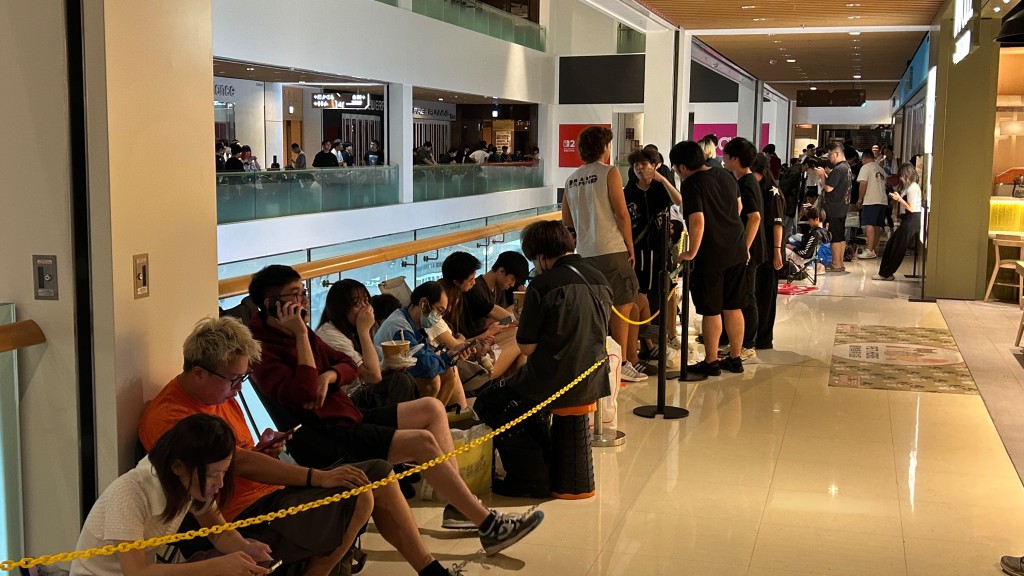
Klook cofounders Ethan Lin, far left, and Eric Gnock Fah's contributions receive recognition in 2018. Rice Robotics' machines deliver at a shopping mall in Hong Kong last year.