Read More
The privacy watchdog should intervene actively to help victims of online sexual photo and video abuses, concern group RainLily said.
ADVERTISEMENT
SCROLL TO CONTINUE WITH CONTENT
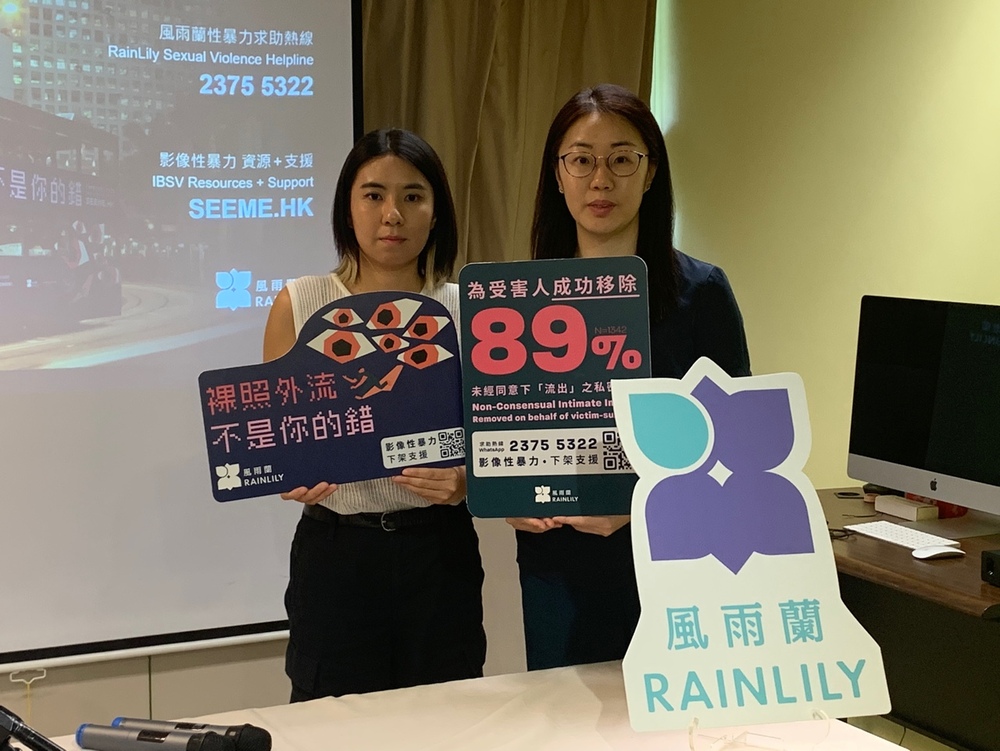
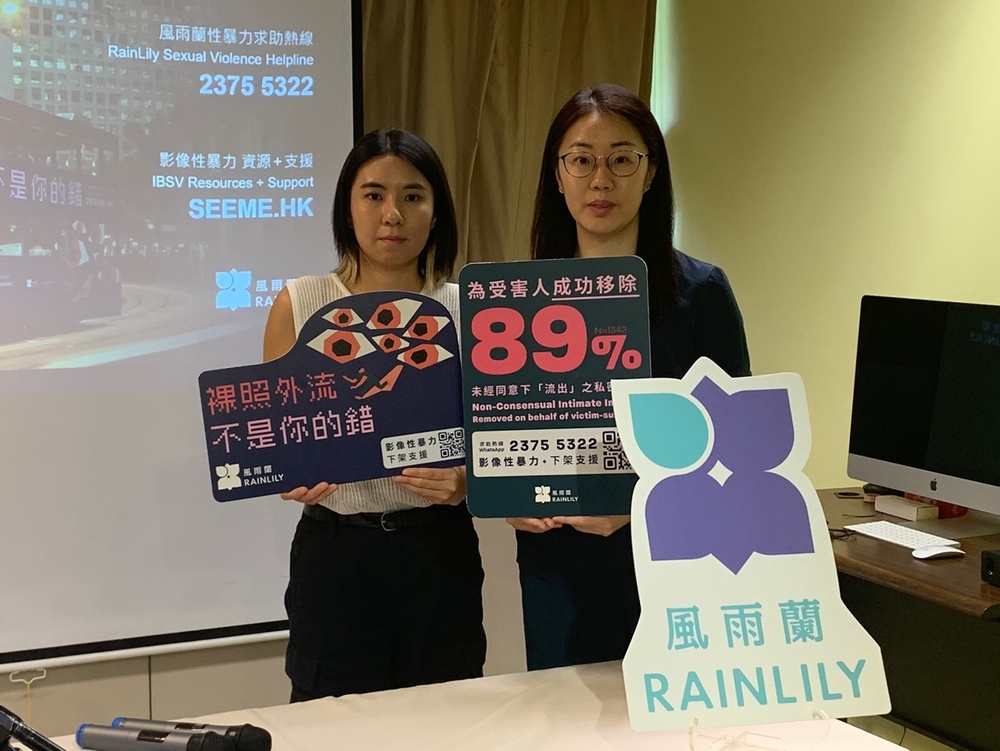
The call came as the group, a unit of the Association Concerning Sexual Violence Against Women, said it had helped remove almost 90 percent of non-consensual intimate images on the internet for victims.
It had handled 646 requests for assistance related to image-based sexual violence from April 2021 to March this year.
Such violence refers to the taking of intimate images, with or without consent, threatening, intimidating, blackmailing someone with the distribution of such images, creation and distribution of "deepfake" images and sending someone's images without consent or "cyberflashing."
RainLily provided "take-down assistance" support over 1,342 non-consensual intimate images published on platforms such as porn websites, Telegram and LIHKG, removing 89 percent of them.
Of the 171 cases handled, most victims, 71.3 percent,were women and one fifth men.
Of the cases, about half of perpetrators were known to victims, and they included intimate partners and online acquaintances.
Of the 1,342 images shared online, 42 percent were found on porn websites and a quarter on social media platforms, and these proved hardest to take down.
"It is hard to prevent an image from being shared repeatedly, but at least there is some action I can take. It makes me feel better, lessens my stress. One less person watching means one less person, one less website around," said Jenny, a victim.
Executive director Doris Chong Tsz-wai said despite specific image-based acts being outlawed in 2021, victims are still hesitant to report such incidents.
Many had considered seeking assistance from the Office of the Privacy Commissioner for Personal Data. However, according to current rules, just distributing intimate images without involving other kinds of personal data is not a breach.
RainLily called on the privacy commissioner to review the situation, and urged social media platforms and the internet industry to address the issue.
PCPD said if images can identify a subject, they can be considered as "personal data" under the Personal Data (Privacy) Ordinance and may lead to criminal investigations and/or takedown requests.
Justin Tong
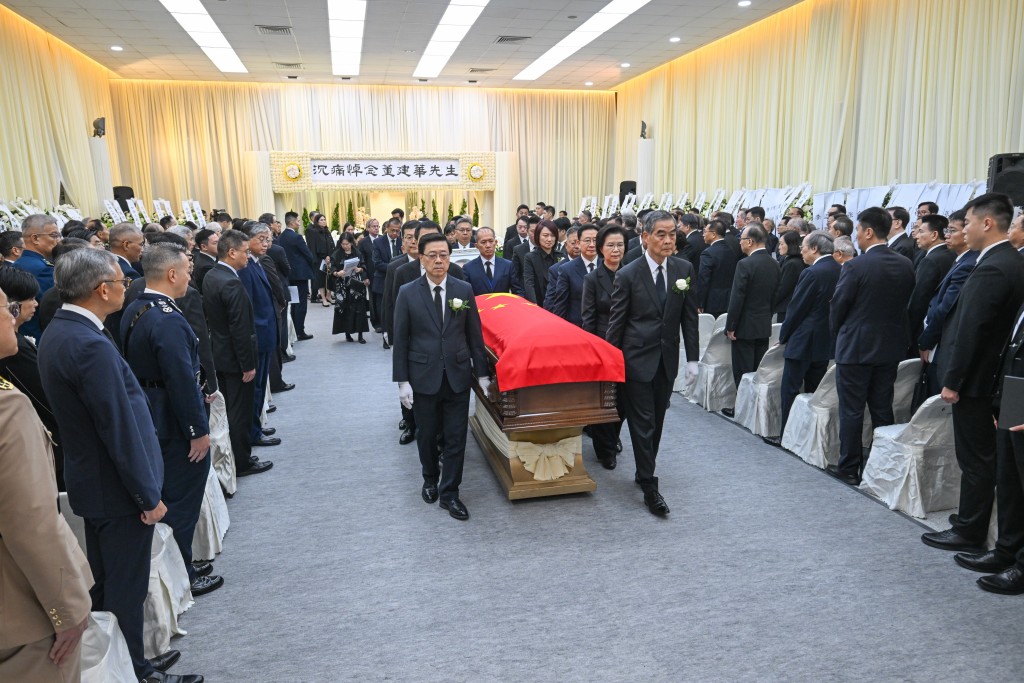
Top officials yesterday paid their last respects to customs officer Lai Chi-hang, 39, who died inside a capsized speedboat during an anti-smuggling operation that also took the lives of two other officers.
The funeral, which was held with full honors at Universal Funeral Parlor in Hung Hom, was the last for the three victims of the tragedy in January, including Wong Cheuk-bond, 26, and Ng Wing-man, 43, whose funerals were held earlier.
Government leaders, including Chief Executive Carrie Lam Cheng Yuet-ngor, Chief Secretary Matthew Cheung Kin-chung, finance chief Paul Chan Mo-po and justice head Teresa Cheng Yeuk-wah attended the funeral.
Lam praised the customs officers for being "fearless and dedicated to serving the public with professionalism," adding she was "profoundly grieved by the unfortunate loss of three customs colleagues."
Also present were senior officials of the disciplinary services, including Customs and Excise Commissioner Hermes Tang Yi-hoi, Police Commissioner Chris Tang Ping-keung and People's Liberation Army representatives.
The Taoist ceremony began at 10.15am, with officials bowing and laying wreaths.
At 11am, Lai's coffin, draped in a SAR flag, was borne out to the hearse by his colleagues. The hearse left the funeral home and took a detour around the Customs Marine Base at Stonecutters Island to allow officers to pay their respects.
Lai was laid to rest in Gallant Garden at 1pm, next to Wong's and Ng's graves, with officers laying white flowers on the coffin.
Doris Wong, right, with Jacey Kan.