Read More
At least two of China's largest state-owned banks are restricting financing for purchases of Russian commodities, underscoring the limits of Beijing's pledge to maintain economic ties with one of its most important strategic partners in the face of sanctions by the US and its allies.
ADVERTISEMENT
SCROLL TO CONTINUE WITH CONTENT
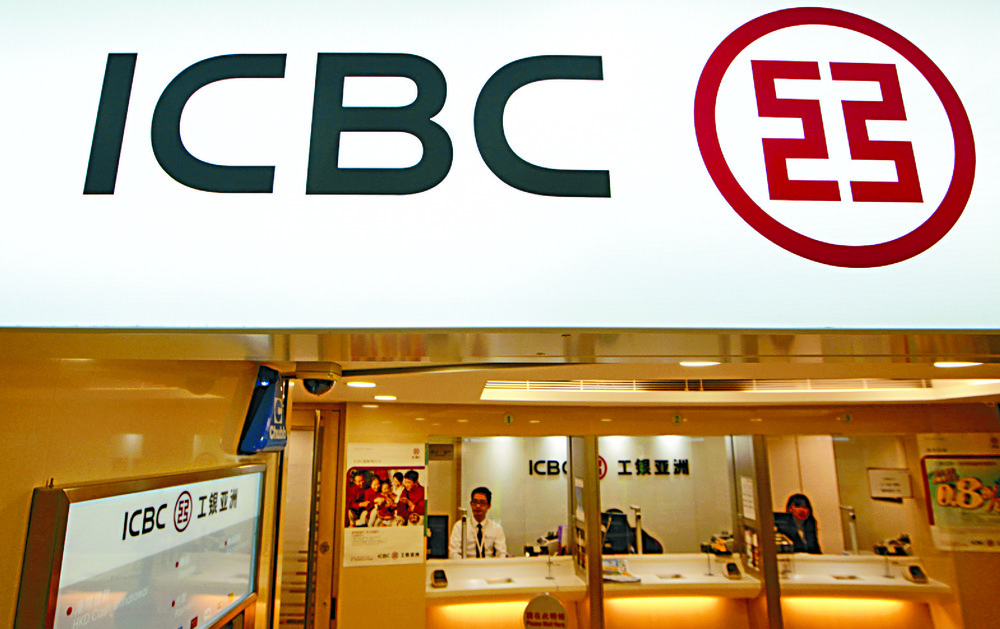
Industrial & Commercial Bank of China's (1398) offshore units stopped issuing US dollar-denominated letters of credit for purchases of physical Russian commodities ready for export, two people familiar with the matter said. Yuan-denominated letters of credit are still available for some clients, subject to approvals from senior executives, they said.
Bank of China (3988) has also curbed financing for Russian commodities based on its own risk assessment, another person said. The lender has yet to receive explicit guidance on Russia from Chinese regulators, two people said.
The move followed Russia's invasion of Ukraine, which triggered a wave of sanctions from countries including the US, the UK and Japan and stoked speculation that more may follow. Because commodity-linked letters of credit are issued so frequently, they would be among the first transactions impacted by the threat of sanctions.
The Chinese banks' response could be temporary, especially given that Western sanctions have so far spared Russia's energy sector. It's unclear whether Chinese banks have pulled back from other forms of financing for Russian companies and individuals, and their policies could change.
Meanwhile, Chinese ride-hailing giant Didi Global said on Saturday that it would continue to operate in Russia without giving an explanation, reversing a decision announced on Monday that it was leaving that country as well as Kazakhstan.
Separately, Ukrainian officials are directly soliciting crypto donations, adding to crowdfunding efforts that have raised more than US$5 million (HK$39 million) in bitcoin, ether and other tokens since Friday.
Ukraine's official Twitter handle, as well as an account belonging to the country's Vice Prime Minister Mykhailo Fedorov, shared details of the crypto wallets on Saturday. Victor Zhora, one of Ukraine's top cyberdefense officials, confirmed to Bloomberg that the tweets and the wallet addresses were accurate.
The addresses posted by these accounts received hundreds of donations worth more than US$3 million in less than 24 hours, according to transaction information available for the wallets and data from blockchain analytics firm Elliptic.
The median donation was worth around US$95, Elliptic co-founder Tom Robinson said.
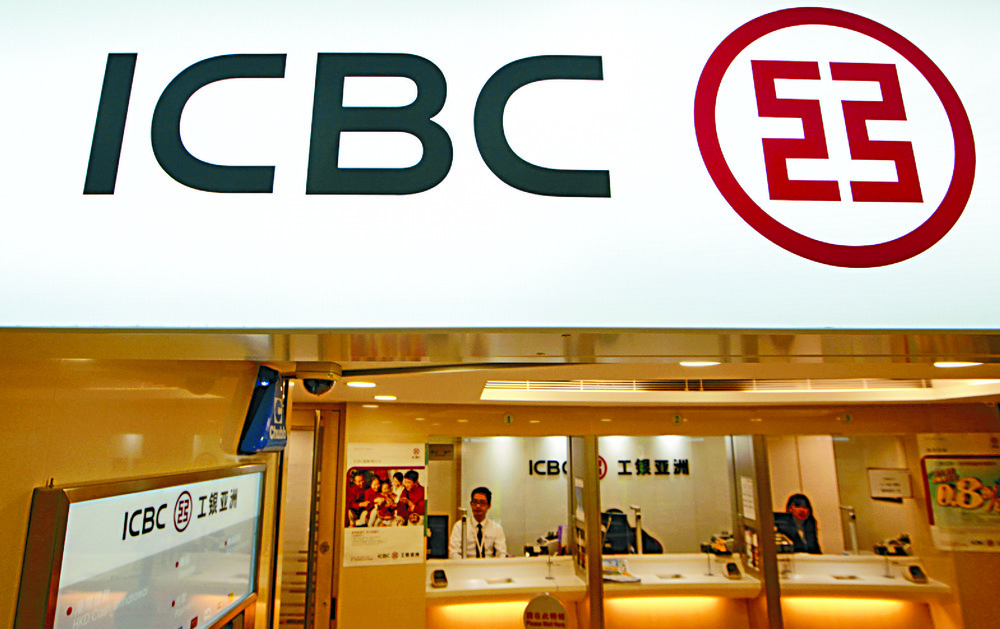
ICBC stopped issuing US-dollar denominated letters of credit for purchases of Russian commodities. BLOOMBERG