China has approved setting up a rare earths giant by merging three companies, creating a behemoth that will strengthen its control over the global industry it has dominated for decades.
The group has been formed through the merging of China Minmetals Corporation, Aluminium Corporation of China (Chinalco), and Ganzhou Rare Earth and will be under the direct control of the central government.
The new entity, China Rare-Earths Group, will speed the development of mines in the south, state broadcaster CCTV reported.
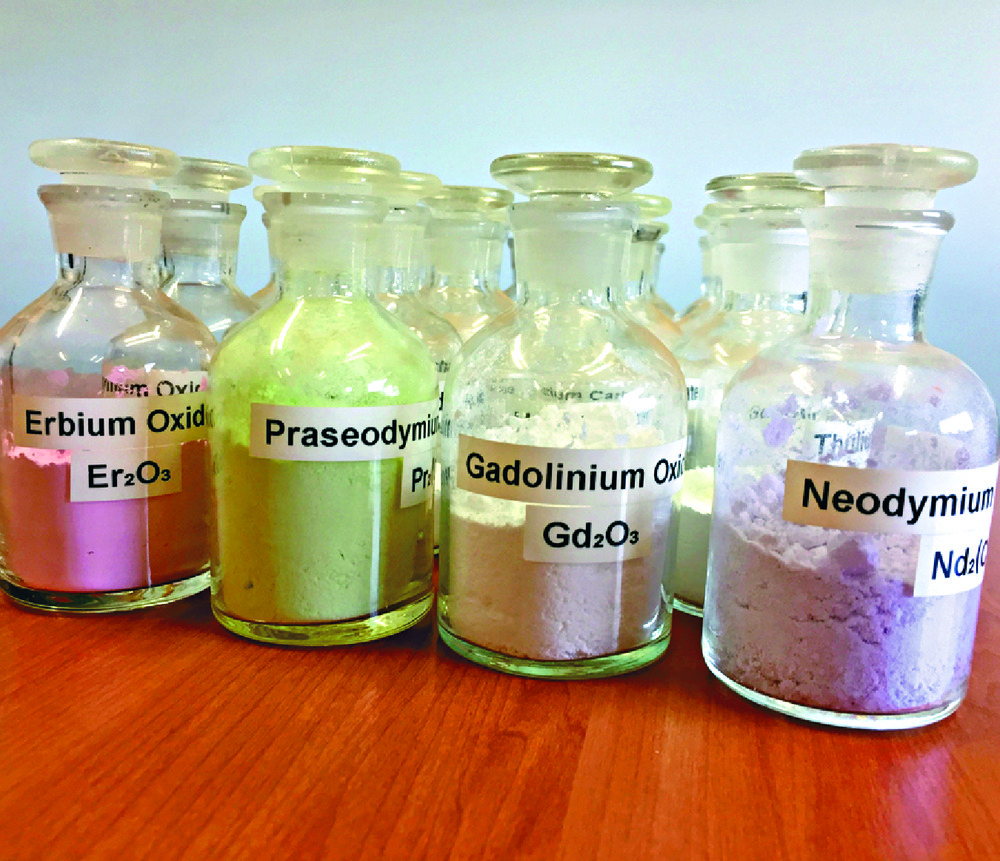
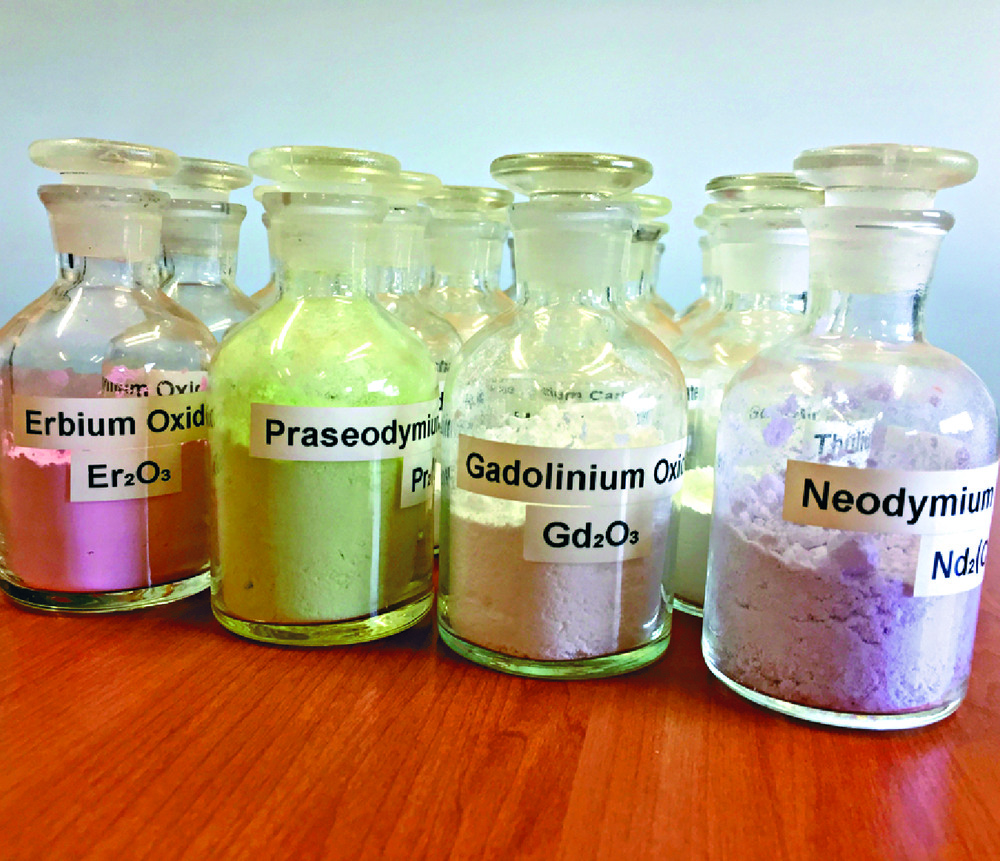
China is the world's dominant producer of rare earths, a group of 17 elements used in a diverse range of hi-tech products - from cell phones, electric cars and TVs to computers, lasers and satellites - and vital for cleaner energy.
The move aims to better allocate resources, realize green development and upgrade deep-processing of the rare earths sector, according to CCTV.
The State-owned Assets Supervision and Administration Commission will hold a 31.21 percent stake in the new group, while Chinalco, China Minmetals and Ganzhou Rare Earth will each own 20.33 percent, it said.
Shares of Aluminum Corporation of China (2600) soared nearly 9 percent yesterday in Hong Kong on the merger, with Minmetals' Hong Kong-listed shares up 6 percent.
Other mining stocks also rose on the news. Zijin Mining(2899) jumped 3.09 percent and Jiangxi Copper (0358) grew 2 percent.
China accounted for 58 percent of rare earth production worldwide in 2020, down from 80 percent from 2017, but it still produced 85 percent of the world's refined rare earths last year, according to the US Geological Survey.
And there are also reports that China could restrict the export of rare earth metals to the US amid the prolonged trade war between the world's two largest economies.
The latest round of consolidation follows restructuring efforts by Beijing that created six licensed groups in 2016. The government also controls production, granting annual quotas to the firms. This year's volume has been set at 168,000 tons.
Rare earth prices have surged this year as demand outpaced supply, while a power shortage exacerbated disruptions and a broad rally in commodity prices increased production costs. Neodymium and praseodymium - two elements used in permanent magnets - have jumped to the highest in a decade.
Rare earths are used in a diverse range of hi-tech products. REUTERS