





Read More



Six senior counsel appointed
31-03-2026 13:54 HKT
Approval granted for Kai Tak’s six-stop Smart & Green Mass Transit System
31-03-2026 16:27 HKT


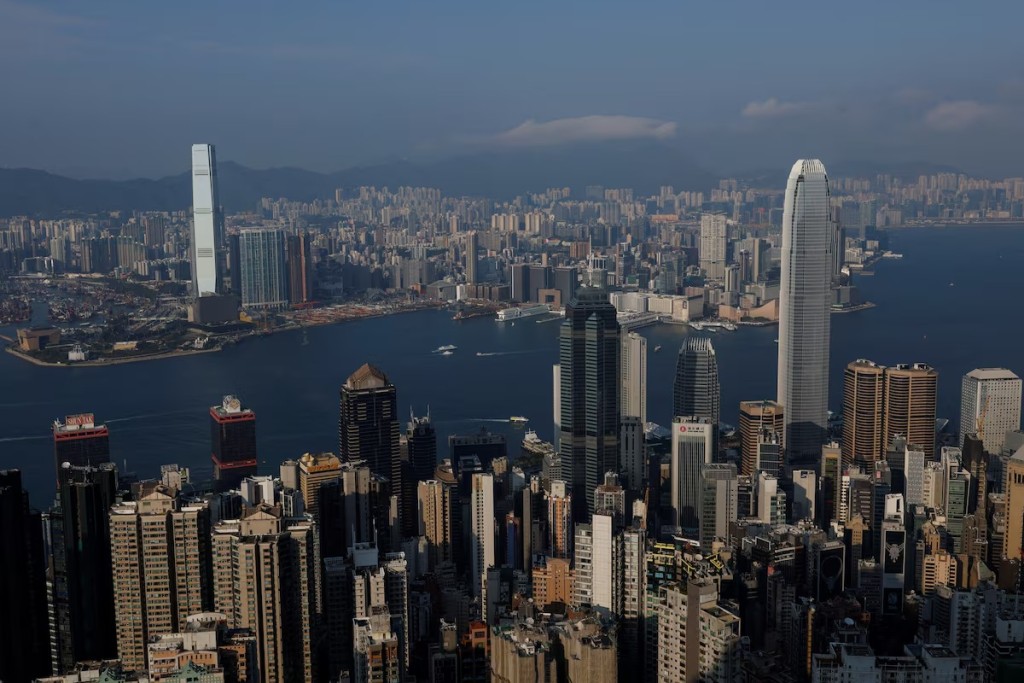
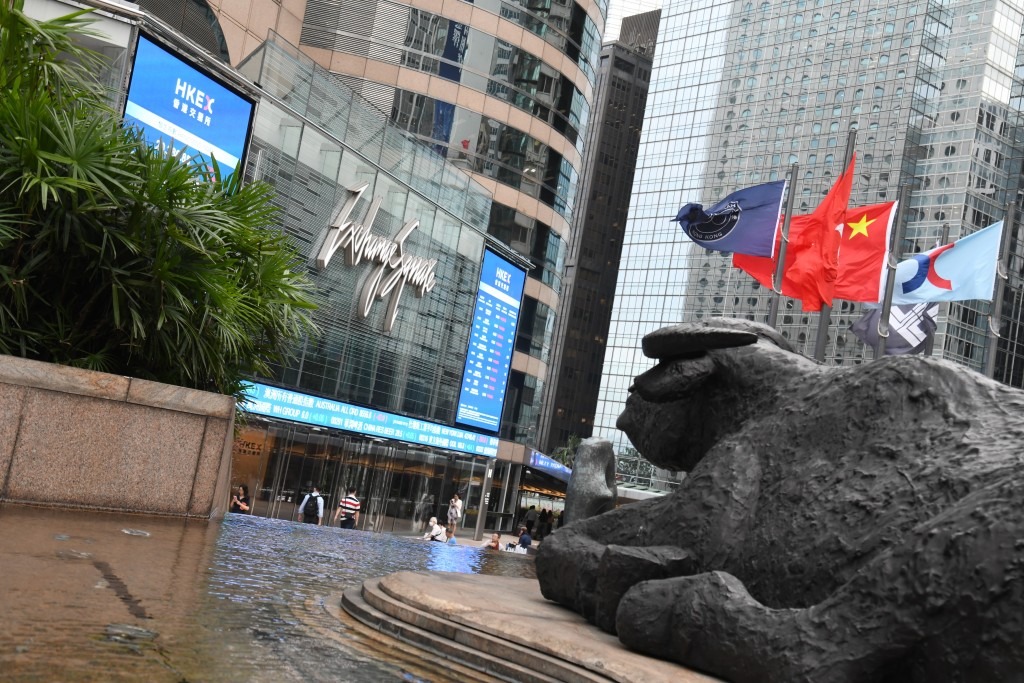
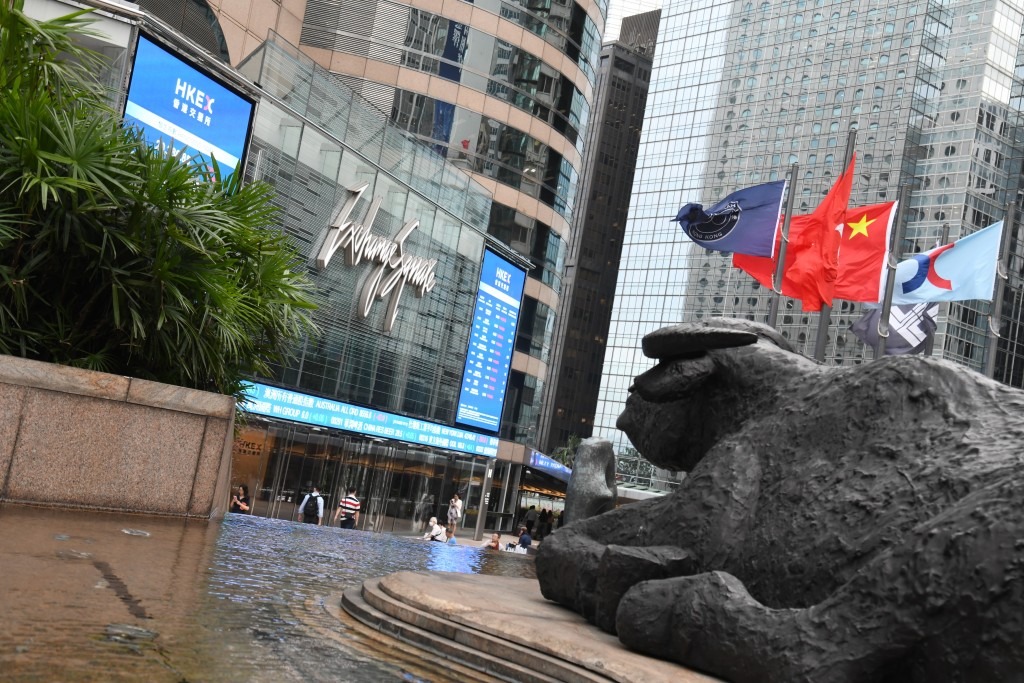
Global stock markets fared well in the first seven months of the year, but the markets in China and Hong Kong were somewhat tarnished.
Venezuela's stock market index was the worst performer in 20201 but this comes as no surprise as the country is in the grip of a political and economic crisis.
However, the second-worst performer was the Hang Seng China Enterprises Index, while the Hang Seng China-Affiliated Corporations Index and the Hang Seng Index were the eighth and ninth worst performers respectively.
No one had predicted this turn of events at the start of the year.
Among the best performers, the S&P500 Index has risen about 17 percent so far this year while markets in South Korea, Taiwan, Vietnam, Australia, Singapore and India have all gained more than 10 percent.
It must also be noted that India and Vietnam are still battling the pandemic while Taiwan is just recovering from a recent surge in Covid-19 cases.
On the contrary, Hong Kong has had no confirmed local infection for more than 50 days on the trot, while the government has repeatedly pointed out that since the implementation of the National Security Law just over a year ago, peace and calm has returned to the streets.
Meanwhile, Financial Secretary Paul Chan Mo-po has also revealed that economic growth this year will be better than the market's expectations.
If this is the case, why is Hong Kong's stock market languishing?
The bottom line is that most listed companies in Hong Kong are closely related to China's economic development and so whenever there are any policy changes - good or bad - Hong Kong stocks inevitably fluctuate in response to them.
Many people are surprised that China's economy has recovered the fastest since the pandemic broke out in January last year, while many cities and countries in the region continue to battle recurrent outbreaks.
Chinese exports have benefited from the recovery, and with mainland firms benefiting as well, stock markets in China and Hong Kong should be among the best performers in the region.
Yet, state-owned enterprises listed in Hong Kong are among the region's worst performers.
Therefore, the recent weakness in Hong Kong stocks can only be put down to policy factors.
While many may ask why Beijing is stepping up its shakedown of various industries when the Chinese economy is faring so well, we should understand the reasons behind the drive to rectify the economy.
Many analysts believe that Didi's listing in the United States was the trigger, as it made the central government wake up to the risks about information security.
But, in fact, China's regulators pulled the plug on Alibaba's Ant Group listing much before the Didi crackdown.
The clamp on Ant was in fact an early warning signal - that the central government had growing concerns over many of China's tech and internet giants, which had become be "too big to control."
A little over a month ago, the Financial Times pointed out that Alibaba's founder Jack Ma Yun and vice chairman Joseph Tsai had pledged most of their stakes in Alibaba to investment banks including UBS, Credit Suisse and Goldman Sachs, and had obtained up to US$35 billion (HK$273 billion) in loans.
It also revealed that the pledges began in 2014, ahead of Alibaba's listing in the United States.
Although Alibaba later clarified that Ma did not take any loans on company shares, the news came as a shock to the central government.
If any company listed in Hong Kong or overseas mortgages its shares to a foreign investment bank, it will lead to two risks.
Firstly, if the loan is repaid with the mortgaged shares, the shares will be confiscated by foreign investors and the control of these enterprises may fall into their hands. This could indeed lead to security risks over big data and intellectual property.
Secondly, there is a huge risk of capital outflows if the mortgage funds are sent overseas, which is also a worry for the central government.
However, how do we strike a balance between risk and market volatility?
We'll talk about this next week.
Andrew Wong is chairman and CEO of Anli Securities