Read More
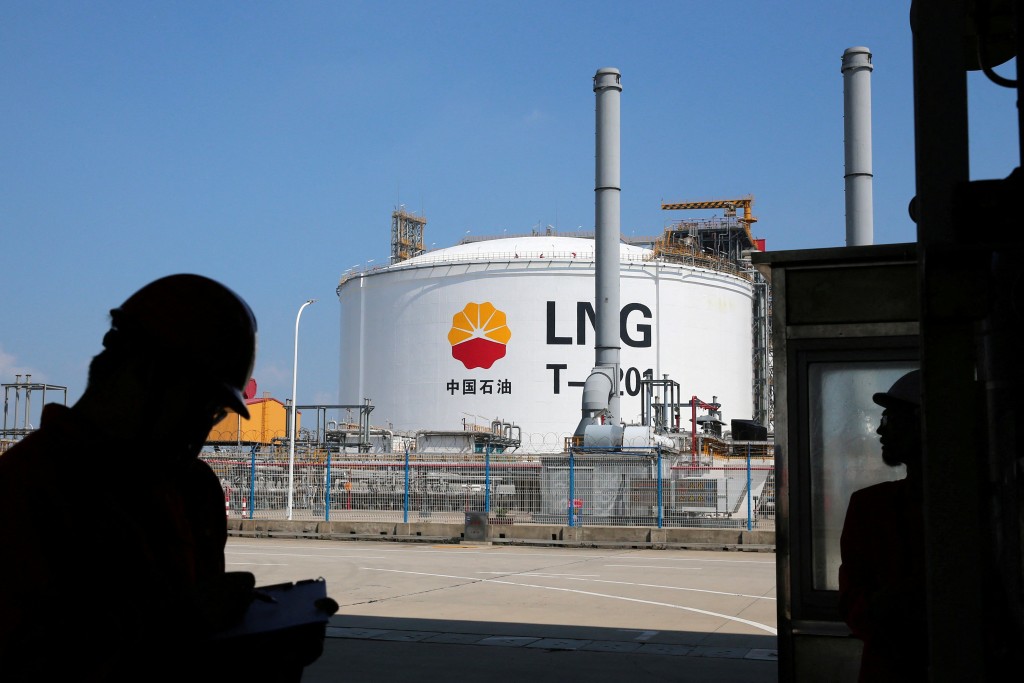
Oil fell below US$20 a barrel after the International Energy Agency yesterday forecast a 29 million barrel per day dive in April oil demand to levels not seen in 25 years and warned no output cut by producers could fully offset the near-term falls facing the market.
ADVERTISEMENT
SCROLL TO CONTINUE WITH CONTENT
Benchmark Brent crude futures fell following the IEA's monthly report, trading down more than 4 percent or US$1.30 (HK$10.14) to US$28.30 per barrel by yesterday evening.
The IEA forecast a 9.3 million bpd drop in demand for 2020 despite what it called a "solid start" by producers following a record deal to curb supply in response to the Covid-19 pandemic.
Saudi Aramco, the world's largest oil producer, is in early talks with banks for a loan of about US$10 billion to help finance its acquisition of a 70 percent stake in Saudi Basic Industries Corp, according to three banking sources.
Meanwhile, the International Monetary Fund wants policy makers to ramp up fiscal stimulus once the coronavirus contagion begins to abate.
The lending organization calculates that governments around the world have taken fiscal actions amounting to about US$8 trillion, including more than US$2 trillion in the United States. Global fiscal deficits will more than double to 9.9 percent of gross domestic product this year from 3.7 percent in 2019, the fund said.
Global debt will jump 13.1 percentage points to 96.4 percent of GDP, with the figure jumping to 122.4 percent of GDP in advanced economies from 105.2 percent in 2019, the IMF said.
In the gold market, gold slipped yesterday as the dollar strengthened and some investors locked in profits from a surge in prices this month, but mounting fears of a global recession kept bullion firm above US$1,700 per ounce. Spot gold was down 0.4 percent at US$1,720.80 per ounce, at 8 pm last night. In the previous session, it jumped as much as 1.9 percent to its highest level since November 2012 at US$1,746.50.
Elsewhere, Australia sold a record A$13 billion (HK$63.4 billion) of sovereign bonds as the government boosted its spending to shield the economy from a deep coronavirus-driven recession.

The IEA forecasts a 9.3 million bpd drop in demand for 2020. REUTERS