Read More


Night Recap - July 2, 2026
51 mins ago
John Lee thanks wife for unwavering support after four years in office
01-07-2026 13:21 HKT
T1 signal to be hoisted on Thursday morning: HKO
01-07-2026 14:23 HKT
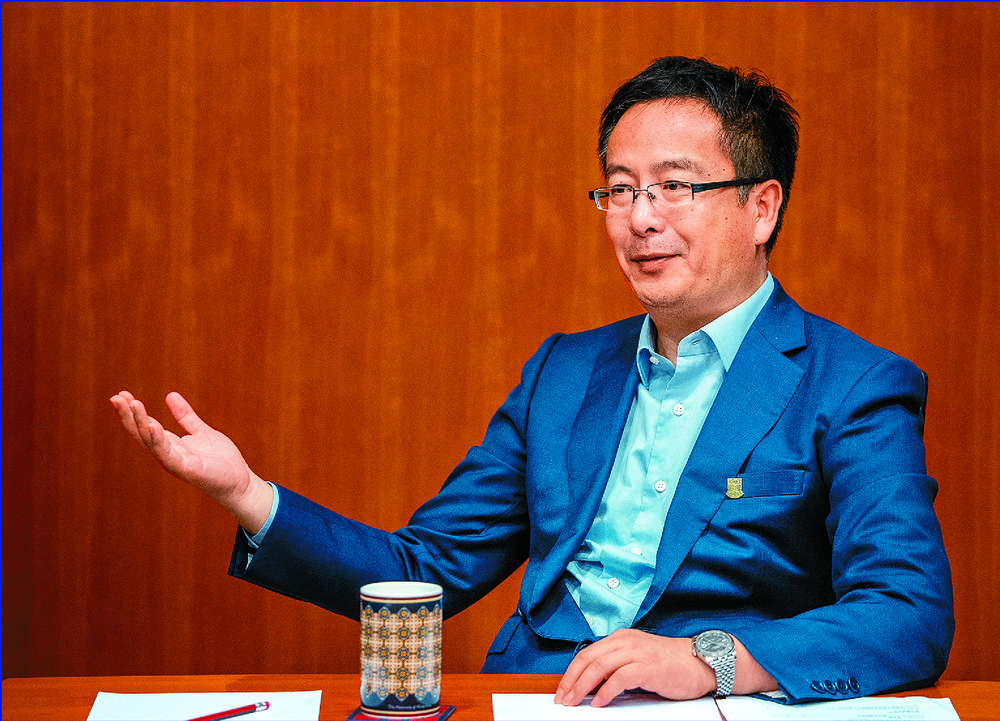
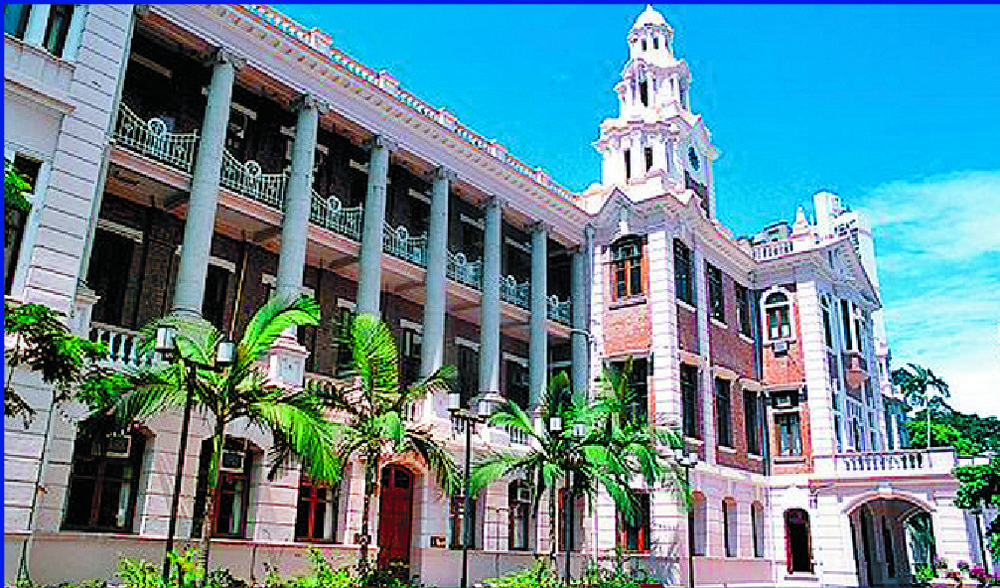
The University of Hong Kong is primed to contribute to the city's sustainable development with new research institutes and a Shenzhen campus coming soon, says vice president Max Shen Zuojun.
In an interview with The Standard, Shen, who is also the pro-vice-chancellor for research, said his next step is to establish an institute of supply chain management, which has been one of his major research areas.
The institute would focus on optimizing logistics, e-commerce activities and delivery to reduce carbon emissions and achieve long-term sustainable development, Chen said.
With the institute "working with local universities, industries, companies in the mainland and globally, we can analyze how we can cut down carbon emissions in the supply chain," he said.
Using electric boats and vessels as examples, Shen said promoting marine electrification could be a solution to reduce carbon emissions in cargo logistics activities in the city, a premier logistics and maritime hub in Asia and a trade gateway between the mainland and the rest of the world.
Shen said he would like to make the facility "an international institute," adding the government is "really supportive" of the plan.
"Currently I'm talking to some key business companies. Then I need to talk to other local institutions in Hong Kong as well as schools in the mainland and United States that we established a partnership with," he said.
HKU has partnerships with 380 overseas institutions, with at least 10 in China, including Peking University and Shanghai Jiaotong University.
US partner schools include the University of California, the Massachusetts Institute of Technology and Columbia University.
Along with the proposed institute of supply chain management, the Institute of Climate and Carbon Neutrality was founded last year.
The climate institute will organize the China-California bay-to-bay forum starting next year, focusing on policy and research exchange between San Francisco and the Greater Bay Area, after California governor Gavin Newsom visited the Pok Fu Lam campus in October.
"The governor said we could collaborate with top universities in California like Stanford University, University of California, Berkeley. So I think we lead [Asia] in this research area," Shen said.
But the direction of research should be unrestricted, Shen said, from green technology, material science, mechanical engineering and urban planning to address global environmental and climate issues.
"As Hong Kong is southern China's logistics hub, there could be further efforts to make logistics greener. A lot of logistic activities in the mainland, in Asia and in North America produce a lot of waste."
He suggested that, apart from introducing green policies including a municipal solid waste charge, the government take a tougher approach, including regulations on e-commerce.
"Eventually you have to do some regulation and studies to boost industries that are going greener, then they will change the culture and educate people," he said.
Construction of HKU's Shenzhen campus is likely to be back on track by this month, said Shen.
Despite the university having signed a memorandum of understanding with Shenzhen authorities back in 2021 to confirm the campus site, construction was delayed due to the pandemic.
Shen said he went to the mainland last month and met with relevant parties to "resume negotiations with our Shenzhen [counterparts] about the campus."
"We already secured the site but we need to negotiate funding the space and many other things. I think [talks] should continue very shortly."
But it is hard to provide an accurate estimate on the campus's launch at the moment, he said.
eunice.lam@singtaonewscorp.com