Read More
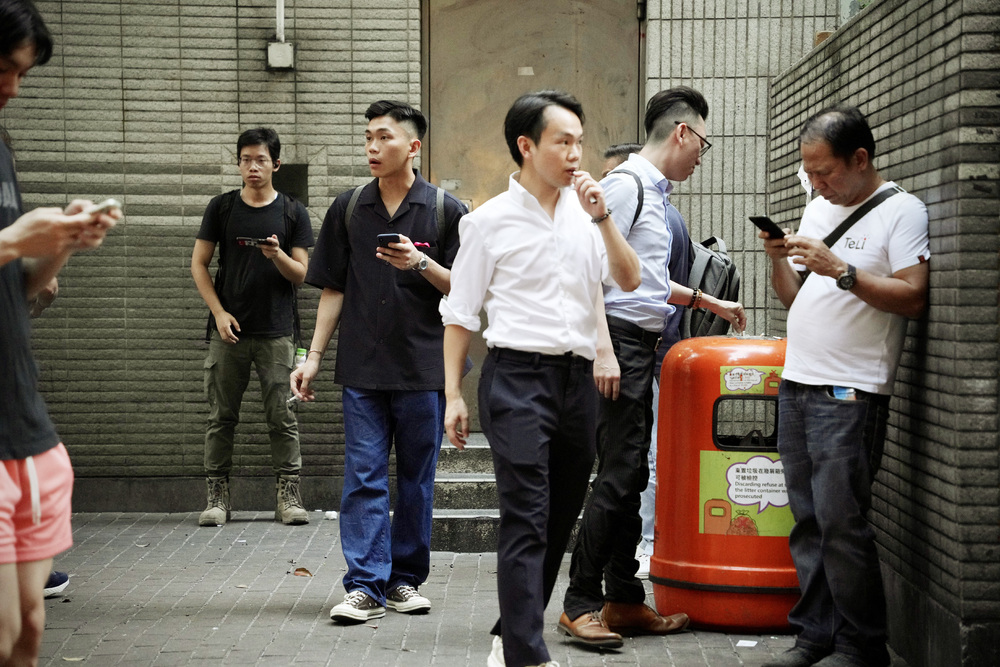
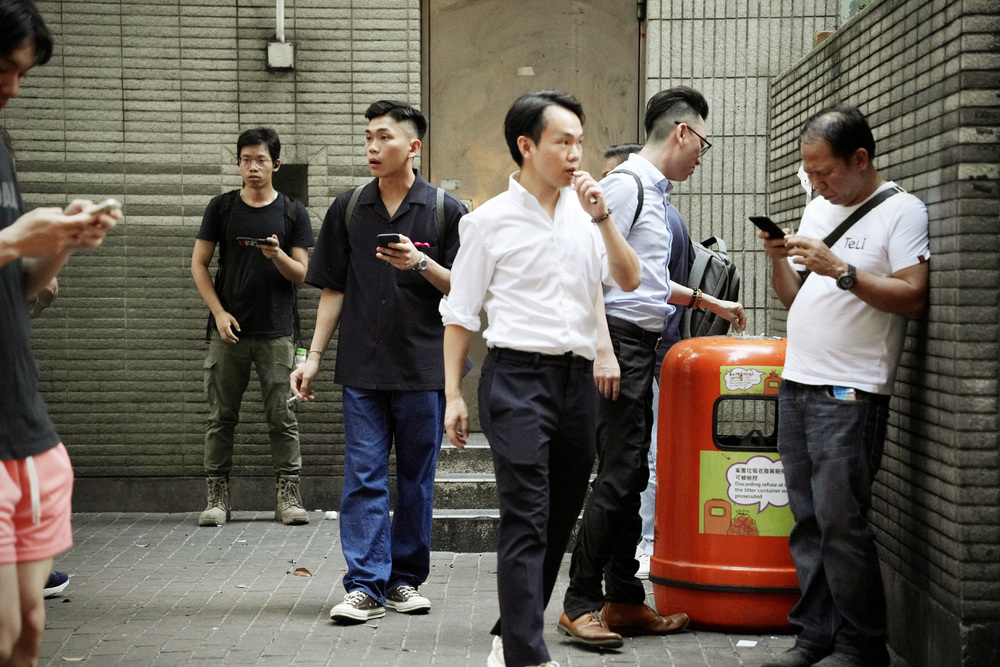
Smoking while walking could be banned, though it would be difficult to enforce, the Health Bureau says, as it asks for the public's opinions on tobacco control.
ADVERTISEMENT
SCROLL TO CONTINUE WITH CONTENT
The strategies, aimed to reduce Hong Kong's smoking rate from 9.5 percent to 7.8 percent and to achieve a smoke-free city eventually, were unveiled at a news conference yesterday.
The bureau is consulting the public on whether the government should raise the age limit on purchasing cigarettes and expand no-smoking areas to public spaces near schools and hospitals.
People can fill out an online questionnaire at www.tobacco-free.gov.hk to express their opinions on or before September 30.
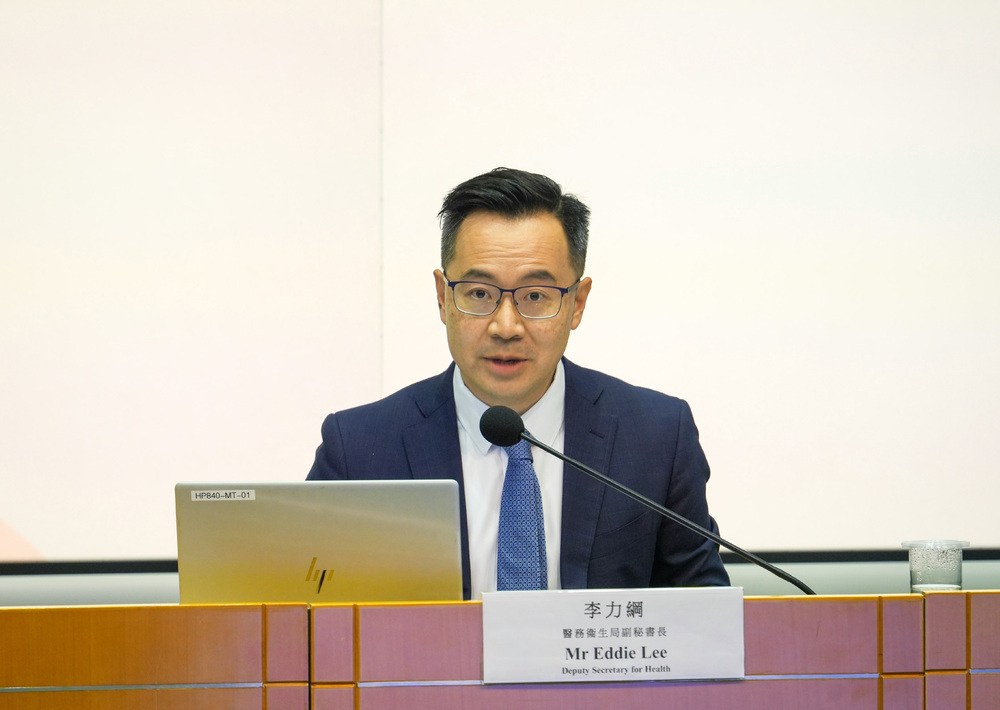
Deputy Secretary for Health Eddie Lee Lik-kong said banning walking while smoking would be difficult to enforce - although "many are all for it."
He added: "We highlighted the concerns on enforcement because, naturally, one will wonder how we could effectively enforce the law as a person smoking while walking could just stop walking."
Authorities are seeking public opinion on how it would be enforced.
Lee said the government is considering various measures to reduce the number of smokers, including raising the age limit on purchasing cigarettes and banning all youngsters born after a certain year from buying cigarettes.
Some countries have raised the age limit of buying cigarettes to 20 or above, the bureau said.
Apart from selling cigarettes to youngsters, other means of getting tobacco products free might also be banned, Lee said.
The government may also increase tobacco duty as suggested by the World Health Organization to 75 percent from the current 64 percent.
It is also considering measures to reduce the attractiveness of tobacco products, including a ban on cigarettes with menthol, fruit and candy flavors.
Health warnings on cigarette packets may cover larger areas from the current 85 percent, Lee said.
Authorities could also require stores to put the products in places where people cannot see them. The government aims to expand no-smoking areas to cover busy places where people could not avoid breathing second-hand smoke, including footbridges and bus stations.
Public places near schools and hospitals should also be smoke-free areas, Lee said. The bureau was considering increasing the fine for smoking in prohibited areas to HK$3,000 or HK$5,000 from the current HK$1,500.
Secretary for Health Lo Chung-mau said one in every two smokers dies prematurely because of smoking, while people who get second-hand smoke also face the risk of early death.
Lo said the city's smoking rate was 9.5 percent in 2021, meaning Hong Kong had about 600,000 smokers, while women's smoking rate was about 3 percent and rising.
The government wants to lower the smoking rate to 7.8 percent for those aged above 15 by 2025, meaning about 100,000 people should quit smoking, he said.
"I still remember when I had just graduated from medical school and started my internship, I worked at night and saw a lot of patients with chronic lung disease caused by smoking having difficulty in breathing. They had to be hospitalized constantly and were suffering as they could not get oxygen therapy," Lo said.
"As a doctor, I really don't want to see our next generation continue to suffer from the misery."
But some smokers say they will not quit smoking even if the government increases the tobacco tax and expands no-smoking areas to inconvenience them.
Smoke Yeung said: "I will have to spend more if the tax goes up. I will not reduce the frequency of smoking or quit just because the cigarettes become more expensive."
Smoker Lee said: "I couldn't quit even if I try. It's difficult. It's annoying and I'm under pressure."
Hawkers who mainly sell cigarettes and newspapers said they would see a drop in business if the government raises the tobacco tax.
If the government requires retailers to hide cigarettes where people could not see them, they would simply stop selling cigarettes, the hawkers said.
Lawmaker Edward Leung Hei, of the Democratic Alliance for the Betterment and Progress of Hong Kong, welcomed the strategies.
He said the government should also offer incentives for people to quit smoking and keep following up on ex-smokers to prevent them from relapsing.
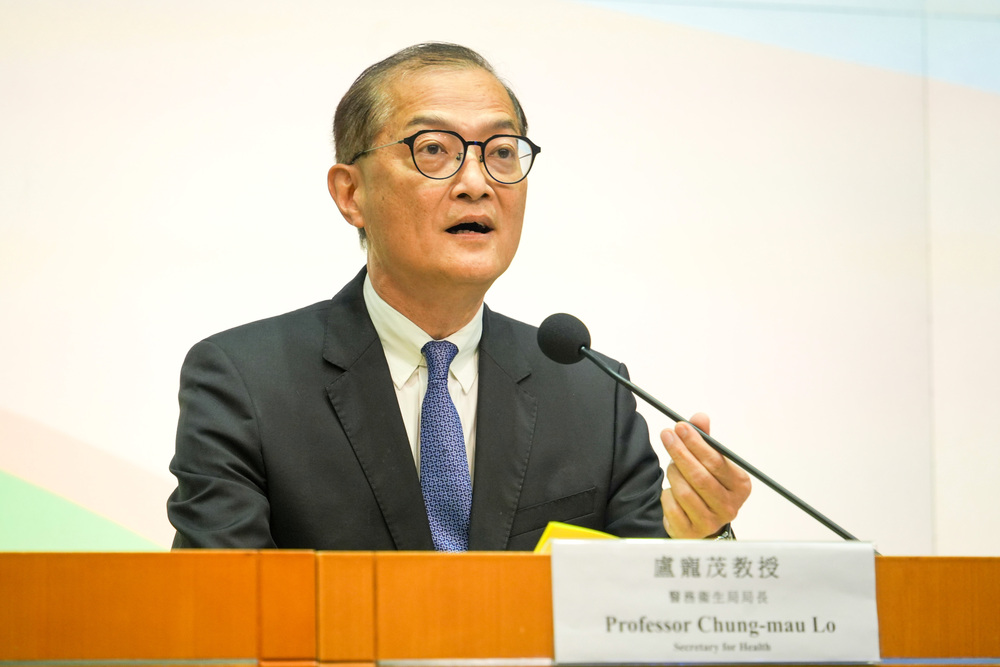
Lo Chung-mau, left, and Eddie Lee. SING TAO