Read More
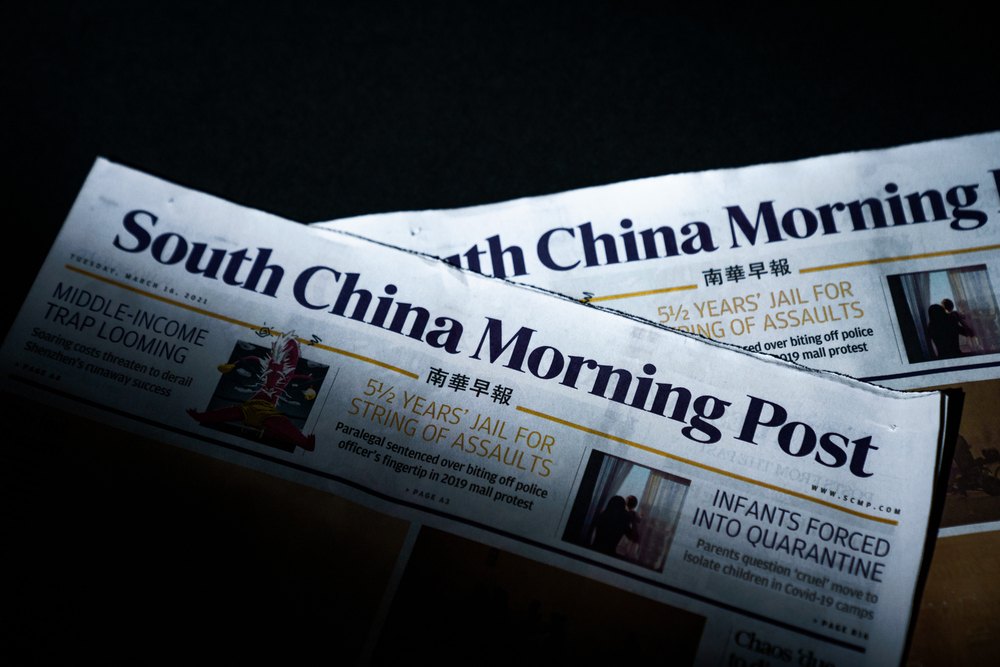
South China Morning Post chief executive Gary Liu has reassured staff that Alibaba Group remains committed to the newspaper despite reports that the tech giant is being pressured to let go of its media assets.
ADVERTISEMENT
SCROLL TO CONTINUE WITH CONTENT
"Be assured that Alibaba's commitment to SCMP remains unchanged and continues to support our mission and business goals," Liu told staff in an internal memo yesterday morning.
A later message sent by Liu reiterated that "there are no plans for an ownership change."
A spokesperson for the newspaper said: "SCMP remains committed to serving our global readers with independent journalism and in-depth analysis, as we have for over 117 years."
Alibaba bought SCMP in 2015 for US$266 million (HK$2.07 billion).
The discussion about selling the newspaper began last year, a source said. While no specific buyer has been identified, it is expected to be a Chinese entity.
That has raised fears among some staff that a state-owned company could eventually take over from Alibaba and put the newspaper under Beijing's thumb, according to an employee who asked not to be identified.
Beijing reportedly wants Alibaba to sell some of its media assets because of growing concerns about the technology giant's influence over public opinion in the country. Beijing expressed misgivings about Alibaba's media holdings during several meetings dating to last year, a source said.
Government officials are particularly upset about Alibaba's influence over social media in China and its role in an online scandal, involving one of its executives, Jiang Fan.
Jack Ma Yun, Alibaba's co-founder, has been at the center of a crackdown that began last year that targeted the e-commerce giant and its finance affiliate Ant Group.
Ma and Alibaba quietly built up a sprawling portfolio of media assets over the years, spanning BuzzFeed-style online outlets, newspapers, television-production companies, social-media and advertising assets.
Alibaba also has a major stake in microblogging site Weibo and Youku, one of China's biggest streaming services, as well as other online and print news outlets.
It has been reported that Beijing has grown alarmed about Alibaba's media holdings after a scandal involving Jiang, then the youngest partner at the e-commerce company. Posts about the scandal began disappearing from social media, including Weibo, drawing the ire of government officials.
China's internet watchdog penalized the microblogging site for interfering with the spread of opinions. The scale and speed with which the website removed posts rankled government officials, who saw it as crossing a line, a source said.
"The country must pay attention to and crack down on this, because the power of capital can be used by us but also the enemy," wrote Chinese commentator Song Qinghui, who contributes editorials to publications including state-backed media.
Regulators were shocked at the extent of the company's media interests after reviewing its holdings and asked it to come up with a plan to substantially curtail the interests, reports said.
Beijing is concerned that Alibaba could use its media assets as a tool to control public opinion, creating a "vicious circle," a source said.
Already, the company's media has played a role in influencing the general public's view about the emerging fintech sector, the person said.
The expansive influence of Alibaba-backed media services is seen as posing serious challenges to the Communist Party and its propaganda apparatus.
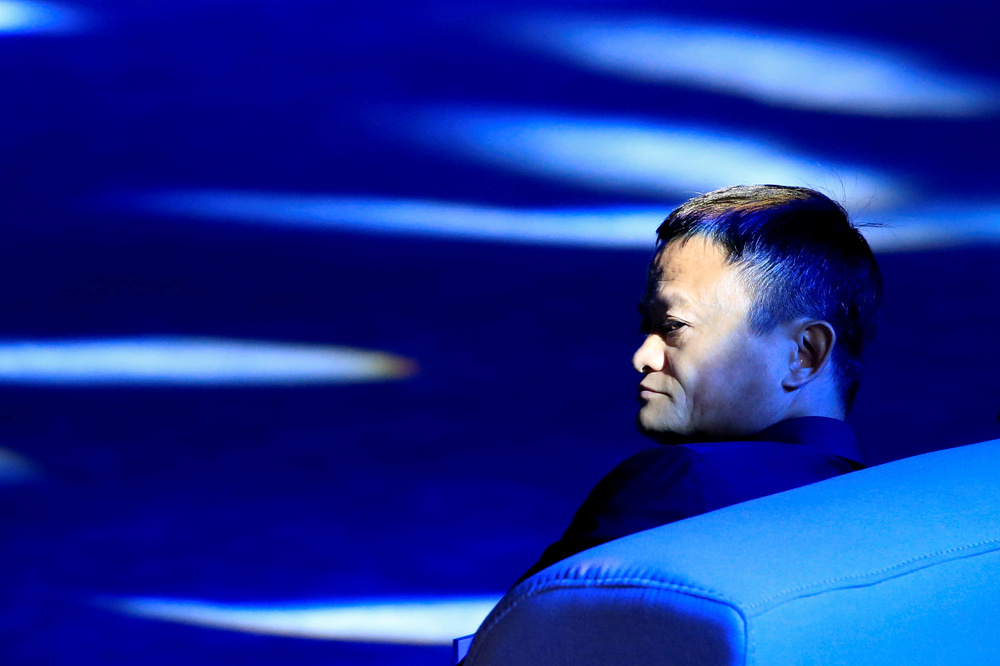
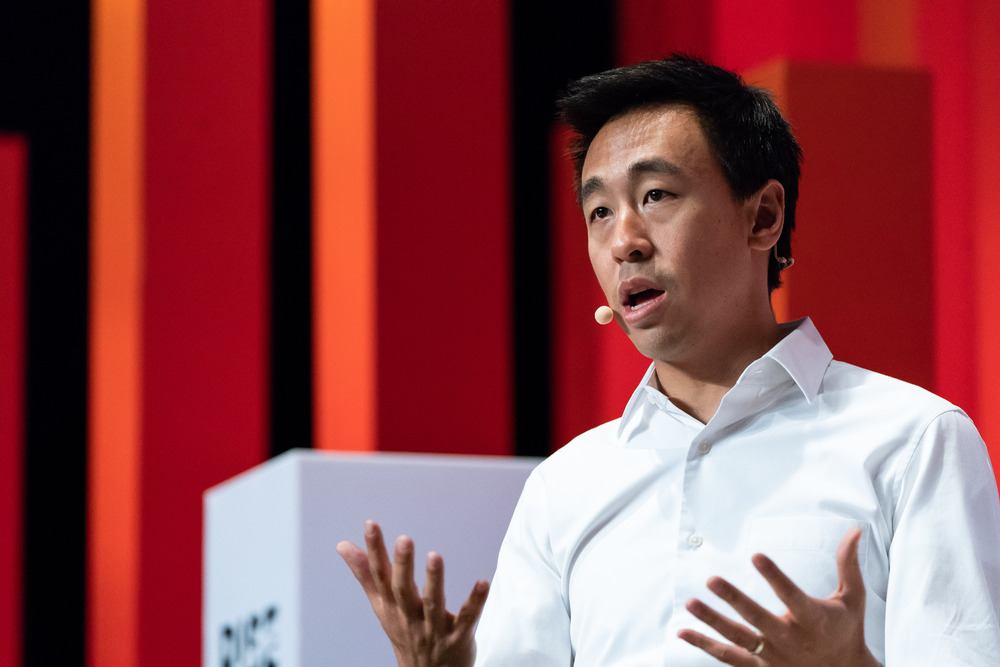
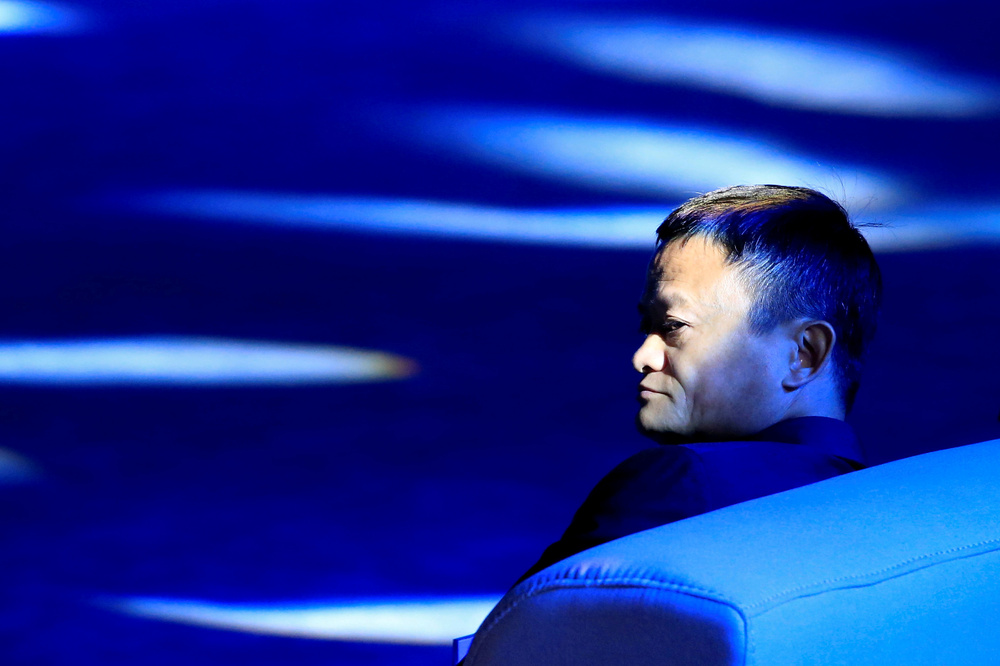
Alibaba, founded by Jack Ma, has alarmed Beijing over its media holdings, which 'could be used as a tool to control public opinion.' But the tech giant remains committed to SCMP, according to Gary Liu, inset. REUTERS, BLOOMBERG