Tens of thousands of people fled Wuhan yesterday after a 76-day travel ban was lifted on the Chinese city where the coronavirus first emerged.
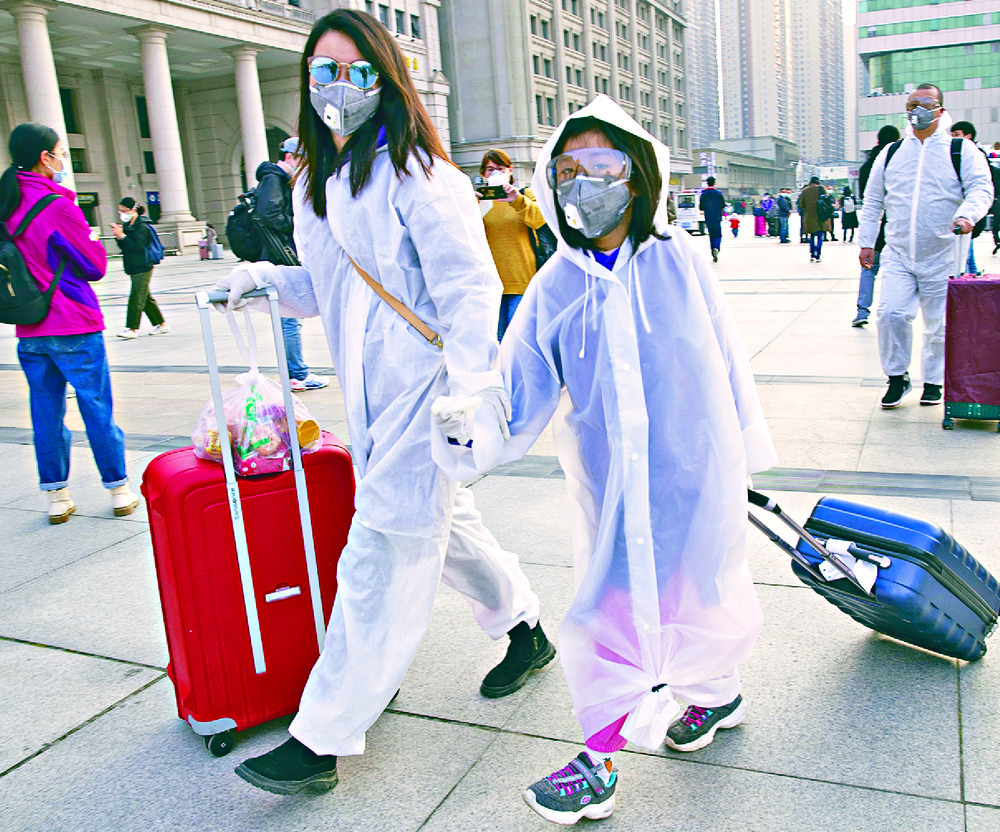
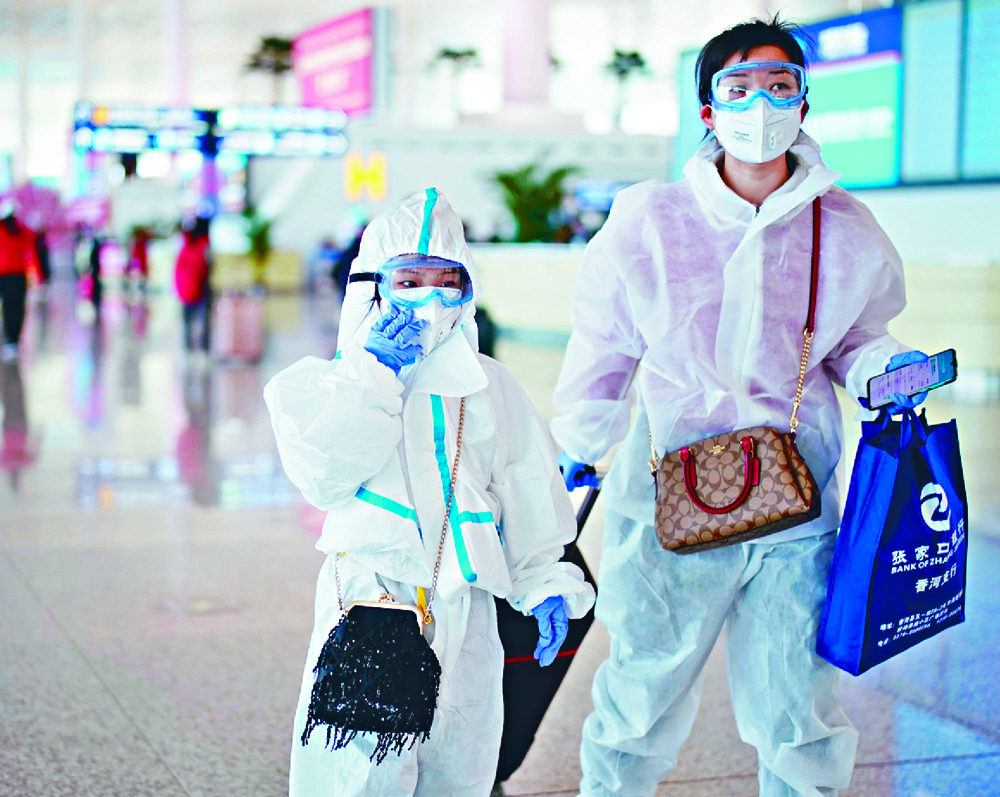
Previously quiet train and bus stations bustled as an exodus began from the city of 11 million, with some passengers wearing hazmat suits.
The reopening offered a ray of hope for the world as Europe and the United States faced rising deaths and crippling economic pain.
Western countries remain in the throes of a crisis that has claimed the lives of more than 80,000 people worldwide and forced around half of humanity into some form of lockdown.
The hardest-hit countries, among them Italy, Spain, France and the United States, are grappling with how to balance public safety with the devastating impact of shutdowns that have erased millions of jobs, sent financial markets plunging and pummeled major industries from travel to construction.
In Wuhan, Hao Mei, a single parent from the nearby city of Enshi, said her two children had been home alone since she got stuck in Hubei's capital, where she works in a school kitchen.
"You have no idea! " the 39-year-old said as she waited to board a train. "I was already up around 4am. I felt so good. My kids are so excited. Mom is finally coming home."
Up to 55,000 people were expected to leave Wuhan yesterday just by train, according to government estimates. Steady streams of cars hit the road in the morning, with barricades on the city's outskirts dismantled after the ban on outbound travel was lifted at midnight. Ferries, trams and taxis resumed operations and the airport also opened again for domestic flights. There would reportedly be around 200 flights yesterday.
A group of medics leaving Wuhan tearfully hugged colleagues from the city goodbye as they prepared to board flights home.
The Communist Party - accused of a slow-footed response and an initial attempt to cover up the outbreak - has portrayed its subsequent containment efforts as a huge success.
"Wuhan deserves to be called the city of heroes," blared an announcement on a train station.
But even as people leave the city, new imported cases in the northern province of Heilongjiang surged to a daily high of 25, fueled by an influx of infected travelers arriving from Russia, which shares a land border with the province.
Suifenhe city in Heilongjiang restricted the movement of its people yesterday in a similar fashion to that of Wuhan.
In Jiaozhou City in the eastern province of Shandong the risk level had risen from low to medium, but the local government gave no further details.
Restrictions began to be eased for residents of Hubei - which has suffered the majority of China's reported 3,300 deaths - two weeks ago. Authorities, however, waited until yesterday to allow normal traffic out of Wuhan amid lingering fears elsewhere in China that people from the city pose a risk.
At the city's Hankou station, passengers had to submit to temperature checks and show a green "health code" on their phone, meaning they are considered healthy and can travel.
Part of the "health code" approval is based on their neighborhood being virus-free.
Many travelers from Wuhan will also face two-week quarantines at their destination. Schools in Wuhan will remain closed.
AGENCE FRANCE-PRESSE, REUTERS
Bullet trains are lined up to resume operations as well-covered passengers go to Tianhe airport and Hankou train station in Wuhan. afp, ap, reuters