Read More
What happens to a college town when the students disappear? Ithaca, a small upstate New York city nearby gorges and vineyards, is finding out.
ADVERTISEMENT
SCROLL TO CONTINUE WITH CONTENT
Most of the 24,000 students at Cornell University and 6,200 more from Ithaca College effectively vanished in March when the coronavirus pandemic struck, leaving behind struggling restaurants and shops. Locals still reeling from the outbreak and its resulting exodus are wondering when - or if - things will get back to normal.
"It's going to be hard. Normally we have about seven months that the [students] are here,"' said Gregar Brous, who runs the local Collegetown Bagels shops, other restaurants and a catering operation.
He has brought back just over 100 of the 330 employees he laid off, but the long-term fate of college-dependent businesses remain cloudy.
One of the biggest challenges right now is so many unknowns, Brous said.
Ithaca College intends to bring students back this autumn, but weeks later than normal on October 5.
Cornell - the Ivy League school that dominates this city of 31,000 - is offering its summer courses online and is expected to soon release its plans for the autumn semester.
Even if Cornell opts for a return to in-class instruction, locals are concerned about returning students holing up on campus more, or an autumn surge in Covid-19 cases sparking another sudden exit.
Ithaca mayor Svante Myrick said possible international travel restrictions could affect Cornell, where almost a quarter of the students come from other countries. "If people don't feel comfortable sending their children across the country or across the world back to our campuses, then we'll start to shed jobs."
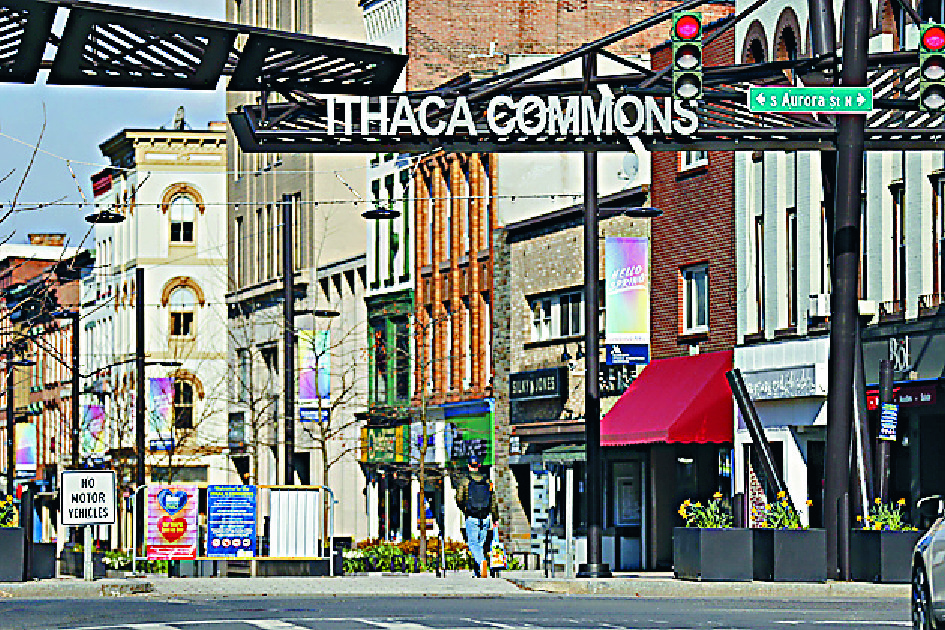
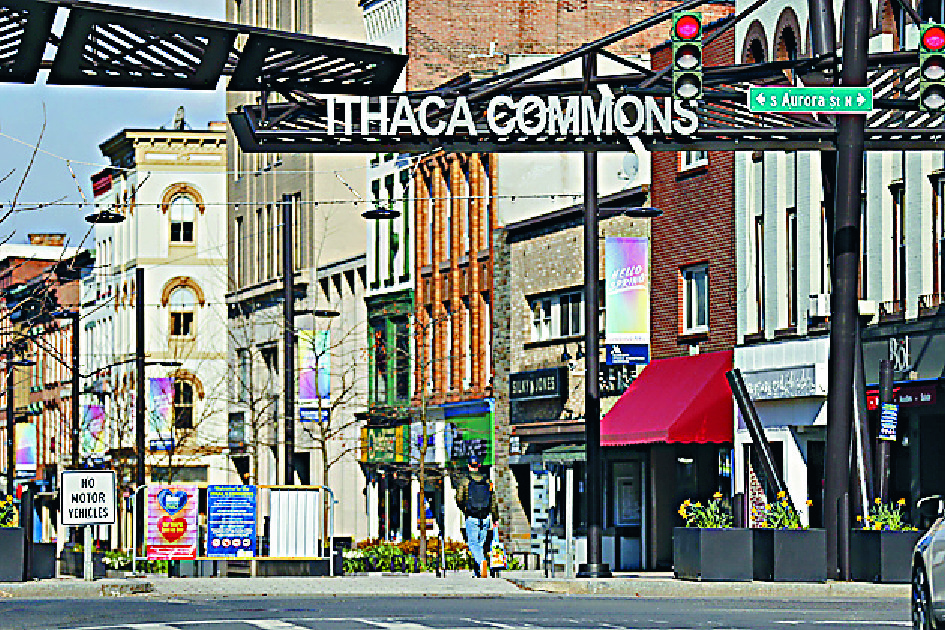
Cornell students spend an estimated US$225 million (HK$1.75 trillion) annually, helping fuel a healthy retail economy highlighted by blocks of funky shops and restaurants on the Ithaca Commons, a pedestrian strip downhill from the sprawling Cornell campus.
"If you're a line cook or a server in Ithaca, before the pandemic, it was so easy to get a job. You couldn't avoid it, they were everywhere,'' said Matt Stupak, a laid-off line cook now working a part-time delivery job with partial unemployment.
David Foote was laid off from his job at Ithaca's Planned Parenthood the same day his wife found out her hours at a not-for-profit were being reduced. Even with his wife back to full-time hours recently, he's still looking for work.
"Things are starting to look a little stretched so I'm hoping that things start to shape up," he said, "but also recognizing there's still a lot of dangers in a lot of people being in the same place or not taking the proper precautions.''
With more than 10,000 workers, Cornell is the county's largest employer and has yet to announce job cuts. The university has even taken steps to help locally, such as contributing US$100,000 to a fund supporting businesses hurt by the pandemic.
Still, area hotels, restaurants and shops are recovering from a big hit. The number of leisure and hospitality jobs alone in the surrounding Tompkins County was down by 2,000 from March to May.
Cities all over bled jobs this year, but the effects were more concentrated in some smaller college towns, where businesses depend heavily on students.
"Our entire economy left,'' said Gabrielle Gould, executive director of the Amherst Business Improvement District.
The quaint Massachusetts college town had to deal with the sudden loss of some 35,000 students from the University of Massachusetts Amherst and four other colleges in the area. By May, Amherst had a 32.6 percent unemployment rate, tied for second-highest in the state, according to the Pioneer Institute.
The 47 restaurants in Amherst's business district were allowed to add outdoor seating this month, though Gould said the struggles continue.
Beyond concerns over falling sales tax revenues, Ithaca residents are wary of long-term trends in higher education.
Colleges all over are dealing with pandemic-related budget problems as they reckon with uncertain futures.
Some students are deferring enrolment and long-term business models are being reassessed.
Ithaca College has already furloughed 167 workers. Cornell, which has a US$7.3 billion endowment, is expected to weather any storm.
But Cornell president Martha Pollack in April wrote that the school's plan to navigate the crisis "will almost certainly include painful steps such as furloughs or layoffs.''
"How worried am I for Ithaca if the future of higher education changes?'' Myrick said. "I am worried. I am extremely worried.''
Associated press