Read More





ImmD crackdown targets moonlighting domestic helpers arresting 17
19-05-2026 17:52 HKT

One dead, four injured in Jordan flat fire, 200 residents evacuated
22-05-2026 00:48 HKT
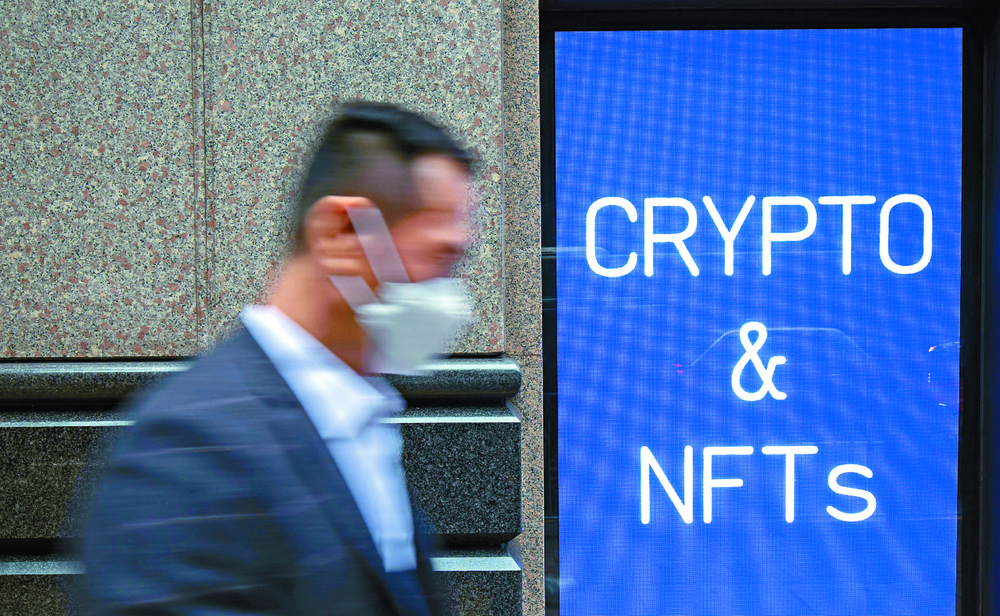
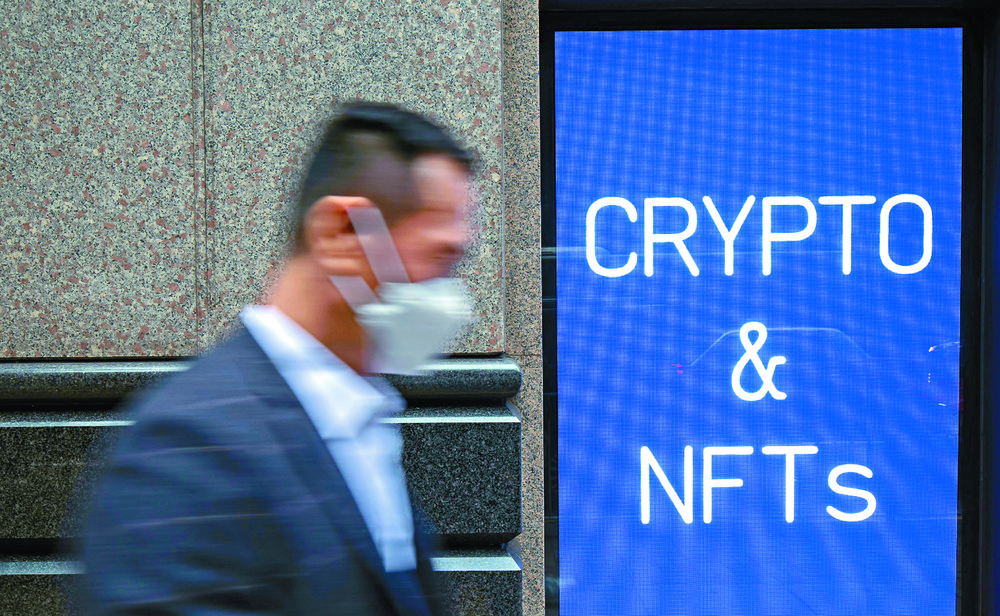
Over the last couple of years non-fungible tokens have shaken up the art world, fetching record sums of money for pictures, paintings and even tweets.
But away from the world of collectibles, these digital certificates of ownership for virtual or physical assets are also being put to use in the battle against climate change, with organizations turning to blockchain technology to boost their credentials over carbon emissions amid all the uncertainties over environmental, social and governance or ESG.
Proponents says carbon credit NFTs could effectively prevent greenwashing as their data can be tracked and substantiated, eliminating the dangers of credits being double counted or used more than once, while also providing more liquidity within own dedicated marketplace
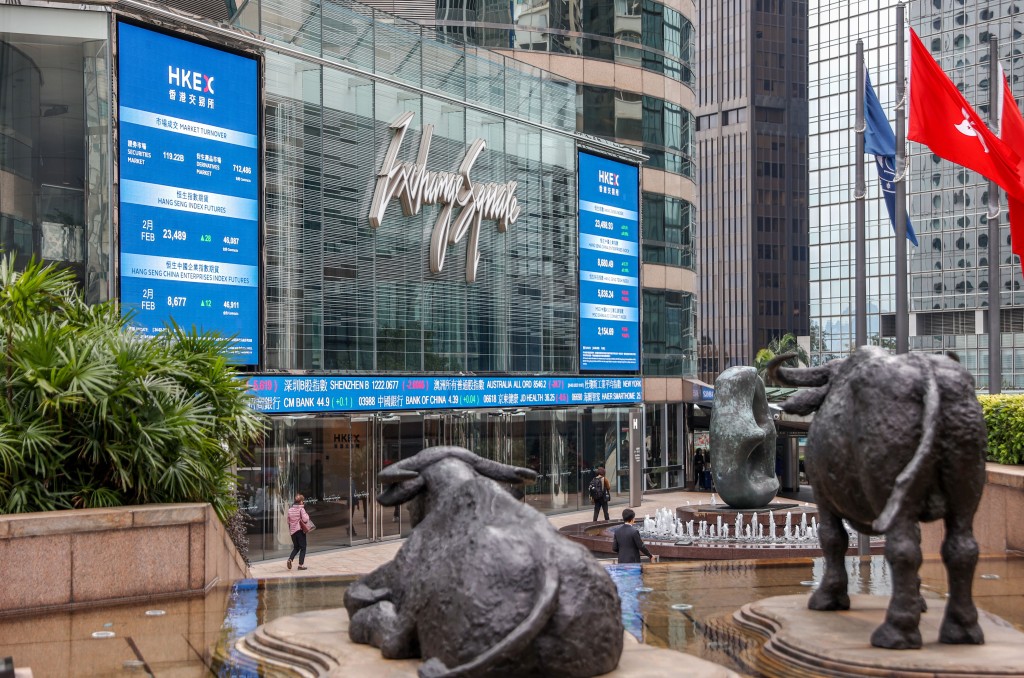
And listed firms in Hong Kong could benefit from financial technology amid moves by Hong Kong Exchange and Clearing (0388) to make climate-related disclosures mandatory by January next year, according to experts who shared their views about the role of fintech in ESG at an event held to commemorate Earth Day last month.
GREENWASHING RISKS
Companies easily fall prey to greenwashing by using colorful advertisements, communication and marketing material and by only making claims without substantiating them, Ben McQuhae, Hong Kong Green Finance Association vice president told the forum.
Even large corporations can fall into this trap due to ambiguities in ESG, but the most important thing, is to have something to substantiate your claims when accused of greenwashing, he told delegates at the event held by Friends of the Earth and the Financial Services Development Council.
Legal expert Karen Lam also highlighted the role of fintech and the challenges facing good ESG.
The most challenging part is the ESG development stage as reporting taxonomies vary across jurisdictions, Linklaters's structured finance and derivatives partner said.
The current situation is like a mapping exercise, with different jurisdictions trying to match with each other in the hope that there will be convergence eventually, she said.
CUTTING DOWN ON CARBON
While Europe is well advanced in ESG, most of Asia including mainland China and Hong Kong are in a transitional stage.
Many firms may not have the resources and expertise to prepare for ESG compliance, and it is believed that many are working toward ESG on the one hand while operating as usual with same machinery and systems until they become obsolete.
Hong Kong aims to mandate listed firms to make climate-related disclosure aligned with the International Sustainability Standards Board Climate Standard and Task Force on Climate-related Financial Disclosures in 2024, for ESG reports published in 2025.
But although carbon emissions is a key measurement for climate-related disclosures, Lam admits there is no legal certainty whether carbon credits are intangible assets.
Some fintech players in Hong Kong now offer solutions to quantify carbon data.
TOKENIZED TRADING
Carbon credit NFTs perform the same job as traditional carbon credits but are created using Web3 technology, in which carbon offset data is recorded and tokenized, with a unique digital identifier that can certify ownership and authenticity.
They serve as a repository of information such as the total number of carbon offsets, the year of the removal, project name, location and carbon trading certification program utilized.
And while one can keep a digital art NFT, carbon credit NFTs must be burned or removed so that it will no longer be available for future trade anymore.
Treelion's ESG solution specialist Simone Ng revealed that carbon credits of the blockchain platform's clients are tokenized for trading in mainland China. Companies that have emitted greenhouse gas less than their threshold can sell the extra units as carbon credits to firms that have exceeded their quotas.
However, while this part of the world has been developing its carbon trading markets, some international financial institutions are now saying no to carbon offsets.
OFF WITH OFFSETS
The Net Zero Asset Owners Alliance, whose members control US$11 trillion (HK$858 trillion) in assets, announced in January that carbon offsets will not be counted as carbon reductions, and asset managers will take this into consideration while picking stocks for their investment portfolio.
The alliance includes major insurers and pension funds such as Swiss Re, Munich Re, Prudential (2378) and Novartis Pension Fund Switzerland.
Away from carbon credits and offsets, carbon removal and air capture - which focuses on taking carbon dioxide out of the atmosphere and storing it away - is also starting to gain traction in Europe and the US.
Swiss startup Climeworks has raised US$800 million for this initiative, with part of the funds coming from Singapore's sovereign fund GIC. Climeworks has been involved in three of such projects in the US, each of which can store as much as a million tonnes of CO2 a year.
GROWING MARKETPLACE
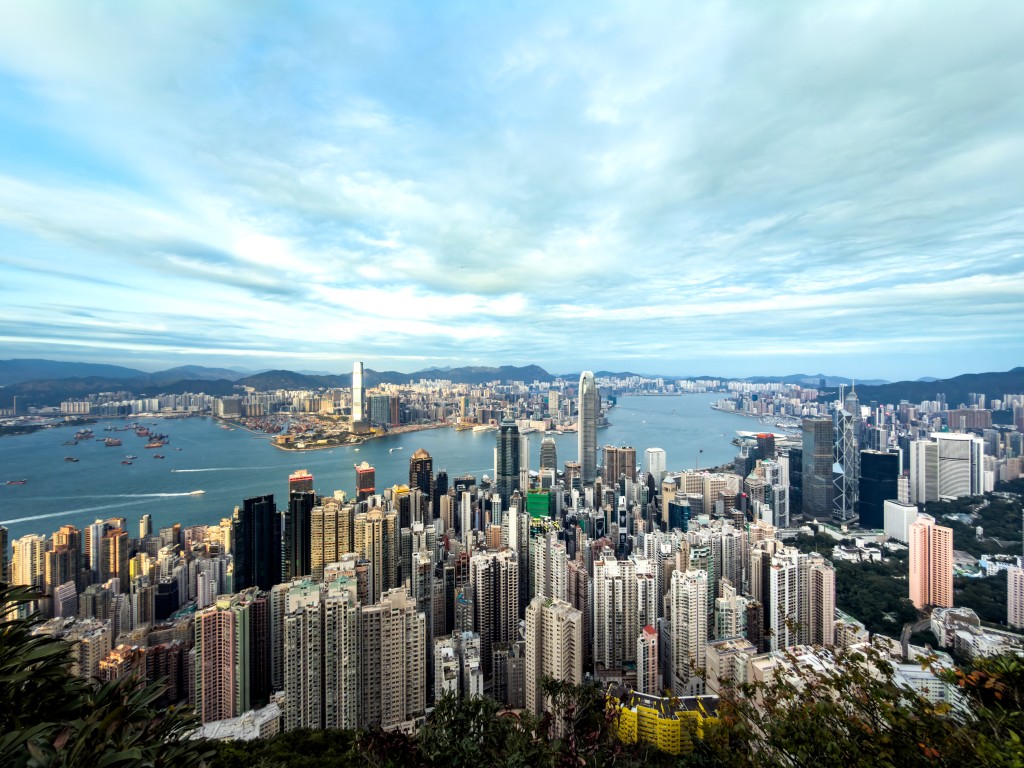
Hong Kong meanwhile has positioned itself in the carbon trading marketplace with the HKEX's Core Climate up and running since November.
The voluntary carbon market enables companies that have pledged to achieve net-zero to purchase carbon credits once their greenhouse gas emissions exceed their limits.
In addition to fintech, regulatory technology or regtech - the use of technology to help businesses comply with regulations and manage regulatory risks - could help tackle the lack of unified ESG standards across jurisdictions.
A 2020 whitepaper from the Hong Kong Monetary Authority pointed out that regtech could help tackle climate risk and environmental data collection and processing, risk management and governance framework, as well as greenwashing challenges.
Leveraging the company's expertise in natural language processing, Aereve co-founder and chief executive Andre Leung said the firm uses native-to-native approach with regtech to help local and global corporations seek solutions in managing ESG risks and Green KYC or know-your-customer.
While overseas peers mainly serve regulations of Latin-based languages, the firm integrates them with those of the Chinese language.
And fintech firms are also making use of artificial intelligence to analyze a variety of data and statistics such as those collected from the observatory, satellite and Internet-of-things in combination with market data to develop solutions that will help asset managers pick ESG-friendly stocks for their portfolio.
For example, Beijing-based YoujiVest Technology uses such data to analyze ESG risks and opportunities for A and H shares as well as Chinese American depository receipts.