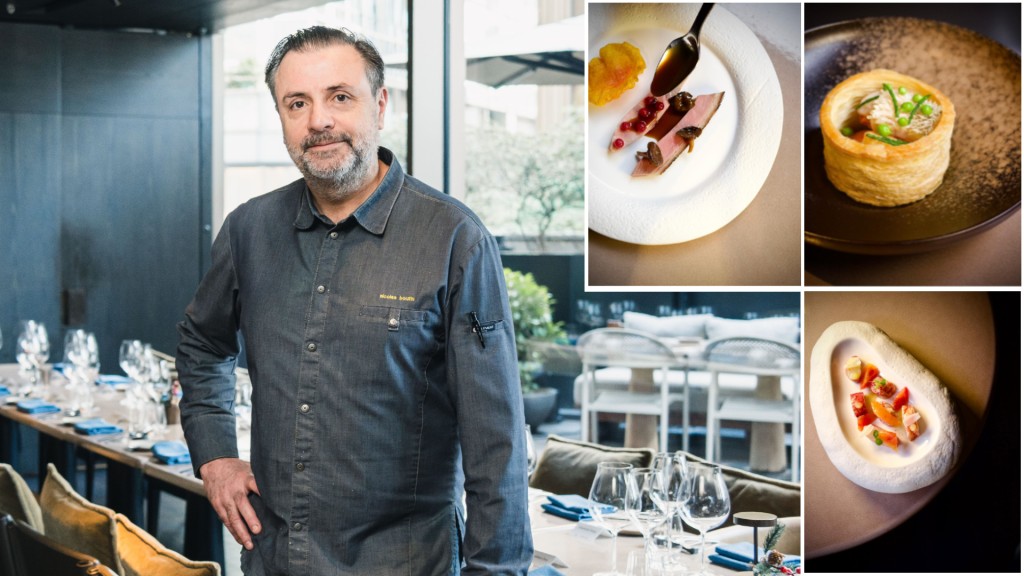
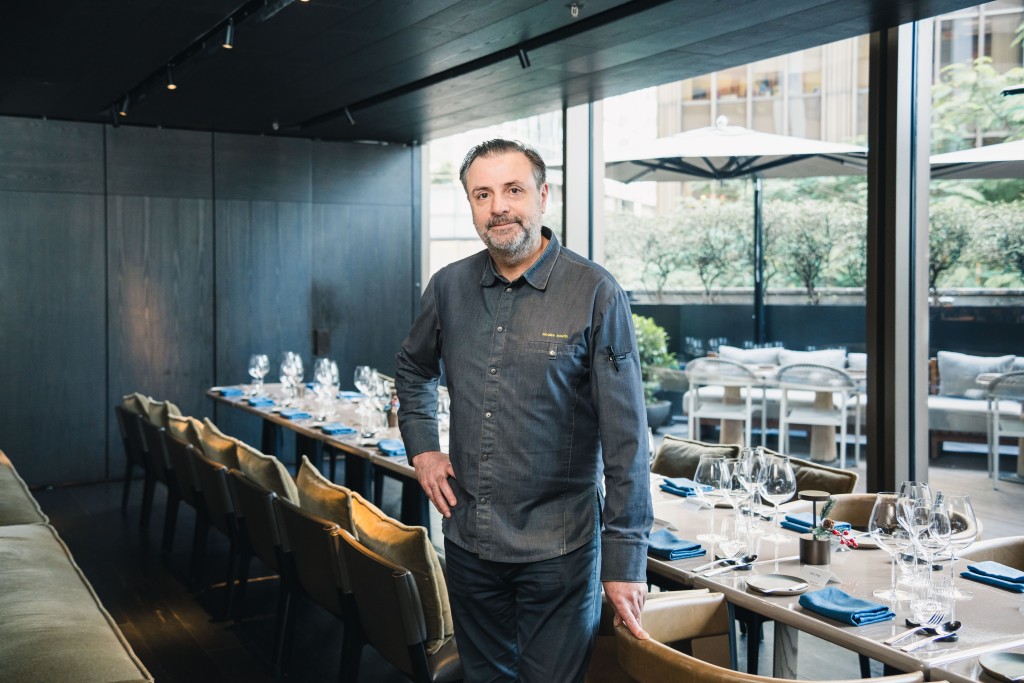
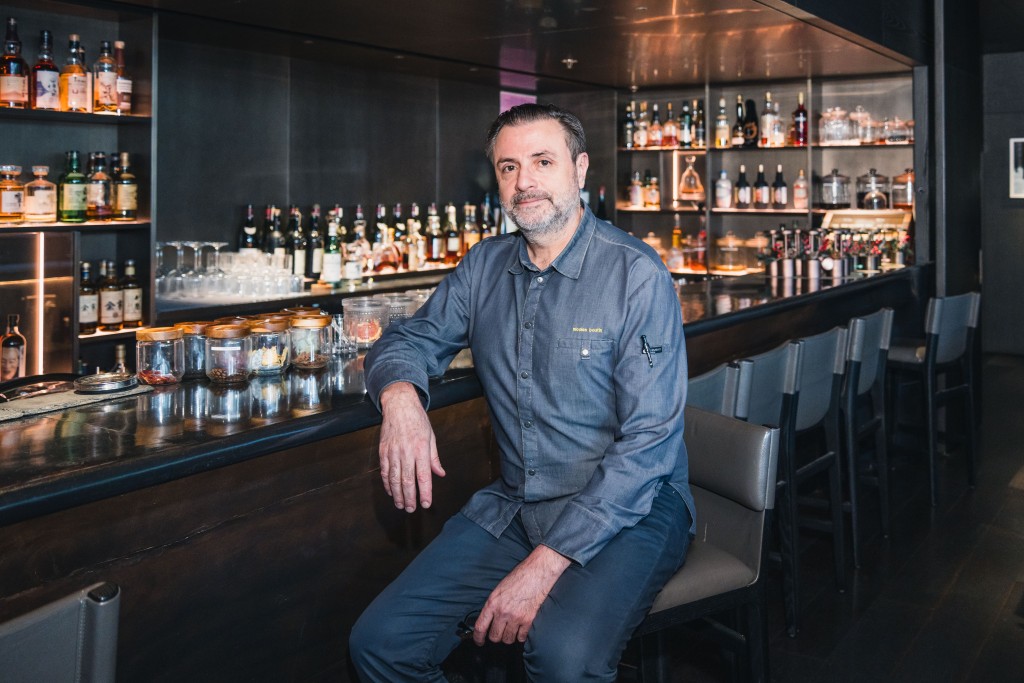
Claiming stars seems like a hard task, but not for French chef Nicolas Boutin, who has worked in Hong Kong for over 14 years and has led two restaurants earn Michelin one-star ratings.
ADVERTISEMENT
SCROLL TO CONTINUE WITH CONTENT
In a city where culinary excellence is fiercely contested, Boutin's knack for elevating establishments to starred status showcases his mastery, turning simplicity into stardom, one plate at a time.
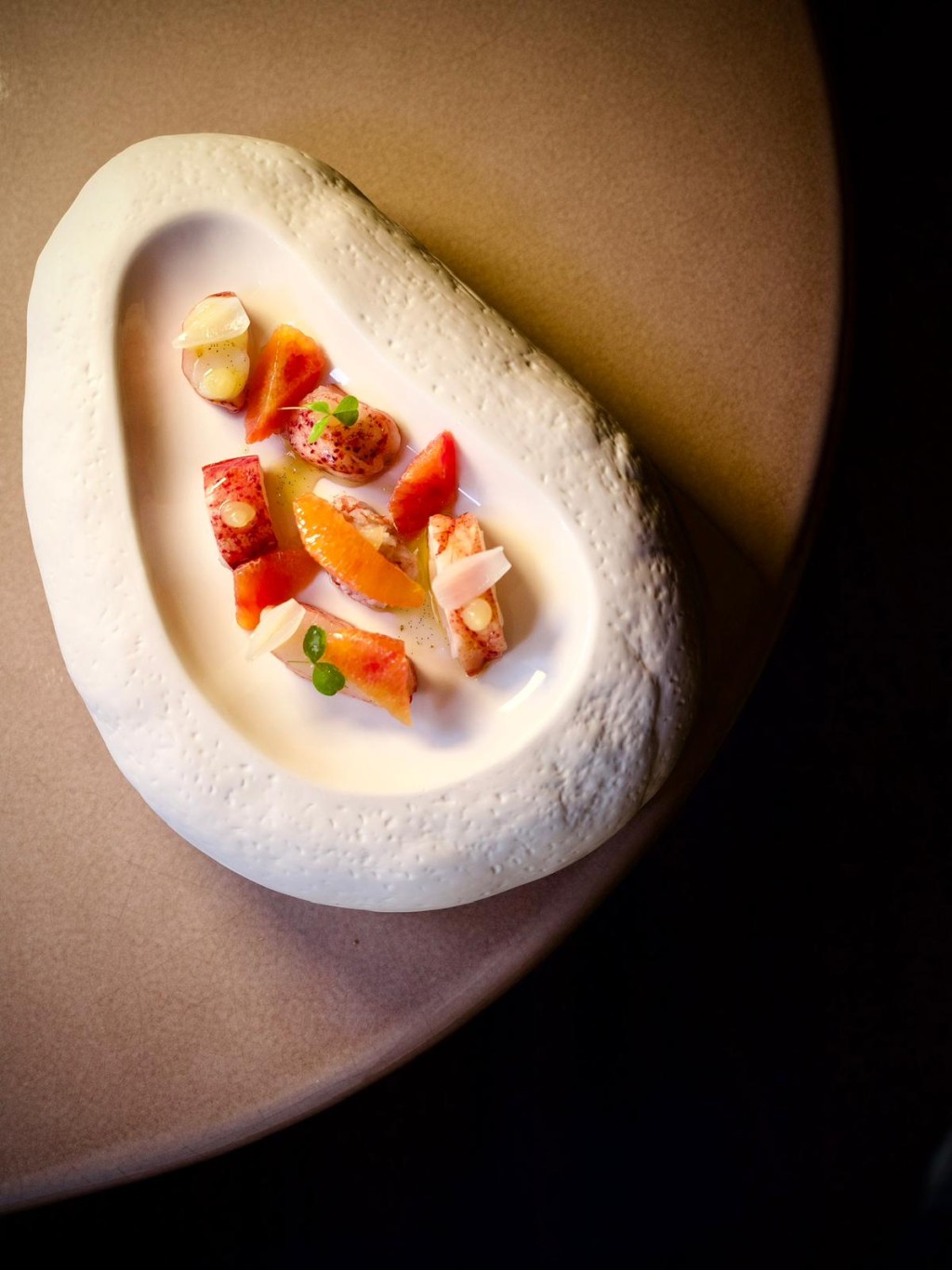
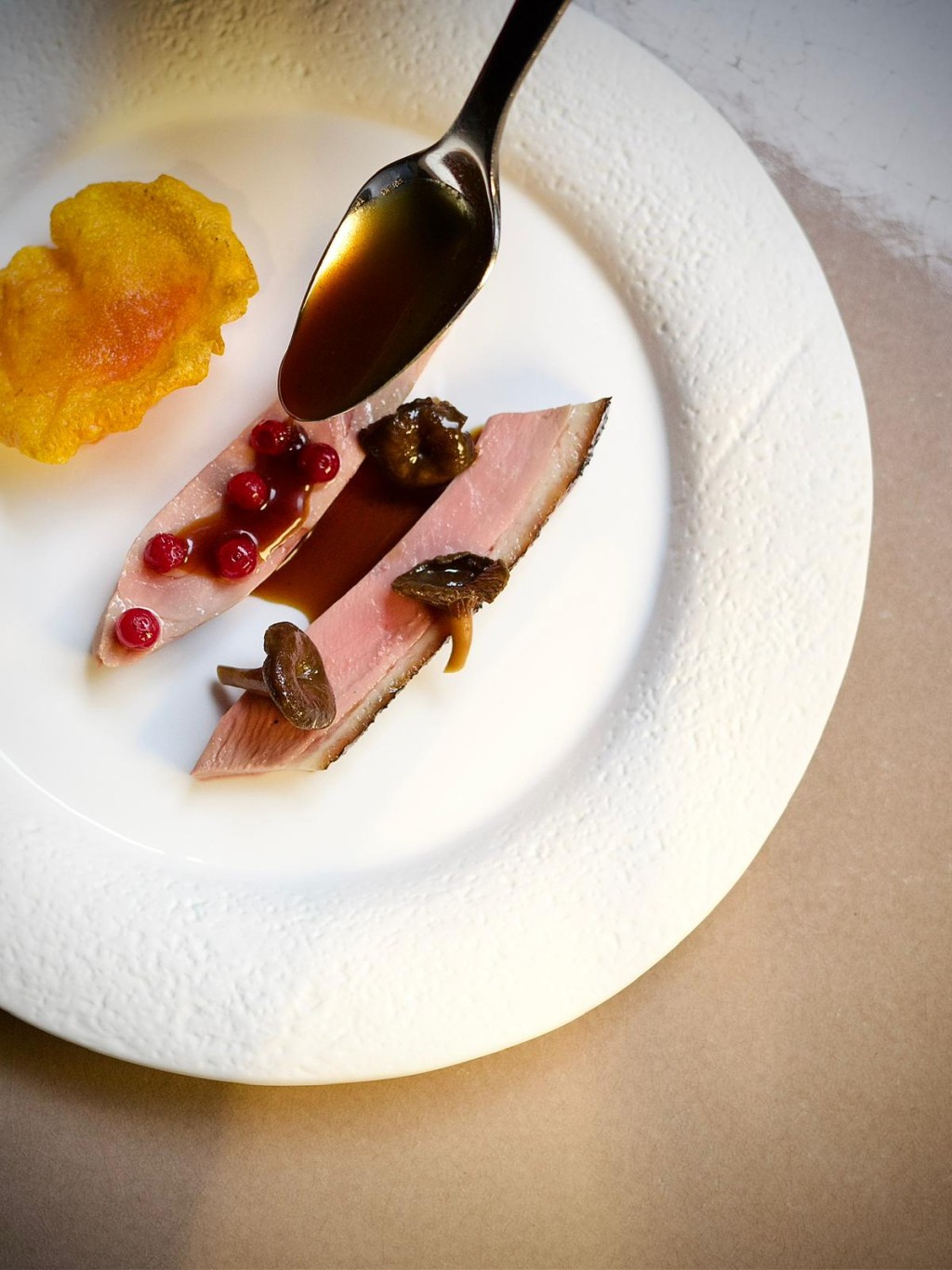
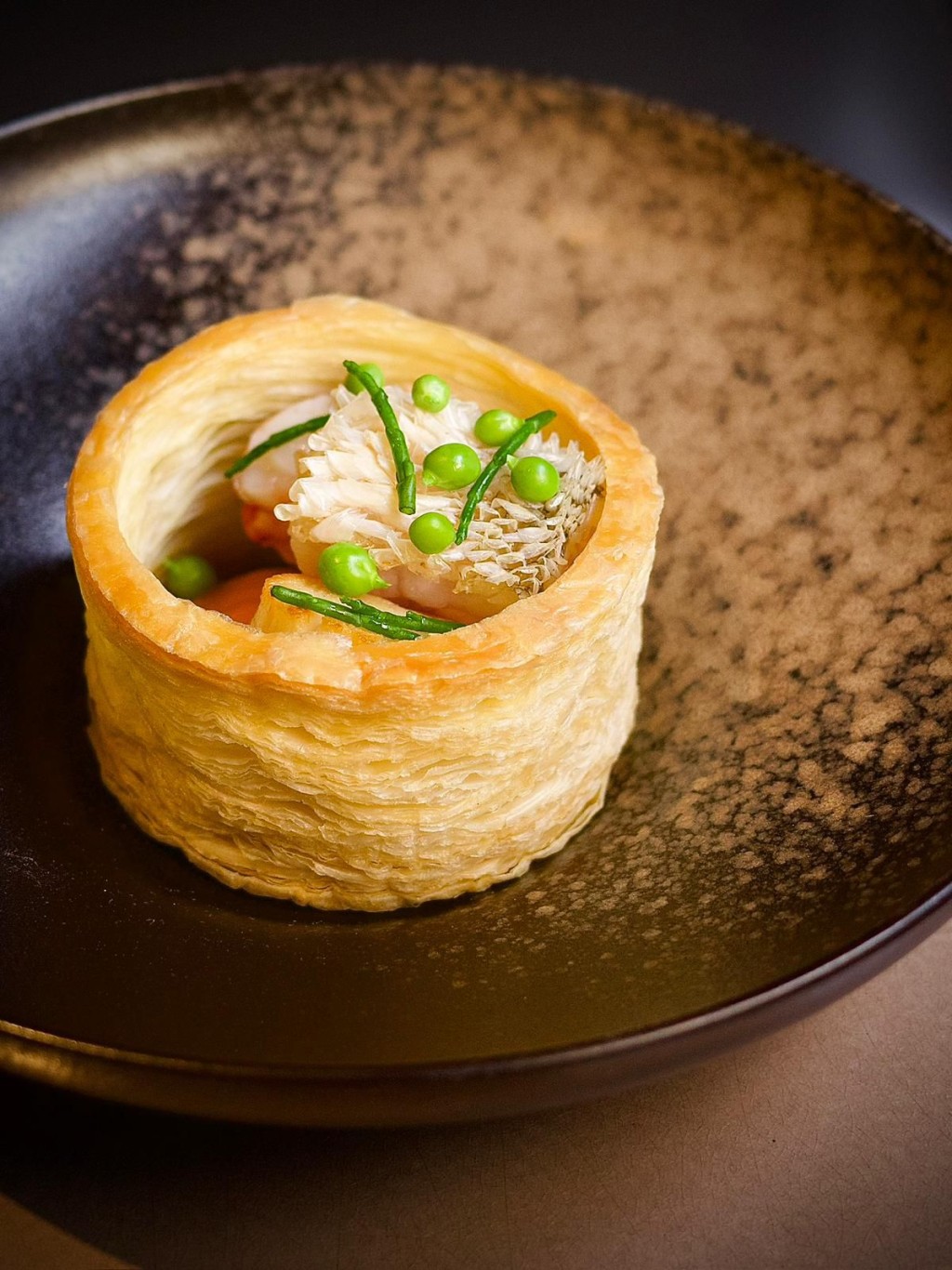
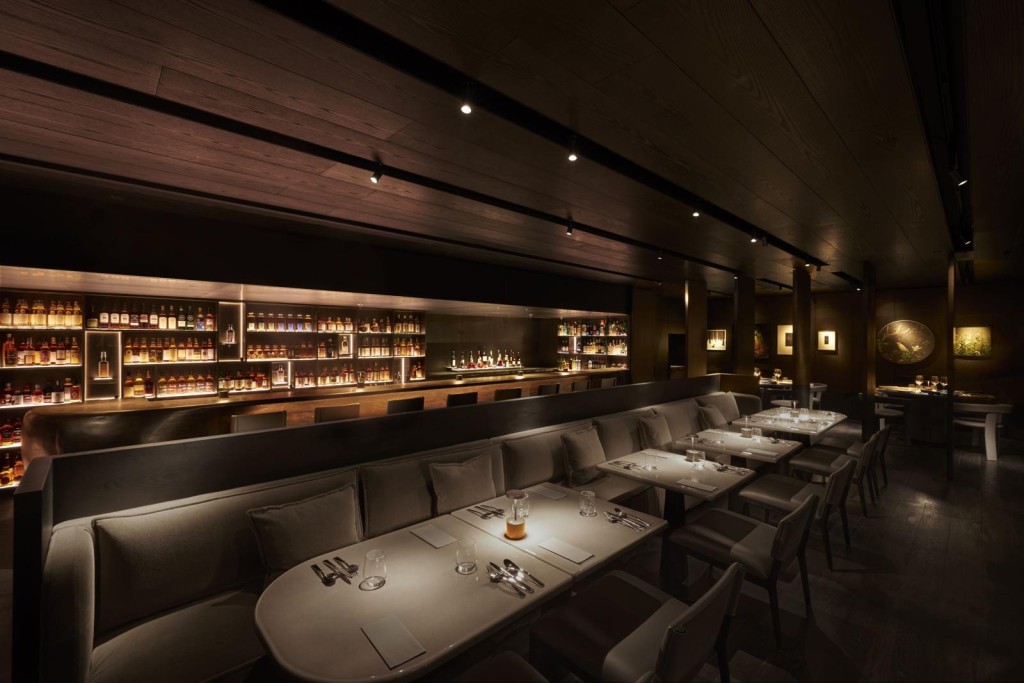
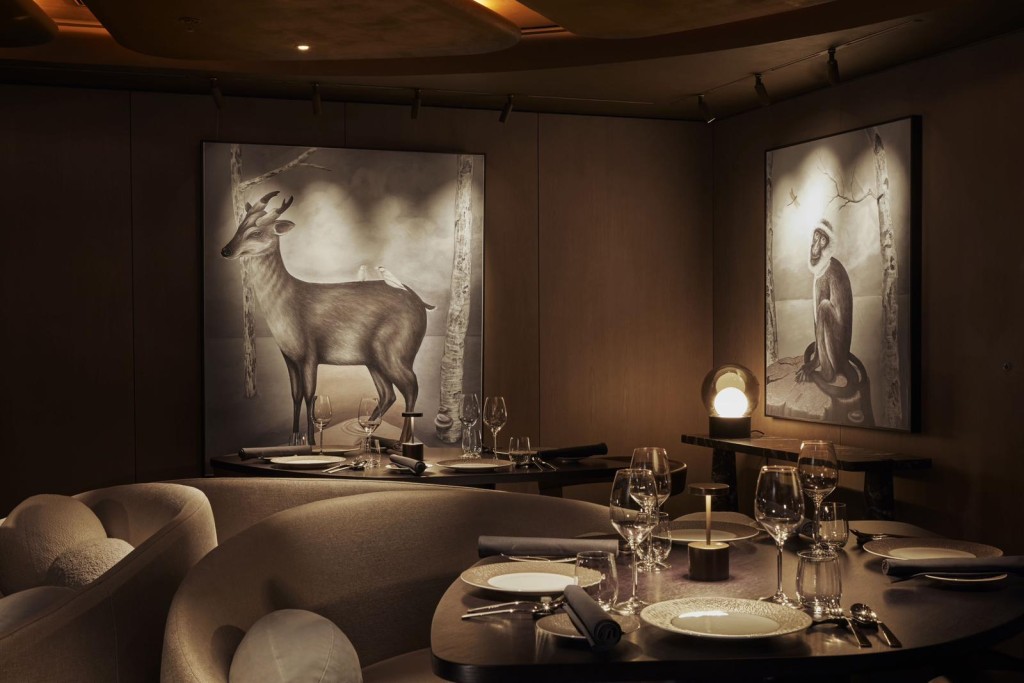
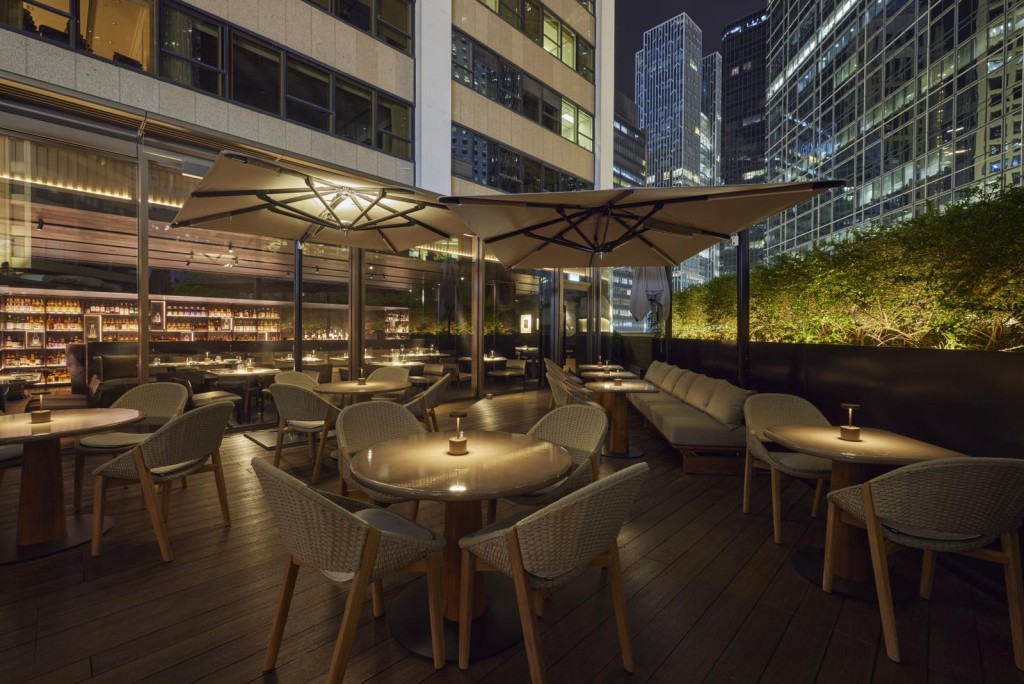
"It's complicated to do simple food," said Boutin, executive chef at Ami Restaurant. Nestled in the heart of Central, the restaurant offers exquisite modern French cuisine served in a stylish dining environment.
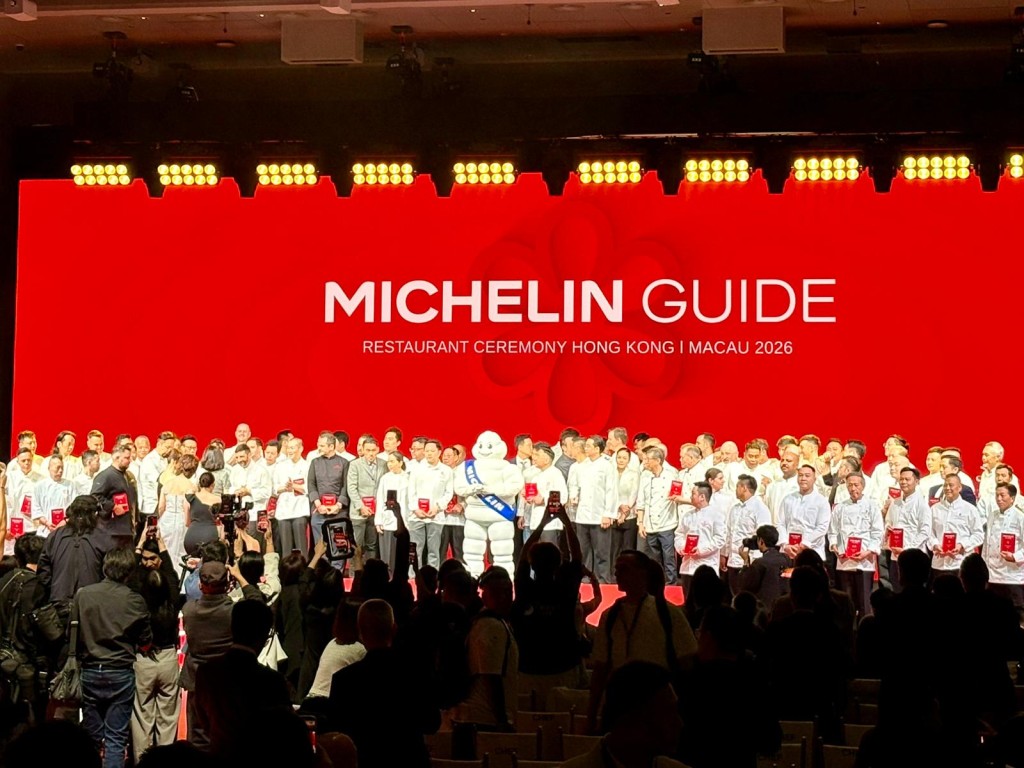
It was awarded a Michelin one-star in 2025, following Boutin's leadership at Épure, another restaurant under the Gourmet Dining Group, which achieved the same accolade in 2017.
+2
Boutin’s cooking philosophy is deeply rooted in simplicity, with an unpretentious approach that focuses on the main ingredients while playing around with several other ones.
His career began at the age of 14, when he realized he preferred a more hands-on life working experience over academic studying in the classroom, and started in butchering.
It was two years after that that he discovered cooking as a lifelong passion while finishing his apprenticeship in a restaurant, realizing that he was "eager" to cook.
He has since worked at three-Michelin-starred restaurants as well as traveled around the globe working in restaurants at top hotels.
The opportunity to come to Hong Kong arrived in 2005, after he finished his role as chef de cuisine at Raffles Resort on Canouan Island. He was invited by a friend to open the Landmark Mandarin Oriental as executive sous chef.
"I did like Hong Kong very much at the time," Boutin said. "Hong Kong has a huge variety of restaurants from different countries that some countries don't have."
He praised the convenience of living in the city, which is well known for its busy yet efficient lifestyle. "Even with the French consulate, it's easier to do paperwork here than if you are in France," he said with a smirk.
Hong Kong's convenient geographical location also facilitates Boutin’s career as a chef, as he highlights that it provides easy access to various ingredients compared to other locations, such as Canouan Island and Bordeaux, where he had to struggle with access to diverse ingredients.
This convenience allows him to focus on the food and the dishes instead of worrying about the demanding and complicated logistics in a management role at the restaurant.
Following only two years in Hong Kong, Boutin was promoted to executive chef at the Mandarin Oriental Boston and later worked for Four Seasons and Hilton. But he didn't hesitate to return to Hong Kong when the second opportunity came.
Since he returned to Hong Kong in 2013, he has led the contemporary French cuisine restaurant Épure and later shifted focus to Ami, which opened during the pandemic and quickly raised its name in the Hong Kong French restaurant scene.
Boutin believes that the success of Ami comes from staying sharp on the concept of the restaurant with space for flexibility.
He refers to the lunch menu at Ami, which they have been offering for around one to two years until now, providing more options for appetizers. The approach offers more variety for consumers without affecting the operation of the restaurants, he said.
"Consistency, of course, is the most difficult one," he added. Boutin noted that stable operations daily, the food quality, the team in the kitchen, and the service, especially during busy hours, are also key factors for restaurants to focus on.
While maintaining such consistency is vital for success, Boutin acknowledges that Hong Kong's catering industry is suffering from weak performance despite modest gains during the holidays.
Although rents have remained relatively stable, he explained that the city's high rental costs are forcing some well-visited restaurants out of business.
At the same time, labor shortages within the food and beverage industry have drawn considerable concerns, with the growing export of foreign labor to Hong Kong criticized for worsening the high unemployment rate in the industry.
Hong Kong's seasonally adjusted unemployment rate remained unchanged at 3.8 percent between September and November from the August-October period in 2025, while statistics released last November show that the catering industry’s unemployment rate had fallen to 6.4 percent.
Boutin also shone a light on the other side of the issue, which is that the cost of staffs have become more expensive than ever before.
He recalled that eight years ago, a commis chef position at Épure cost around HK$12,000 to HK$14,000. However, candidates now request HK$20,000 to HK$24,000 for the same position, while restaurants are having a hard time even finding a commis chef since most job seekers want the next position up.
This escalation in labor costs, which reflects wider economic pressures, has made value-for-money pricing an even greater priority for restaurants, Boutin emphasized.
"Be aware of what's going on around you to adapt yourself to the pricing," he said. "Pricing is something we are always looking at.”
In navigating these industry-wide pressures, Boutin hopes to remain focused on looking ahead of the current achievement, staying alert to other similar restaurants’ strategies, and especially challenges brought by new openings coming up.
"Everything is important," he said. "To make sure people remember you, find a way so they can come back."