With the recent geopolitical developments affecting our relationship with our traditional trading partners, the Belt and Road Initiative, formulated some 10 years ago, aims to develop new markets along Northwest Asia, East and Central Europe and Asean states.
This initiative encompasses a wide range of activities, from economic and infrastructural development – boosting trade growth – to cultural exchange and promotion. It will create significant new opportunities for the next generation in employment and business.
But to encourage our young students to take an interest in these new regions, much effort is needed to motivate them to visit and learn there. It is therefore gratifying to see a project organized to facilitate this objective. Founded by a veteran in the financial industry, Dr Wilson Chan Fung-cheung, the Belt and Road Pioneer provides this unique opportunity.
Supporting this project are National People’s Congress deputies Brave Chan Yung, Bernard Charnwut Chan and Herman Hu Shao-ming.
The project offers a comprehensive program to equip participants with essential knowledge about Belt and Road regions, including a visit to a selected country for firsthand experience.
Middle school students are invited to join an annual competition, beginning with short lectures by education, business, and political leaders to learn the fundamentals of trade and relations with these regions. Within hours, competing teams must absorb what they have learned and develop a persuasive presentation for a panel of judges – experienced leaders from various sectors of our industry.
The winning teams not only receive a monetary prize but an opportunity to visit a country along the Belt and Road route.
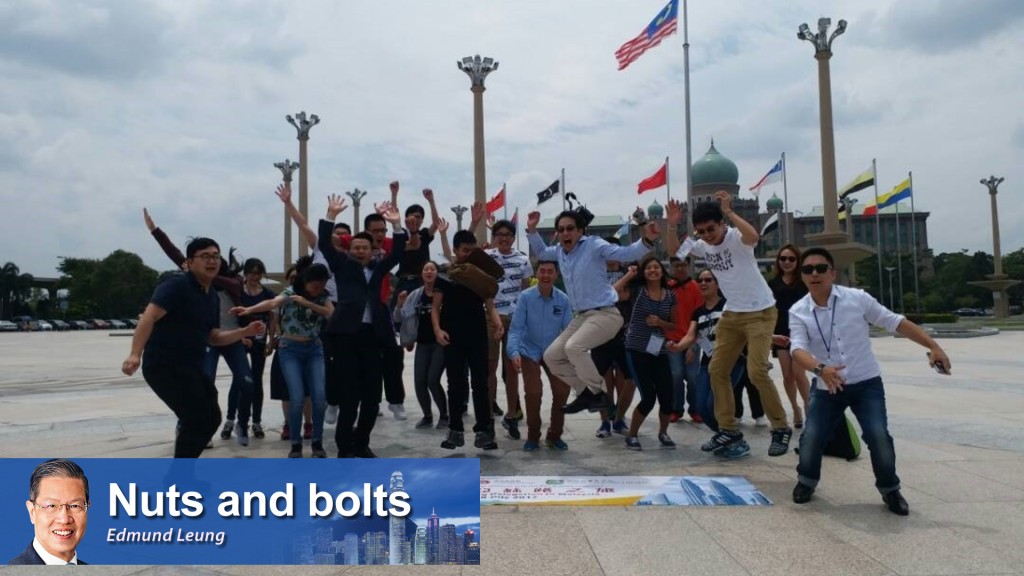
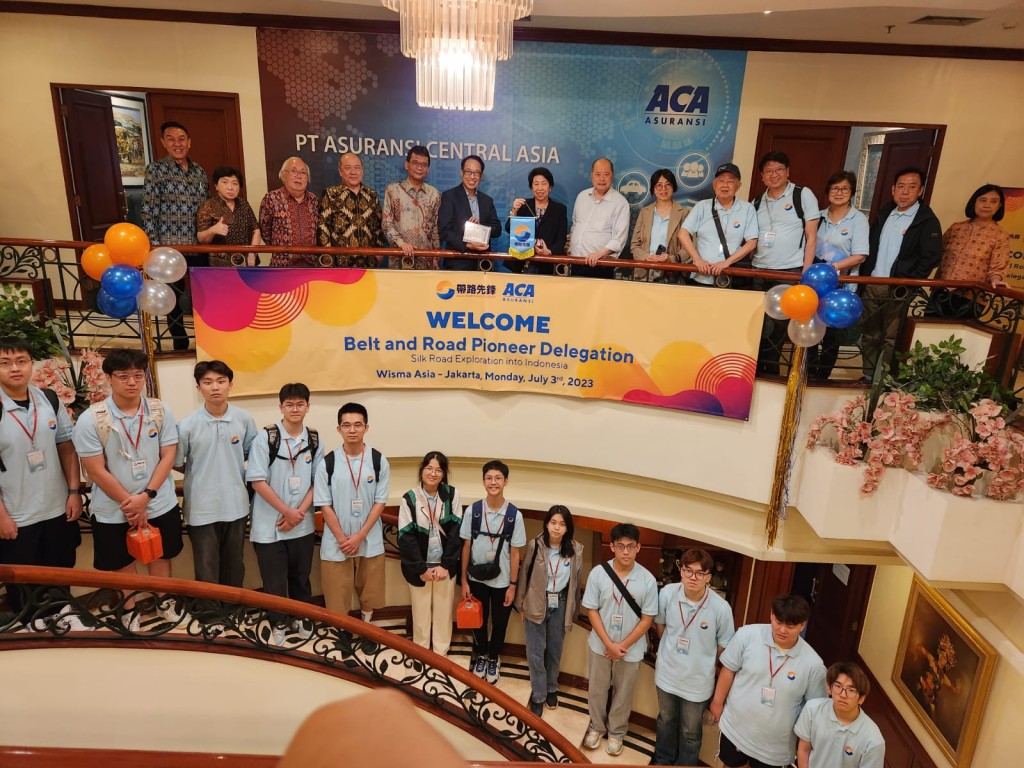
Over the past decade, Dr Chan has led seven delegations to Malaysia, Thailand, Vietnam, Indonesia, Cambodia and Laos (with visits inevitably suspended during the Covid period), building valuable knowledge and relationships in these regions. Some winning-team students have since completed university and now contribute to Hong Kong’s finance and IT sectors as capable young leaders. They nevertheless remain actively involved in the project, frequently returning to help organize events for the next generation of participants.
The program also includes opportunities to visit locations in Hong Kong so that they can compare and connect what they learned from their overseas visits.
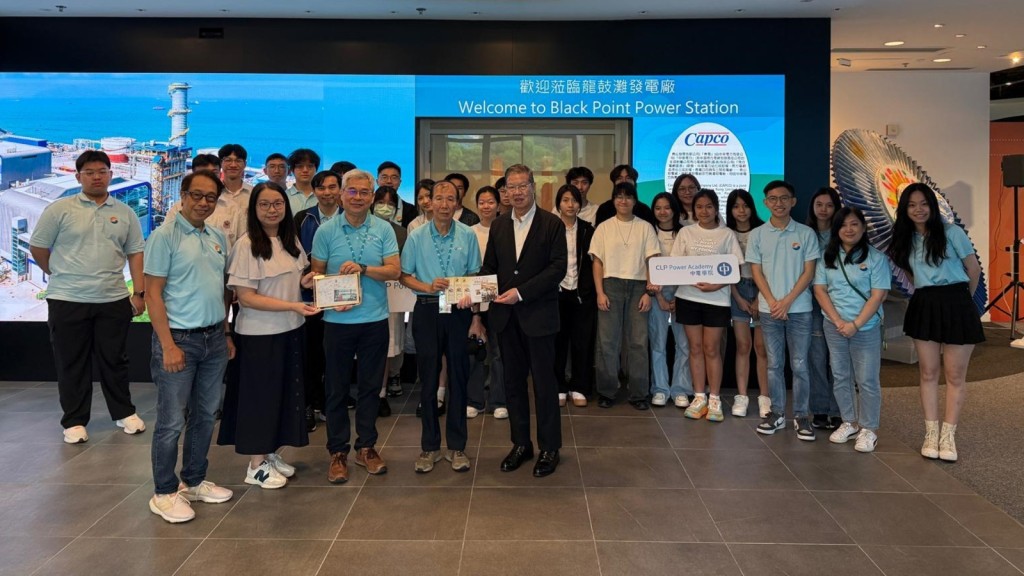
I had the opportunity to join one of their visits – to the CLP Black Point Power Station – and saw how these activities can benefit youngsters.
For example, they learned how natural gas from Northeast Asia can be delivered to South China through long-distance pipelines extending to Hong Kong, ensuring reliable supply for our current electricity generation fuel mix. This supports our plan to reduce coal usage and lower carbon emissions, helping achieve Hong Kong’s 2050 carbon neutrality goal. As one of the Belt and Road Initiative’s key projects, this west-to-east natural gas transmission system is not only visible but already operational in Hong Kong.
The students learned the basic principles of electricity generation and understood why Hong Kong requires an exceptionally reliable power supply. Given our dense urban environment with numerous high-rise buildings, power outages pose serious risks – such as people becoming trapped in elevators – beyond being a mere inconvenience. Such disruptions could also result in significant financial losses for businesses across the city.
The youngsters also learned how we can use natural gas for power generation despite their relatively higher costs compared to coal-firing and use of nuclear power.
The increased efficiency of the combined cycle gas turbine system, which is almost twice that of the conventional coal-powered steam plants, not only allow the power tariff rates to be kept at similar level but offers a significant reduction in carbon emission and air pollution.
The gas turbine plants can also start and stop at a much shorter time to better match the rapidly changing power demand of consumers.
While some students may pursue business or economics rather than engineering, the technical knowledge they gain will provide valuable insights into broader aspects of everyday life, helping them advance in their future careers.
Students must grab every opportunity to broaden their horizons beyond their immediate surroundings. By understanding Hong Kong’s connections with key regions like the Belt and Road Initiative and the Greater Bay Area, they will not only gain more career opportunities beyond the city’s borders but also contribute to business and cultural exchange with these growing regions.
I only wish these students, and their peers, will appreciate how fortunate they are to be living in Hong Kong and getting these unique opportunities to see the future world.
Veteran engineer Edmund Leung Kwong-ho casts an expert eye over features of modern life