Read More




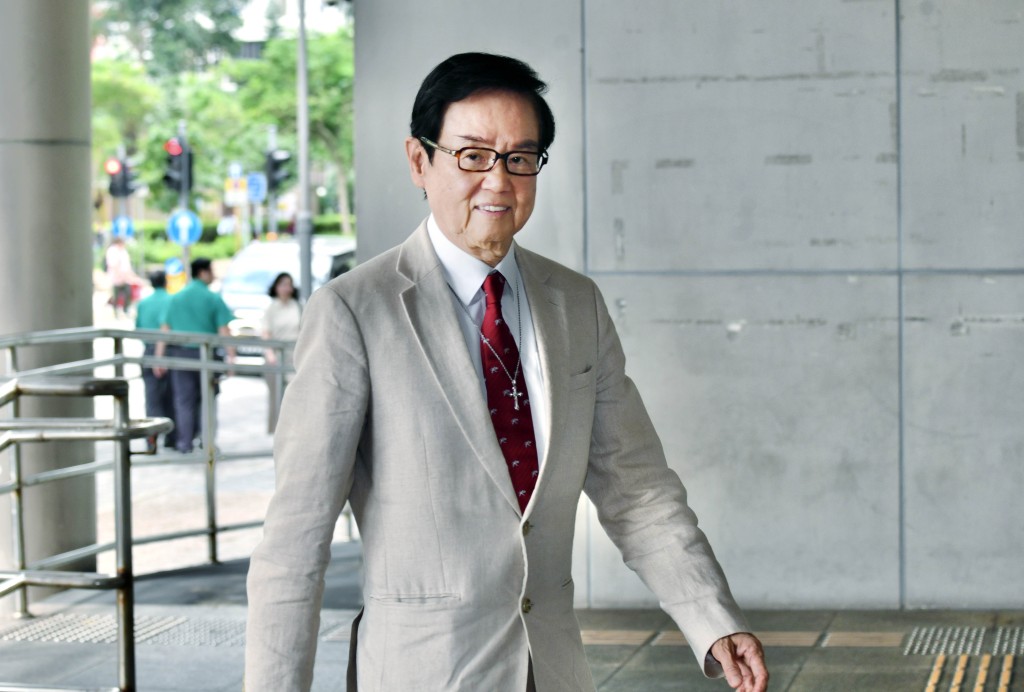
HK movie producer Raymond Wong Pak-ming convicted of insider dealing
22-05-2026 17:10 HKT

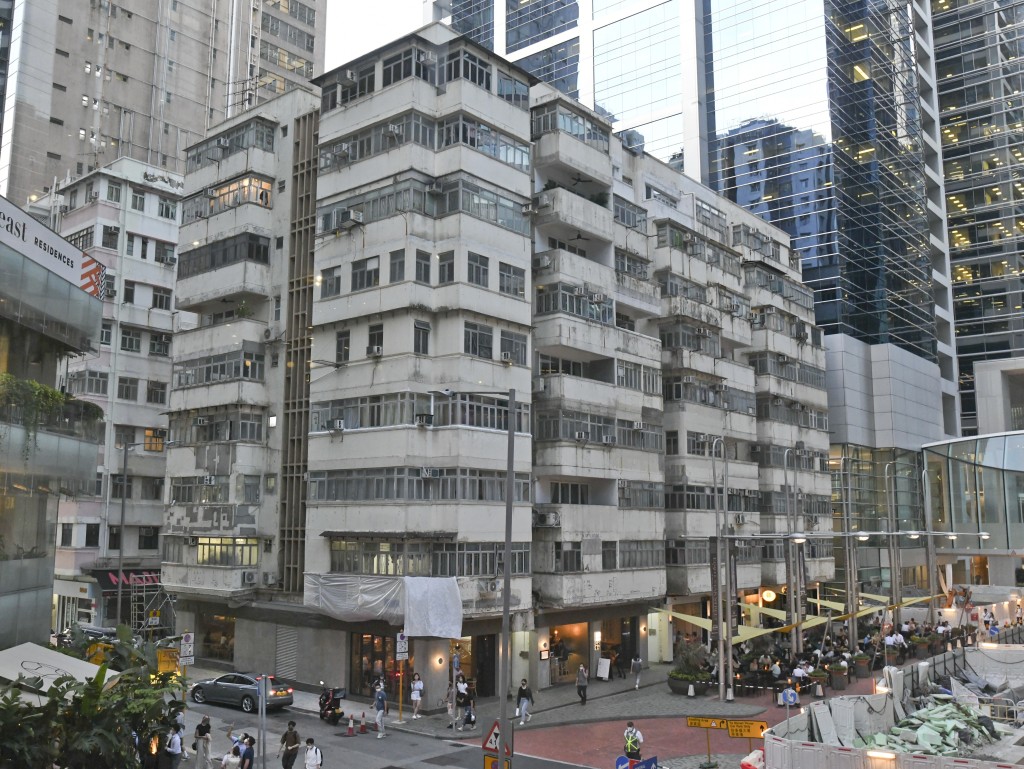
Swire Properties wins compulsory auction for $2.02b Quarry Bay property
22-05-2026 20:36 HKT
All sports must continue to achieve on the international stage to maintain their Tier A status despite a more flexible ranking mechanism, says Elite Sports Committee chairman Cheng King-leung.
Cheng said the committee unanimously approved new criteria allowing sports that have participated at least thrice in the Olympics or Asian Games since 1997 under the "Hong Kong, China" name to qualify for Tier A status.
"But with host nations frequently changing event lineups, it would be regrettable if sports lost funding due to factors beyond athletes' control," Cheng said.
The committee also added major international tennis events such as the Grand Slams, Davis Cup and Billie Jean King Cup, as an evaluation metric. "Without world championships, tennis lacked one scoring category," Cheng noted. "Now, reaching the top three in Grand Slams will count - an extremely demanding standard that reflects our athletes' potential."From April, all elite athletes will receive an 8.3 percent funding increase, with the Senior Squad monthly allowance rising from HK$7,130 to HK$10,000, which Cheng said stays within the Sports Institute's budget while better supporting athletes.
Lawmaker Vincent Cheng Wing-shun, also a member of the Sports Commission, said the HK$10,000 monthly subsidy represents initial support designed to enhance athletes' career development opportunities.The Sports Institute also provides a complete support "package" with housing, training facilities and meals, and athletes can supplement this through university scholarships and other funding sources, Cheng added.
Vincent Law Wing-chung, chairman of the Billiard Sports Council of Hong Kong China, said players and coaches can temporarily "breathe a sigh of relief" but must keep delivering results to maintain elite funding.He said snooker's elite status since 2009 has nurtured stars like Ng On-yee, warning that demotion would have slashed 80 percent of funding, forcing the snooker program to leave the institute and lose critical support, including coaching and accommodation services.