Read More
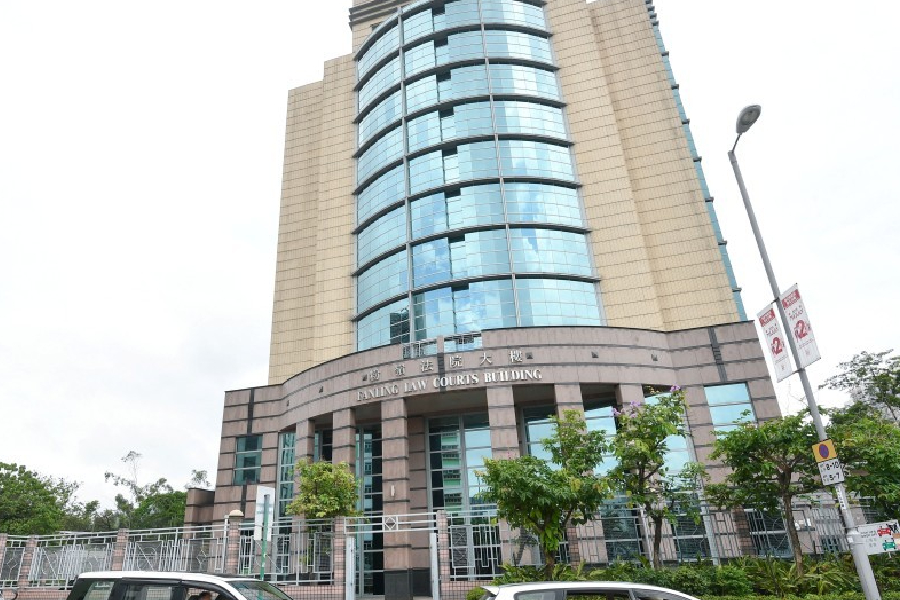





A non-binding motion urging stronger protections for employee mental health was passed by the Legislative Council yesterday, while proposed amendments to introduce the "right to disconnect outside working hours" faced sharp pushback from pro-business members.
"The absence of legal recognition for psychological injuries leaves employees struggling to prove direct employer negligence," Ng said, adding that over 25 percent of employees suffer from work-related mental health issues.
The amendment was rejected by a 32-12 vote margin, with 31 abstentions.
The motion proposed by Ng was passed 64-0 margin, with 11 abstentions.Secretary for Labour and Welfare Chris Sun Yuk-han acknowledged mental health is a priority but cautioned against "rigid, one-size-fits-all measures" as personal circumstances could also be a factor.
For the industrial sector, Jimmy Ng Wing-ka said education and guidelines - not legislation - hold the key and warned that mandated disconnection rights or working hours could disrupt operations.The catering sector's Tommy Cheung Yu-yan slammed the amendments as "disguised moves to revive standardized working hours" - a long-contested proposal rejected in 2018.
He said such rules would exacerbate labor shortages and hurt competitiveness, citing US minimum wage policies as examples of "overregulation" that have forced businesses to move abroad.