Read More





Staff reporter
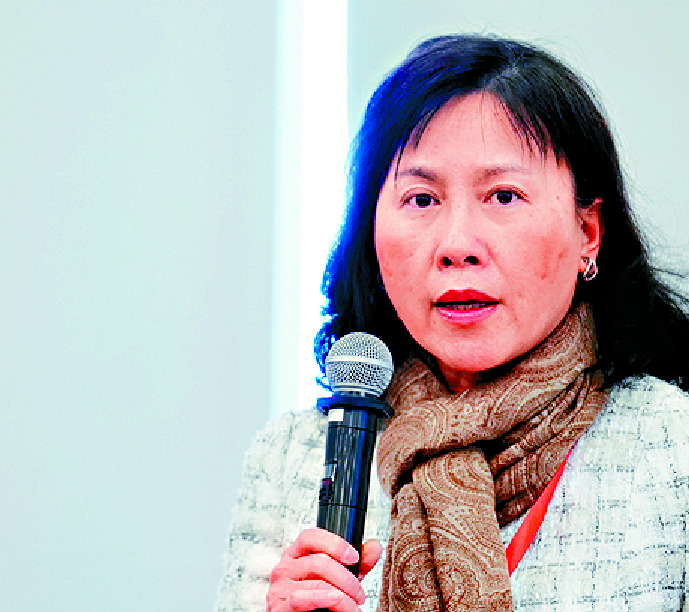
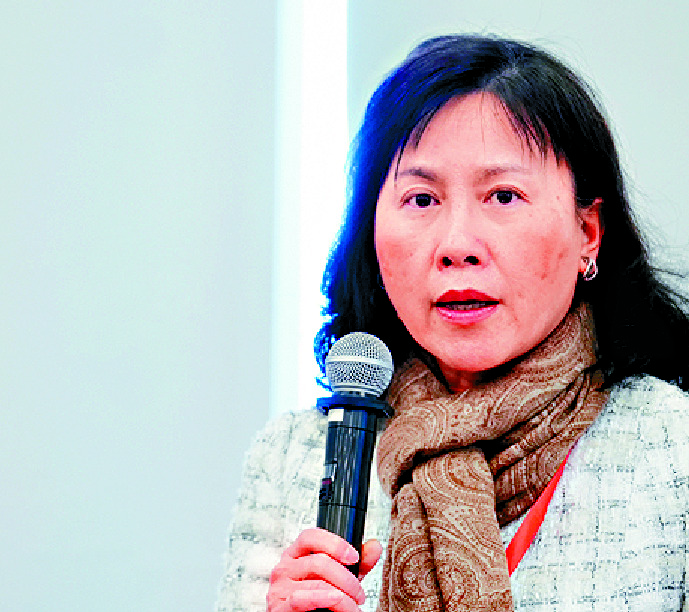
Hong Kong is rapidly developing its low-altitude economy and citizens will be able to witness the tangible outcomes as projects under a sandbox launch progressively in the first quarter, says Secretary for Transport and Logistics Mable Chan Mei-bo.
The city must actively seek new opportunities in this emerging industry and proactively integrate into the country's development, Chan told the summit.
The government has set up a working group on developing the low-altitude economy and launched a regulatory sandbox program, to explore and test different technologies and infrastructure requirements under a safe and controlled environment while expanding the application scenarios, she said, adding that this will help support the authorities in developing policies and regulatory guidelines.
The government had received a total of 72 pilot project applications when the application period ended last year, Chan said, adding that the applications involve both local and mainland enterprises from industries such as logistics, public services, and scientific research, as well as academic institutions.
A comprehensive review of relevant laws and infrastructure planning will be conducted based on the pilot results, and the government will prepare a preliminary blueprint for cross-border low-altitude corridors in the GBA, the secretary said.
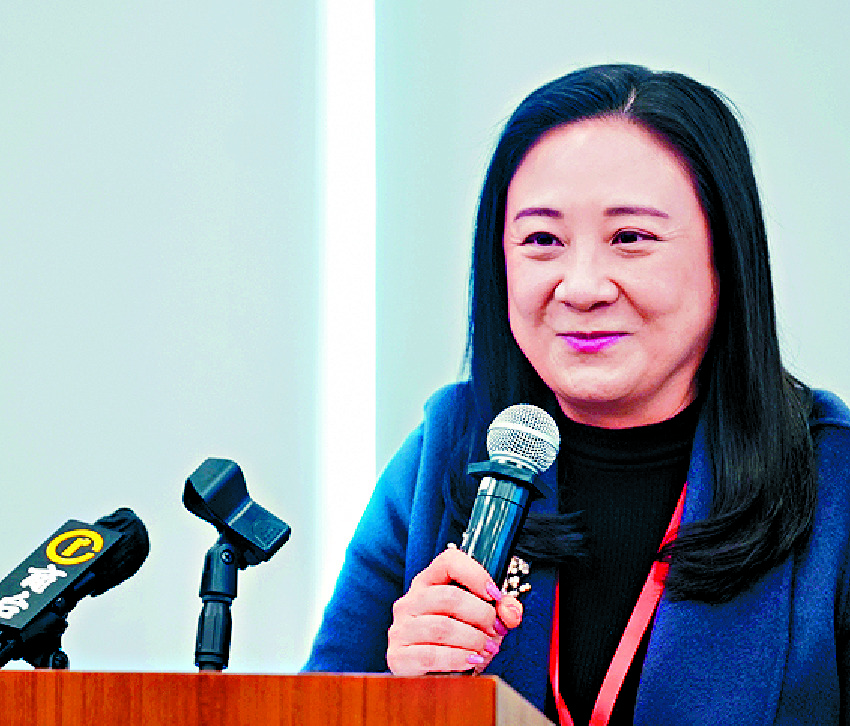
Also at the summit, the Greater Bay Area Low-Altitude Economy Alliance, which lawmaker Elizabeth Quat Pei-fan chairs, signed a strategic cooperation agreement with the Shenzhen Aviation Association to foster collaboration in the low-altitude economy industry.
Quat highlighted that the low-altitude economy is a part of China's new quality productive forces initiatives, representing a dynamic and rapidly growing frontier with significant potential to drive industrial upgrades.
Quat called for collaboration among GBA governments, enterprises and academic institutions to promote innovation and development in the low-altitude economy.
By integrating resources and fostering cooperation in areas such as information sharing, technology research and development and standard-setting, she aims to establish an interconnected, highly efficient low-altitude economic ecosystem.
This would enable the comprehensive development of low-altitude transportation, logistics, and other industries within the GBA, positioning the region as a global leader and model in the low-altitude economy, Quat said.