Read More






Morning Recap - September 17, 2026
6 hours ago



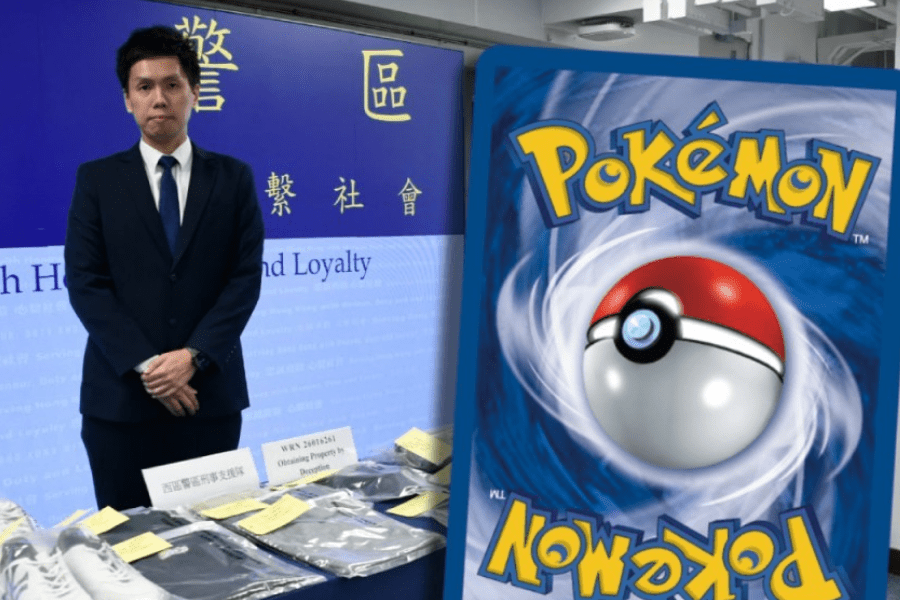
Four arrested over Pokémon card scams involving $101,000
15-09-2026 18:26 HKT
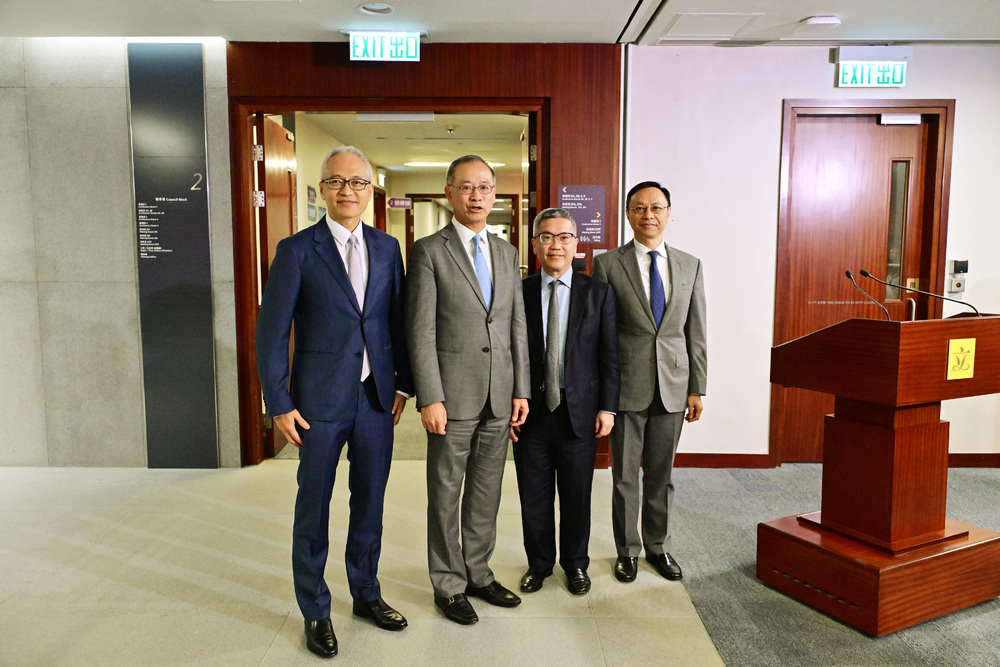
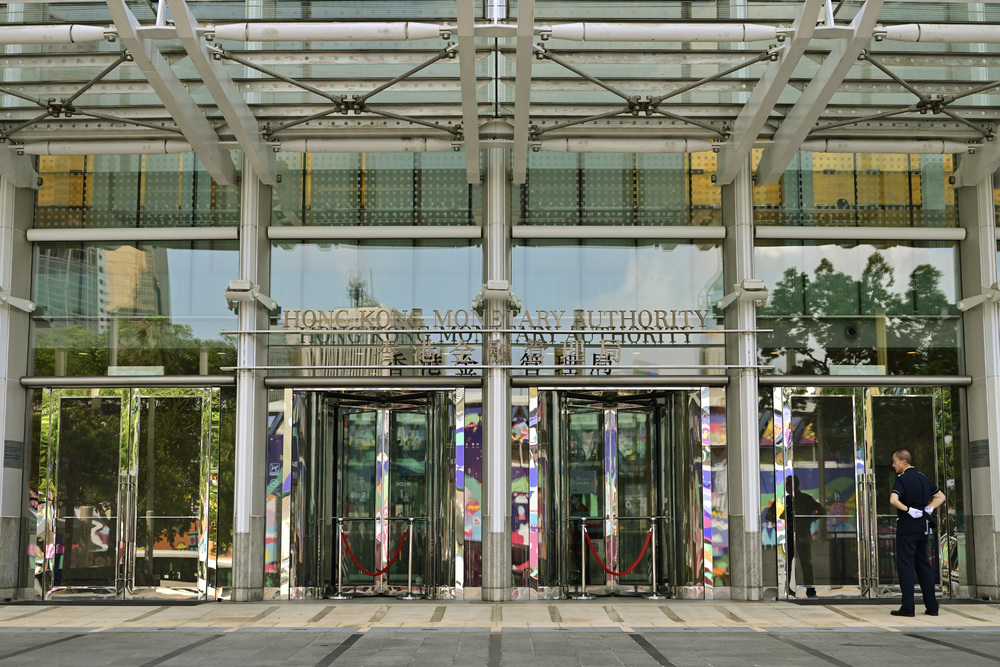
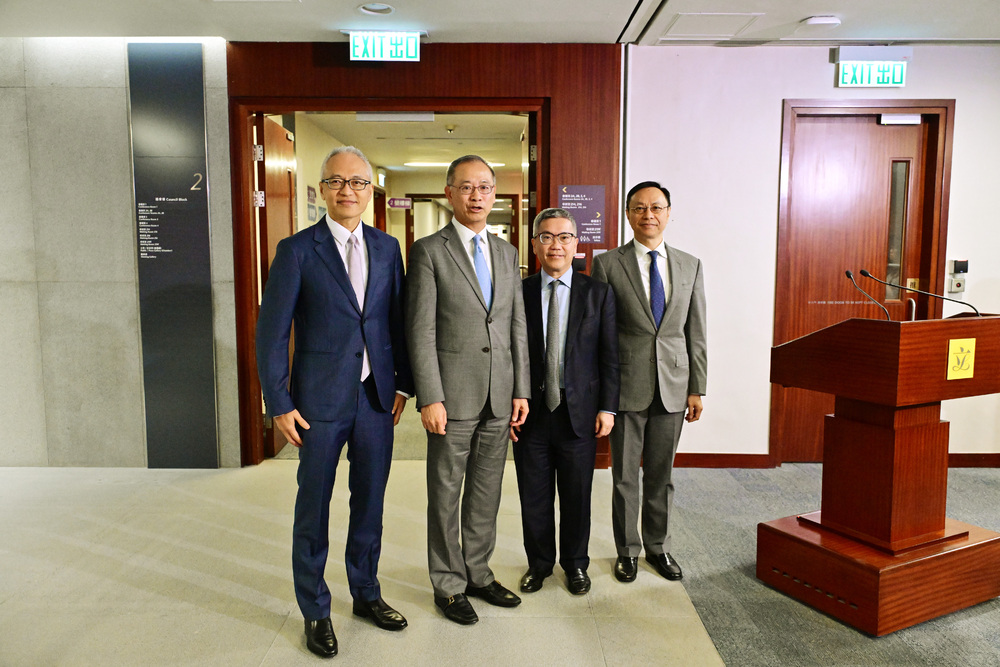
The Exchange Fund earned HK$54.3 billion from investments in the first quarter, but the Hong Kong Monetary Authority forecasts a cloudy outlook with the uncertainty surrounding the US interest rate cut and tensions in the Middle East.
The gains mainly came from equities outside Hong Kong, which jumped more than 42 percent yearly and about 10 percent quarterly to HK$36.3 billion.
Bonds posted earnings for the sixth consecutive three-month period to HK$25.1 billion, though it was down by 43 percent year-on-year and 65 percent quarter-on-quarter.
Notably, Hong Kong equities suffered losses for the fourth consecutive quarter of HK$2.3 billion in the past three-month period.
But quarterly losses in the local stock market narrowed by 54 percent.
Facing a complicated environment, the HKMA will continue its highly defensive strategies to ensure assets remain liquid enough in case of various financial risks, said chief executive Eddie Yue Wai-man.
The benchmark Hang Seng Index lost around 3 percent in the first quarter. But it has rebounded over 12 percent so far in the second quarter to hit a new eight-month high of 18,578 points yesterday after rising for 10 consecutive trading days.
Yue reiterated that the Exchange Fund - which mainly works as reserves - must invest in overseas assets to safeguard the stability of the Hong Kong dollar.
In the first quarter, Hong Kong's residential mortgages in negative equity - in which a loan is higher than the value of a home - rose to 32,073 cases as of March, hitting a 20-year high.
The default ratio jumped from 0.03 in December to 0.06 percent as of March.
Yue explained the doubled delinquency ratio actually only involved about a dozen cases, with the number of negative equity cases expected to stabilize after housing curbs were removed at the end of February.
Deputy chief executive Howard Lee Tat-chi said the Special 100 percent Loan Guarantee scheme for smaller local businesses posted a bad loan ratio of 7.5 percent as of mid-April.
It was higher than other supportive schemes, mainly because banks were not given time to conduct adequate credit reviews due to its hasty implementation.
While Yue expects the economy to continue its recovery, the city's purchasing managers index dropped by 0.3 monthly to 50.6 in April, indicating a loose growth foundation, said S&P Global. Morgan Stanley also expected retail sales to fall 10 percent yearly in April, faster than March's 7 percent.
In terms of local banks' exposure to mainland developers, Yue estimates the ratio of involved loans could keep rising but said "it is not really high and risks are controllable."
The HKMA also said it has already received 50 to 60 attendance confirmations for the Global Financial Leaders' Investment Summit in November.
themis.qi@singtaonewscorp.com