Read More








Night Recap - June 1, 2026
4 hours ago




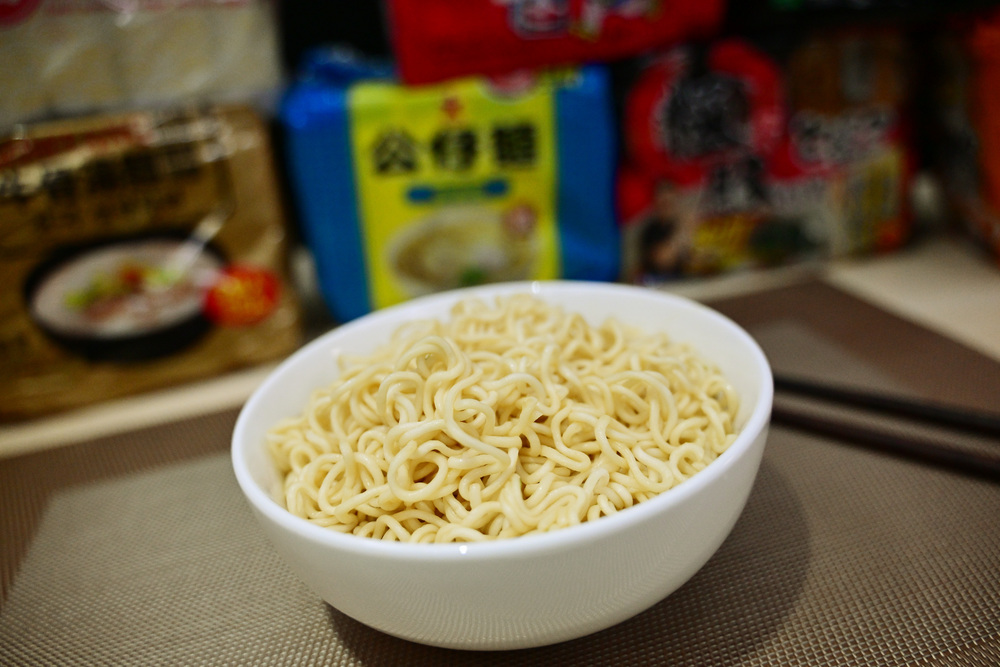
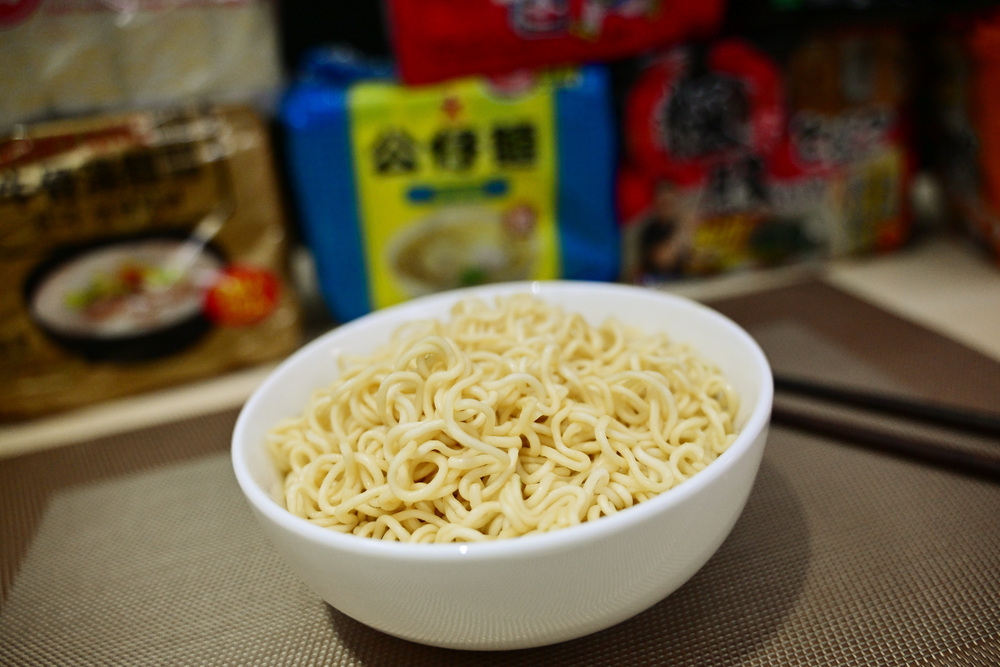
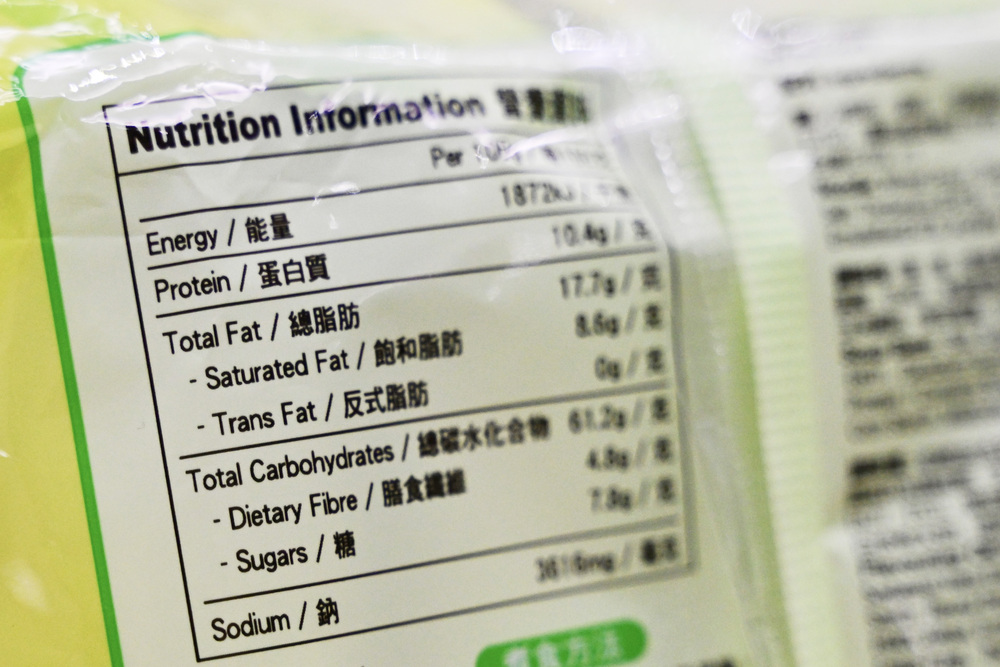
All 19 instant noodle samples tested by the Centre for Health Protection exceeded the World Health Organization's sodium intake suggestion for an adult per meal.
And nine were higher than the fat intake suggestion for an adult per meal, the Consumer Council revealed.
The samples included 14 fried and five non-fried noodles, with the highest sodium intake of 2,477 milligrams from consuming one serving of Kung Tak Lam Vegetarian Noodle (mushroom). That was almost 24 percent higher than WHO's recommended intake limit per day for adults of less than 2,000mg.
Even the sample with the lowest sodium content, from KikiAromatic Scallion Noodles, contained 1,509mg, accounting for 75 percent of the recommended limit.
Council chief executive Gilly Wong Fung-han said: "It was out of our expectation that non-fried noodles, the seemingly healthier option, contained more sodium than fried noodles."
The average total fat content of fried dried noodles was 13 times higher than that of non-fried samples, while saturated fat content of fried dried noodles was 18 times higher than for non-fried samples.
Nine samples of fried dried noodles already contained saturated fat intake exceeding the CHP's recommended daily saturated fat intake per meal for adults of 7.4gm.
Seventeen samples, or 90 percent, contained probably carcinogenic contaminants - 3-MCPD and glycidol.
Three samples - Kung Tak Lam Vegetarian Noodle (mushroom), Meadows Tom Yum Flavour Instant Noodles and Mamee Pepper Noodles - had levels of contaminants higher than the European Union limit for vegetable oils, which is 1,000 micrograms per kilogram.
But Hong Kong and the EU have not set maximum limits for levels of 3-MCPD and glycidol in instant noodles and accompanying seasonings.
The watchdog urged tighter control over the quality of raw materials and production process of instant noodles to reduce levels of 3-MCPD.
The consumer watchdog also said nearly 70 percent of 13 induction cooker models sold in Hong Kong failed to comply with international standards of a slow fire, and some performed poorly when both burners were turned on.
The council tested 13 double-hob models, including three newer models from brands such as Whirlpool, Asko and Hibachi.
It found the heat control of two models were unsatisfactory when both hobs were turned on, and cooking oil could not be heated to a specified temperature even after 45 minutes.
The heat distribution of six models was not uniform as heat was concentrated at front and rear areas, which might result in different degrees of a food's cooking time.
Nearly 70 percent of models failed to meet international standards on low power control, resulting in inferior low-heat cooking performances.
The results have been forwarded to the Electrical and Mechanical Services Department.
The council said manufacturers should improve quality control and consumers should consider performance and energy efficiency when purchasing an induction cooker and then select a model that offers convenient experiences while saving energy.