Read More



Night Recap - September 16, 2026
2 hours ago






Four arrested over Pokémon card scams involving $101,000
15-09-2026 18:26 HKT
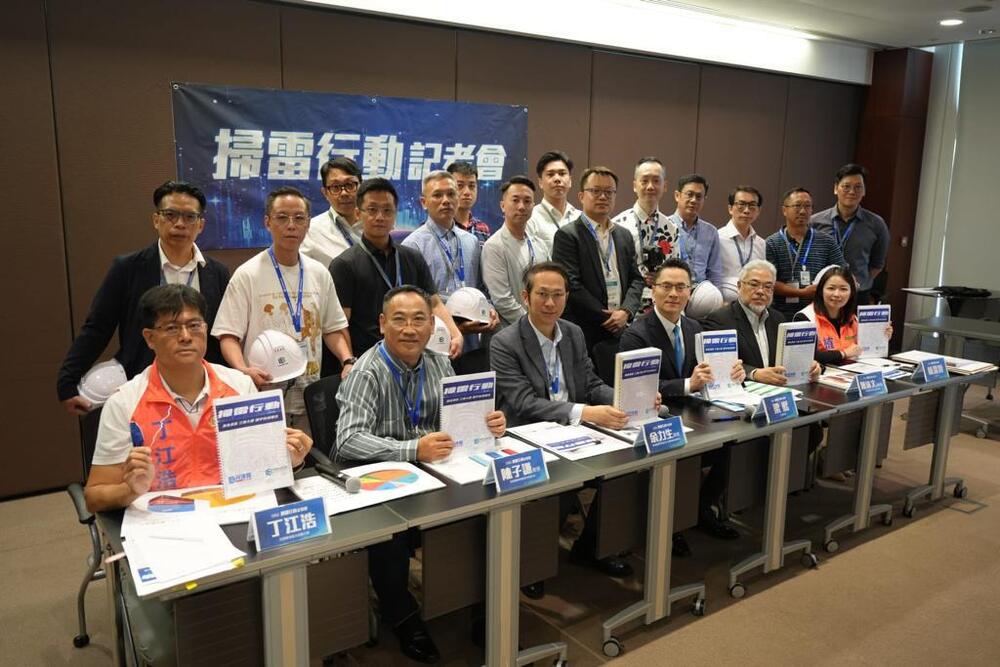
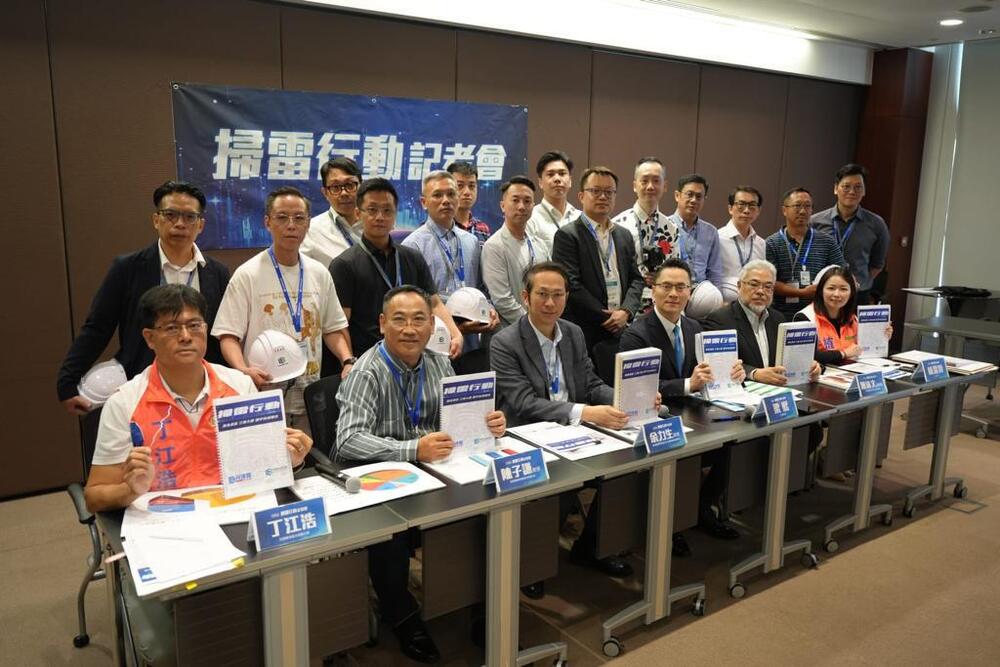
At least 25 old buildings in Eastern pose an imminent danger, Legislative Council member Edward Leung Hei found after conducting checks on 50 buildings in the district with the Hong Kong Institution of Building Inspectors.
The checks were carried out after a spate of concrete slabs falling from aging buildings in the past few weeks.
The 50, built more than 50 years ago, are "three-nil buildings," that is they didn't have owners' corporations, residents' organizations or management companies.
Of the 25 buildings posing imminent dangers, one fourth were found to have plaster detachment, followed by cracks on main walls, and 15 percent had spalling concrete.
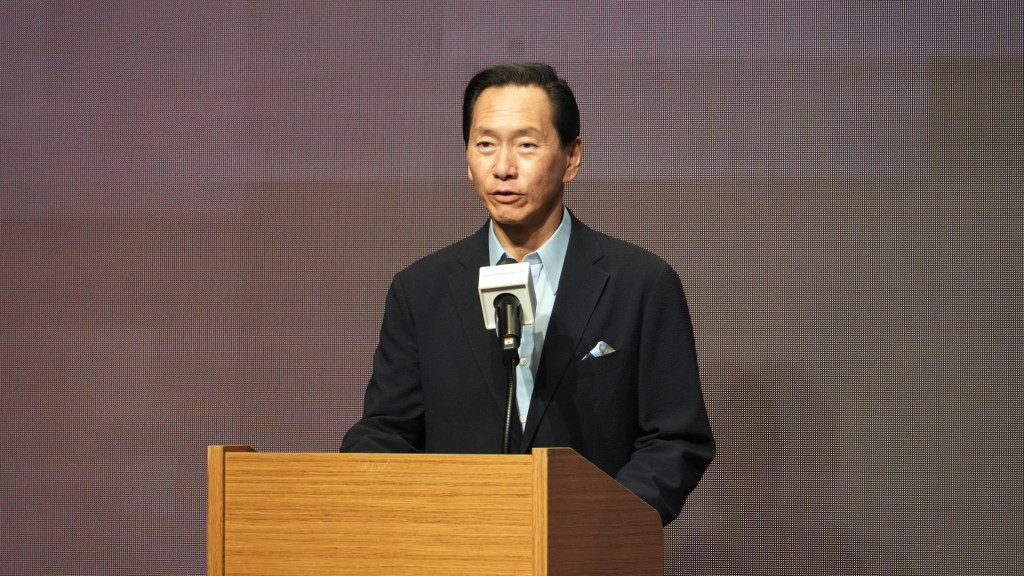
"In the absence of owners' corporations, 100 percent consent from owners is required for a 'three-nil' building for repairs, and as such, minor issues can be delayed until they become serious," said Leung, a Democratic Alliance for the Betterment and Progress of Hong Kong Legco member .
"The building in the most serious condition is 123 Wan Chai Road. Its canopy is bending downward, and there are cracks at the bends."
The report by Leung and the institution also reflected unsatisfactory outcomes from a building maintenance push, which is not helping stem the deteriorating condition of buildings soon enough.
Leung said the Urban Renewal Authority's procedures for its maintenance subsidy scheme Operation Building Bright take too long and suggested it deploy more staff to speed up the vetting and approval process from five years to two years.
The URA divides buildings that apply for the subsidy into five batches, and only tells owners which batch their buildings belong to a few months after their application had been lodged.
Owners then have to wait until the batches have been approved before they can get in the inspectors when many of buildings may already be in immediate danger.
"The fourth batch of buildings may need to wait around five years before works can commence, and six to seven years for buildings in the fifth batch," Leung said.
"We also suggest an'inspection first and queuing later' approach - categorizing buildings inspected into five batches according to risks, with priority accorded to those in immediate danger."
He also said a building should be exempted from a lengthy tendering process if an inspection shows it is in immediate danger and allowed to start repairs immediately, with the subsidies coming later.
Leung will submit the report to the Buildings Department for follow-up action and hopes for quick repairs.