
Read More
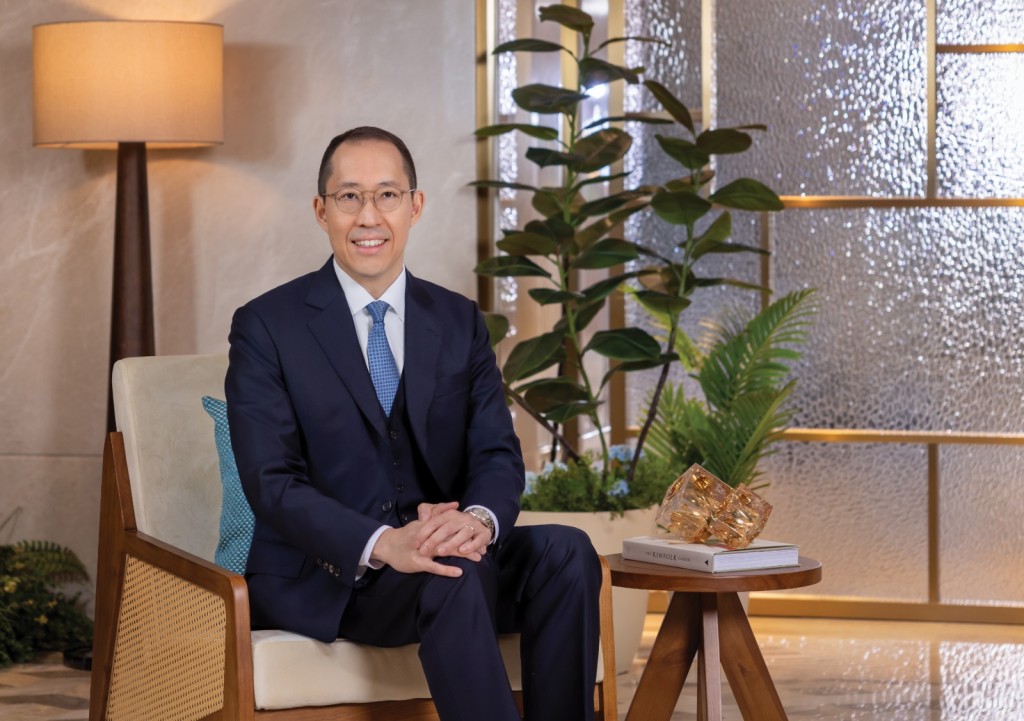
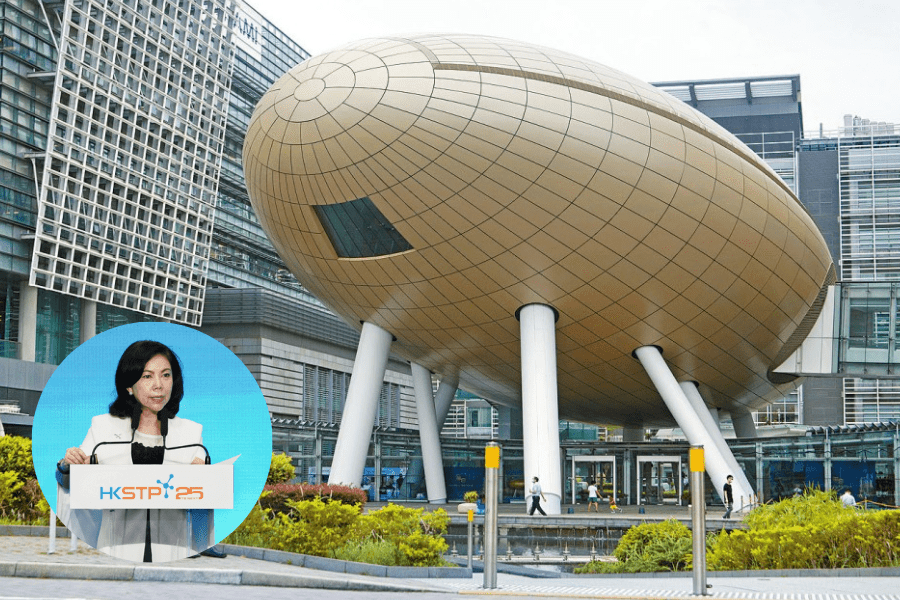
Hong Kong's first Five-Year Plan and the latest Policy Address will have the full support of the Hong Kong Science and Technology Parks Corporation (HKSTP), the city's largest flagship for innovation and technology, its chairman Cordelia Chung said.
ADVERTISEMENT
SCROLL TO CONTINUE WITH CONTENT
Highlighting the Five-Year Plan's far-reaching strategic significance, Chung noted that the Policy Address has backed it with matching policies for the innovation sector.
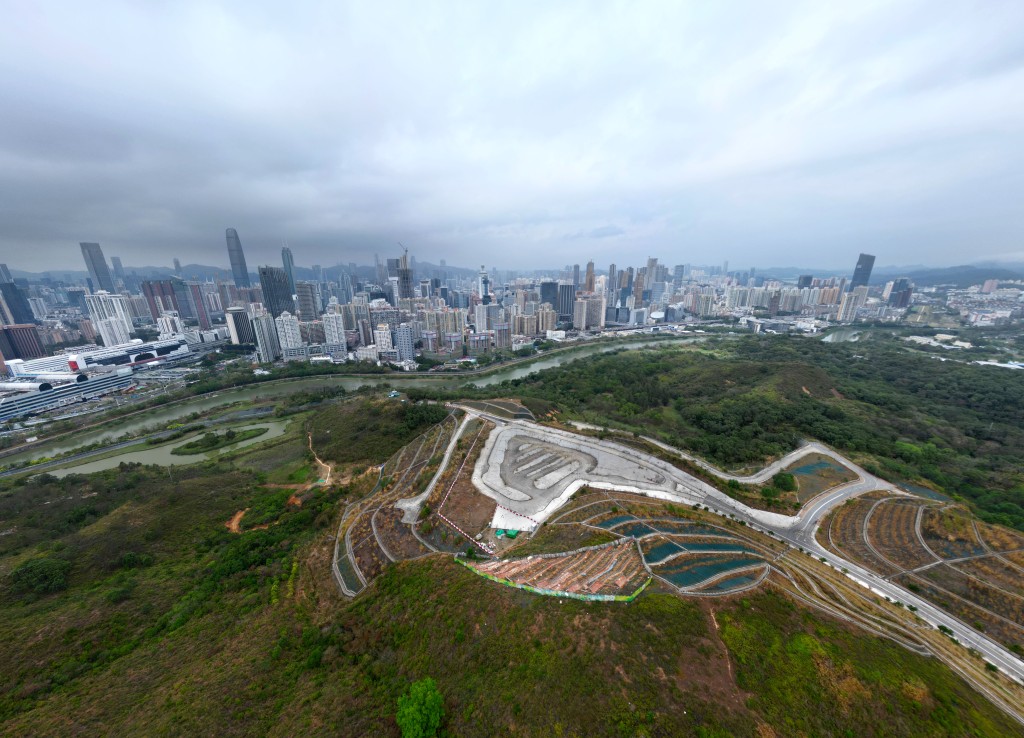
As the operator of the Science Park, three InnoParks, the InnoCentre and its Shenzhen branch, HKSTP will keep providing one-stop, full-coverage support to tech firms, she said, bringing research to market and turning targets into results.
She further expressed confidence in the Five-Year Plan's push to build a new "Three Major Innovation and Technology Parks and Five Key Research and Development Institutions" Paradigm.
Among the five R&D institutions is the Hong Kong Microelectronics Research and Development Institute (MRDI), which has a pilot line for trial semiconductor production at the Yuen Long InnoPark.
She noted the HKSTP is advancing the Microelectronics Centre Expansion (MECX) to help capable firms set up semiconductor R&D and production bases, extending their business from design and R&D to advanced manufacturing.
HKSTP also welcomed the government’s plan to establish the National Manufacturing Innovation Centre, which builds on the city's strengths to support China's lead in power semiconductors.
Strong support was also voiced for the government's innovation and infrastructure targets, which aim to lift the R&D spending ratio from 1.63 percent of GDP in 2024 to 3 percent after 2030, and manufacturing value-added from 3.8 percent to 5.5 percent.
It also welcomed the government's plan for a medium- to long-term new industrialization this year, expecting joint R&D and research translation with Shenzhen through "high-technology, high value-added" activities to speed the growth of emerging industries and key producer services.
Application scenarios and AI
On the proposal of the establishment of the Hong Kong Innovation and Technology Application Scenario Promotion Centre, HKSTP hopes it becomes a launchpad for new technologies, matching scenarios with parks and research bodies, testing in real settings, and helping firms win certification.
HKSTP also backed Hong Kong's "AI+" push, pledging to drive AI industrialization and support government plans for computing infrastructure, an AI commissioner and legal framework updates.
In life and health technology, HKSTP has attracted about 400 companies and supports building the city's third medical school and the "one zone, two parks" development at the Hetao Shenzhen-Hong Kong Science and Technology Innovation Co-operation Zone.
As for space economy, it noted more than 20 related companies have set up in the park, including Stellerus Technology Limited, whose "Tianyun Camera" became the first Hong Kong research payload aboard China's Tiangong space station.
HKSTP stressed their commitment to keep driving the commercialization of space tech and encourage firms to join the latest round of special space technology projects.