Read More




Night Recap - September 21, 2026
1 hour ago








John Lee and CY Leung lead pallbearers for Tung Chee-hwa
20-09-2026 15:54 HKT

The Polytechnic University research team has made significant progress in discovering new treatments for a superbug known as hyper-resistant and hypervirulent Klebsiella pneumoniae, which has been identified as an urgent threat to human health due to its high mortality rate.
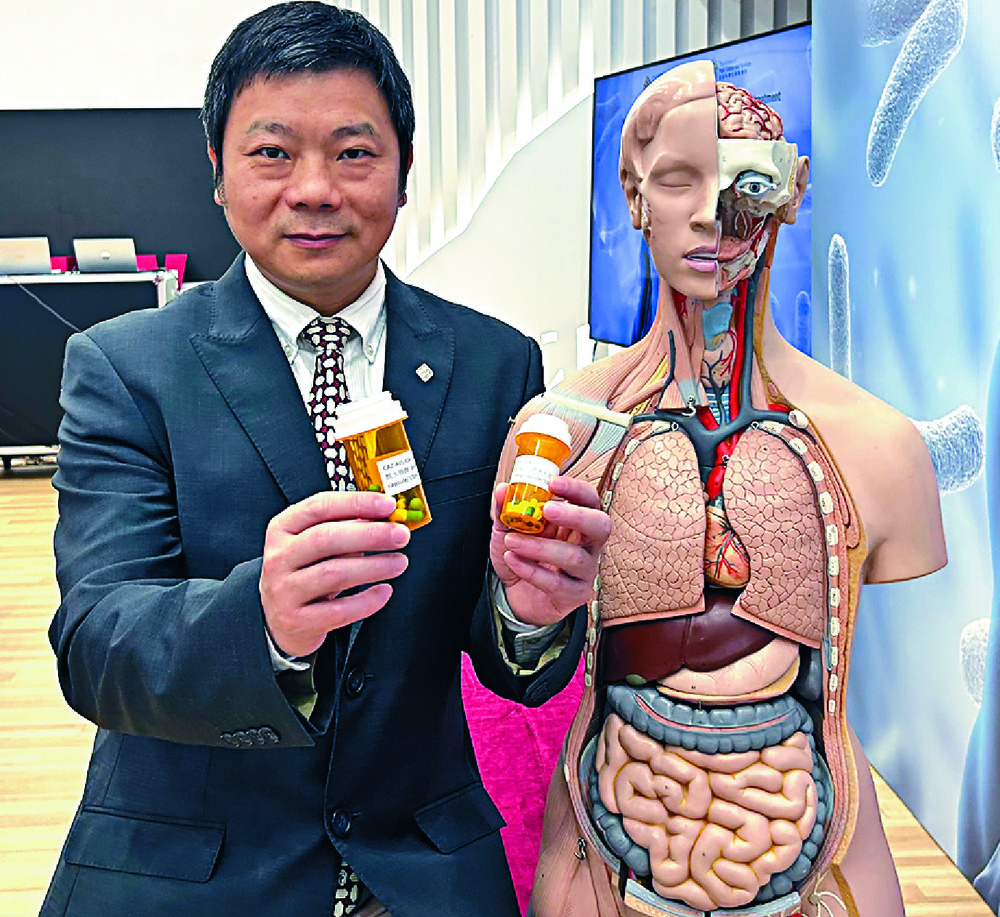
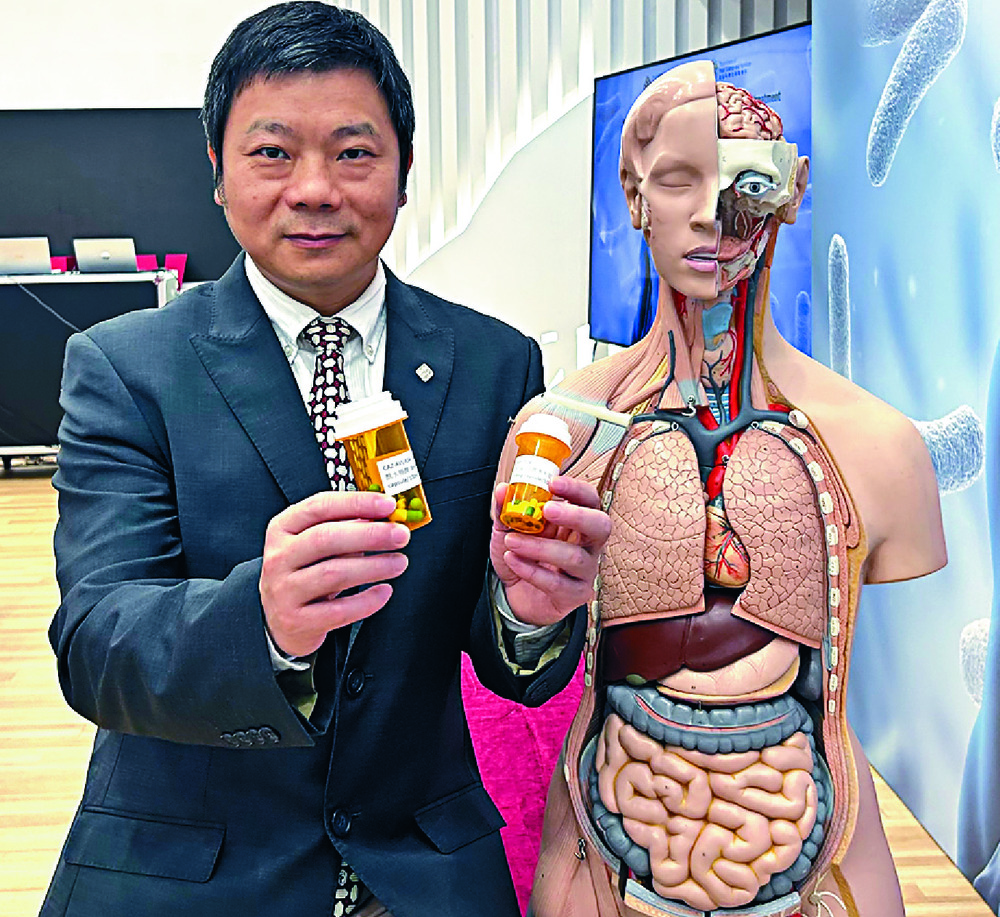
Led by chair professor in microbiology Chen Sheng, the team has found that a combination of aspirin and an antibiotic, Ceftazidime/avibactam, can be effective in suppressing the onset of a cytokine storm triggered by the superbug.
The team's experiments have proven the safety and effectiveness of these treatments in animals and they plan to validate their findings in clinical trials to reduce the mortality rate of CR-hvKP infected patients in the future.
The team's findings have been published in medical journals Signal Transduction and Targeted Therapy and Journal of Infection.
"This type of superbug is more prevalent in intensive care units at hospitals and could be found on the bed, floor and medical equipment," Chen said. "Generally, people are infected during hospital stays, especially in the ICU," he said.
In their study released in May, the researchers explained how the superbug triggers the immune system, causing untreatable and fatal infections.
"The virus would trigger the onset of a cytokine storm, which might lead to septic shock, a potentially fatal condition," Chen said.
To inhibit the cytokine storm, the researchers investigated the therapeutic uses of immunosuppressants.
The team found that acetylsalicylic acid - an anti-inflammatory drug commonly known as aspirin - was effective in suppressing the onset of a cytokine storm.
But Chen mentioned that the sole use of aspirin could not eradicate the pathogen. But combined with an antibiotic - Ceftazidime/avibactam, which is normally used to treat abdominal infections - the treatment becomes more effective.
The team have also explored the use of drug repurposing and found that zidovudine, used against HIV, could be used together with the antibiotic rifampicin to eradicate CR-hvKP. The combination could also be used alongside immunosuppressants to treat CR-hvKP patients.
The team's experiments have proven that such a combination is not biotoxic and is safe for use in animals.
"We believe our research will eventually benefit patients and significantly reduce the mortality rate of those infected with CR-hvKP," said Chen.