
Read More
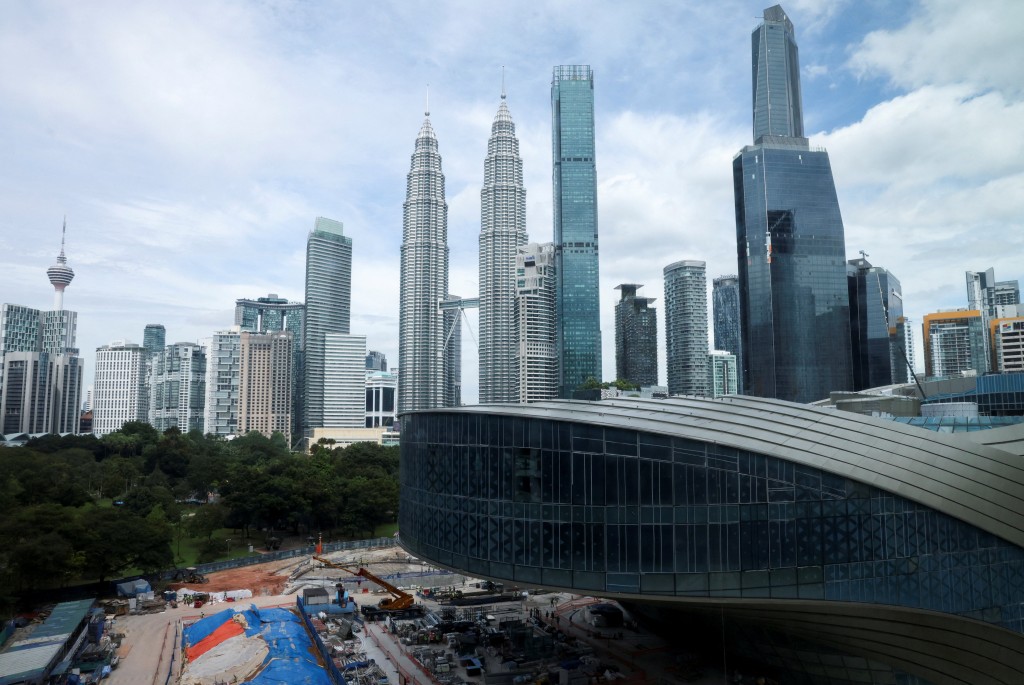
A Penang factory bought last year by Hong Kong electronics entrepreneur Daniel Cheng has risen about 50 percent in value, now worth roughly 40 million ringgit (HK$76.61 million), underscoring surging mainland and Hong Kong manufacturer interest in Malaysia.
ADVERTISEMENT
SCROLL TO CONTINUE WITH CONTENT
This came as Secretary for Commerce and Economic Development Algernon Yau Ying-wah leads a delegation comprising mainland and Hong Kong business representatives to Kuala Lumpur today, aimed at promoting Hong Kong’s advantages and understanding Malaysia’s opportunities. He will join the Hong Kong Trade Development Council’s “Think Business, Think Hong Kong” event there tomorrow.
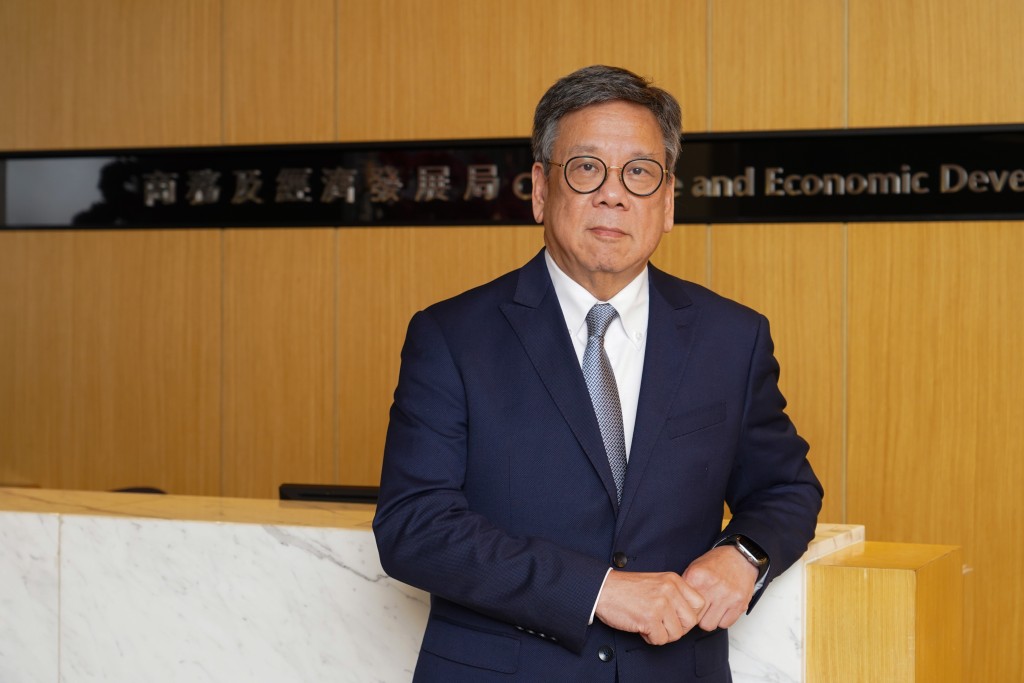
Algernon Yau
Cheng is chief executive of 60-year-old AMC Group, which exports mainland-made goods. The Sino-US trade war pushed him to find alternative production sites in 2020 to keep serving the American market, as well as some European markets now. He chose Penang for its supply-chain maturity relative to its ASEAN peers, despite higher costs.
AMC formed a local joint venture with an electronics firm, a move Cheng said proved critical during pandemic travel curbs. To scale up, the joint venture – AMC Cincaria – bought a new factory, though Cheng noted foreign players can wholly own Malaysian firms.
“Malaysia has made semiconductors for decades; Dell and Intel have plants here,” he said. “The chain isn’t as deep as China’s, but you can get nearly anything if you pay for scarce parts.”
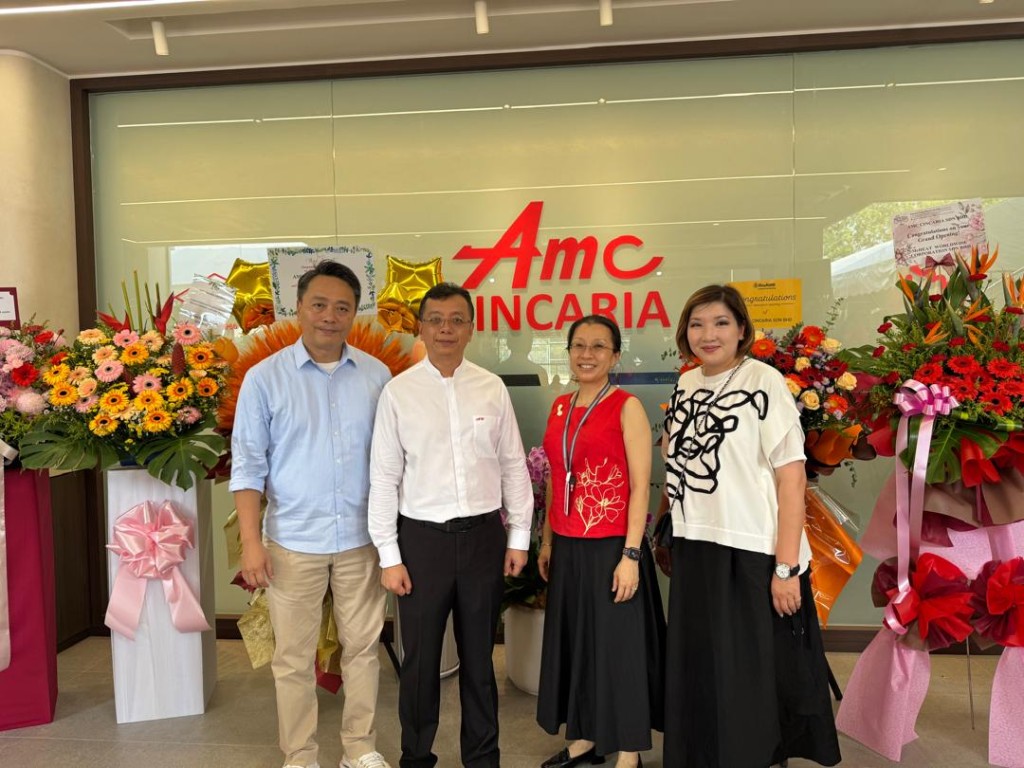
Daniel Cheng, first left, attended the opening ceremony of the joint-venture factory last year, with his Malaysian partners and colleague.
Cheng, also vice-chair of the Hong Kong Electronic Industries Association, notes Malaysia’s other draws: stability, safety, a large Chinese diaspora, ethnic diversity, and common law.
Though the United States has sharply hiked tariffs on several nations, Malaysia has felt less impact. Cheng credits this to its stricter rules-of-origin enforcement compared with more lenient countries, though that adds compliance costs.
AMC is now eyeing Turkey and other markets with preferential Malaysia tariffs, an upside Cheng says he had not foreseen, while Malaysian-made products can also be sold domestically and to Asean markets.
Still, he warns of labor shortages, foreign-exchange risks, and controls. AMC hires from Myanmar and Indonesia, but one must wait for government-allocated import labor slots and adhere to domestic-foreign worker ratios, and Ramadan slows output.
Better planning is needed and automation can only help a bit, he notes. The ringgit has strengthened against the yuan and dollar since last year on strong economic growth. Costs and minimum wages approximate Shenzhen’s levels. With AMC also running a Guangxi plant, he says Malaysian-made goods carry an 8–10 percent cost premium over Chinese-made ones.
“Electronic products account for roughly 40 percent of Malaysia’s total exports, and the Malaysian government is planning to accelerate its support in internet of things, data centers, and semiconductors,” said Anthony Lam Sai-ho, chairman of the Federation of Hong Kong Industries.
Lam, who will join the delegation, says Hong Kong’s growing development in IoT, data centers, robotics, automation, and pharmaceuticals matches Malaysia’s development trajectory and prospects. He believes Hong Kong’s research and development can complement Malaysia’s strategy, supported by the SAR government’s financial backing for manufacturers, such as the New Industry Funding Scheme and the New Industry Acceleration Scheme offered by the Innovation and Technology Commission.
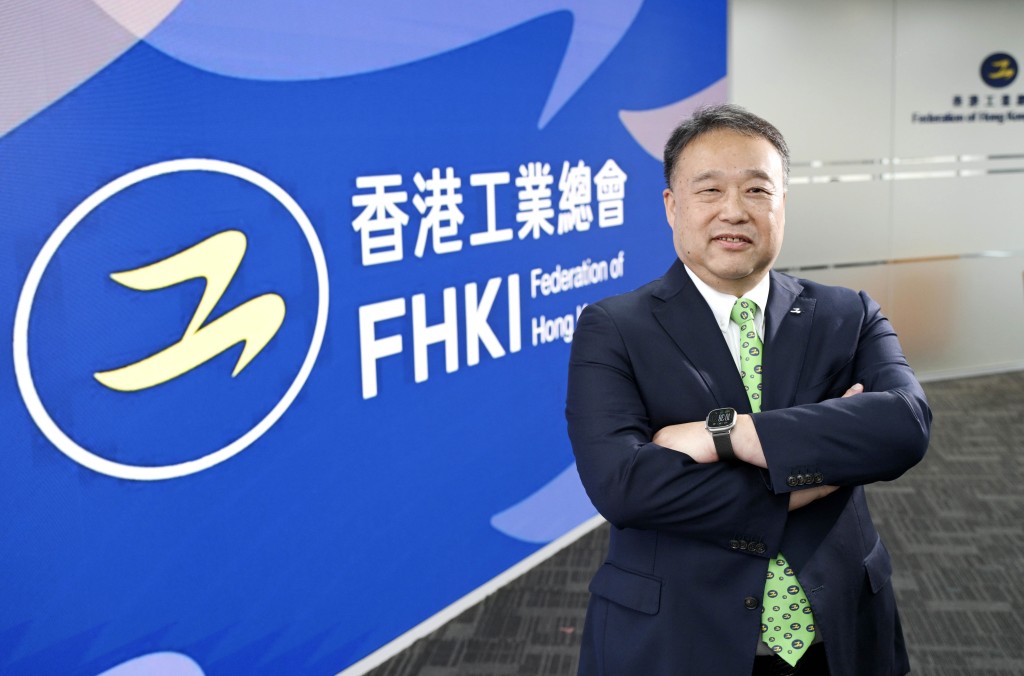
Anthony Lam
Lam also notes the growing investment needs in the Northern Metropolis, expressing hope to welcome Malaysian companies to establish R&D centers and operations in the hub. He pointed to Hong Kong’s capital markets – including equity and debt financing – as a key advantage for Malaysian firms looking to expand in the region.
Beyond electronics, Jackson Leung Siu-yin, vice president of the Chinese Manufacturers’ Association of Hong Kong, is looking to help Hong Kong’s food and beverage and healthcare products expand into Malaysia under the association’s “Go Global” strategy. He observes that many Hong Kong brands already have Halal certification, positioning them well for Malaysia’s Muslim demographic.
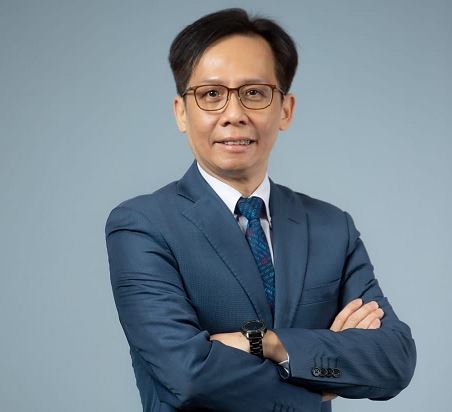
Jackson Leung
The association’s trade collaboration with Malaysia dates back to the 1950s, Leung notes. While traditional industries such as property, rubber, and timber remain significant, he sees new opportunities for Hong Kong to explore Halal services and Islamic finance in Malaysia.
With five of Hong Kong’s universities ranked among the world’s top 100, Leung also emphasizes the importance of talent exchange between the two regions, advocating for attracting more Malaysian students to pursue their education in Hong Kong and fostering the exchange of resources and expertise.