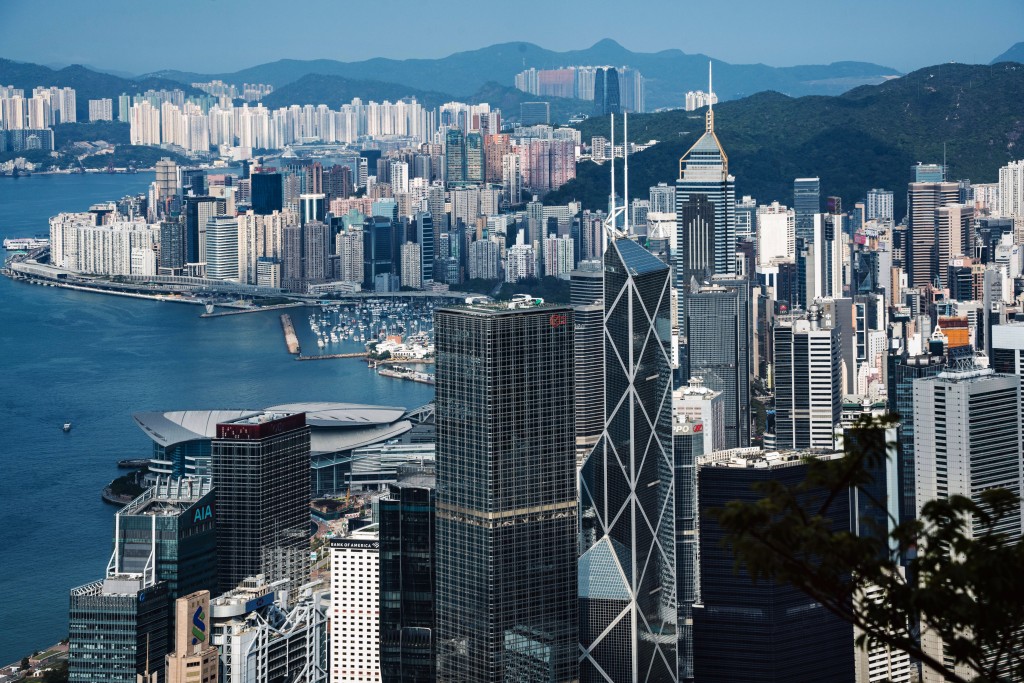
The Financial Services Development Council on Thursday released two reports at the Belt and Road Summit, highlighting Hong Kong's role as a “global capital nexus” for the Middle East and North Africa (MENA), and ASEAN and Central Asia.
The reports titled “Catalysing Regional Connectivity: Hong Kong as the Nexus for Capital Flows” highlighted Hong Kong's role in channeling approximately US$6 trillion (HK$46.8 trillion) of MENA sovereign wealth funds into Asia's growth sectors while helping Chinese firms expand overseas, and in connecting Chinese and global capital with ASEAN and Central Asia's investment and financing needs.
FSDC identifies asset and wealth management as a core pillar of cooperation with the MENA corridor, with Hong Kong providing investors in the region with access to Asia, the Chinese Mainland, and the Guangdong-Hong Kong-Macao Greater Bay Area. Northern Metropolis and Chapters 18A and 18C offer a financing pathway for the region's innovation and technology ecosystem.
As for ASEAN and Central Asia, Hong Kong is actively attracting regional champions and privatization candidates to list in the city, positioning itself as the domicile of choice for structuring and distributing regional asset flows.
Demand for offshore yuan business continues to grow, the report noted, with approximately 1.2 trillion yuan (HK$1.4 trillion) in deposits and 2.5 trillion yuan cleared daily through yuan real-time gross settlement. Sovereign and corporate issuers in these regions have already utilized Hong Kong's dim sum bond market for financing, enabling the currency's progression from trade settlement into investment, financing, and risk management.
Financing the real economy requires substantial demand for infrastructure, energy transition, and industrial financing, and ASEAN and Central Asia’s metal supply is key to the energy transition, making this a natural extension of the "Finance+" strategy.
Hong Kong is also an important intermediating platform for Islamic finance. By leveraging its established bond-market infrastructure and the CMU, the report said Hong Kong can broaden investor reach in a market that remains under-allocated through sukuk and Shariah-compliant portfolios.
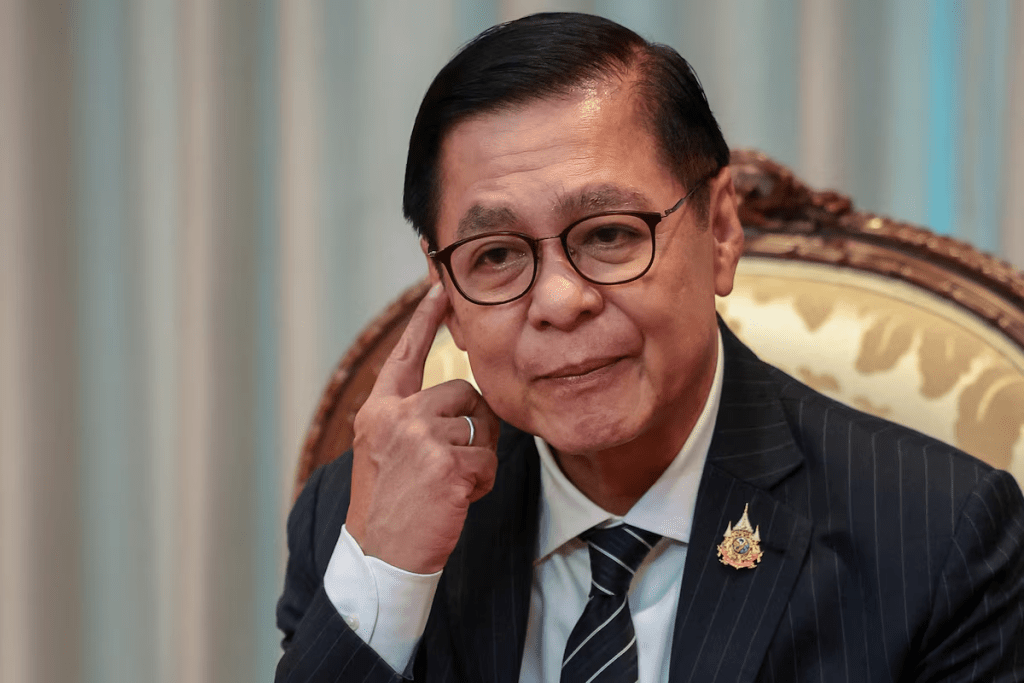
FSDC chairman Benjamin Hung Pi-cheng said Hong Kong is evolving from a traditional gateway between the Chinese Mainland and the world into a multi-polar capital hub connecting Asia's major growth corridors.
He noted that as MENA capital actively deploys into Asia and the financing needs of ASEAN and Central Asia continue to grow, Hong Kong has a unique advantage in connecting capital with opportunities.