
Read More
For generations, the watch has been defined by its relationship with time. But as artificial intelligence, biosensors and connected devices become increasingly embedded in everyday life, the industry is beginning to explore a much broader role for what sits on the wrist.
ADVERTISEMENT
SCROLL TO CONTINUE WITH CONTENT
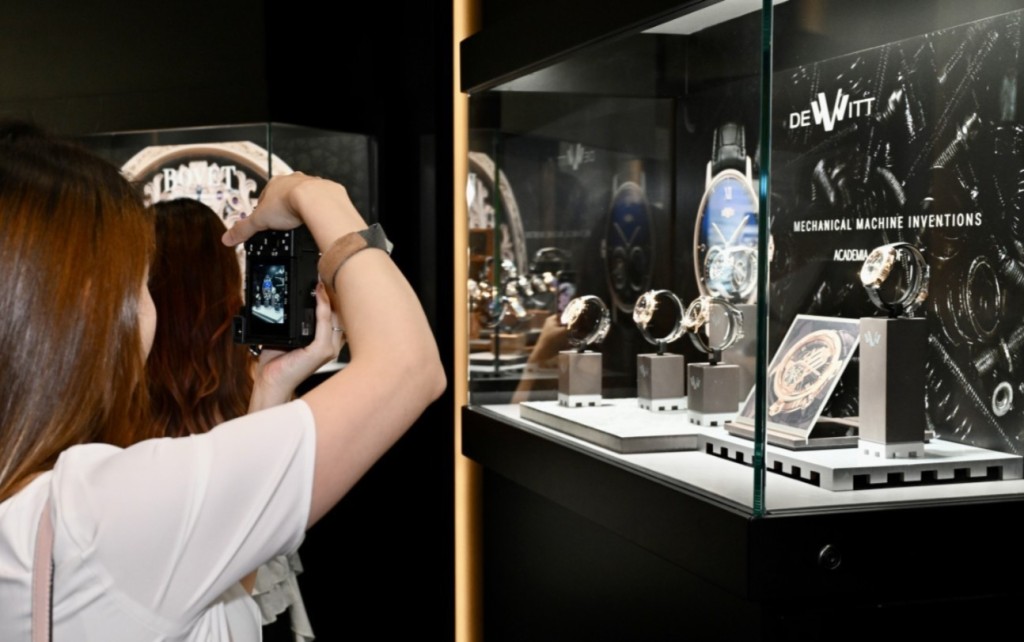
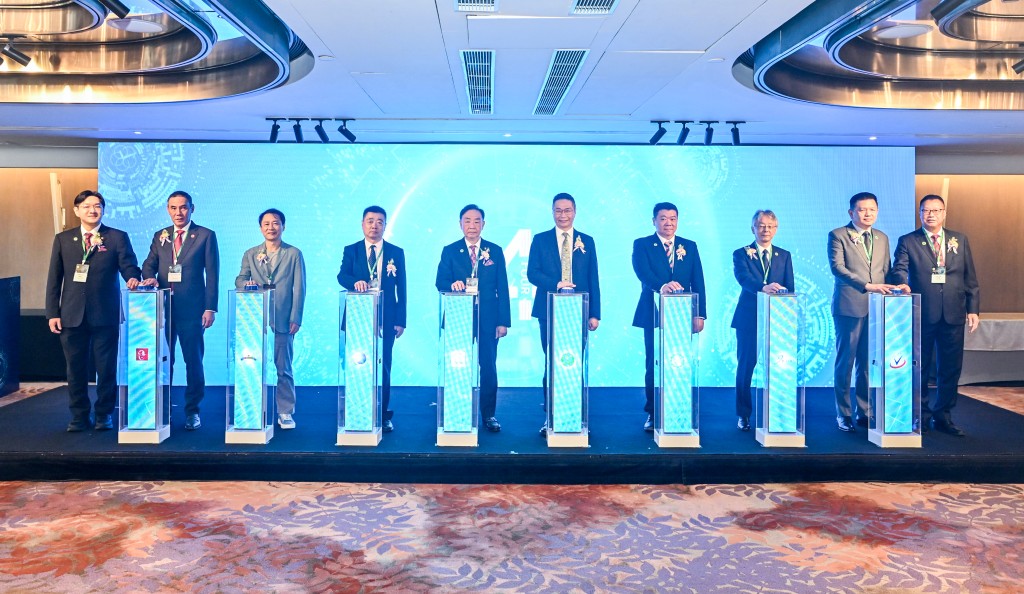
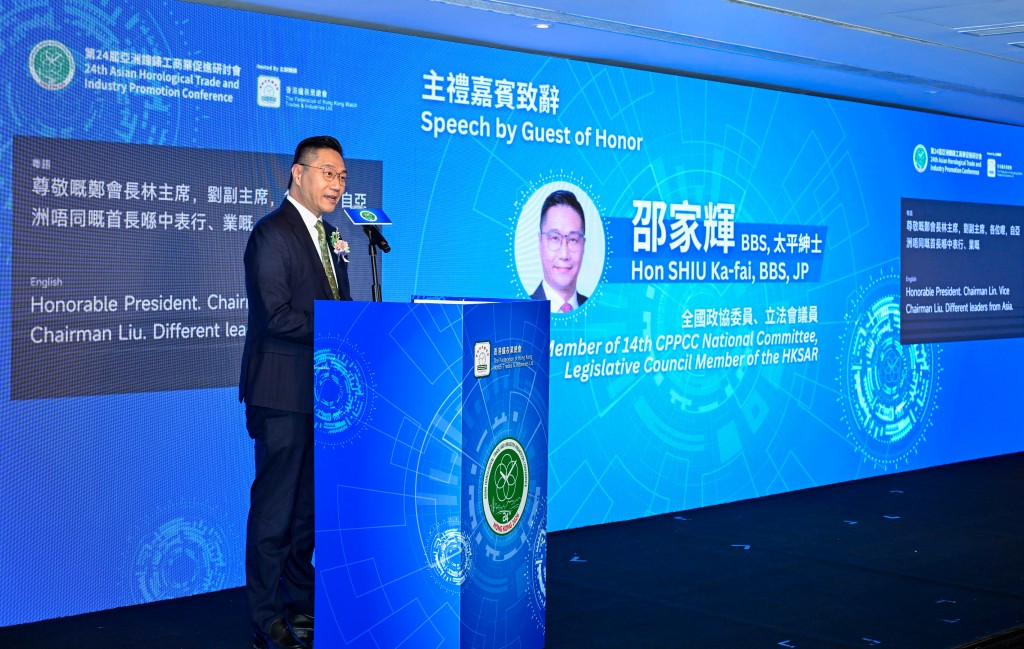
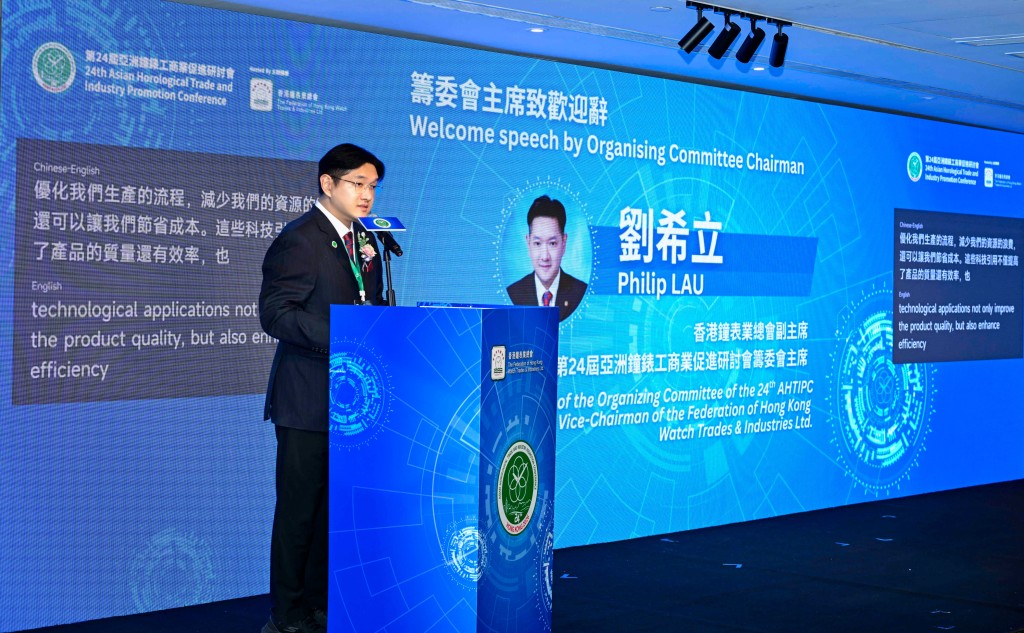
That shift was at the center of the 24th Asian Horological Trade & Industry Promotion Conference, held in Hong Kong ahead of this year’s Hong Kong Watch & Clock Fair.
Organized by the Federation of Hong Kong Watch Trades & Industries, the biennial gathering brought together industry leaders and specialists from mainland China, Hong Kong, Taiwan, Japan, Malaysia and Singapore under the theme “The Future of Watchmaking: Smart Technology as a Catalyst for Industrial Upgrading.”
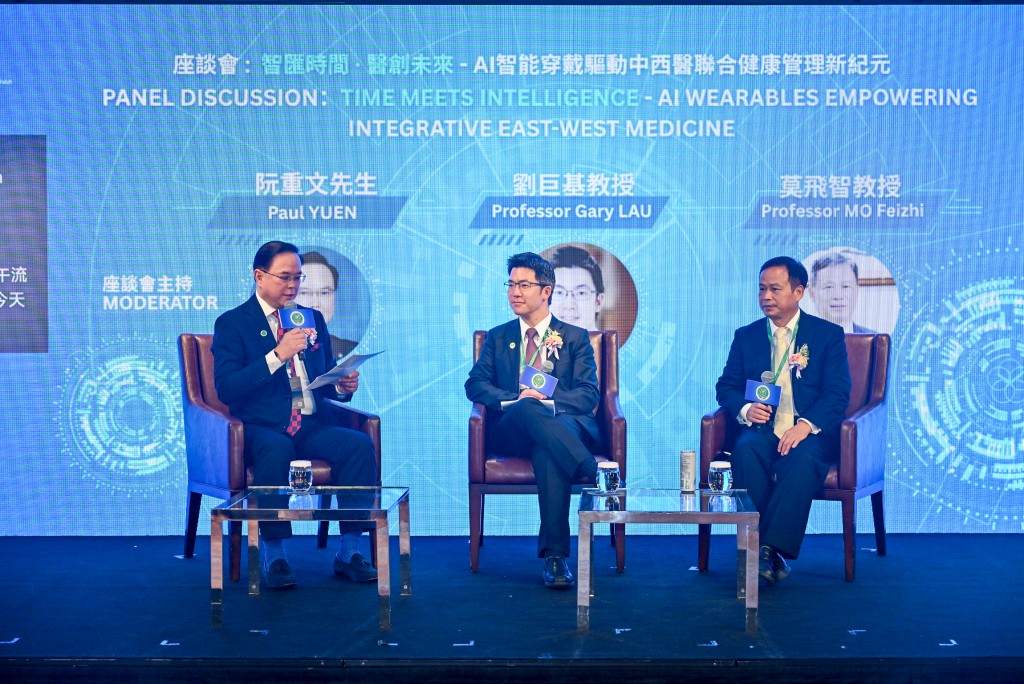
One of the clearest signs of how far the conversation has moved beyond conventional watchmaking came from a discussion on AI wearables and health management.
Mo Feizhi, president of the Hong Kong Institute of Chinese Medicine Technology; Gary Lau, assistant dean for teaching innovation at the University of Hong Kong’s Li Ka Shing Faculty of Medicine; and Federation secretary general Paul Yuen explored how AI-powered data analysis and biosensing could connect wearable technology with both Chinese and Western approaches to healthcare.
The idea is a significant departure from the watch as simply a timekeeping device. A wearable capable of continuously gathering physiological information could increasingly serve as a personal health platform, using data to identify patterns and potentially encourage earlier attention to changes in well-being.
It also reflects a wider shift in the smartwatch market, where health monitoring has become one of the most closely watched areas of product development.
Yet technology was only one side of the discussion. For an industry built on mechanical precision and craftsmanship, the challenge is increasingly how to introduce intelligence without losing the qualities that have long given watches their identity.
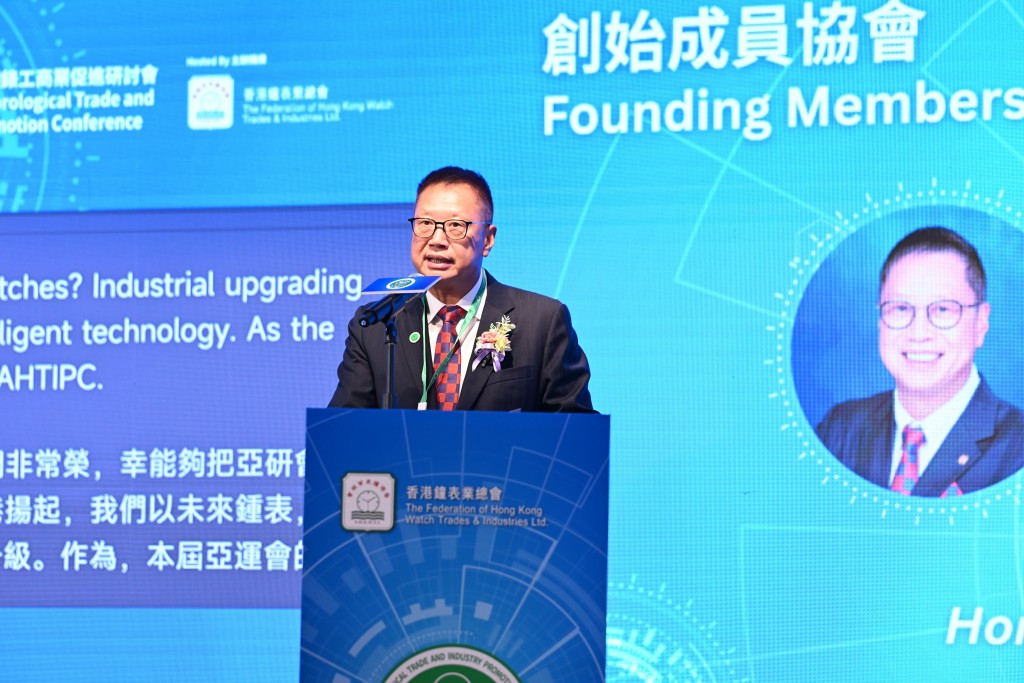
Federation chairman Kan Lam said Hong Kong’s watch and clock sector had continued to show resilience, with exports reaching HK$40.7 billion in the first 10 months of 2025.
“Amid global market uncertainties, the industry must pursue a dual-track approach, embracing ‘smart technology’ alongside ‘artisan craftsmanship,’ accelerating digital transformation while preserving our heritage, and continuing to explore new business opportunities,” Lam said.
That combination of old and new may also lead the industry well beyond watches themselves.
The precision engineering behind watchmaking — from miniature components to highly controlled manufacturing processes — has applications in sectors where accuracy at a very small scale is equally important.
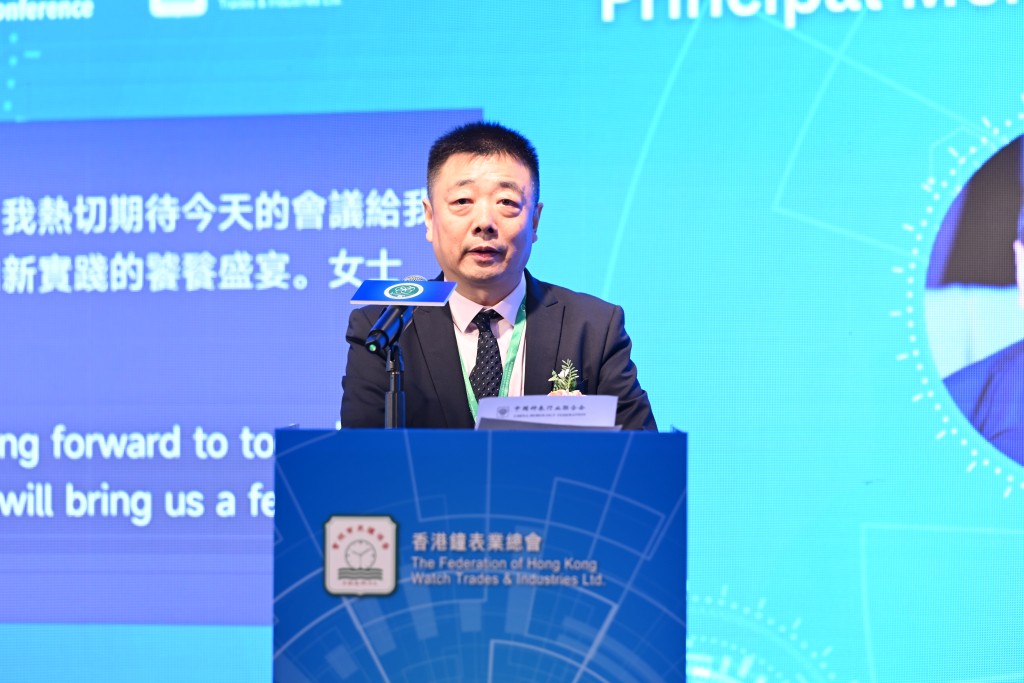
China Horologe Association chairman Lyu Cheng said Asia currently supplies more than 90 percent of the world’s clocks and over 80 percent of its watches, giving the region a significant manufacturing base from which to explore new directions.
“The watch industry is not only a consumer goods sector but also a vital pillar of the high-end precision manufacturing ecosystem,” Lyu said.
“Its micro-machining and precision manufacturing capabilities can generate powerful synergies with advanced fields such as medical devices, robotics, and aerospace.”
It is a perspective that reframes watchmaking as more than a fashion or luxury business. The same expertise required to manufacture compact, finely engineered movements may increasingly find relevance in medical equipment, robotic systems and other technologies where miniaturization and reliability matter.
Alongside the main discussions, six workshops led by the Hong Kong Productivity Council and representatives of regional watch associations covered areas including technological innovation, international market strategies and the preservation of traditional craftsmanship.
The conference itself dates back to 1971, when it was established to strengthen cooperation and technological exchange among Asia’s watch industries. Hong Kong has hosted the gathering several times over the decades, with the Federation describing it as a regional platform for collaboration and industry development.