
Read More


Morning Recap - August 25, 2026
7 hours ago


IT manager sentenced to 22 months for stealing $1.2m in Deloitte laptops
21-08-2026 21:49 HKT
A Hong Kong delegation has toured aerospace facilities in Wenchang, Hainan, offering media representatives and journalism students a close-up look at China’s rapidly developing space sector while encouraging young people to pursue opportunities in science and technology.
The three-day Hainan aerospace technology study tour began on Sunday and is organized by the Working Group on Patriotic Education. It is led by the group’s convenor, Eliza Chan Ching-har, and includes Director of Information Services John Tse Chun-chung, more than 20 Hong Kong media representatives and tertiary journalism students.
Members of the working group, including Cally Kwong Mei-wan, James Li Tsz-shu and Lee Luen-fai, also joined the delegation.
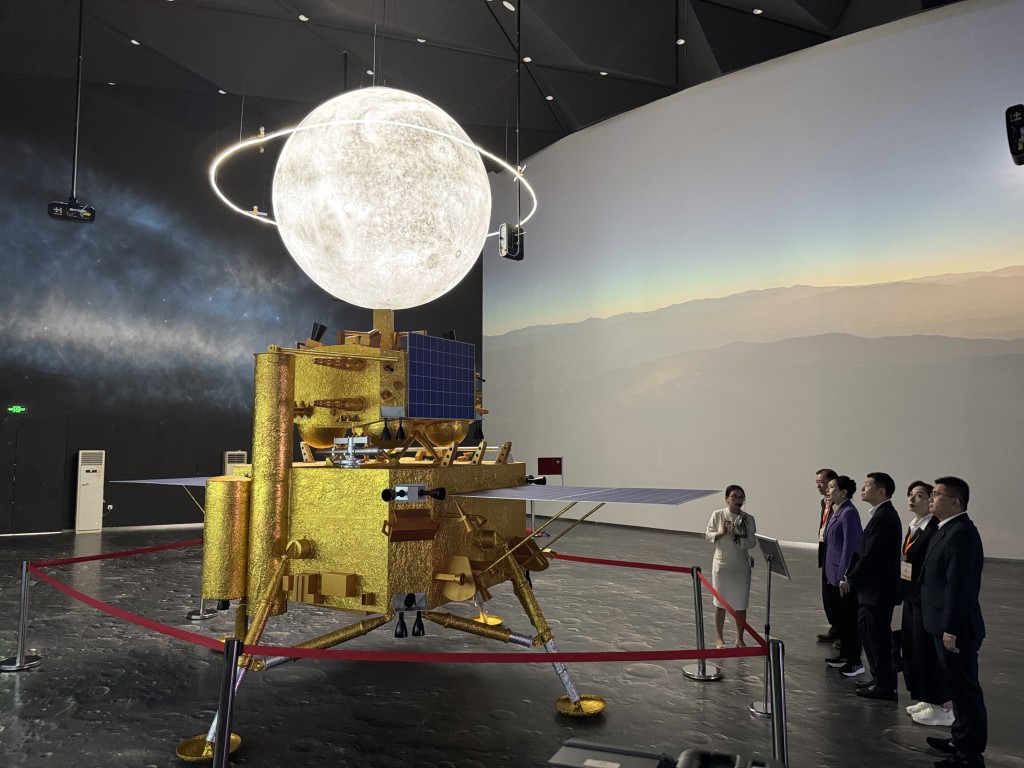
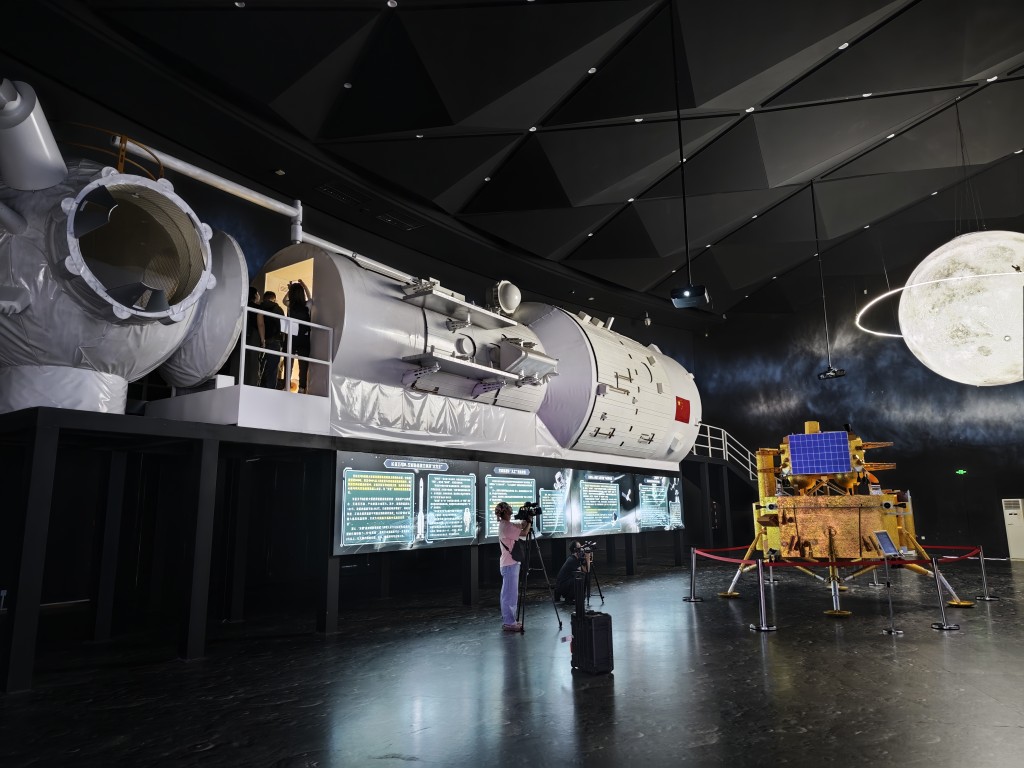
During the first two days, the group visited the Shenzhou Aerospace Science and Technology Museum and the Wenchang Aerospace Supercomputing Center, exploring both the history of China’s space program and the technologies supporting its next stage of development.
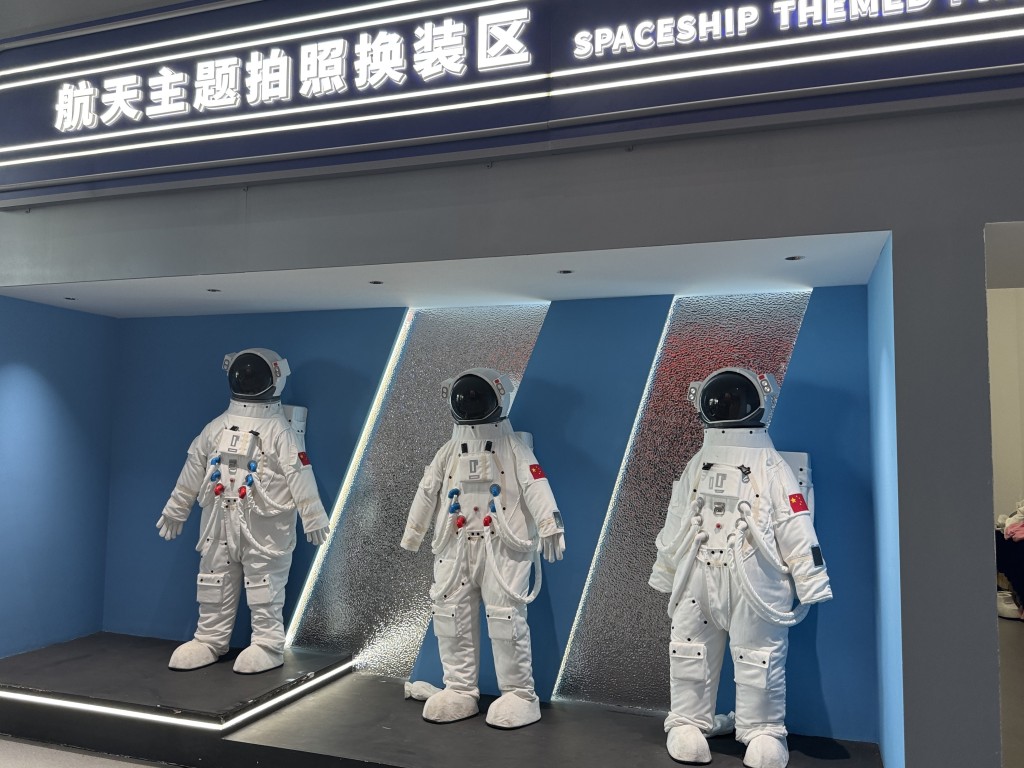
At the museum, models and interactive installations introduce visitors to major milestones in China’s space program. Exhibits include replicas of the Yutu lunar rover, the Chang’e-6 probe and the Tianhe core module.
Chan and Tse also tried a simulated return capsule experience, offering a taste of what astronauts encounter during a spacecraft’s return to Earth.
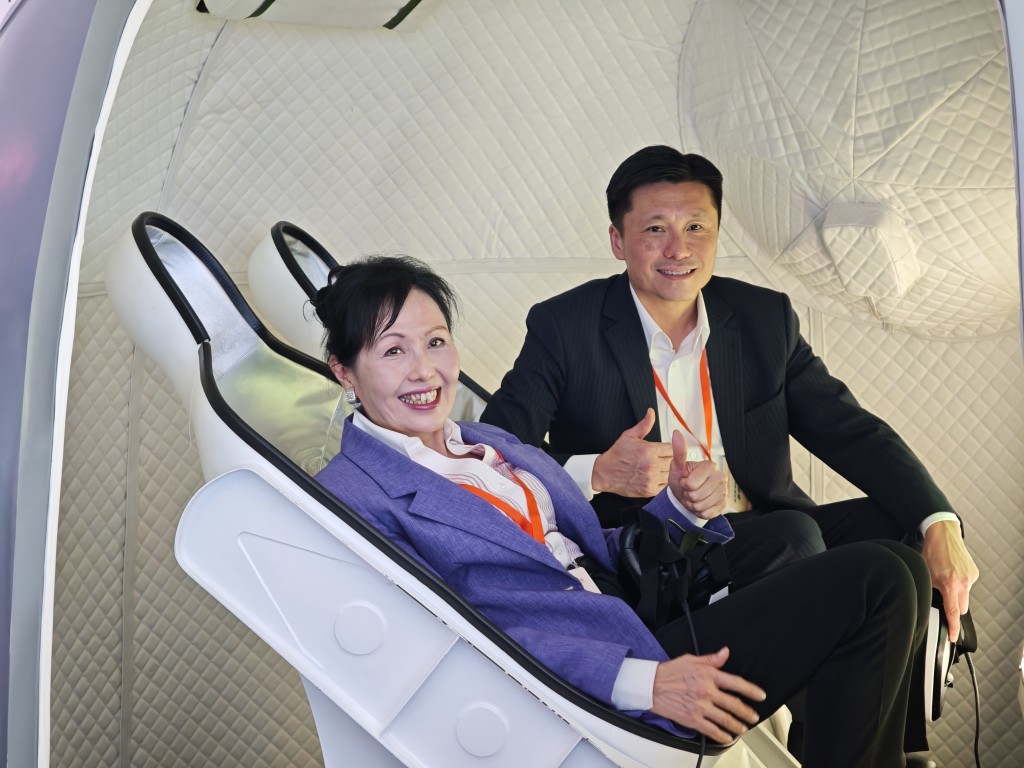
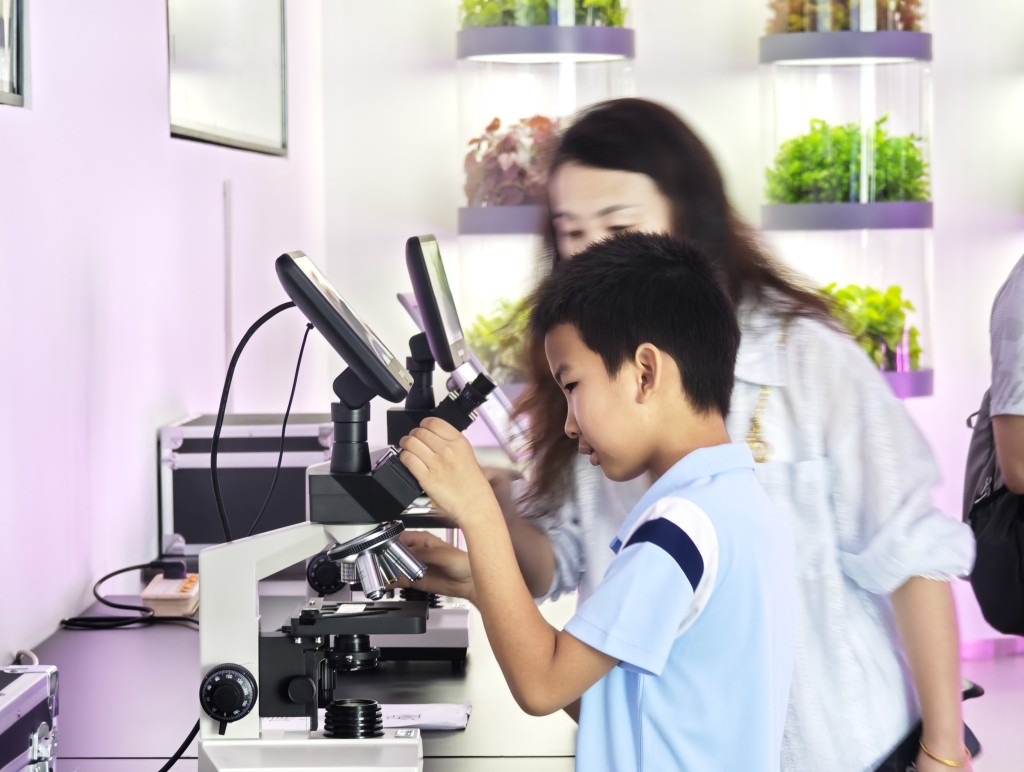
Li Jingting, chairwoman of the museum, said the venue seeks to make complex space technology easier for the public to understand through reconstructed scenes, models and interactive experiences.
She said the museum combines rocket-launch viewing with science education, allowing visitors to move beyond the spectacle of a launch and understand the research and technological breakthroughs behind China’s space missions.
“After visitors witness the breathtaking moment of a rocket soaring into the sky, they can immediately enter the museum to trace the technological breakthroughs, scientific challenges and national commitment behind the space program,” Li said.
The aim, she added, was to turn a moment of excitement into lasting understanding and make aerospace science more accessible and engaging.
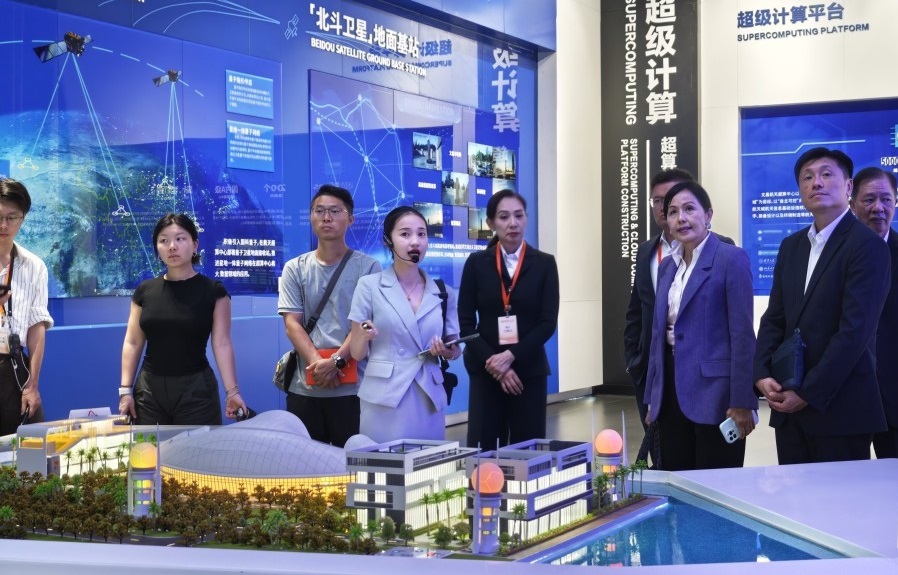
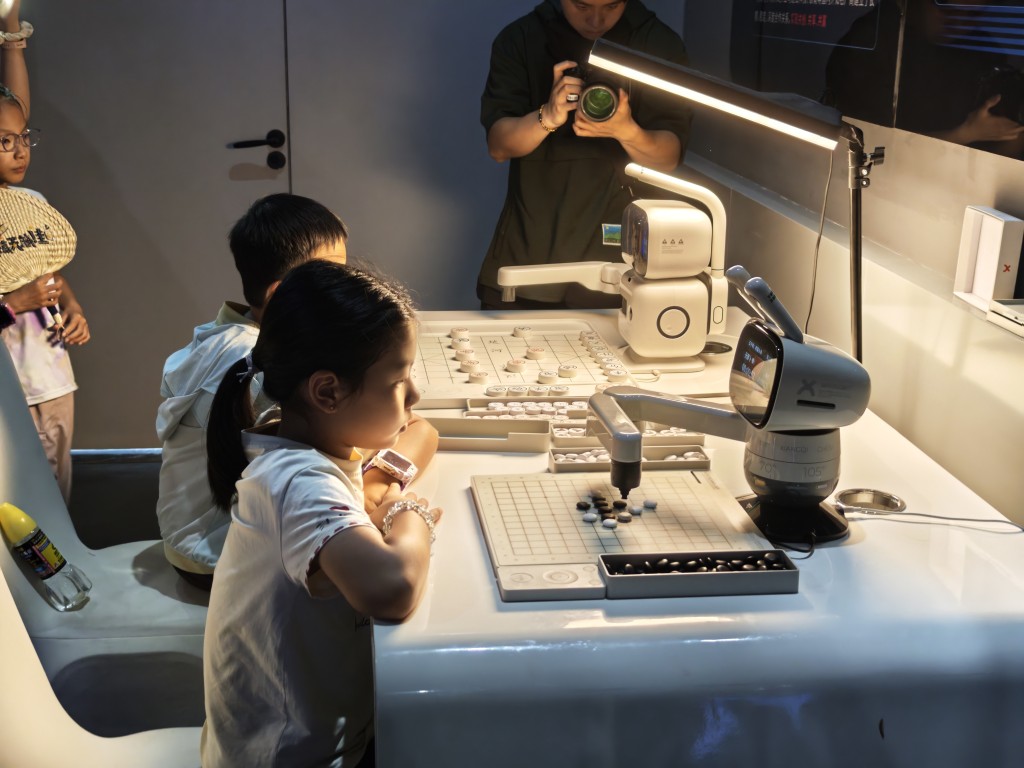
The delegation also visited the Wenchang Aerospace Supercomputing Center, a facility dedicated to supporting the aerospace sector through high-performance computing and data services.
The center has developed capabilities covering the collection, reception, storage, computing and application of aerospace data, and is exploring closer cooperation with Hong Kong.
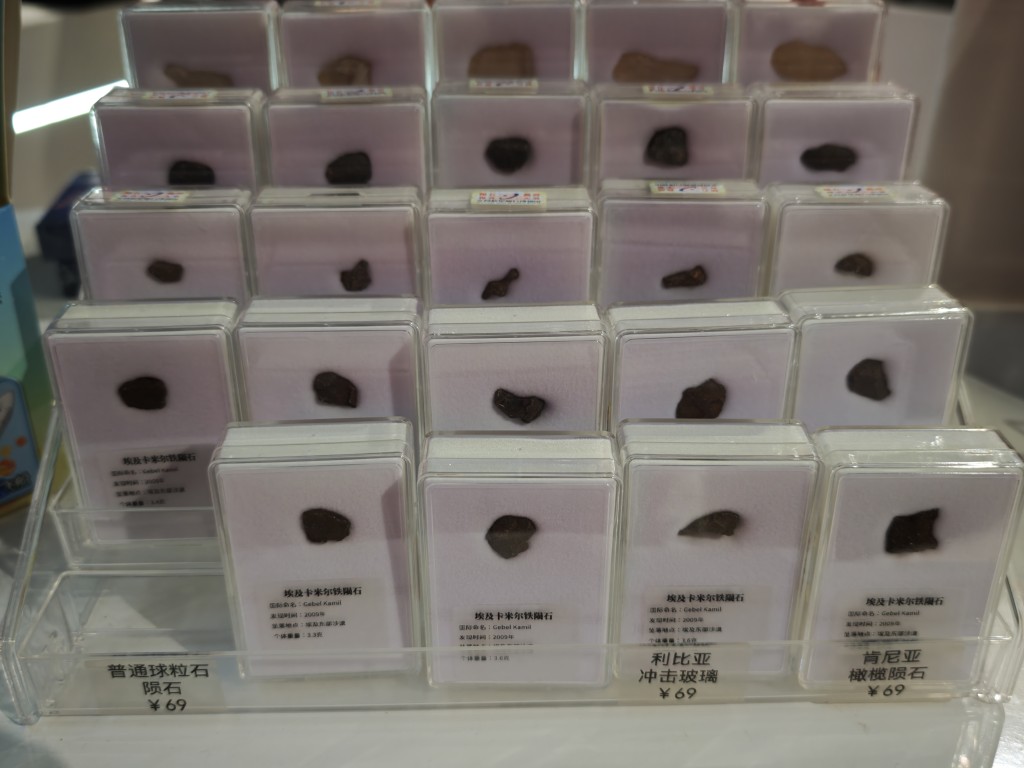
Its facilities also include a meteorite exhibition featuring specimens collected from different parts of the world.
Ye Shiyang, chairman of the supercomputing center's operating company, Wenchang Aerospace Supercomputing Smart Technology Co Ltd, said growing interest in aerospace tourism had created demand for experiences that go beyond watching rocket launches or viewing spacecraft models.
Visitors, including students and business delegations, increasingly want to understand the technology and principles behind the industry, he said.
Ye said the center was also exploring a “front shop, back factory” cooperation model with Hong Kong, using the city to connect with customers in Hong Kong, Southeast Asia and international markets while Wenchang provides data processing and technological research capabilities.
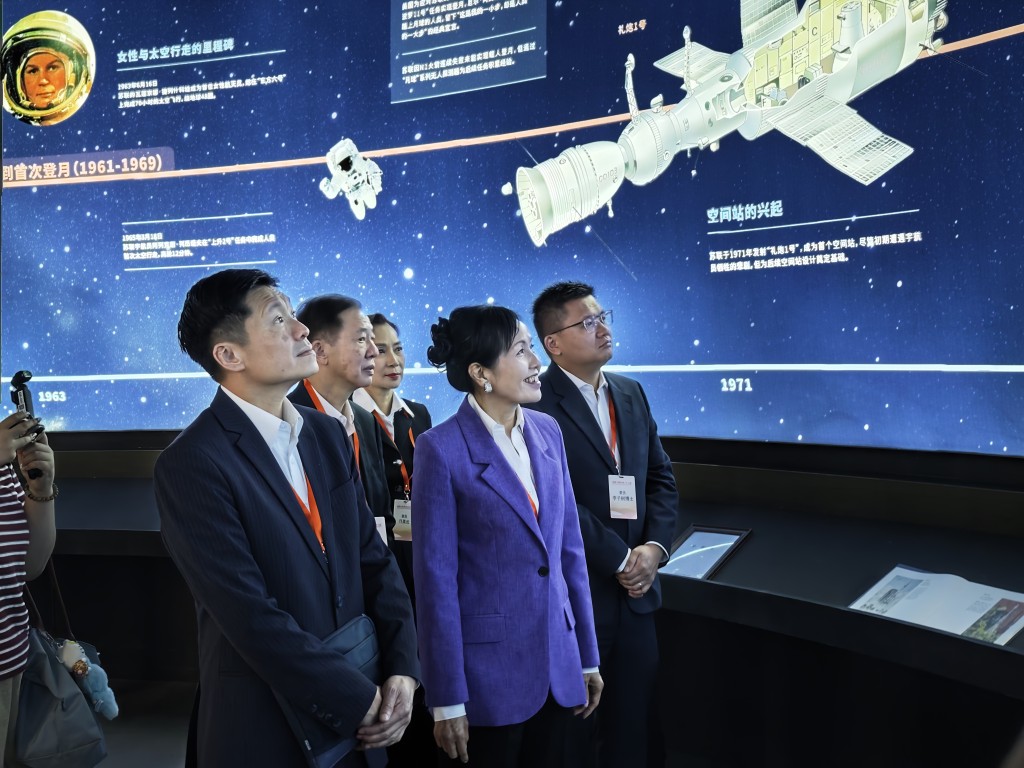
Chan said the tour allowed participants to see first-hand how China’s aerospace capabilities had developed through generations of scientific research and perseverance.
“By visiting aerospace facilities, we can gain a close-up understanding of the country’s development in space technology and appreciate that today’s achievements are the result of generations of scientists continuously striving for progress,” she said.
She said Hong Kong has a strong pool of research talent and encouraged local scientists and young people to seize opportunities arising from the country’s expanding space program, while making use of Hong Kong’s strengths under “one country, two systems.”
Chan urged young people interested in science and technology to “dare to dream, equip themselves and seize opportunities,” saying the national space sector offered a broad range of possibilities for future development.
Tse said the delegation included 24 front-line journalists and three tertiary journalism students undertaking internships with the Information Services Department.
He said the tour was intended to give participants direct exposure to China’s aerospace achievements while allowing Hong Kong audiences to gain a broader understanding of the country’s scientific capabilities through media coverage.
Tse also pointed to Hong Kong’s first payload specialist joining China’s space program as a sign that the city was moving from being a supporter of the national aerospace sector to becoming an active participant and contributor.