





Read More






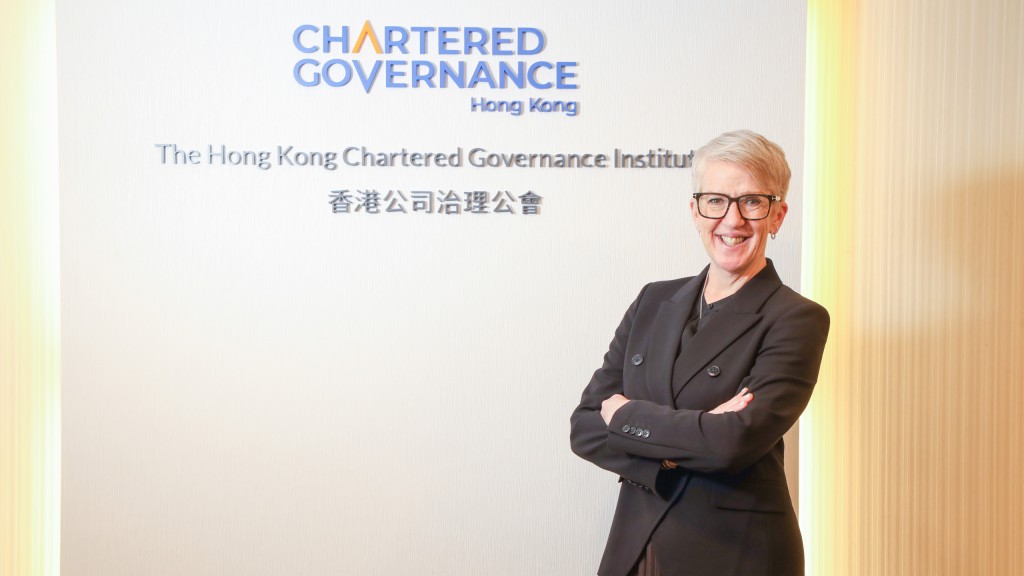
From Hong Kong, Gill Meller is taking charge of a global professional body as geopolitical division and corporate failures bring renewed urgency to the rules by which organisations are run.
When corporate governance works, there’s often little to see. The right questions are asked, risks are managed and conflicts are resolved before they escalate into crises. But when it fails, the evidence may surface in questionable transactions, misleading disclosures, investor losses and regulatory action. Such pressures test boards and governance professionals alike.
Against this backdrop, HKCGI remains a leading voice on governance in Hong Kong and the Chinese mainland. As Gill Meller takes the helm of its global body, CGI, her challenge is to make visible a profession whose success often lies in preventing problems.
“Bad governance is very easy to see,” she says in an interview with The Standard. “We all read about the corporate scandals, the sports scandals and understand the serious consequences. But good governance is a little bit more difficult to put your finger on.”
Meller took over as president of CGI on July 1 and will carry out the role from Hong Kong, where she has spent the past 22 years.
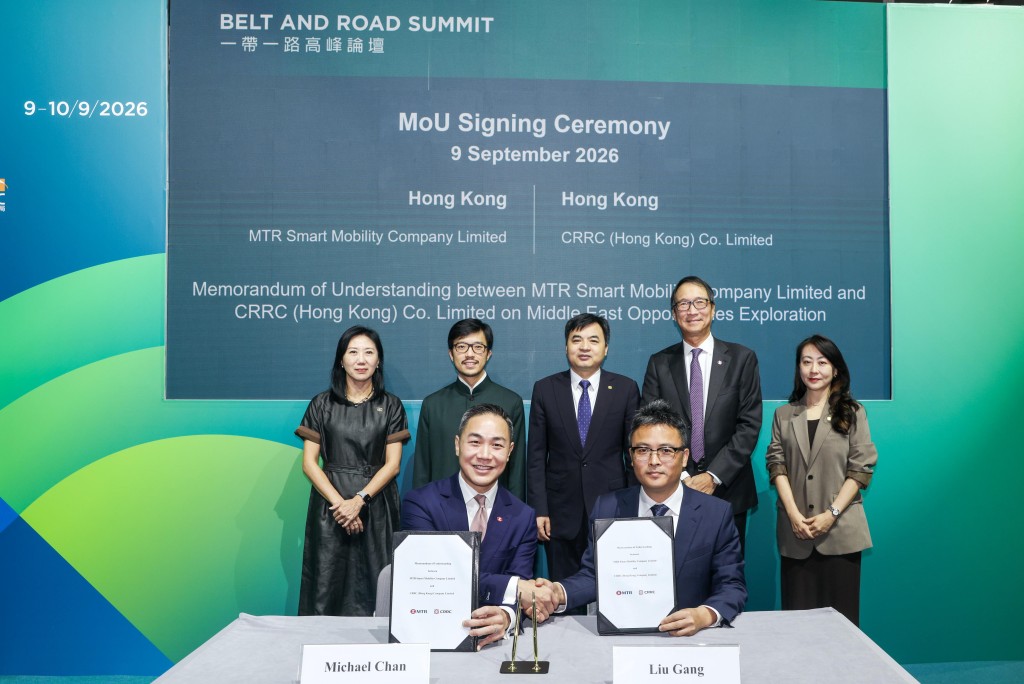
“This is my home,” says Meller, who was born in the UK and serves as legal and governance director at MTR Corporation.
She became MTR’s company secretary in 2011 and began working with HKCGI shortly afterwards. Her first role was on a panel of company secretaries from large, mainly listed issuers, who met regulators and compared how governance problems were being handled.
The institute offered a way for her to keep learning as the demands placed on company secretaries grew. Its professional community drew her further in.
“The challenges that you’re facing can be unique to your role,” she says. “But often other people in similar roles in other organisations are going through similar challenges.”
She later joined the professional development committee, became a council member and served as president of HKCGI.
Her career has placed her close to the point where governance theory meets corporate reality. At MTR, her responsibilities cover legal and company secretarial affairs, risk management and assurance, procurement and sustainability.
“Living and working in Hong Kong for over 20 years has deeply influenced my understanding of the importance of governance in an international financial centre,” she says. And that experience has informed a preference for rules that can be carried out in practice rather than admired on paper.
She cites a consultation on Hong Kong’s corporate governance code, where the institute advocated for a longer transition period on independent director tenure limits to balance independence with the need to retain board experience and the practicalities of identifying new directors with the right skill sets.
“Once you’ve had to deal with these issues in practice, you’re able to lend a practical lens to what the regulators are trying to achieve,” she says.
HKCGI applies the same approach to professional training, advocacy and research, drawing on international standards while adapting them to regional laws and business practices. Its programmes include the Director Training Package designed to meet HKEX's mandatory director training requirements, the Annual Corporate and Regulatory Update and the biennial Corporate Governance Conference.
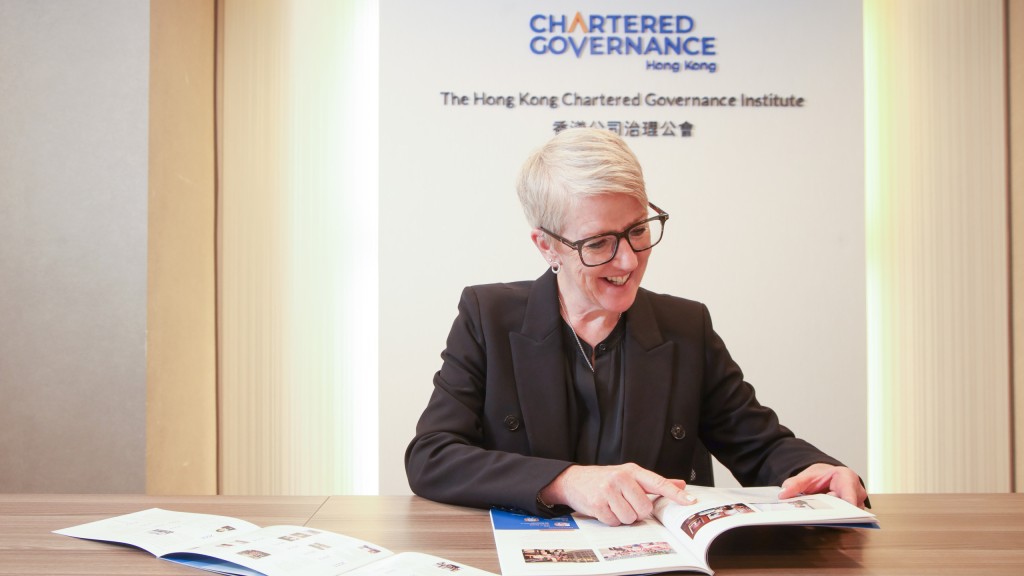
During Meller’s previous term as president of HKCGI, the organisation dropped its former name, The Hong Kong Institute of Chartered Secretaries, to reflect the expanded scope of work carried out by its members.
Corporate administration, upholding corporate governance best practices and ensuring compliance with the Listing Rules remains a foundation of the profession, while senior practitioners may also deal with board structures and effectiveness, and risk management. The new name captures “this broader governance footprint”, says Meller.
She also credits the institute’s outgoing chief executive, Ellie Pang, with opening up new fields. The seventh cohort of HKCGI’s ESG Reporting Certification Course concluded last year, providing guidance on sustainability reporting and its application within organisations.
As Hong Kong builds its position as a “mega events” city, with major sporting fixtures drawing larger audiences and greater commercial interest, the governance of sports bodies is coming under closer scrutiny. HKCGI has responded through the complimentary Jockey Club HKCGI Sports Governance Certification Course, led by HKCGI, funded by The Hong Kong Jockey Club Charities Trust and with the support of the Sports Governance and Integrity Alliance (SGIA). The SGIA is a three-year partnership involving the ICAC, the Sports Federation & Olympic Committee of Hong Kong, China, the Jockey Club and HKCGI.
The course provides internationally benchmarked training for people serving Hong Kong’s national sports associations, with limited places available to HKCGI members and students.
A sports association, says Meller, must account for its decisions, money and conduct, while answering to its key stakeholders - athletes, supporters, sponsors and governing bodies. “We’ve all read over time about issues relating to athlete selection, relating to match fixing,” she says. “Sports is like any organisation. It has its group of stakeholders.”
Broadening the profession also means bringing in a new generation. HKCGI has been making governance careers more accessible through targeted outreach to schools and university students, employing education animations, research paper competitions, mentoring and summer internships to connect and engage with them.
“How do we sell governance as a concept, particularly to younger people, and make them realise that it’s actually something very tangible and something interesting?” Meller asks.
The question will follow her into the global presidency. CGI comprises nine divisions, with Hong Kong/China division being the fastest-growing, now with about 10,000 members, graduates and students. Common professional standards and a locally adapted qualifying programme allow credentials earned in one division to be recognised across the organisation.
Meller wants the divisions to achieve more collectively. “How can eight plus one not equal nine, but equal 10, 11 or 12?” she asks.
While principles such as accountability, fairness and integrity are universal, governance priorities vary. To ensure its global framework remains relevant across jurisdictions, CGI is reviewing its qualifying programme, including its sustainability content, and will bring the divisions together at its first global governance conference in Kuala Lumpur in September.
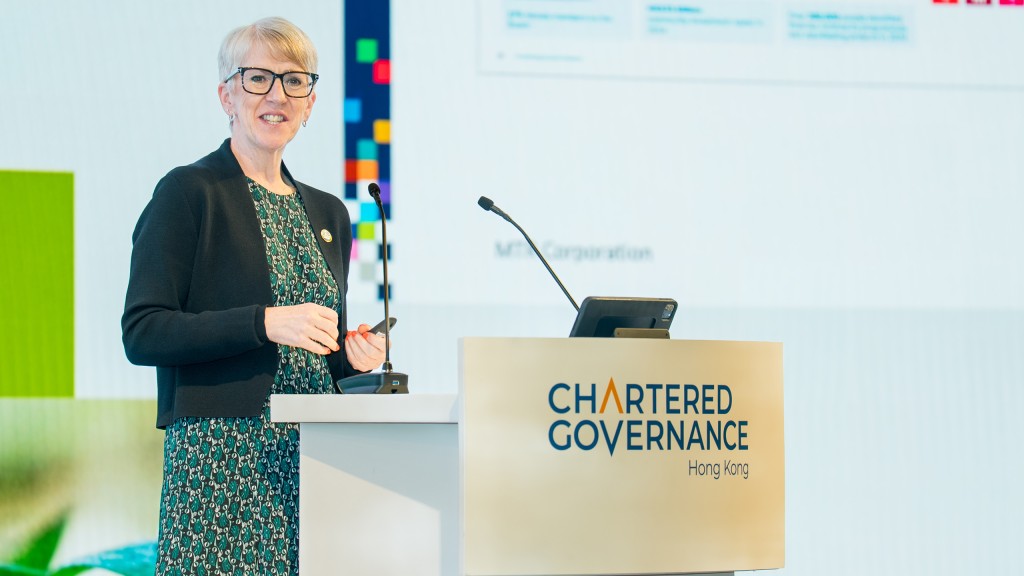
Meller takes office during a period of geopolitical strain, when faith in globalisation has weakened and agreement on common standards can be harder to secure.
Hong Kong will remain her base. She also sees the institute as having a part to play in the city’s position as an international financial centre, as stronger governance breeds confidence in the market.
Strategically designed and properly executed, a robust governance framework gives organisations the confidence to act, makes clear who is answerable for decisions and allows risks to be challenged before damage is done, she concludes.
