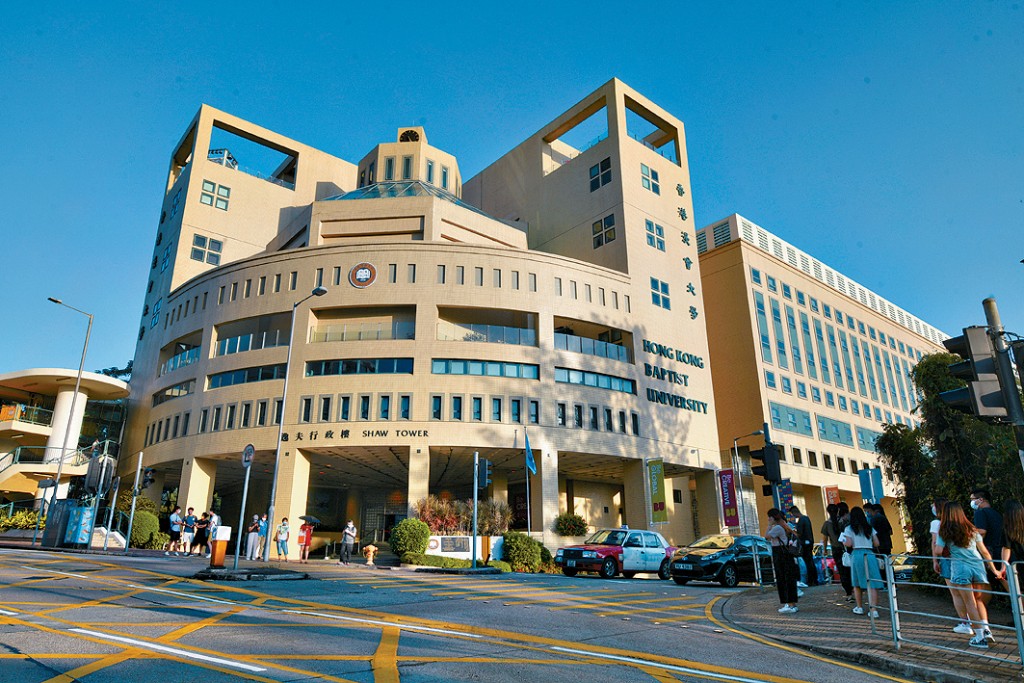
Hong Kong Baptist University (HKBU) is embedding artificial intelligence across its curriculum, research, and practical training to cultivate interdisciplinary professionals who balance technical expertise with ethical responsibility.
Starting in the 2025/26 academic year, the university introduced a compulsory AI Literacy course into its general education syllabus.
Taught by a diverse faculty spanning the sciences, creative arts, business, and humanities, the course requires students to debate AI ethics to foster critical thinking on the societal impacts of technology.
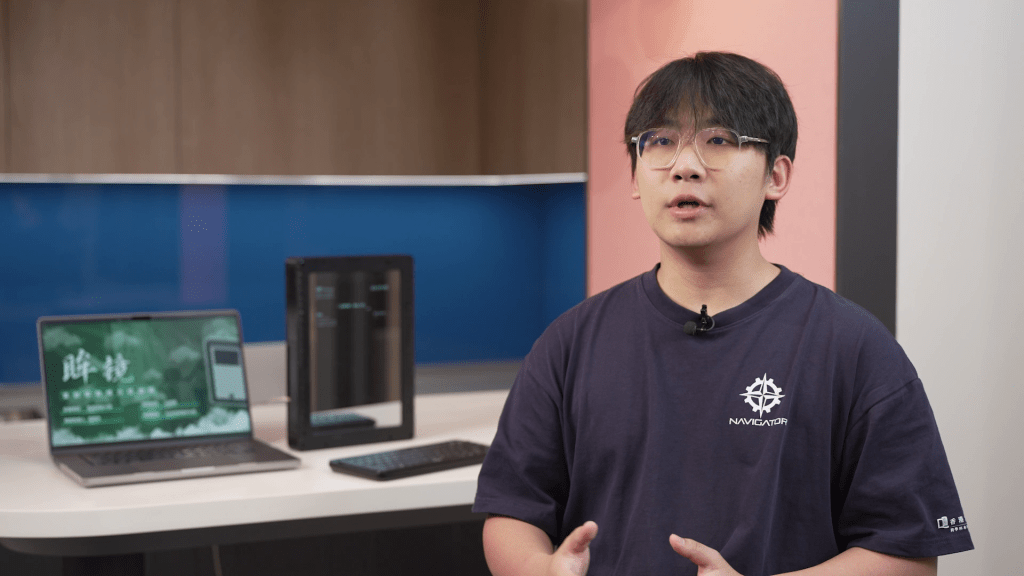
This focus on practical, cross-disciplinary applications has already inspired several award-winning student innovations. Second-year student Tang Canyu was recognized as one of the region's top creative youth for leading the Eye Mirror project, a home-based vision assessment device featuring automatic distance detection and voice interaction.
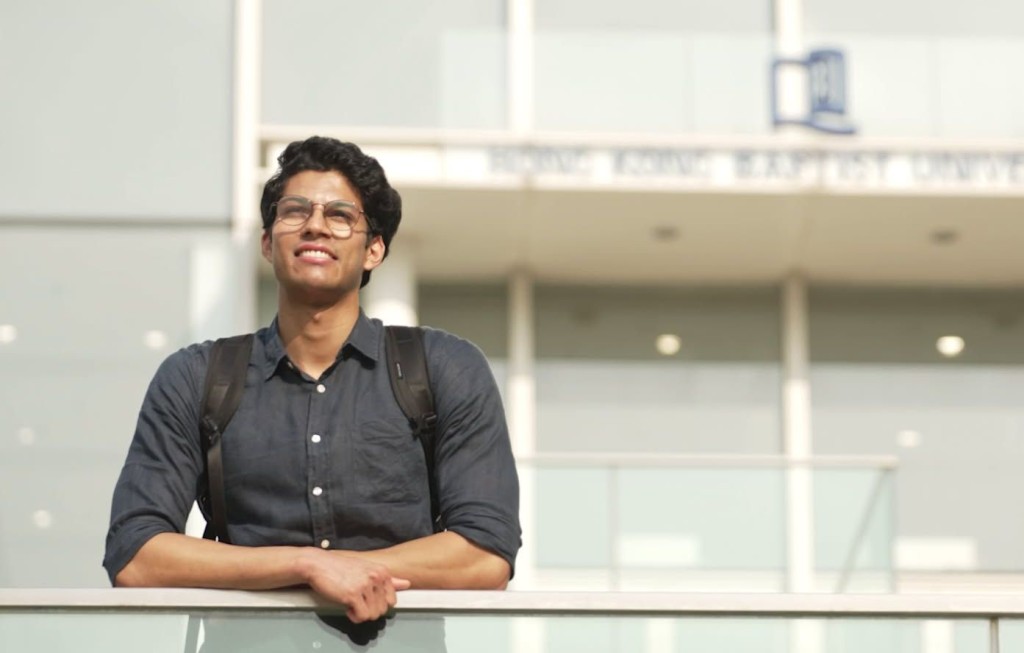
Additionally, undergraduate Vishal Ginni and his team developed NorthStar, an AI-driven interview simulation platform designed to help job seekers reduce anxiety through automated conversation analysis.
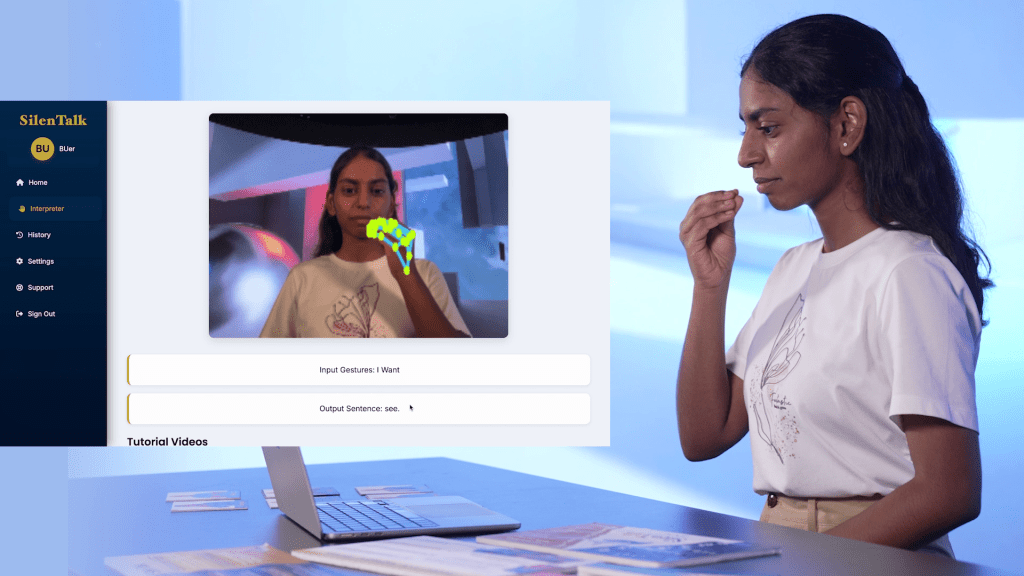
Meanwhile, student Christina Grace Klasanakoti’s team created SilenTalk, a real-time AI translation system that converts American Sign Language into readable text, offering an affordable communication solution for the hearing-impaired.
Tang Canyu
Vishal Ginni
Christina Grace Klasanakoti
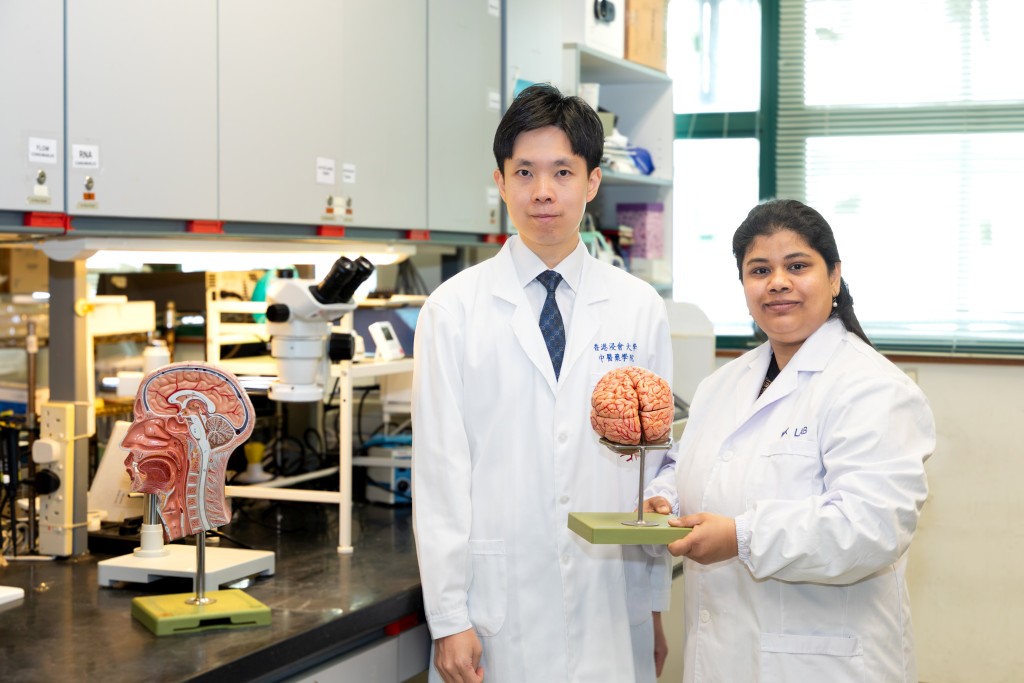
In addition, HKBU has expanded its taught postgraduate programs covering AI and data analytics in recent years. These include Master of Science programs in Data Analytics and Artificial Intelligence, Artificial Intelligence and Digital Media, both of which are backed by the University Grants Committee’s Hong Kong Future Talents Scholarship Scheme for Advanced Studies.
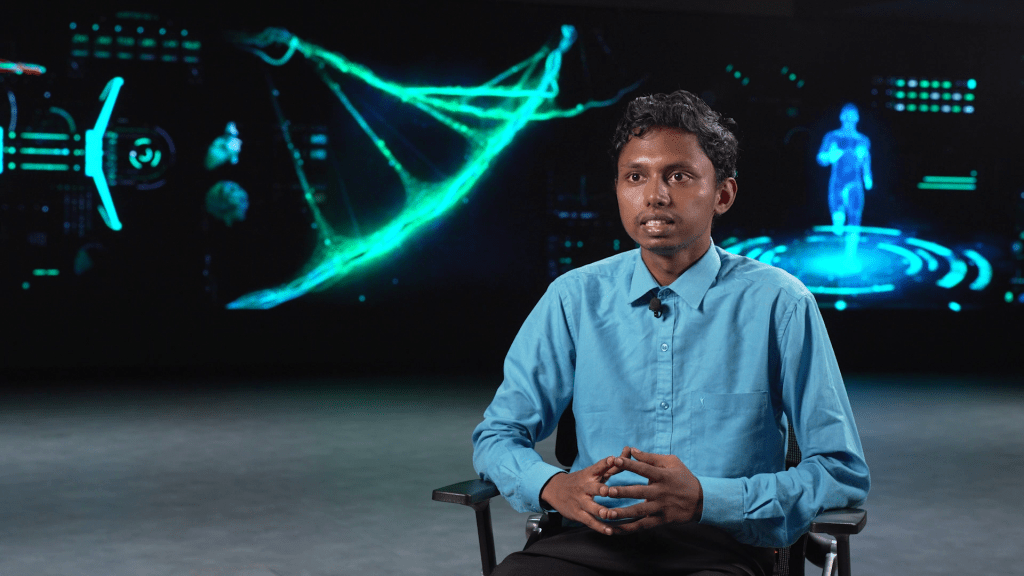
Master’s student Soundarajan Narayanan recently secured a Bronze Award at the tenth Hong Kong Techathon+ for developing an AI health-tracking system for high-risk patients.
Soundarajan Narayanan
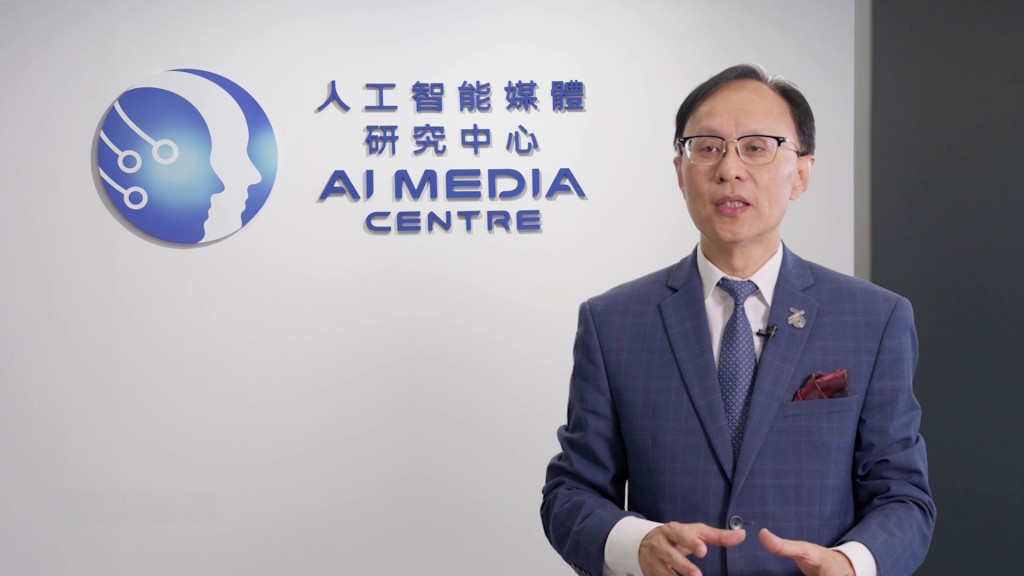
Professor Zhong Bu, dean of the School of Communication
He credited the program's training in machine learning, predictive modeling, and AI safety with helping him rapidly apply his skills to competitions, adding that the university's balance of technical and ethical education gave him the confidence to pursue this career path.
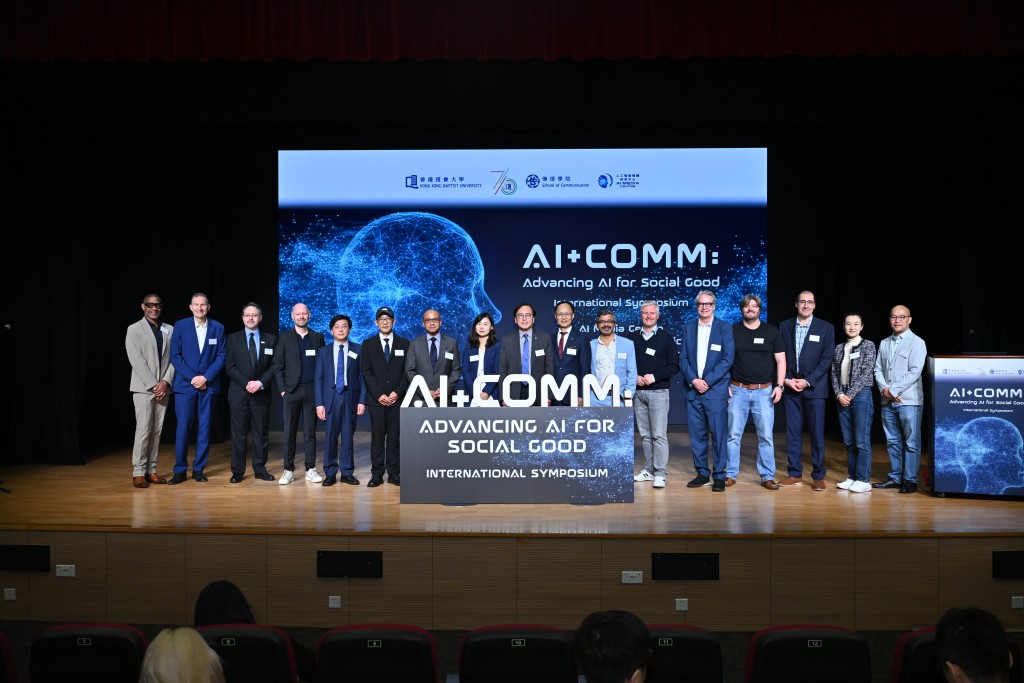
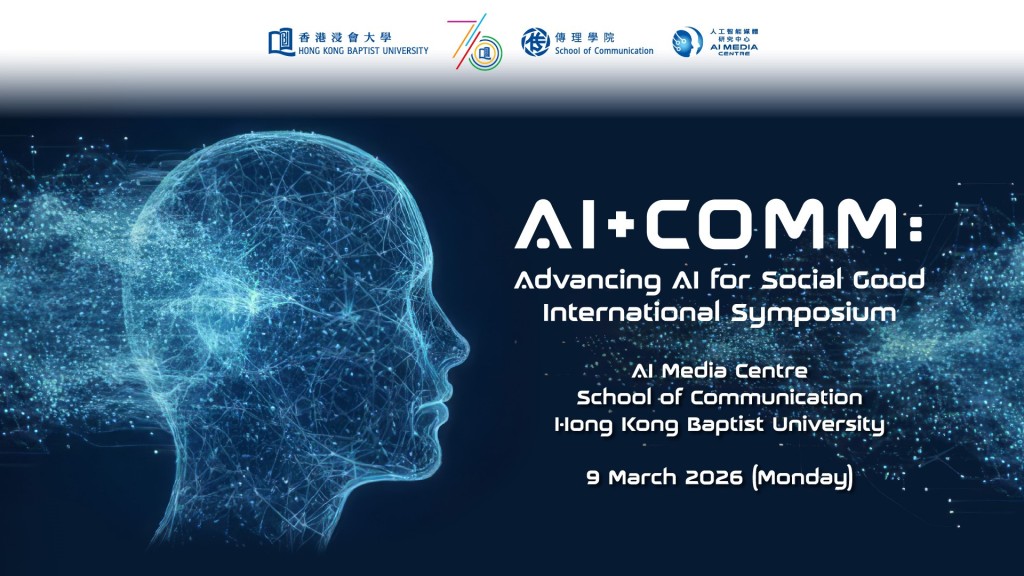
To further support these initiatives, the university has launched the city's first AI Media Centre.
According to Professor Zhong Bu, dean of the School of Communication, the center operates on a human-centric philosophy, transforming academic research into practical social welfare tools that target misinformation, financial fraud, and mental health challenges.