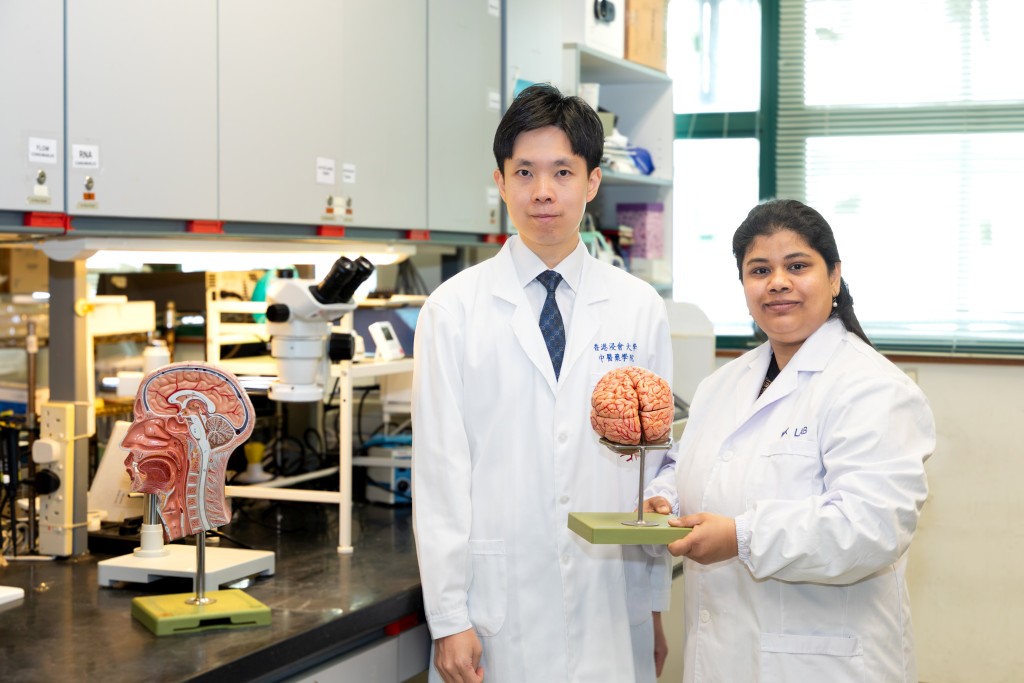
Hong Kong Baptist University (HKBU) says it hopes to collaborate with all three existing medical schools through Hong Kong’s first Chinese Medicine Hospital, aiming to position the city as a global center for both Chinese and Western medicine research and development.
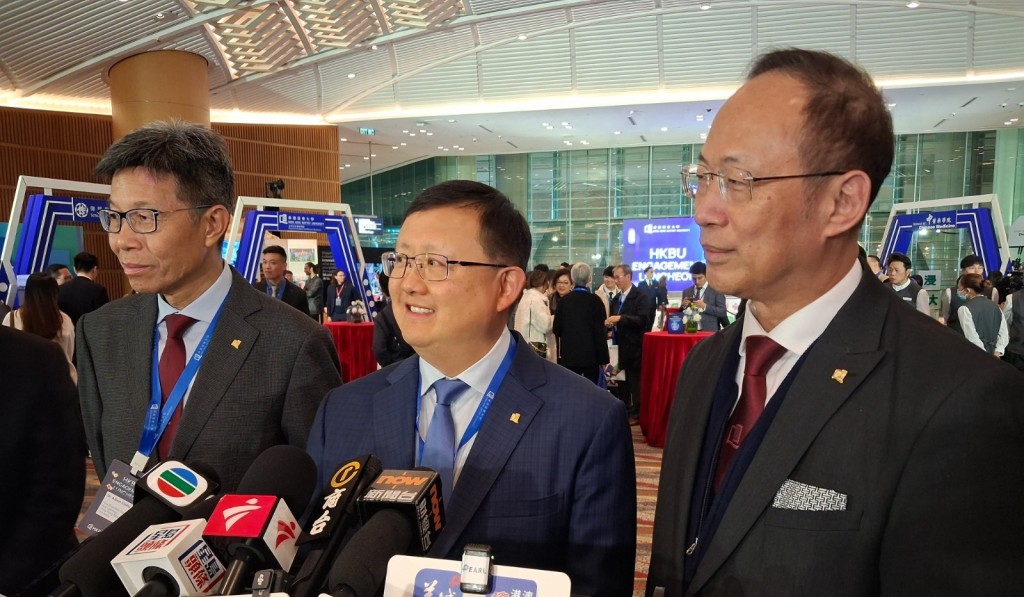
Speaking at the university’s luncheon on Wednesday, HKBU council and court chairman Kennedy Wong Ying-ho reaffirmed his congratulations to the Hong Kong University of Science and Technology (HKUST) for being recommended to establish a new medical school.
He said HKBU will not slow its own pace, particularly with the Chinese Medicine Hospital set to open on December 11.
Wong noted that the new hospital is equipped with comprehensive clinical facilities that could be utilized by HKUST medical students under potential collaboration arrangements.
The university, he added, is eager to work with all three medical schools in Hong Kong to advance Chinese medicine research and strengthen the city’s role as a hub for integrated Chinese and Western medical R&D.
Wong said the government has adopted a holistic approach in considering universities’ proposals, emphasizing long-term development over purely financial considerations.
Although there is public interest in establishing a fourth medical school, he stressed that “this will not be a matter for today.”
Meanwhile, HKBU president and vice-chancellor Alexander Wai Ping-kong said that throughout the process of promoting the new medical school proposal, the university has engaged with numerous world-class experts.
He hopes to attract them to continue their research in Hong Kong, noting that some have already agreed to participate in collaborative projects that support the development of both Hong Kong and mainland China.
Regarding non-local admissions, vice-president Albert Chau Wai-lap said he expects non-local students to make up about 40 to 50 percent of the cohort in the future.
He acknowledged ongoing challenges, including accommodation shortages across institutions, and emphasized the need to hire more faculty members to maintain teaching quality. As a result, any increase in enrollment will be phased in gradually.