Read More
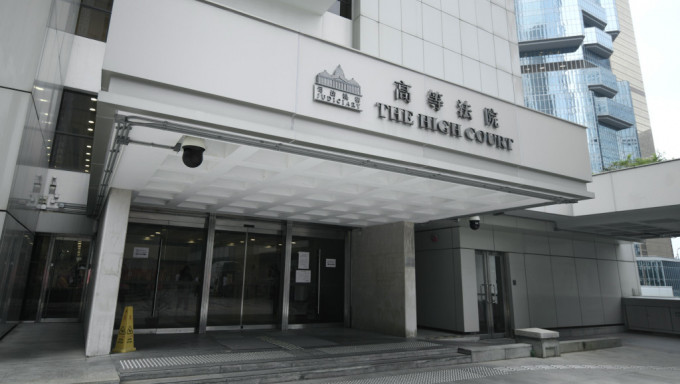
Hong Kong’s High Court on Friday dismissed a judicial review filed by the Hong Kong Journalists Association (HKJA) challenging the Transport Department’s revised vehicle registration search arrangement, which the group argued restricted press freedom.
ADVERTISEMENT
SCROLL TO CONTINUE WITH CONTENT
The case arose after the department introduced new procedures for vehicle license plate searches following the 2023 Court of Final Appeal ruling that overturned the conviction of journalist Bao Choy Yuk-ling.
Under the updated system, applications submitted for journalistic purposes are no longer automatically approved. Instead, the Transport Department requires applicants to provide more detailed explanations regarding the purpose and value of the requested information.
The HKJA filed the judicial review the same year, arguing that the new arrangement violated freedom of expression and press freedom. The association asked the court to declare the policy unconstitutional.
However, High Court judge Russell Coleman ruled against the association on Friday morning, dismissing the application.
The HKJA was listed as the applicant in the case, while the Commissioner for Transport was named as the respondent.
The dispute traces back to the case involving Choy, then a producer with RTHK’s investigative program Hong Kong Connection. Choy conducted vehicle registration searches as part of an investigation into the July 21 Yuen Long incident.
She was later convicted on two counts of knowingly making false statements in the search applications and fined HK$6,000.
In June 2023, the Court of Final Appeal overturned the conviction. The top court held that there was no justification for restricting the use of vehicle search records only to matters related to traffic and transport, nor for excluding genuine journalistic investigations.
Following the ruling, the Transport Department introduced new procedures governing how its vehicle registry is assessed, requiring journalists to submit written applications before they can access the personal information of vehicle owners for professional purposes.
Instant access is now limited to people whose requests fall under seven categories, including insurance claims, legal proceedings involving vehicles and their sale and purchase.