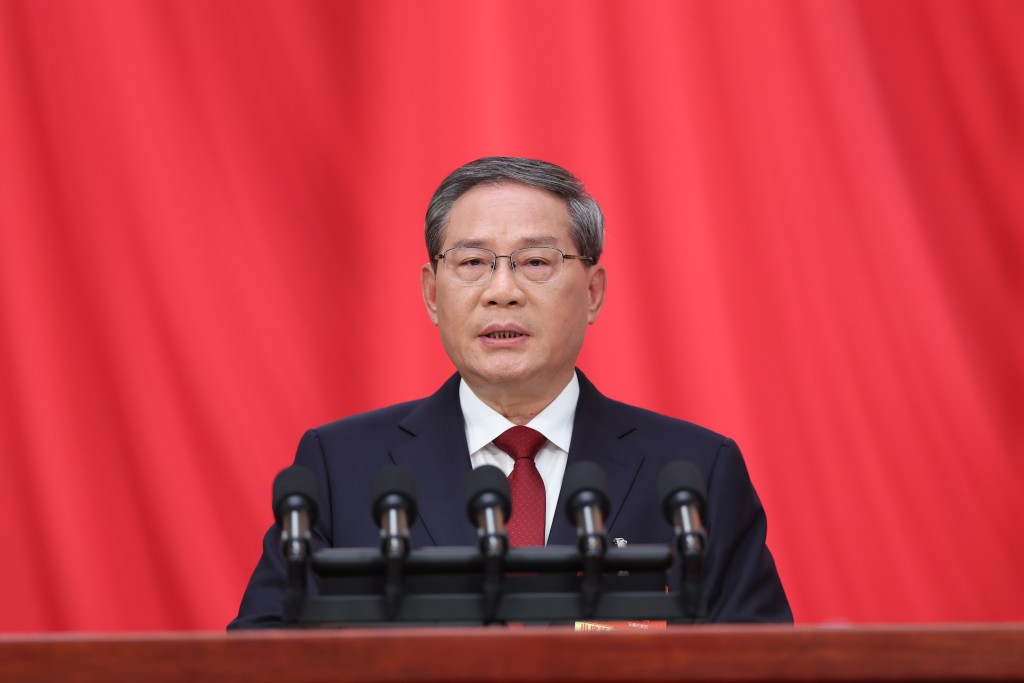
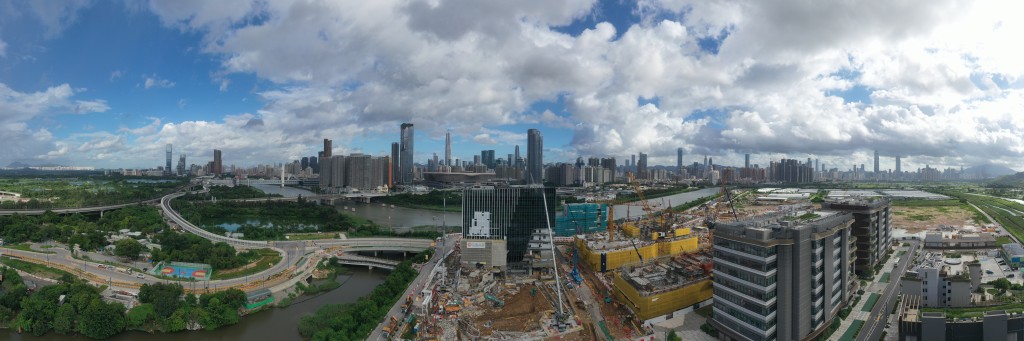
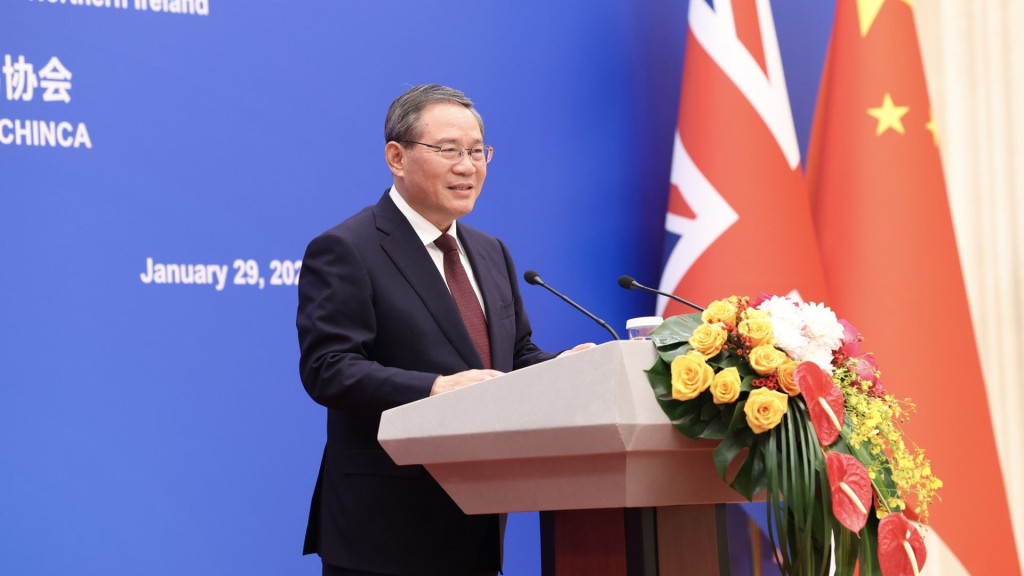
In his annual government work report delivered on Thursday, Chinese Premier Li Qiang unveiled plans to transform the Guangdong-Hong Kong-Macau Greater Bay Area, the Beijing-Tianjin-Hebei Region, and the Yangtze River Delta into international innovation and technology hubs over the next year.
Li emphasized that the central government is committed to achieving high-level self-reliance in science and technology, a move aimed at supporting the nation’s high-quality economic development.
He highlighted the importance of strengthening enterprises as the main engines of innovation, supporting leading technology firms to form innovation consortia, and accelerating the practical application of scientific and technological breakthroughs.
Li also pledged further support for developing these regions into world-class city clusters, reinforcing their roles as economic and innovation powerhouses.
The report outlined plans to upgrade traditional industries, including allocating 200 billion yuan from ultra-long special treasury bonds for large-scale equipment renewal, and boosting the digital and intelligent transformation of small and medium-sized enterprises (SMEs).
Emerging and future industries will be expanded, focusing on integrated circuits, aerospace, biomedicine, low-altitude economy, quantum technology, 6G, and brain-computer interfaces.
The country aims to build a smart economy by deepening its “AI+” initiative, scaling up commercial AI applications, supporting open-source AI communities, and upgrading the 5G+ industrial internet.