Read More




Morning Recap - August 25, 2026
5 hours ago








IT manager sentenced to 22 months for stealing $1.2m in Deloitte laptops
21-08-2026 21:49 HKT


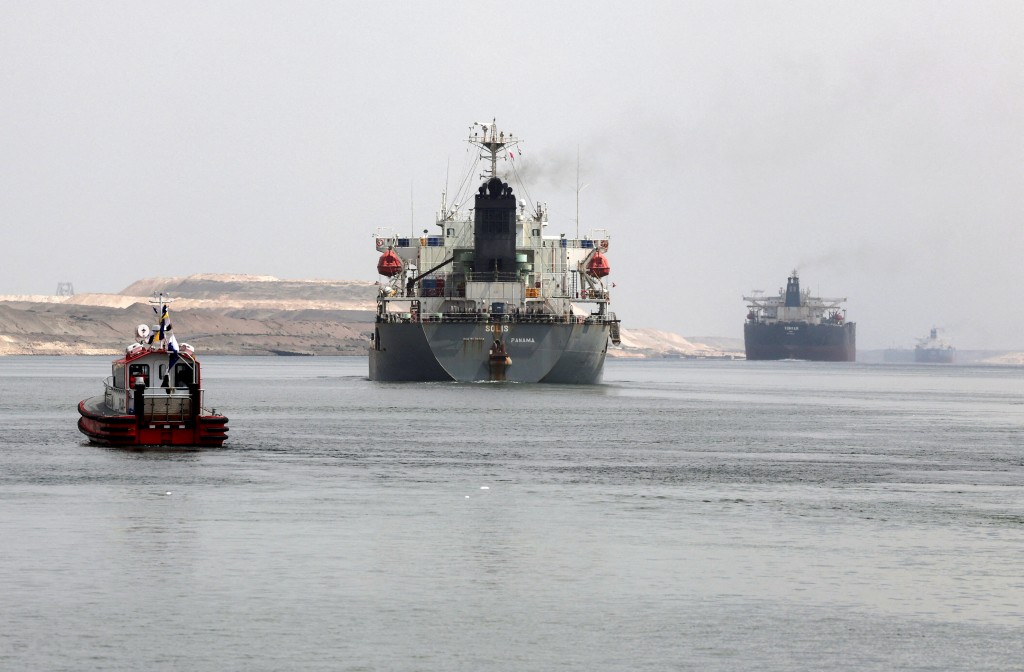
Rising tensions in the Middle East could drive up shipping costs by at least 10 percent, according to representatives from Hong Kong’s import and export sector, as uncertainty in the region begins to disrupt maritime logistics.
Tommy Chung Ki-fung, a lawmaker representing the import and export sector, said the geopolitical situation is already affecting transportation costs and shipping arrangements.
Some shipping companies have stopped accepting orders destined for the Middle East, while others have imposed additional surcharges ranging from US$1,500 to US$2,000 per shipment.
Chung made the remarks during a radio program, noting that the instability in the region could significantly increase transportation expenses for businesses engaged in international trade.
He warned that if the Strait of Hormuz were to be fully blocked, vessels might have to reroute or use alternative sea lanes.
Under such circumstances, shipping journeys could be extended by 10 days or more, pushing overall operating costs even higher.
Also speaking on the same program, Peter Hui, chairman of the Hong Kong Shippers’ Council, said the impact would be more significant for companies whose goods are directly destined for Middle Eastern markets.
Businesses shipping cargo to Europe and the United States via transshipment routes may still see higher transportation costs, he said, but the overall impact is unlikely to be severe.
The Strait of Hormuz is one of the world’s most important maritime corridors, and any disruption could ripple through global supply chains, affecting shipping routes, delivery schedules and freight prices.
Industry observers say businesses will need to closely monitor developments in the region and adjust logistics planning as the situation evolves.