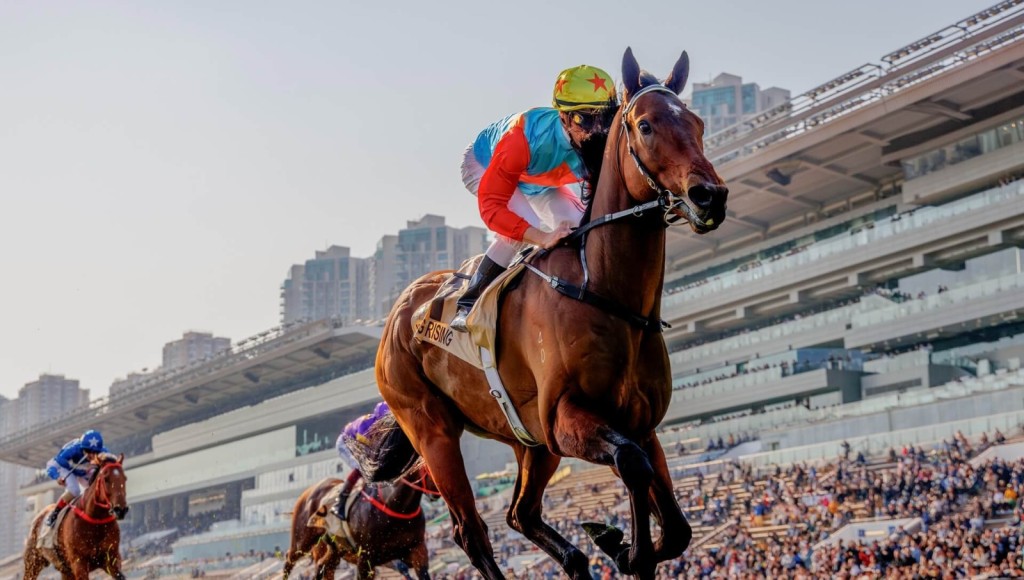
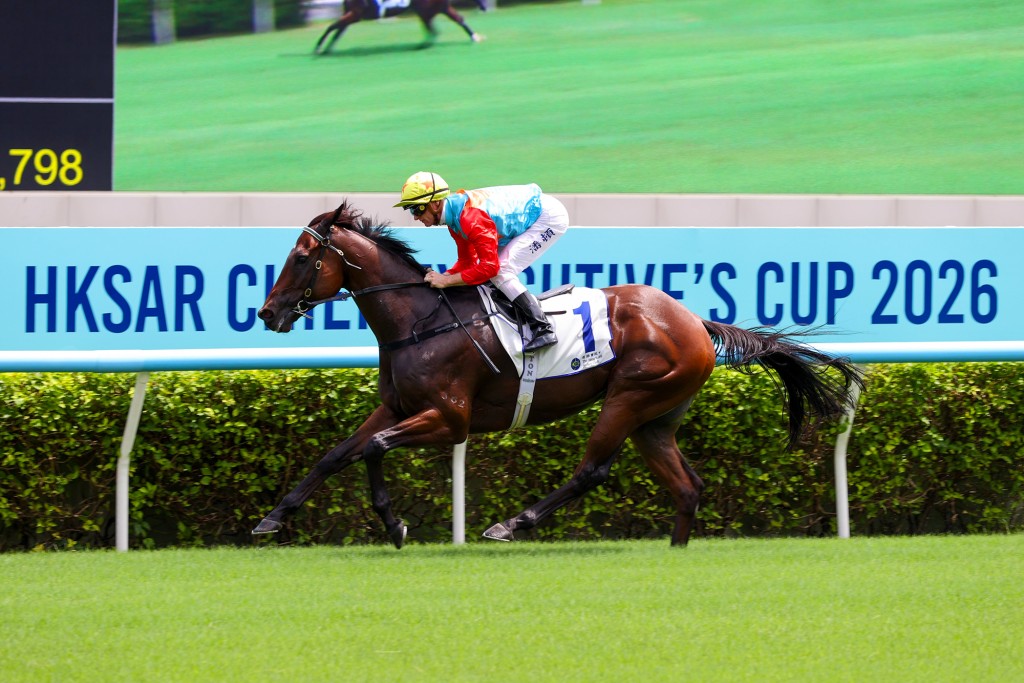
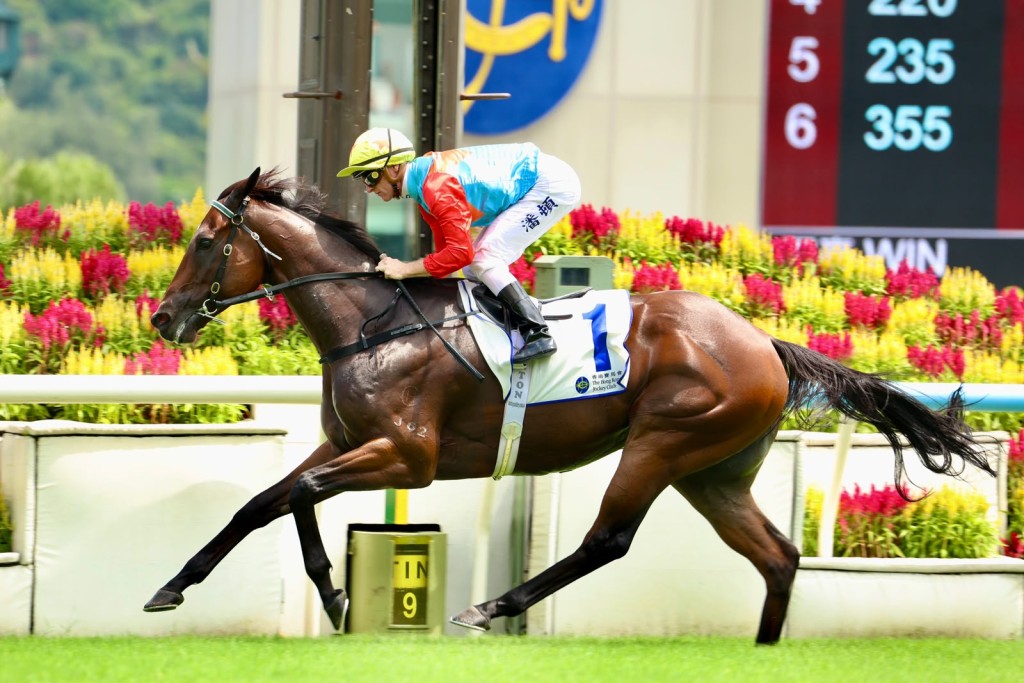
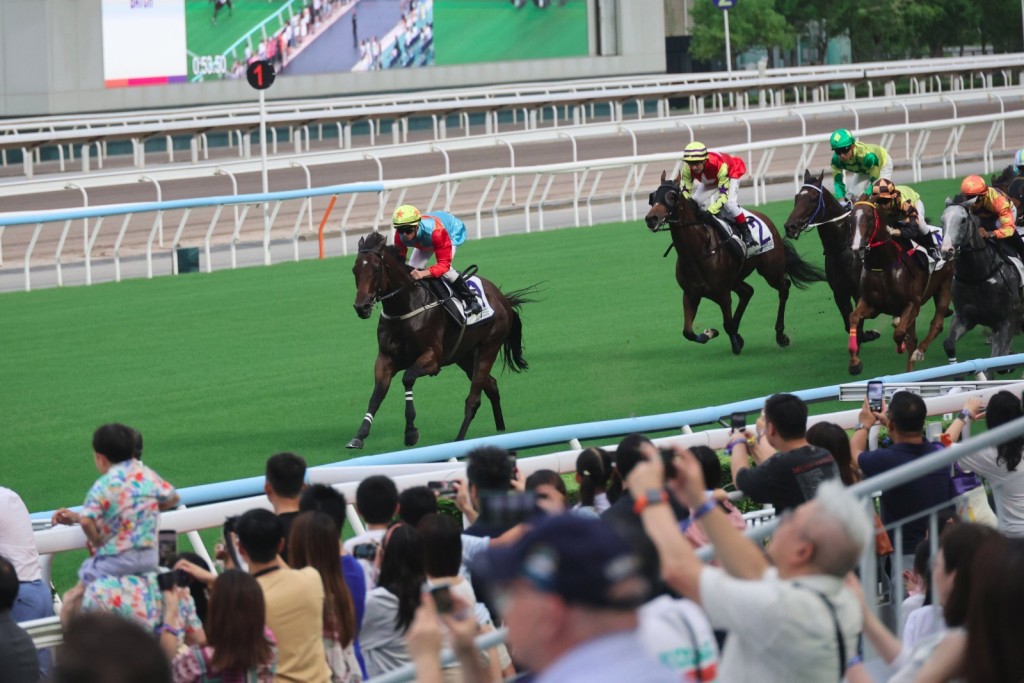
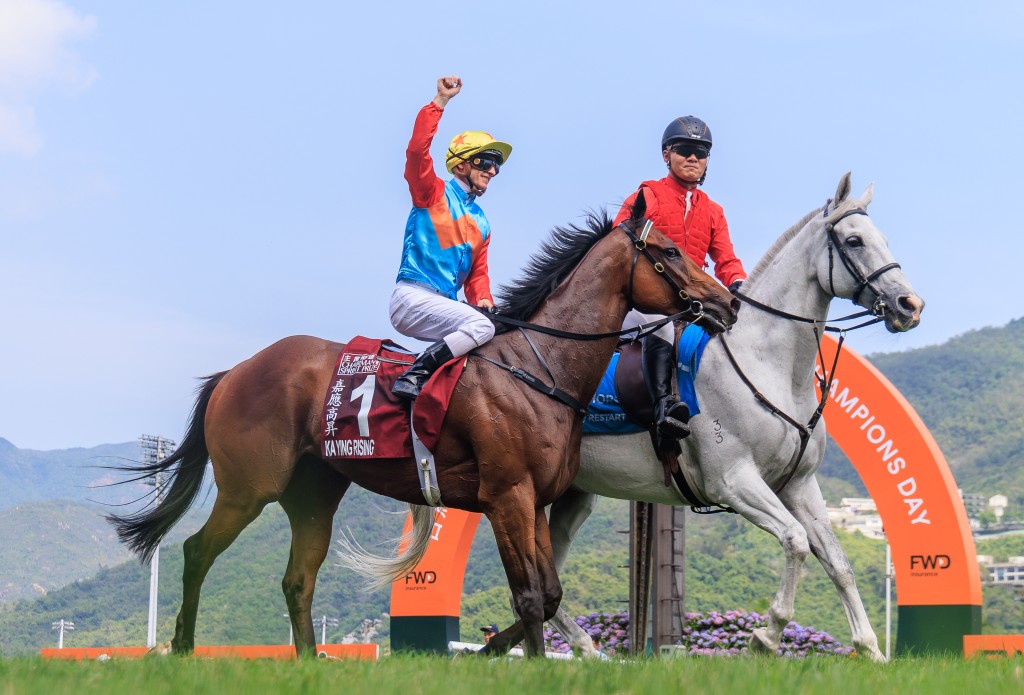
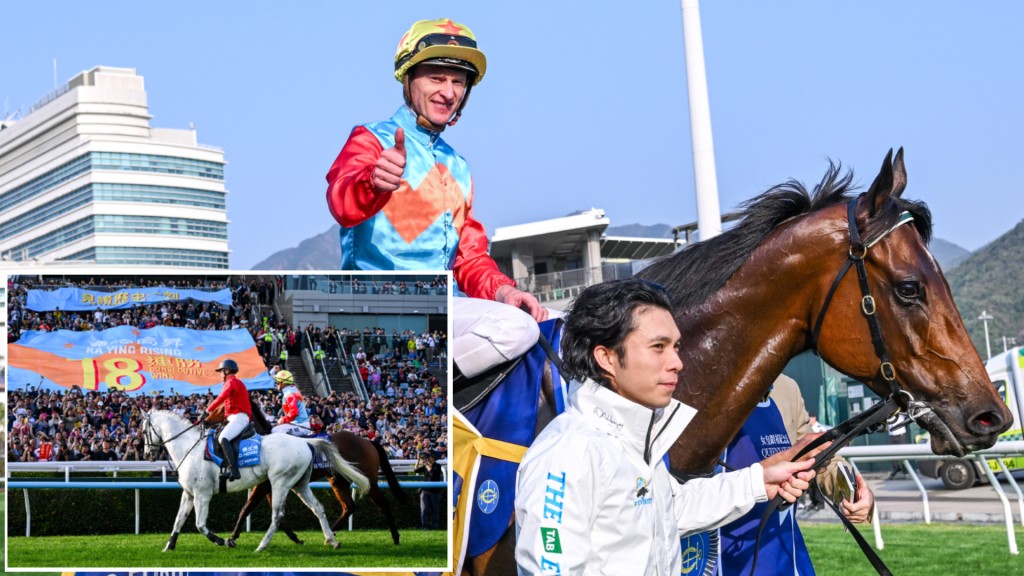
Hong Kong’s champion sprinter bids to break Silent Witness’ legendary winning streak on Sunday — and his jockey and trainer say a mainland training base is the secret weapon keeping him at his brilliant best.
At around the 300-meter mark at Sha Tin racecourse stands a bronze statue of a horse called Silent Witness — a monument to the sprinter who won 17 consecutive races and became a symbol of Hong Kong racing greatness. On the day he set that record in April 2005, racecaller David Raphael’s voice cracked with emotion: “I’ll never see anything like this again in my life.”
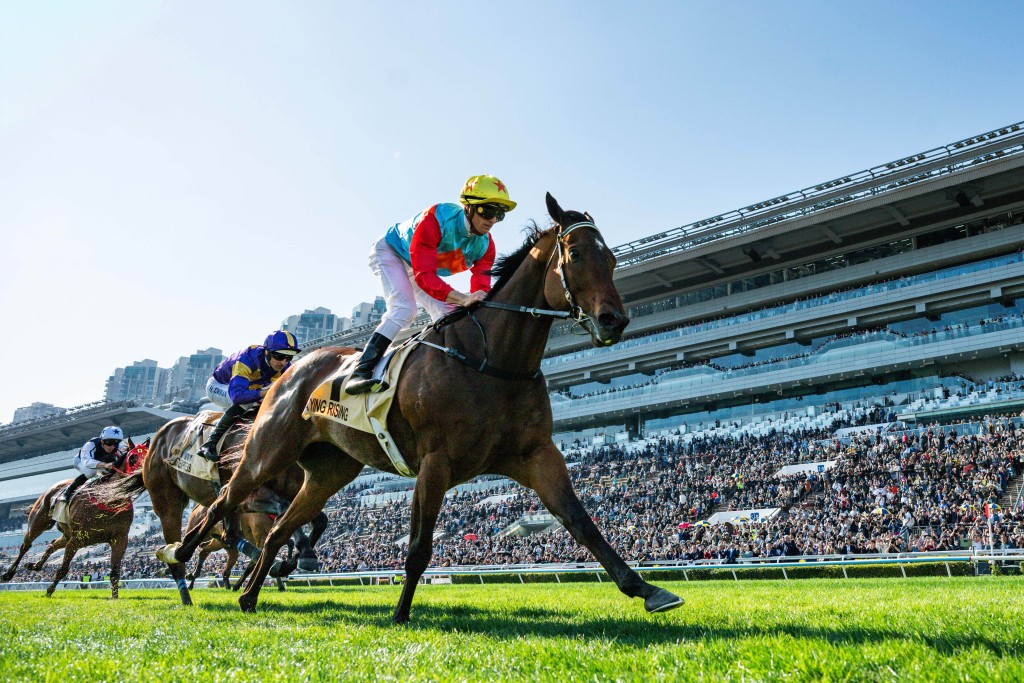
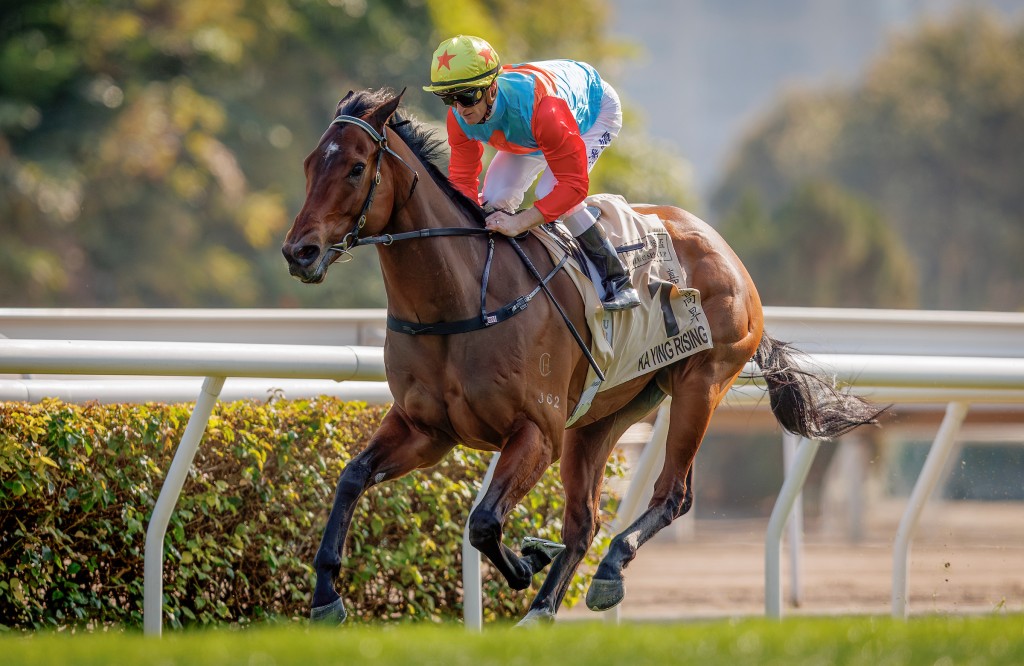
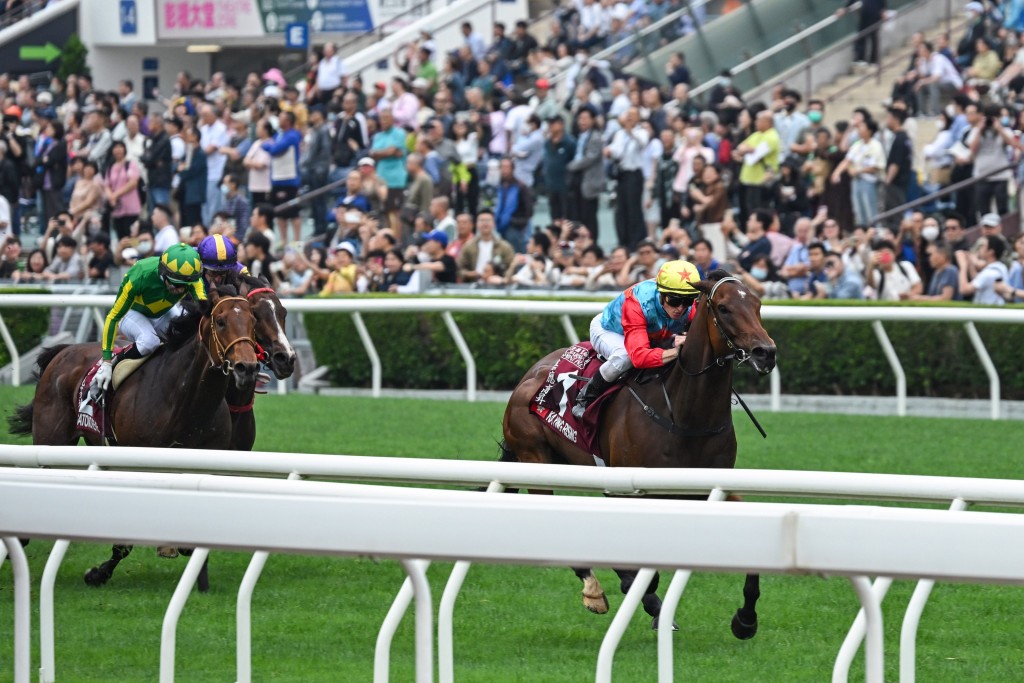
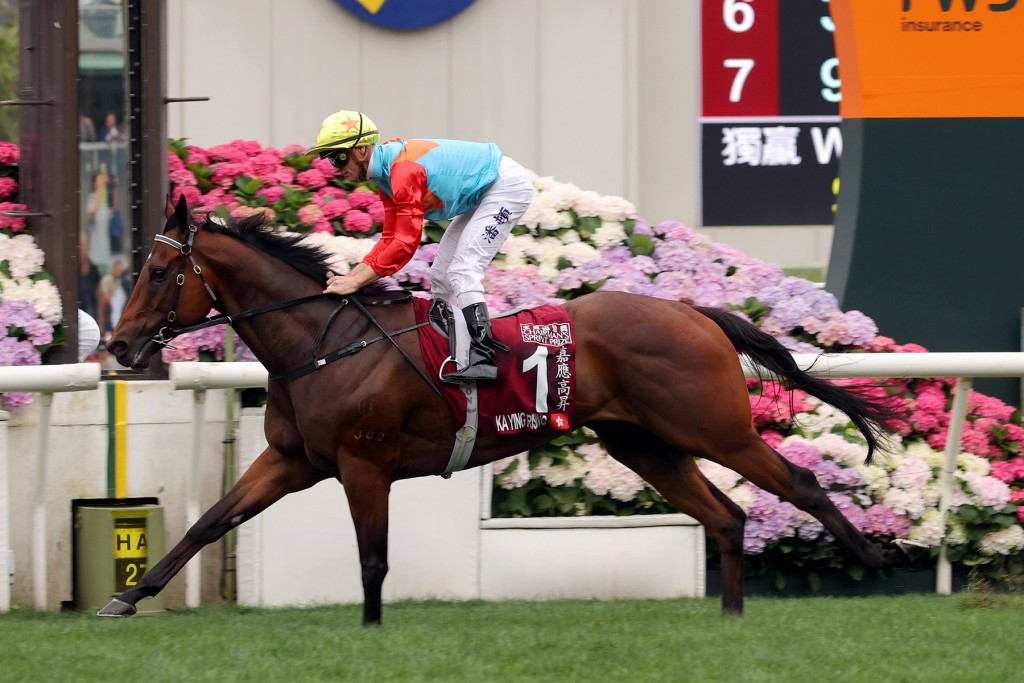
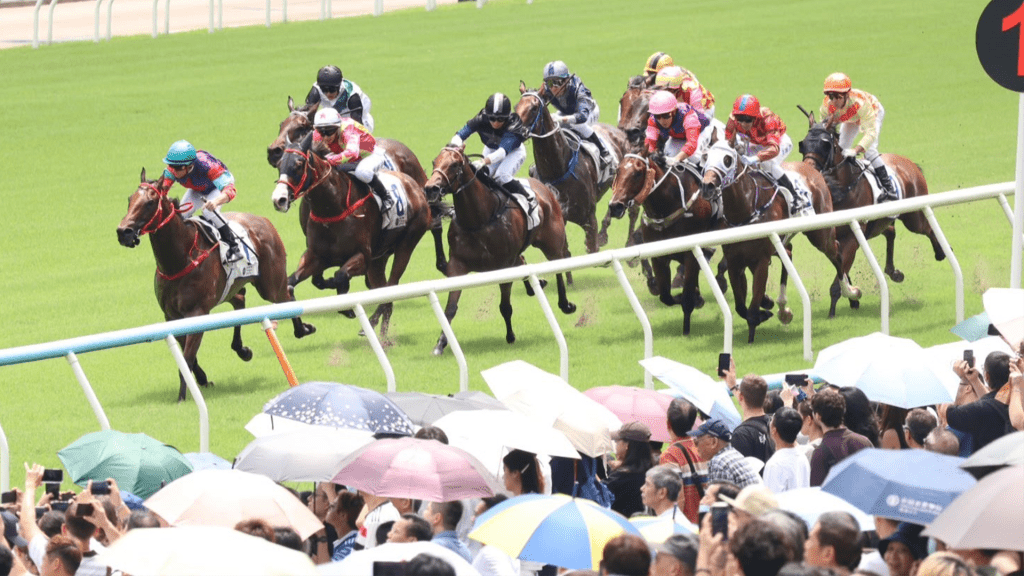
On Sunday, a five-year-old gelding named Ka Ying Rising will gallop past that statue in the Group 1 Queen’s Silver Jubilee Cup, likely already clear of his rivals. If he wins — and he is an overwhelming favorite — his 18th straight victory will make Raphael’s words redundant. Hong Kong will have seen it again. And this time, the edge isn’t just momentum — it’s management: regular trips to the Hong Kong Jockey Club’s Conghua base on the mainland, the “holiday” that keeps Ka Ying Rising thriving between runs.
It is fitting that Ka Ying Rising’s dominance tends to be sealed where Silent Witness is immortalized in bronze. He does not look imposing. But he is lethal — draining his rivals of stamina one oxygen-sapping stride after another until the race is over long before the line.
“Everyone I meet in Hong Kong speaks to me about him,” says jockey Zac Purton, the most successful rider in Hong Kong history. “Hong Kong racing is the biggest sport in the city and he’s certainly the biggest drawcard.”
What makes the streak remarkable is not just the winning but the way he keeps improving. Most sprinters are firecrackers — explosive in performance and personality, burning bright but briefly. Ka Ying Rising keeps getting quieter, kinder and more professional. His trainer and jockey believe the key is 150 kilometers north of the city: the space, grass and calm of Conghua.
The Hong Kong Jockey Club’s Conghua Racecourse, near Guangzhou in mainland China, offers what Sha Tin cannot: sprawling paddocks, grass and space. Hall of Fame trainer David Hayes calls it the cornerstone of his champion’s campaign.
“A change of environment for horses is as good as a holiday,” Hayes says. “Ka Ying thrives out of there.” Hayes limits his star to eight starts a season, sending him to Conghua between runs. “It protects him. Hopefully it will lengthen his career because we have to remember he’s only five.”
Purton agrees. “It’s mentally refreshing. Horses go up there and they relax and eat better. I know what Hong Kong’s like myself — it can be very intense. You need those little breaks.” He believes the regular trips had an unexpected bonus. “He travels so well. That helped when we took him to Australia — he’s used to being on a truck, used to moving.”
And as the Year of the Horse begins, it feels appropriate that Ka Ying Rising is the one poised to create history — at the same moment the Hong Kong Jockey Club is pushing into a bold new era of mainland racing.
Conghua’s role is growing. The Jockey Club confirmed the first regular race meeting at the state-of-the-art complex will take place on October 31 — “the launch of world-class racing in mainland China.”
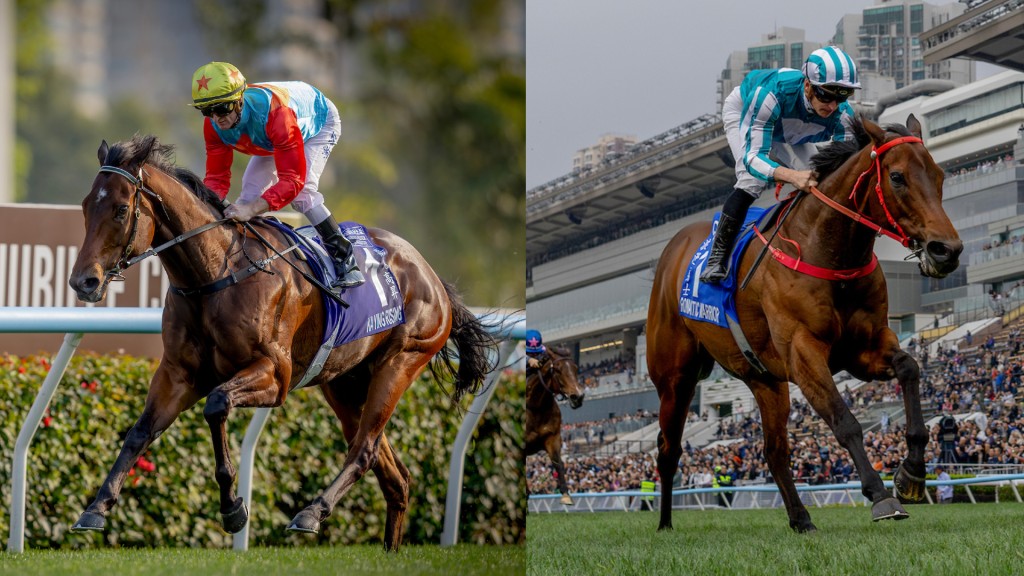
Ka Ying Rising is competing in a golden era alongside Romantic Warrior, the world’s richest racehorse, and Triple Crown miler Voyage Bubble. But it is the sprinter — trained by a man who returned to Hong Kong two decades after his first stint, during Silent Witness’ reign — who has captured the city.
“If we can keep him sound, healthy of mind and leg, he’ll be one of the all-time greats,” Hayes says. Purton reflects on what Silent Witness meant to this city, and what Ka Ying Rising is becoming: “His record was unbelievable. For Ka Ying to do similar things — it’s amazing.”
On Sunday, one more win and the record is his alone.