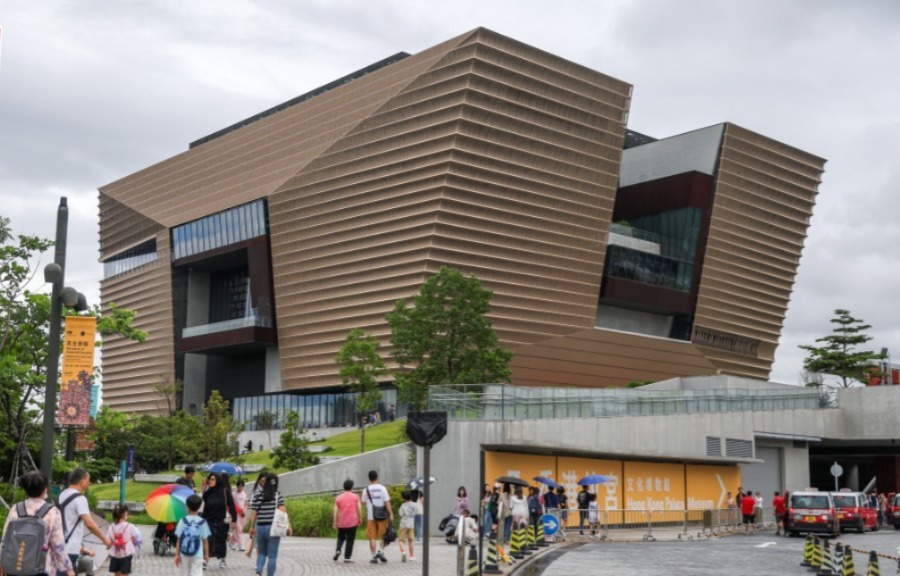
Welcoming the Year of the Horse, the Hong Kong Palace Museum fills its exhibits and merchandise with auspicious animals and artistic motifs, sending visitors blessings of good fortune.
ADVERTISEMENT
SCROLL TO CONTINUE WITH CONTENT
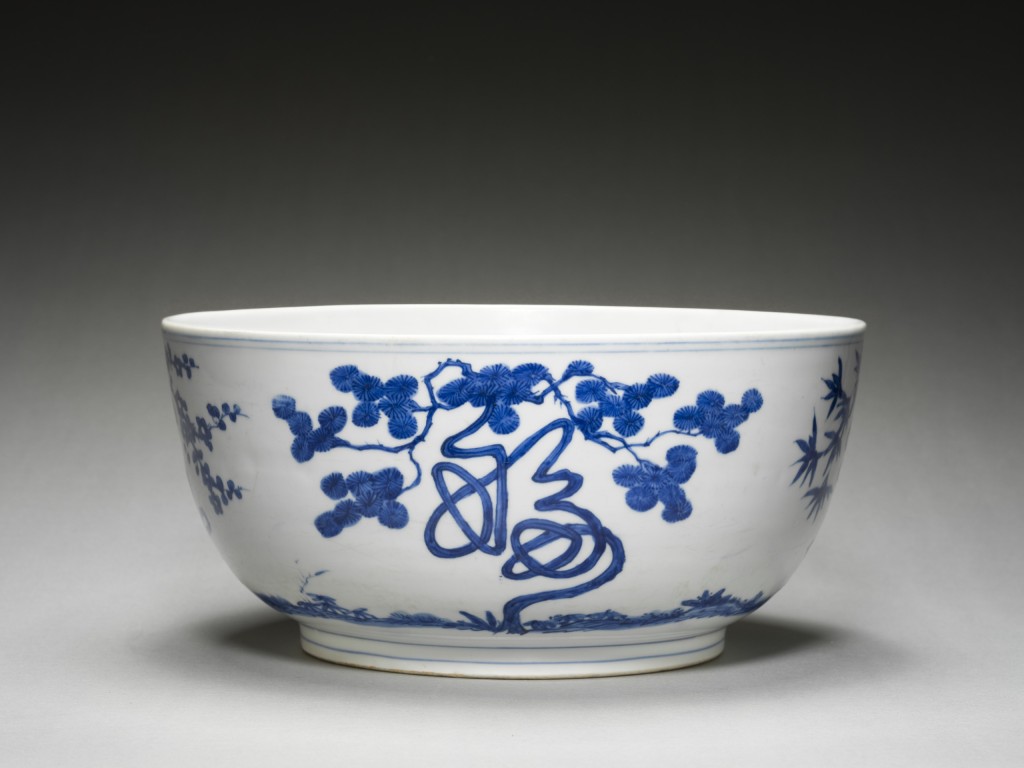
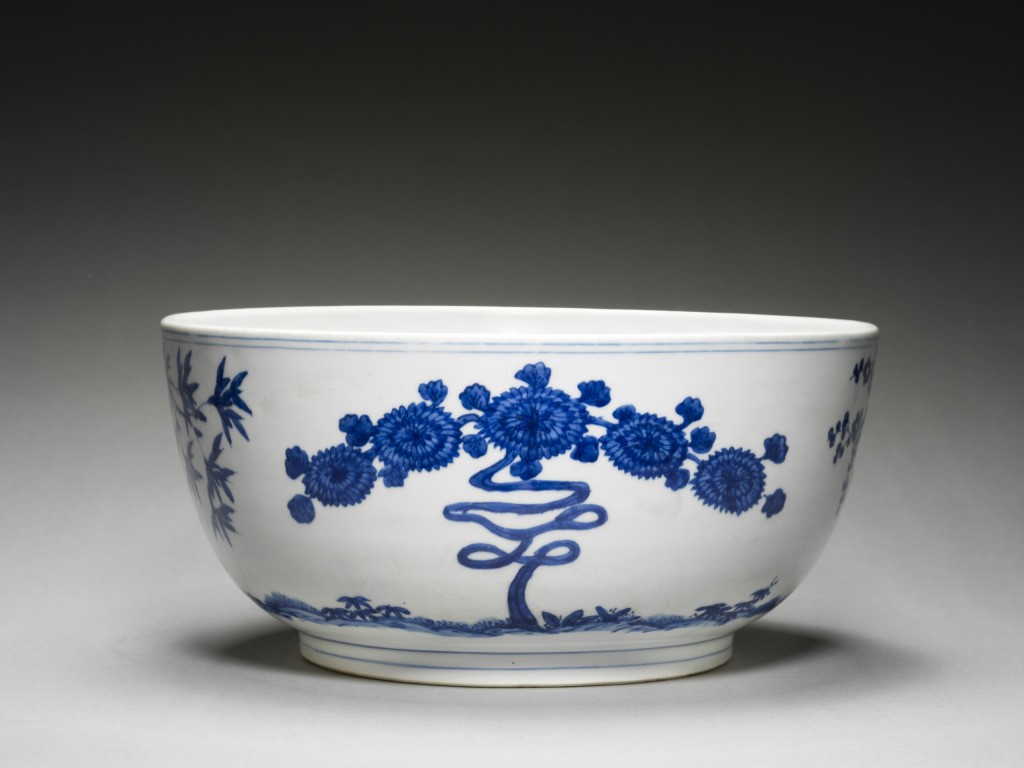
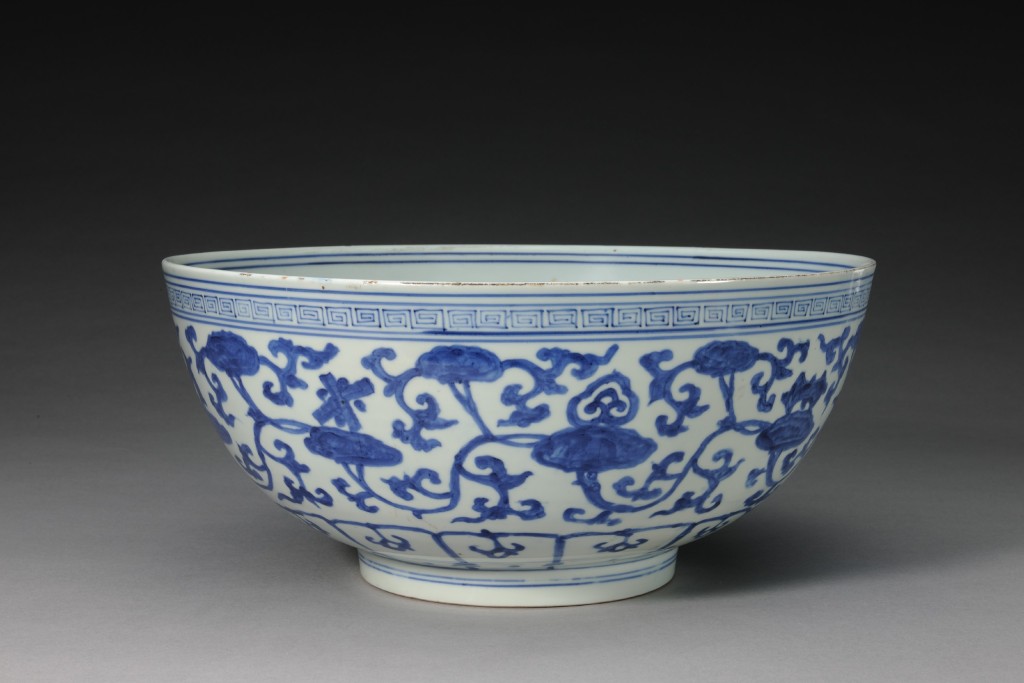
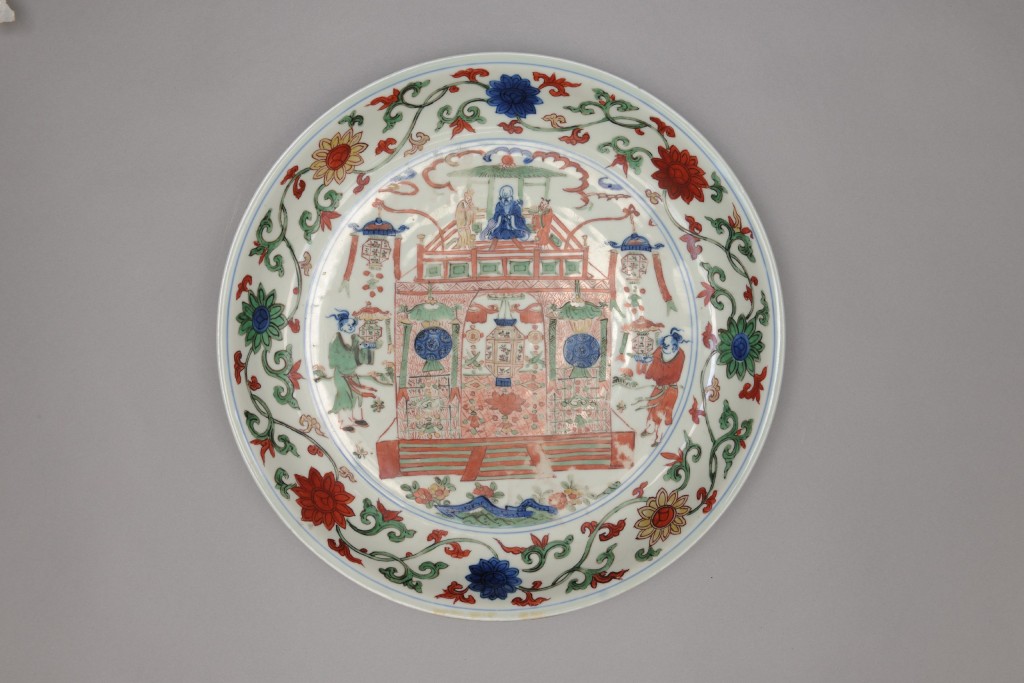
Across its galleries, visitors can find these well-wishes adorning over 100 representative ceramic treasures on display in the "Brilliance: Ming Dynasty Ceramic Treasures" exhibition.
+1
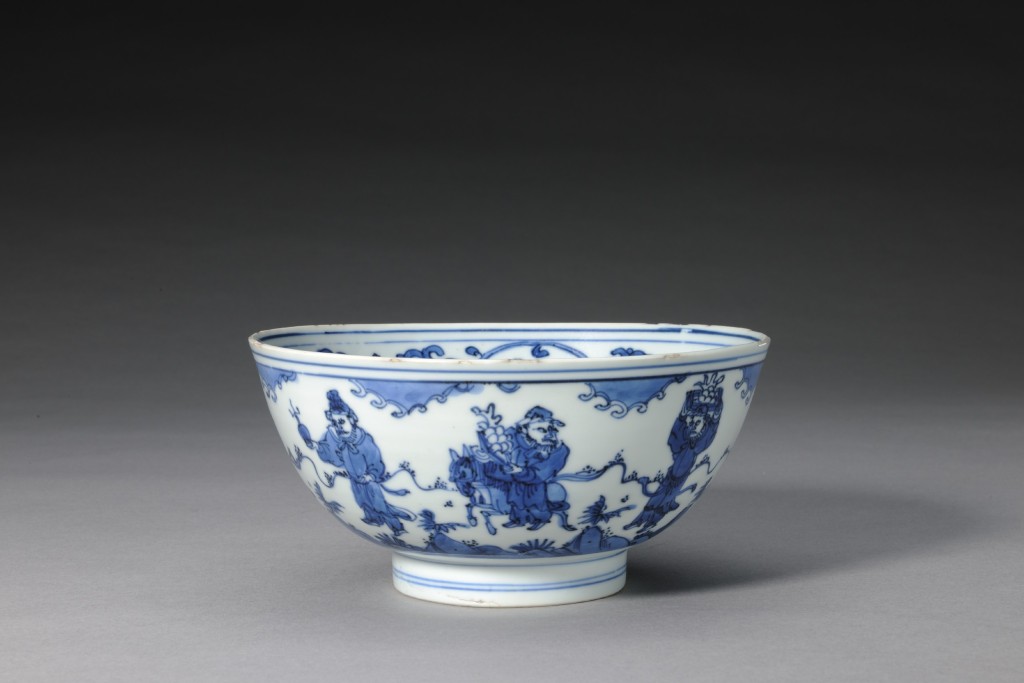
Among the highlights are bowls decorated in underglaze blue with auspicious motifs—branches of pine, bamboo, plum, and chrysanthemum intertwining to form the Chinese characters for "good fortune", "long life", "health", and "peace"—reflecting an emperor's wish for longevity and peace.
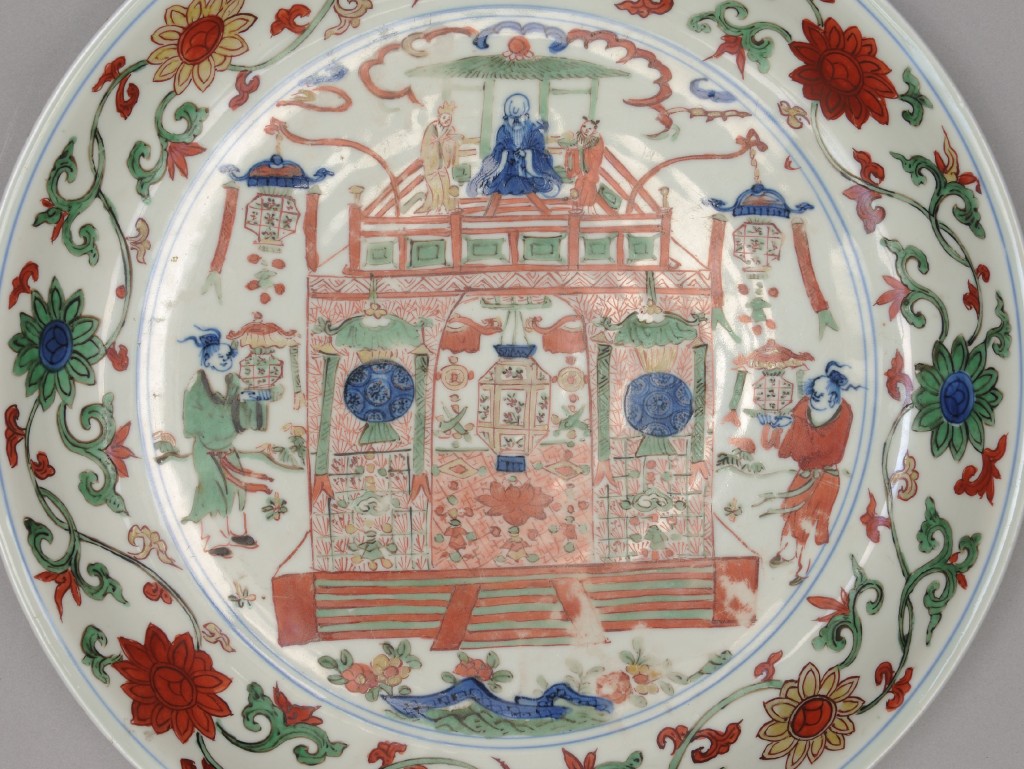
Nearby, a vibrant "wucai" (five-colour)porcelain during the Wanli period, which depicts Shou Lao, the god of longevity, surrounded by emblems of harvest.
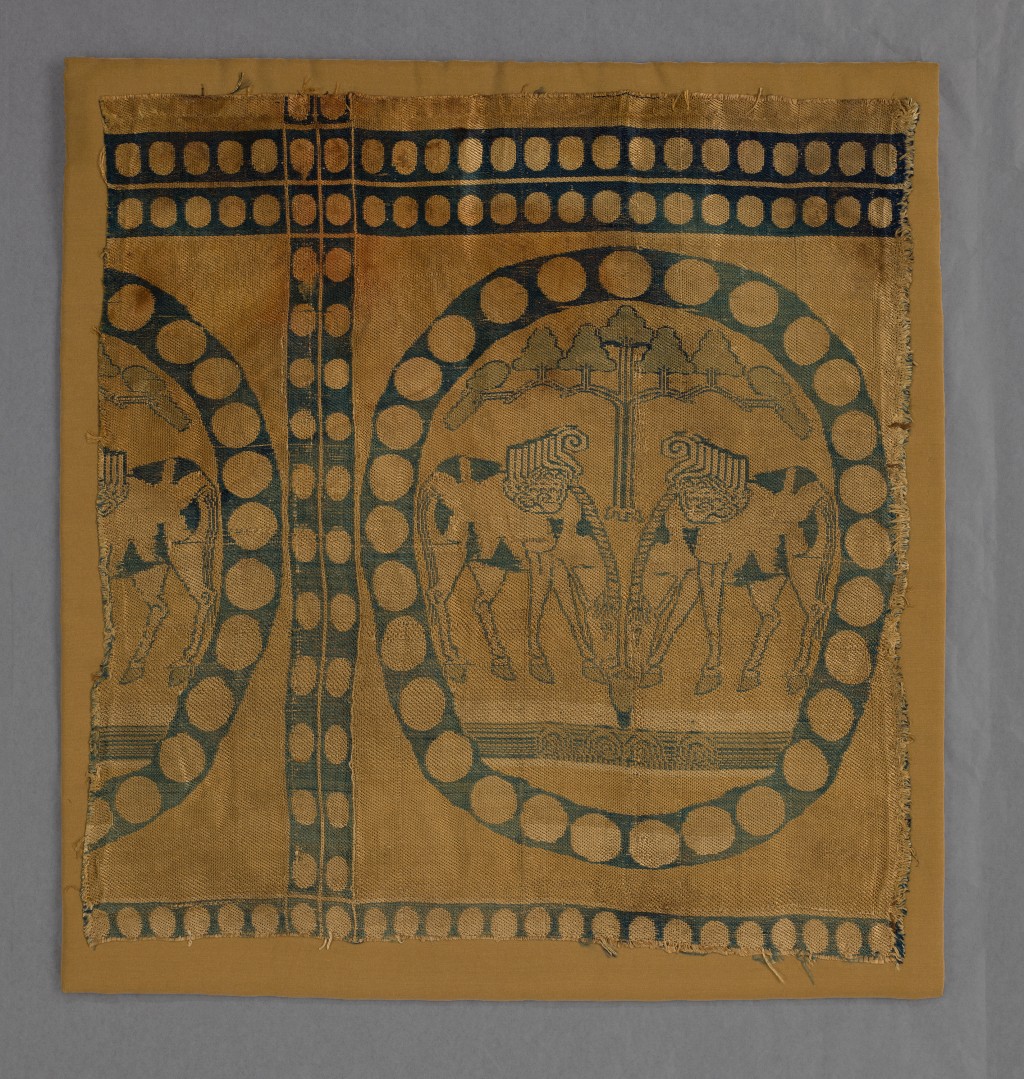
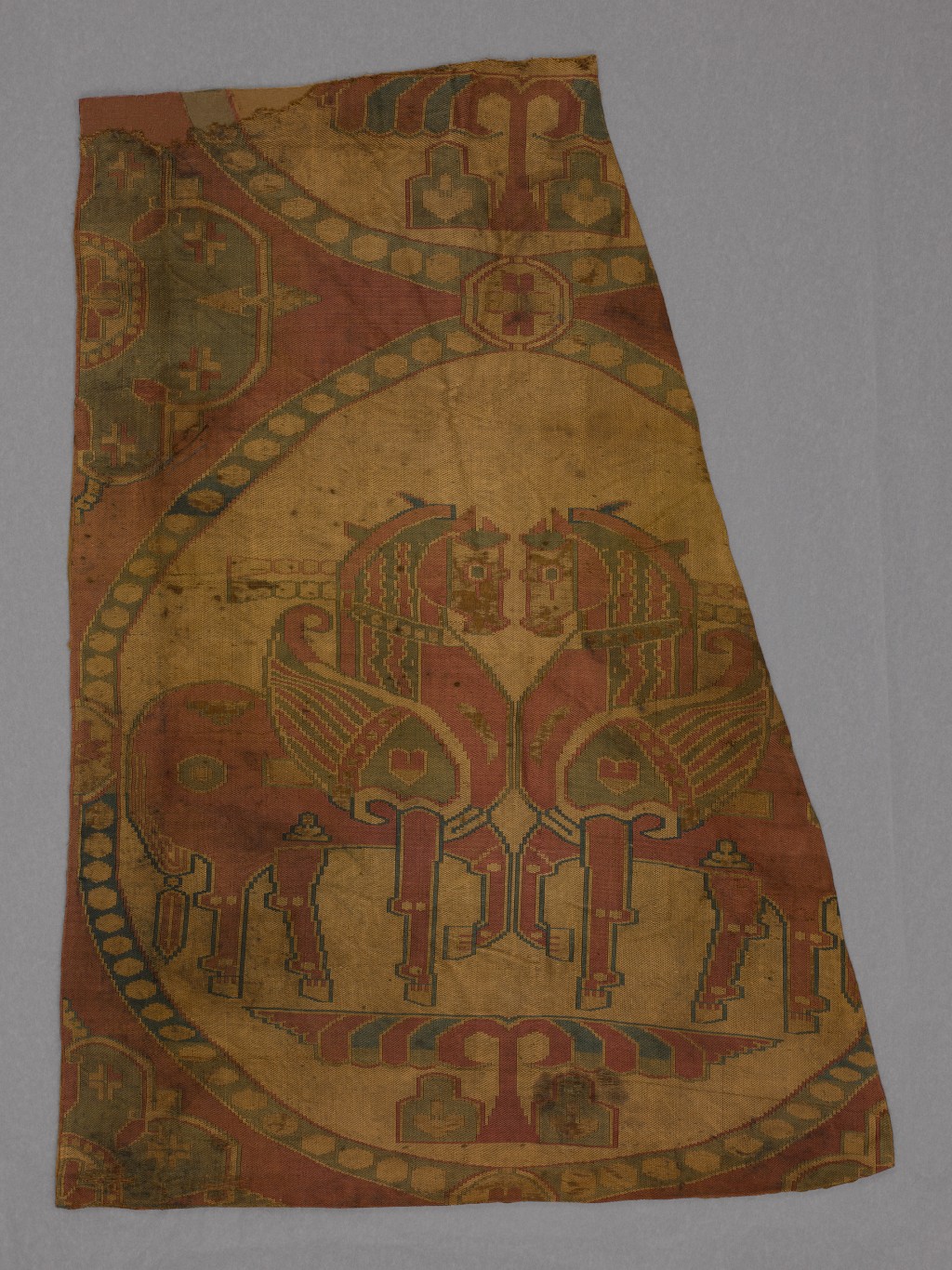
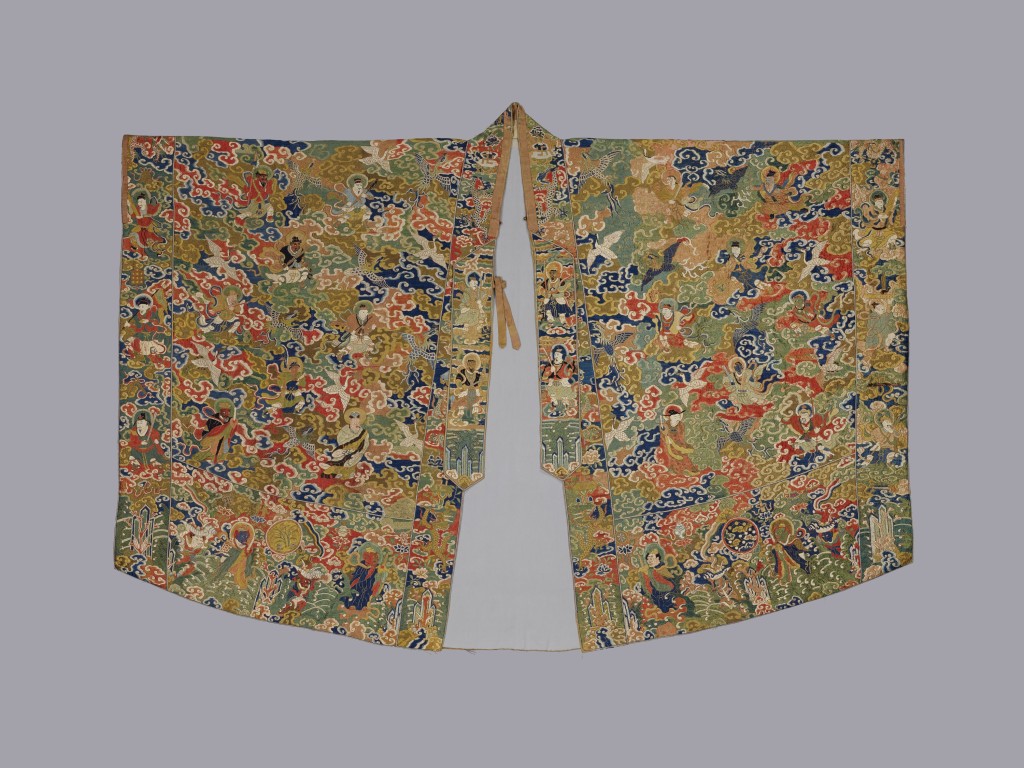
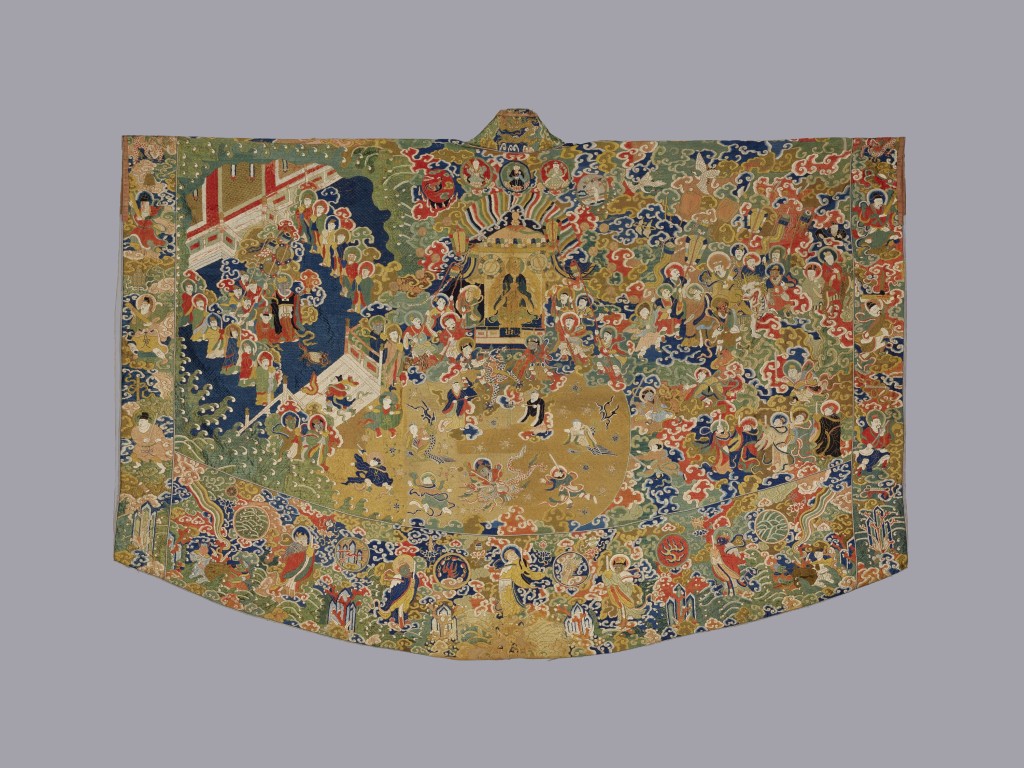
Beyond ceramics, the horse takes centre stage in "A History of China in Silk: The Chris Hall Collection", where visitors can find themselves immersed in the equine theme through the lens of China's textiles.
+2
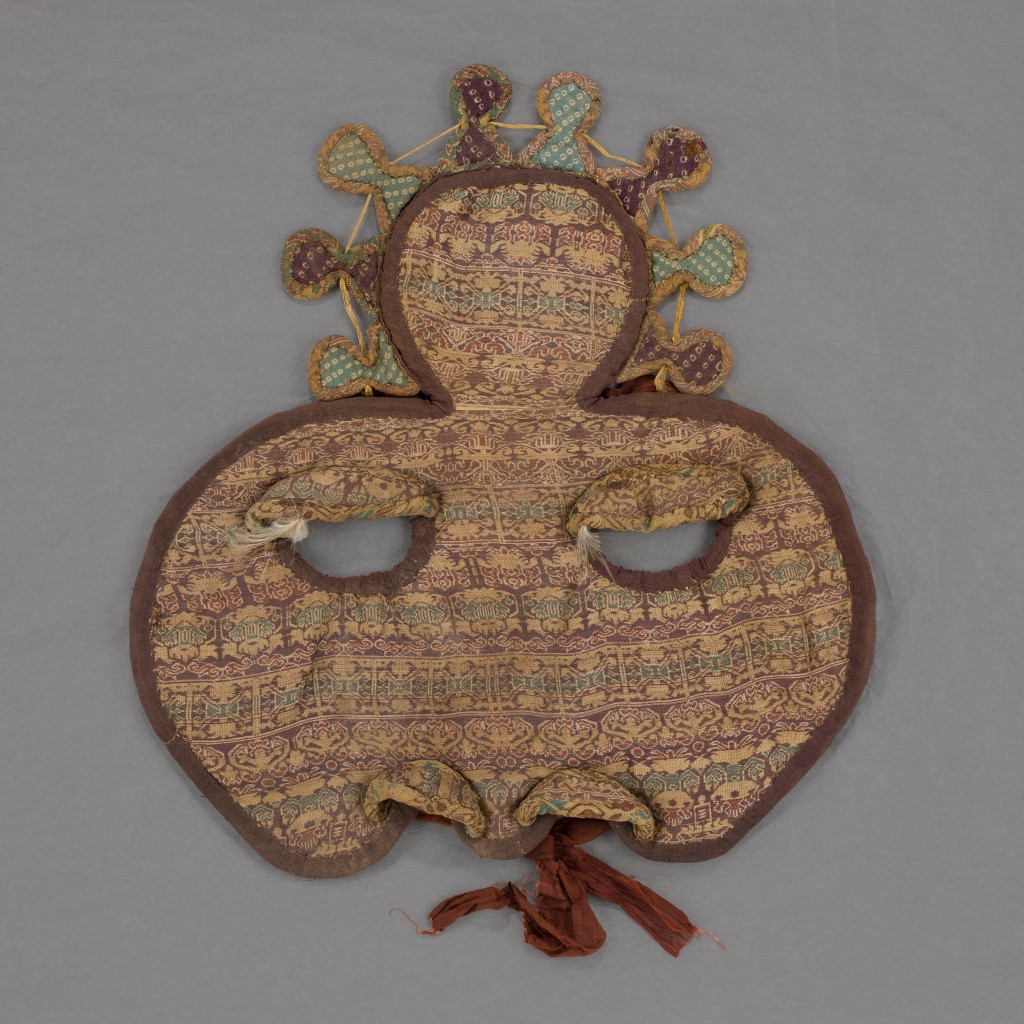
Among the exhibits is a Northern dynasties shaffron (horse's face covering), a piece of protective headgear with auspicious plants and geometric decorations, crafted from weft-faced compound tabby (taqueté), polychrome silk threads, and feathers during the 5th to 6th century.
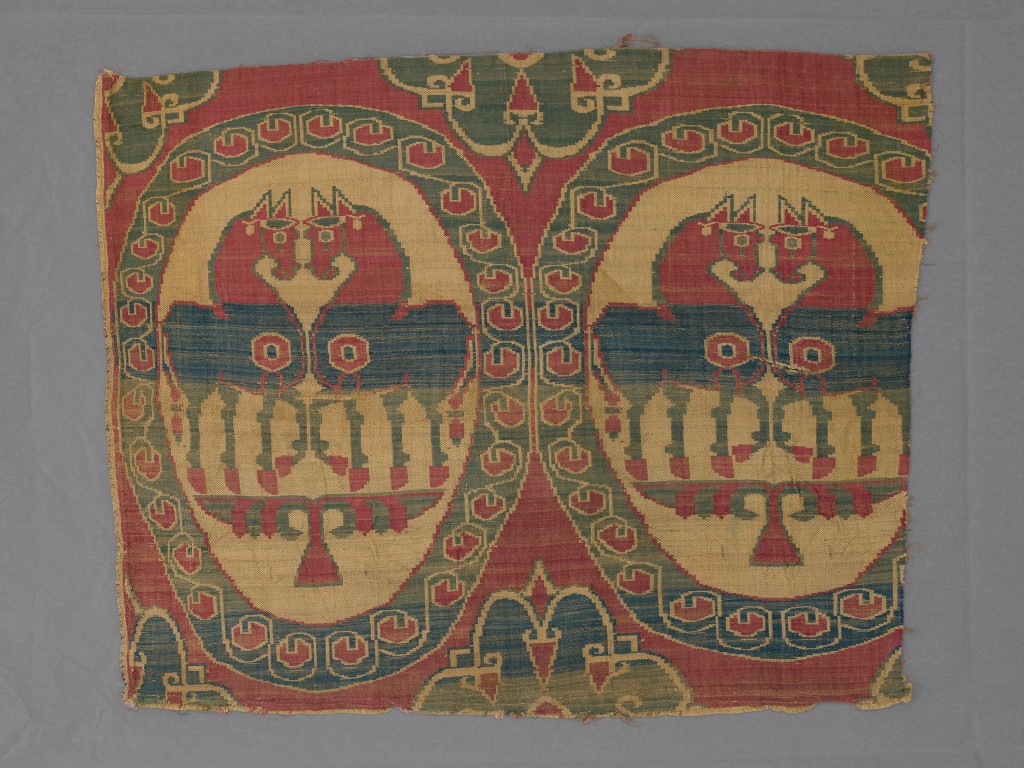
A diverse selection of Tang dynasty silk is also on display, where visitors can find textiles showcasing horse elements—a testament to the animal's enduring role as a muse for artists.
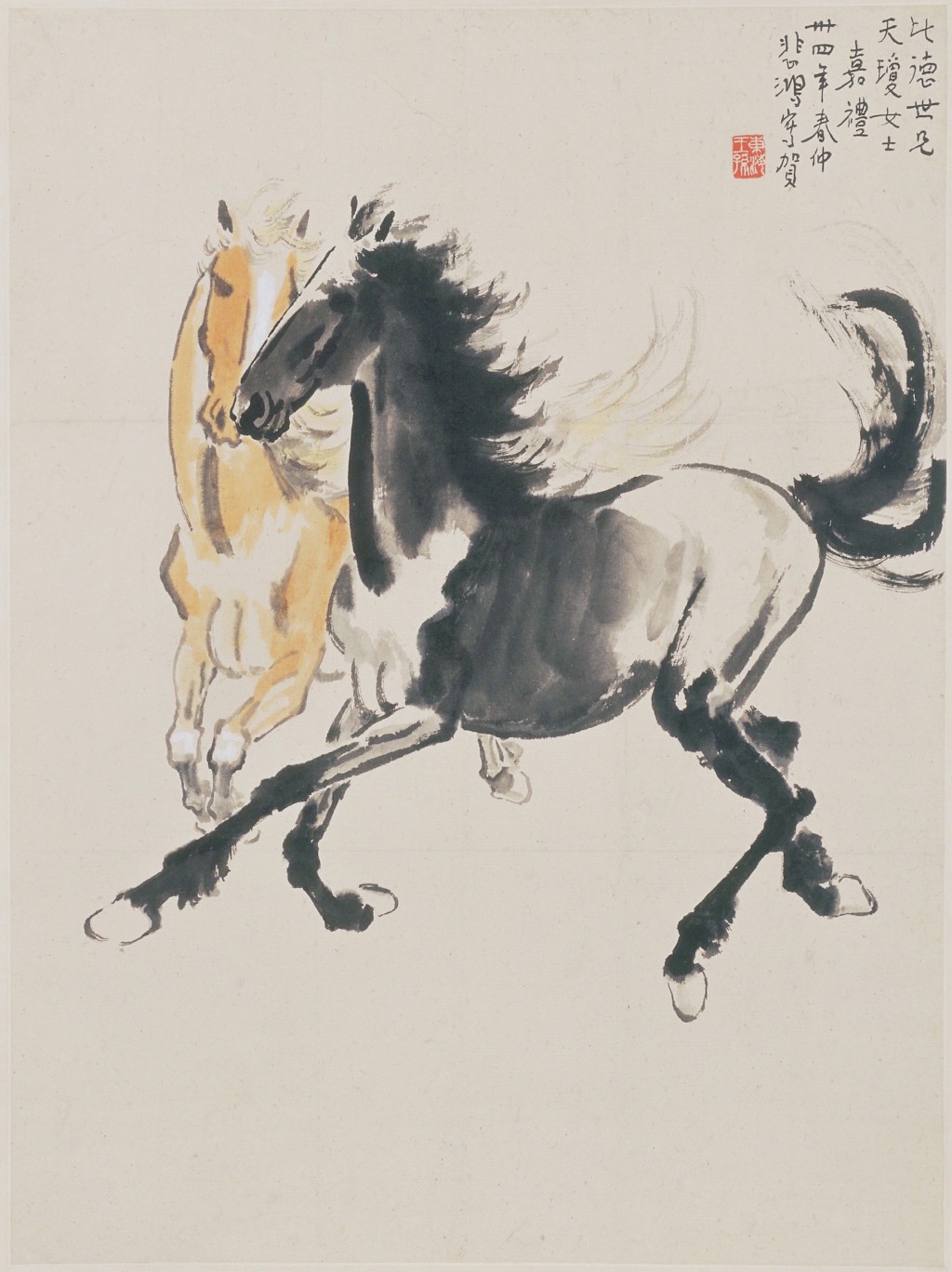
Looking ahead, the museum will unveil its "Heavenly Horses: Masterpieces from the Palace Museum" on March 20, featuring nearly 100 horse-themed treasures by 60 renowned masters, spanning from the Yuan dynasty to the modern era.
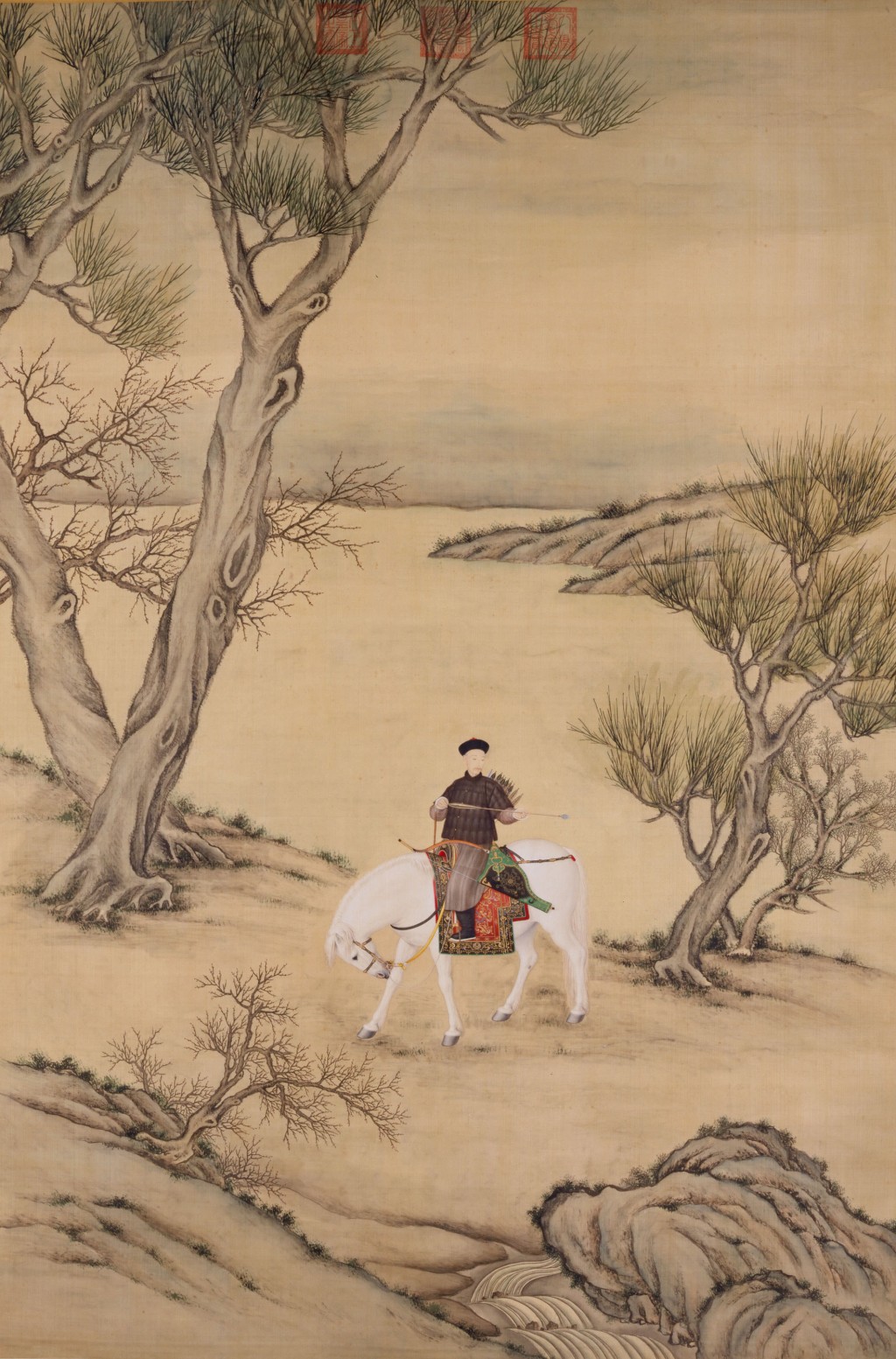
Giuseppe Castiglione (1688–1766), and others The Qianlong Emperor Holding an Arrow Qing dynasty, mid-18th century Hanging scroll, ink and colour on silk The Palace Museum
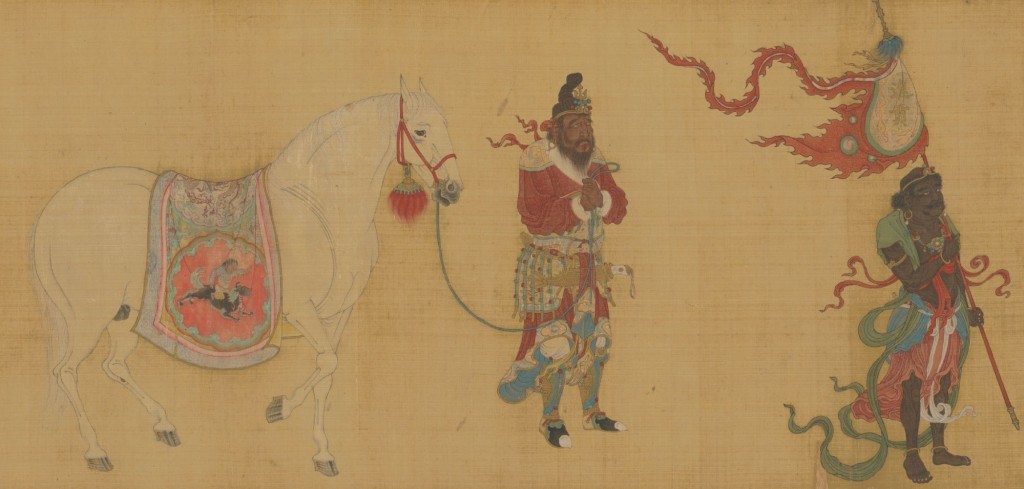
Jiufeng Daoren (active 14th century) Three Horses (Part) Yuan dynasty, Zhizheng period, 1342 Handscroll, ink and colour on silk The Palace Museum
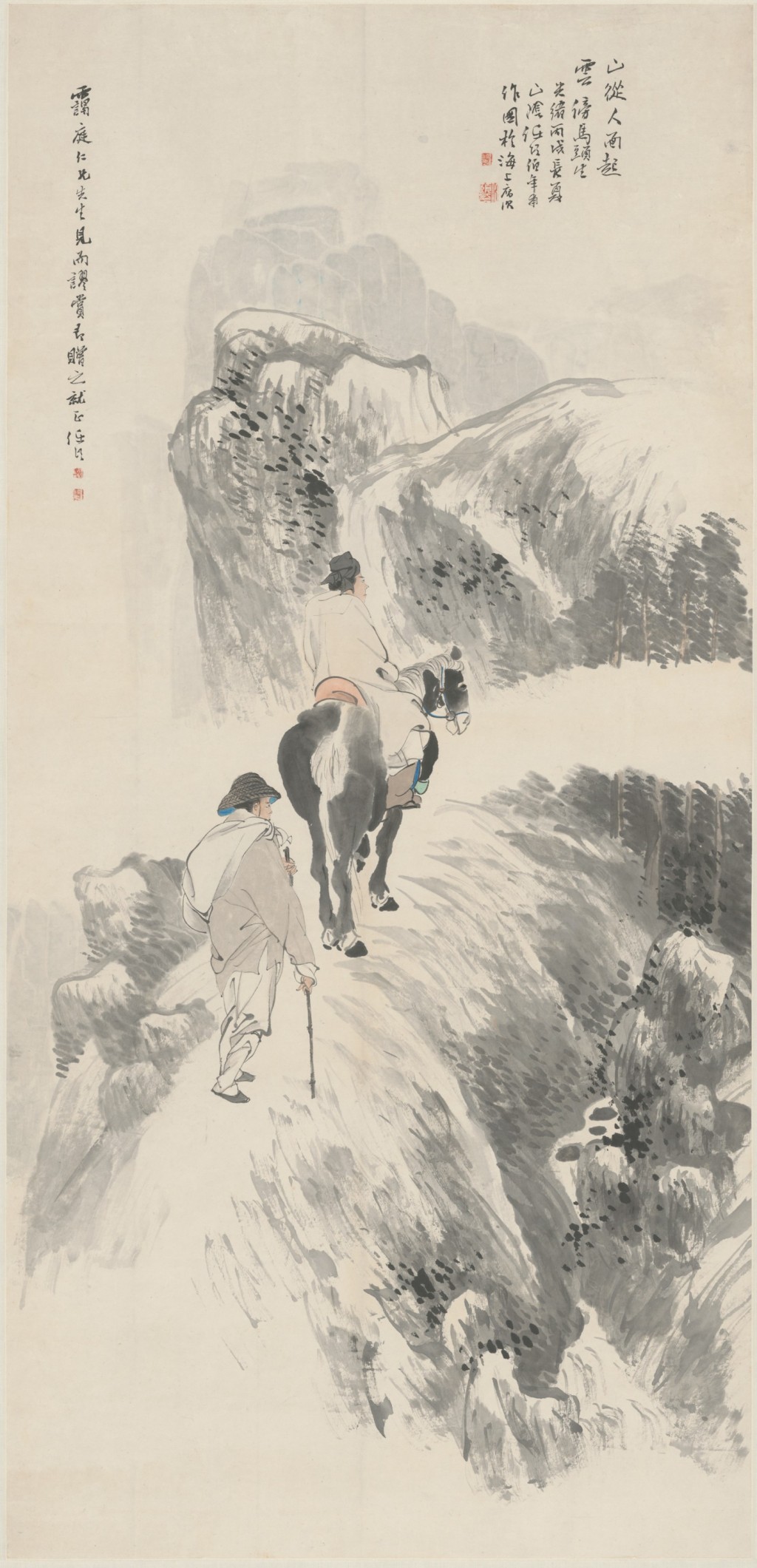
Ren Yi (1840–1896) Riding Through Cloudy Mountains Qing dynasty, Guangxu period, 1886 Hanging scroll, ink and colour on paper The Palace Museum
Xu Beihong (1895–1953) Two Horses 1945 Hanging scroll, ink and colour on paper The Palace Museum
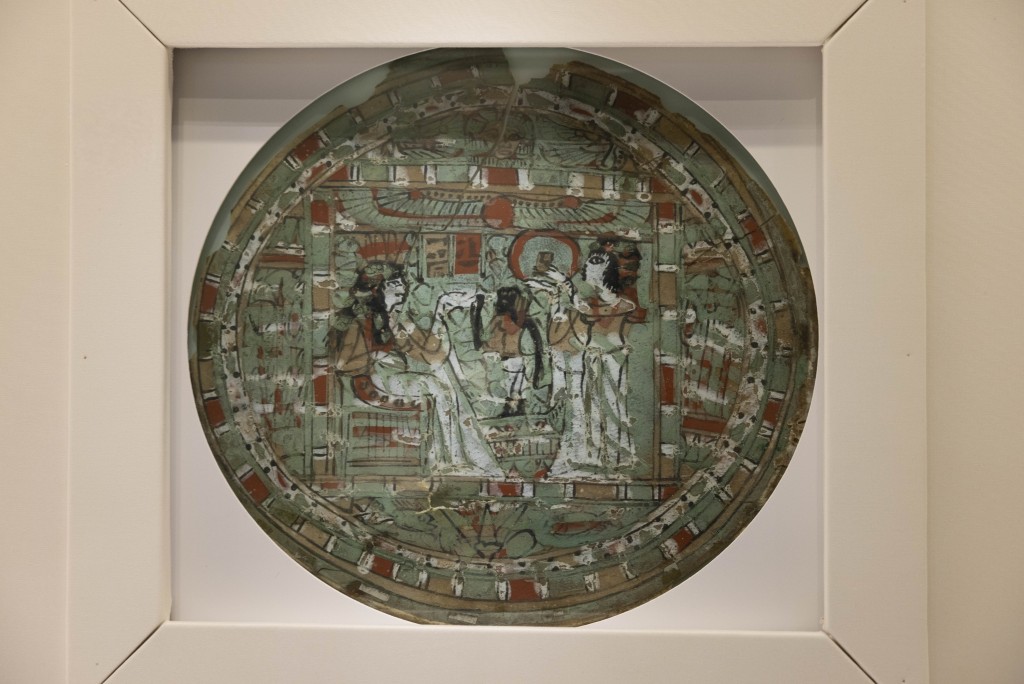
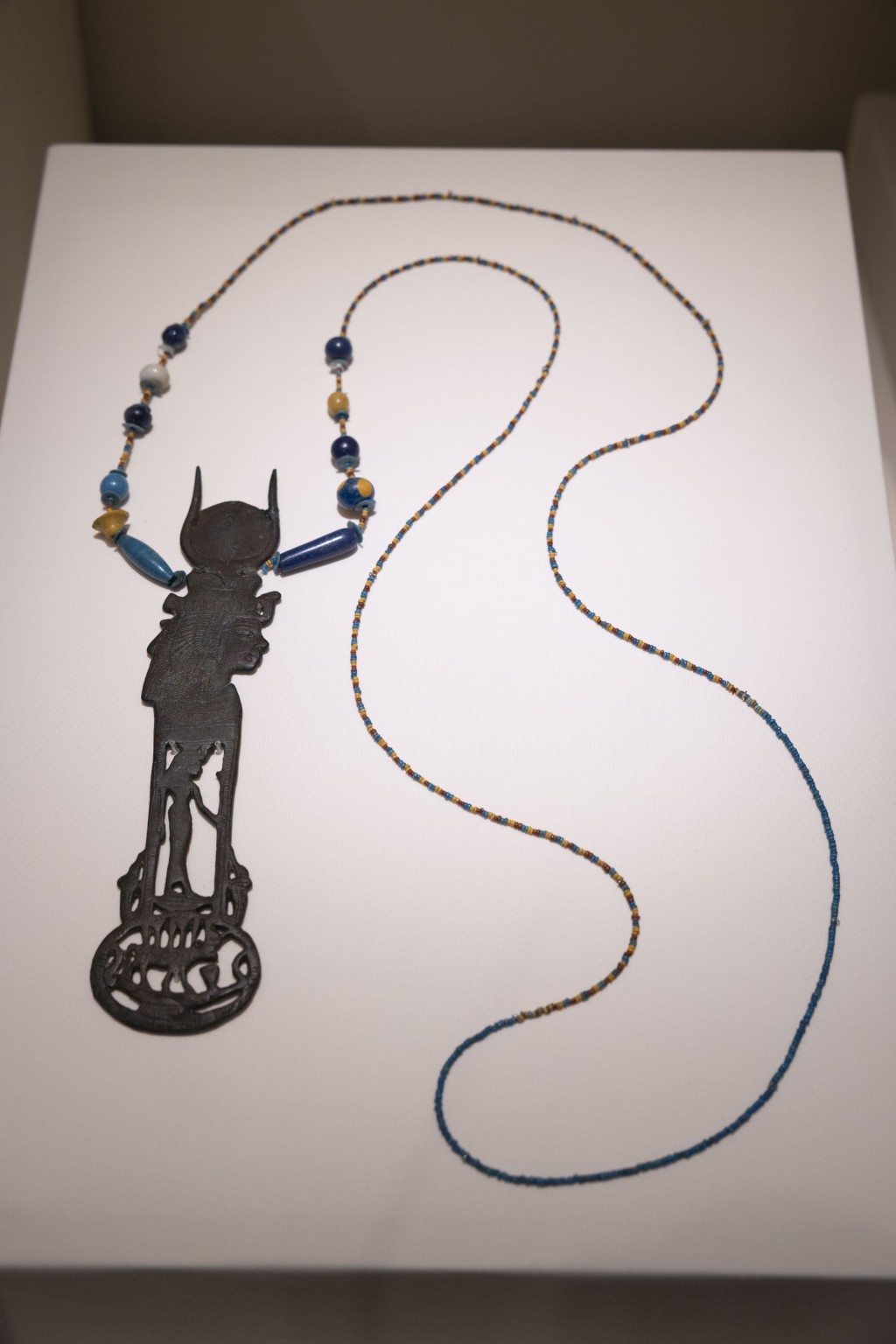
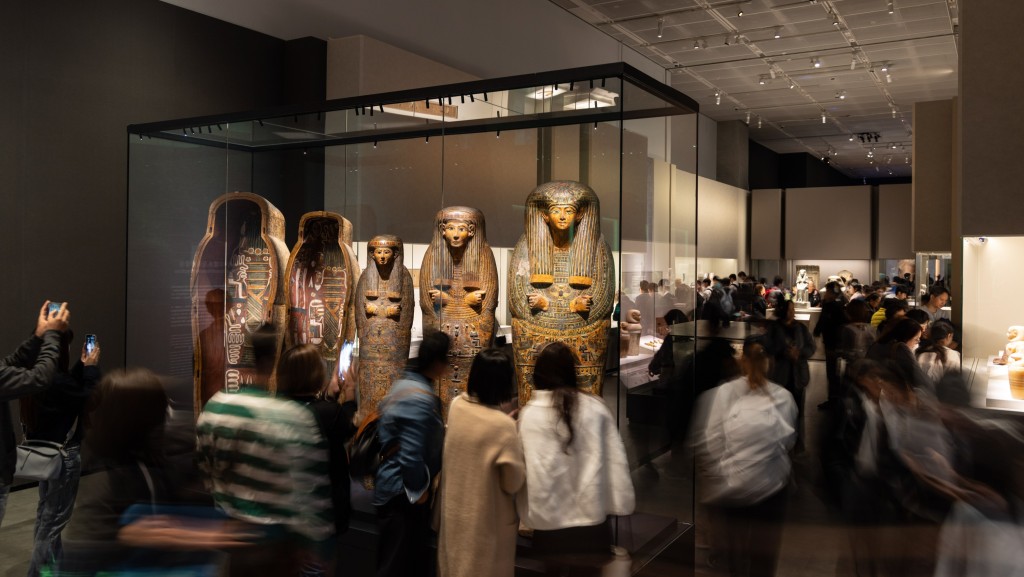
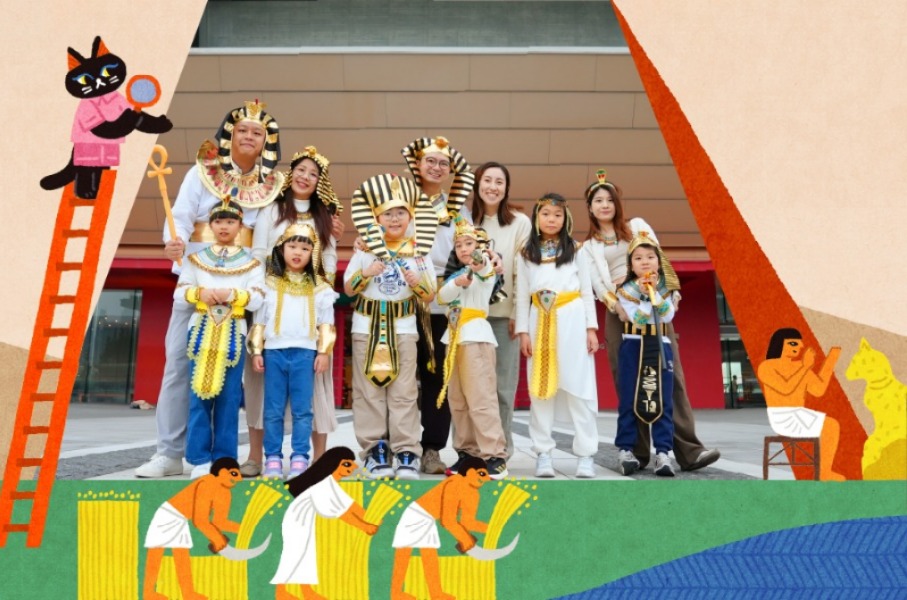
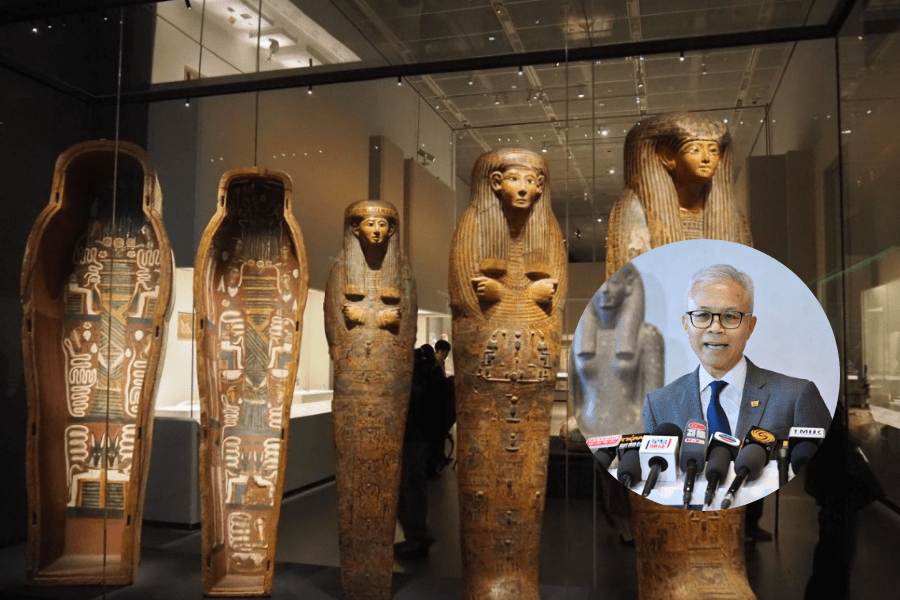
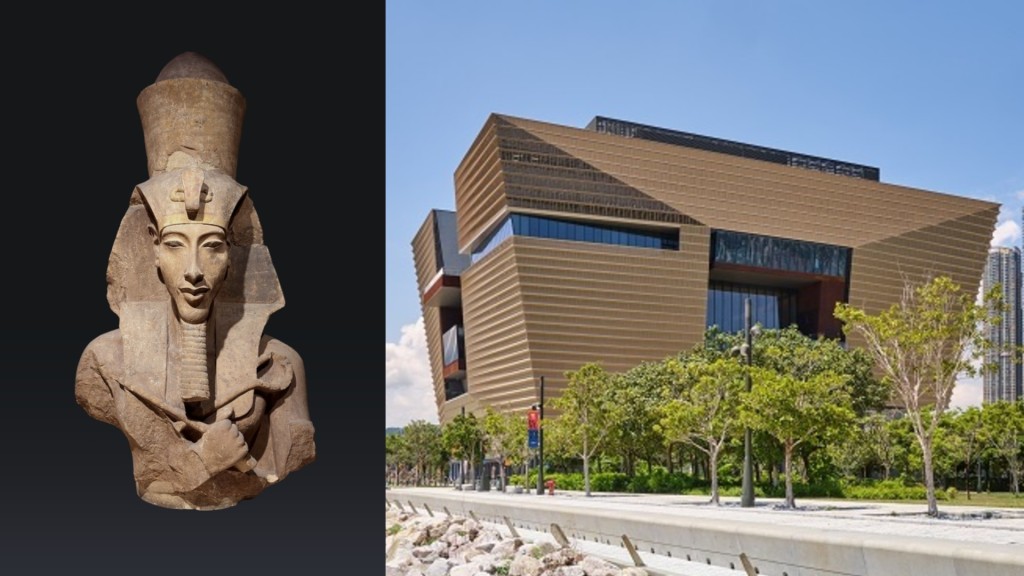
Meanwhile, the museum's beloved special exhibition, "Ancient Egypt Unveiled: Treasures from Egyptian Museums" continues its run, offering a cross-cultural perspective on new year celebrations.
In ancient Egypt, the new year was known as Wepet Renpet, coinciding with the period before the Nile's life-giving flood.
+3
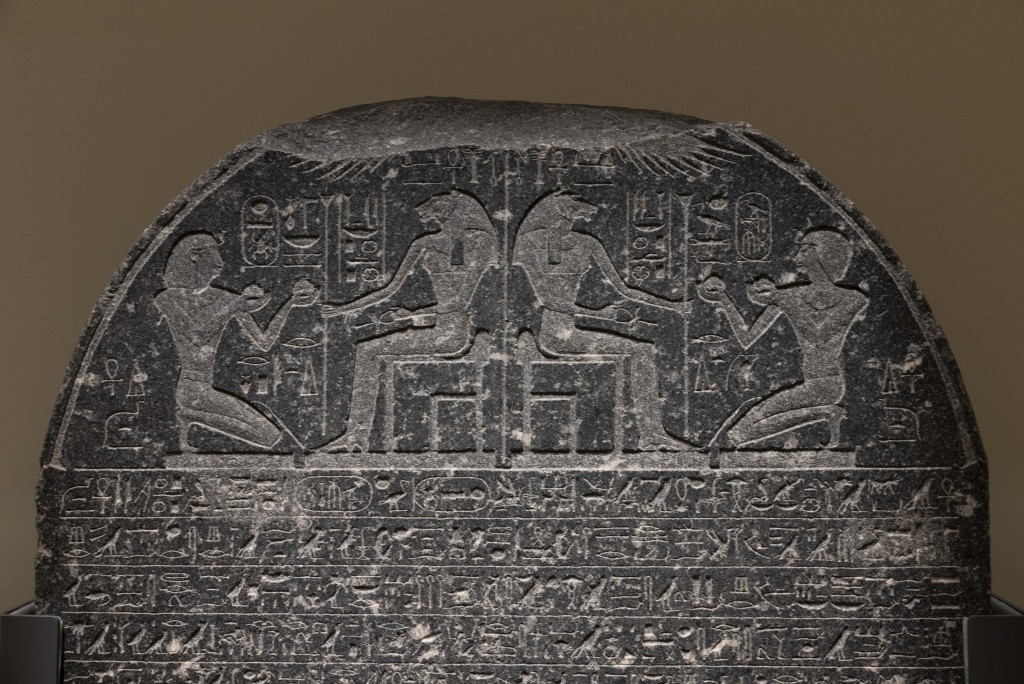
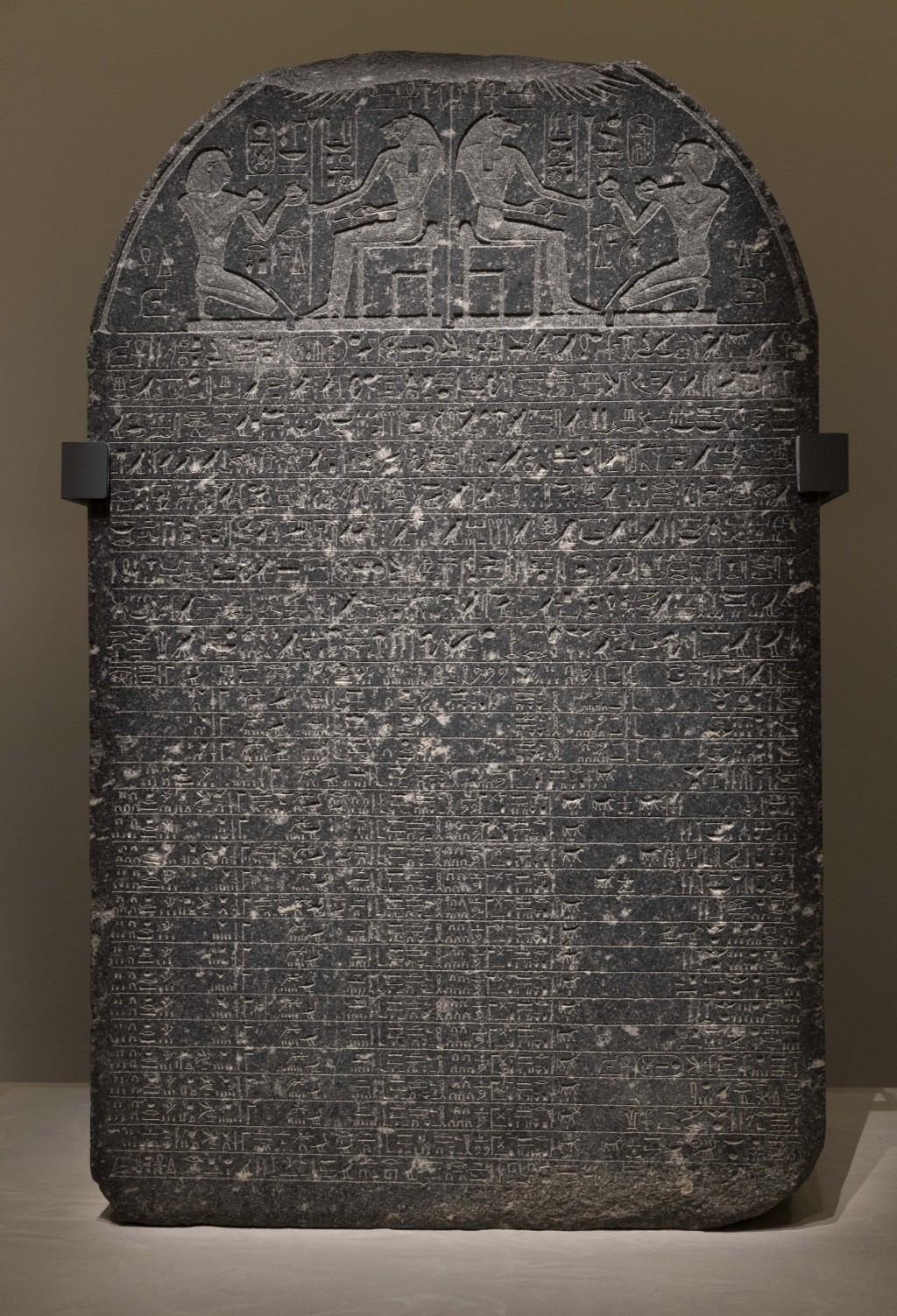
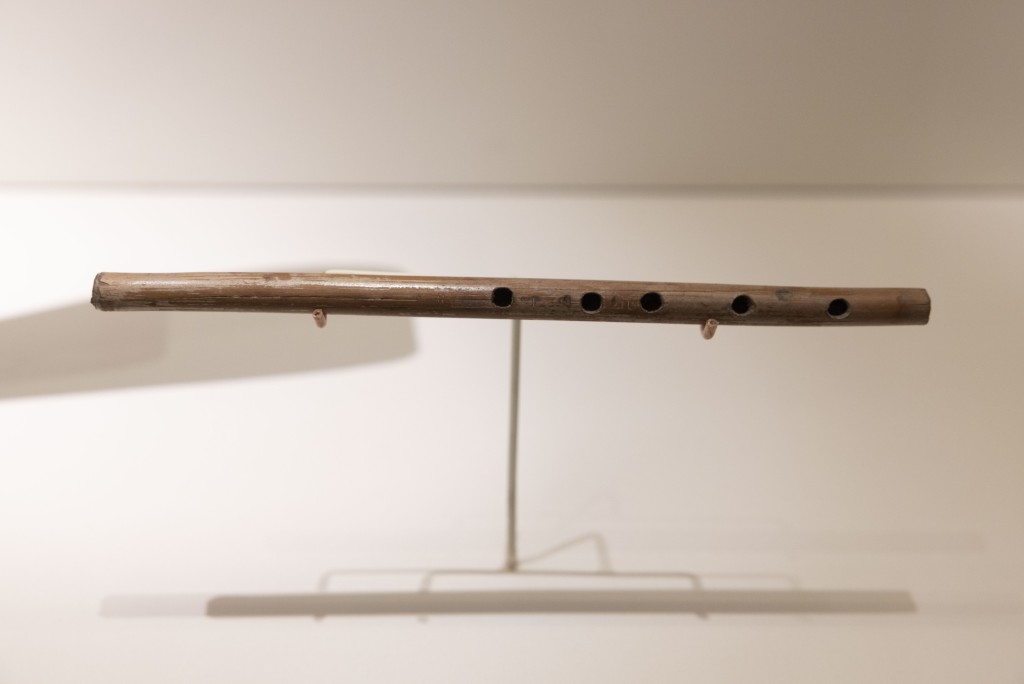
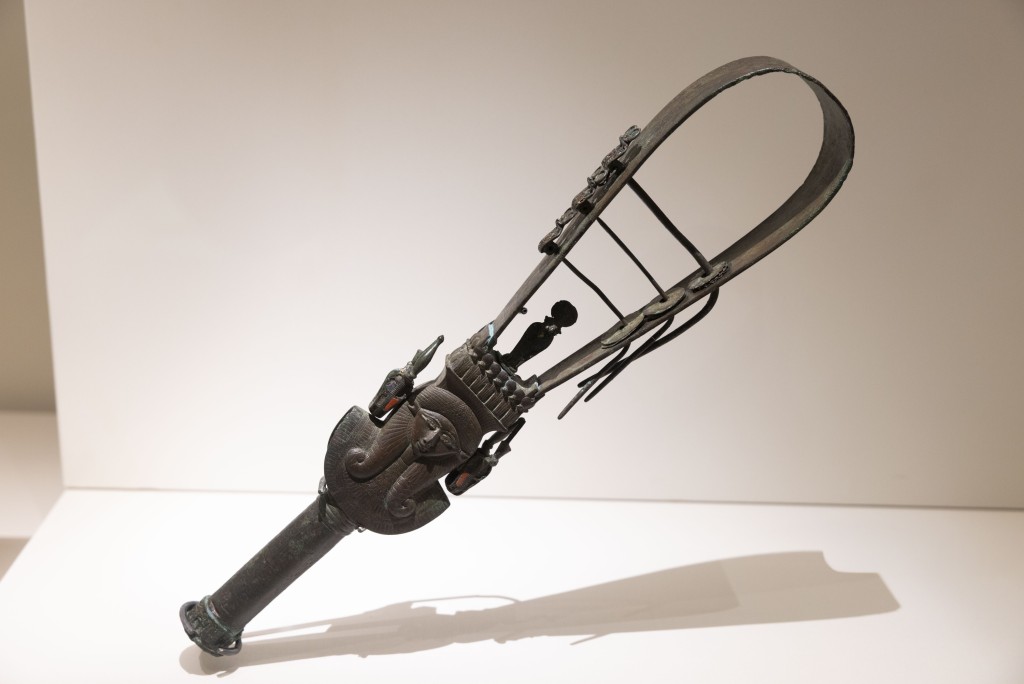
Among the displays is an offering stele of Thutmose III, inscribed with an Egyptian festival calendar that records rituals performed on the first day of the new year. The exhibition also highlights the role of music in these celebrations, featuring instruments like a vibrantly decorated tambourine and a five-holed flute used in rituals to appease the gods.
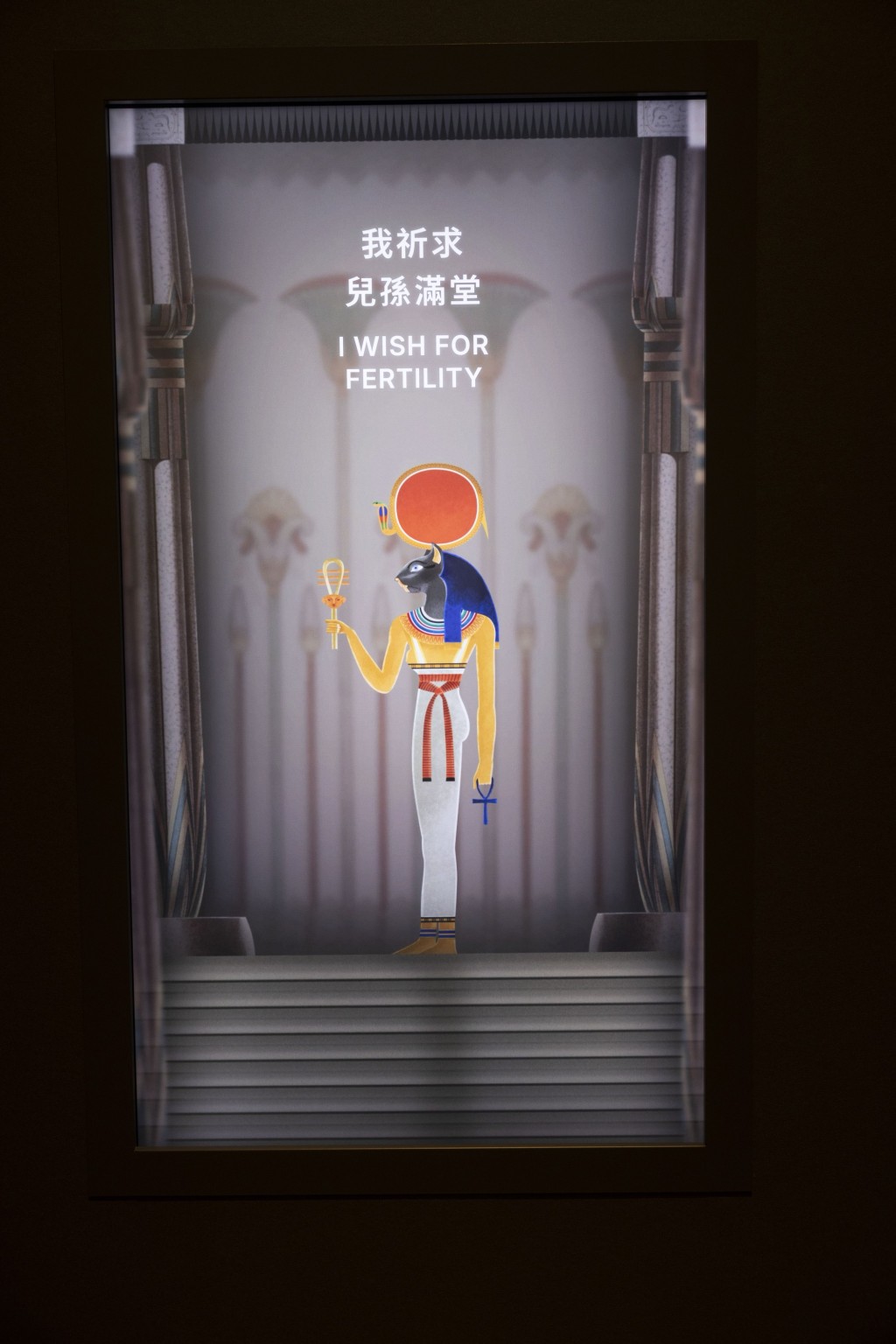
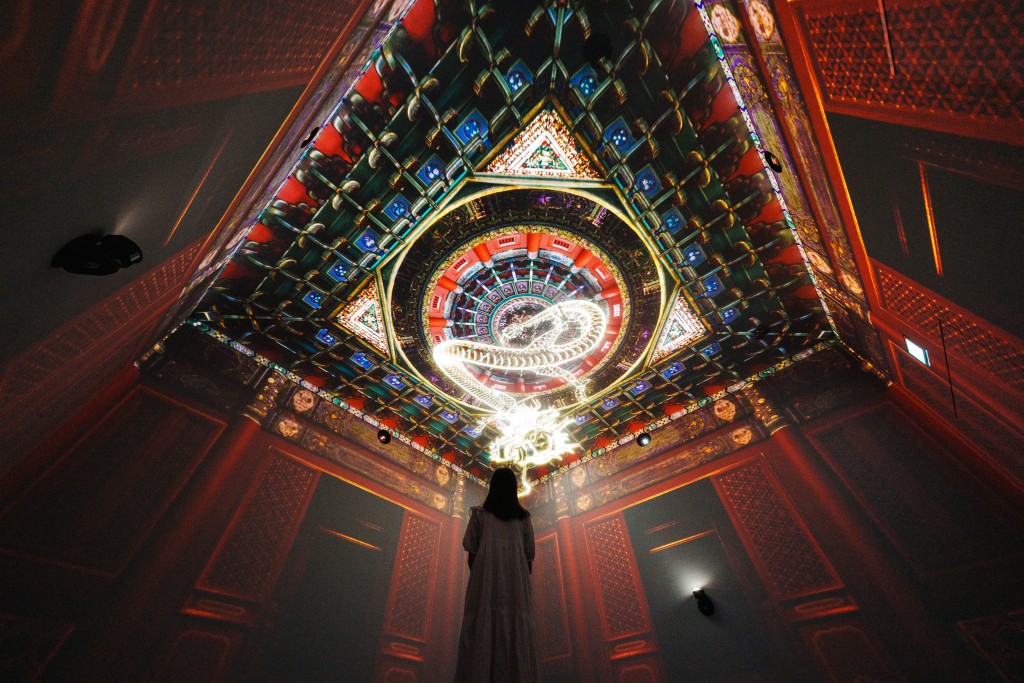
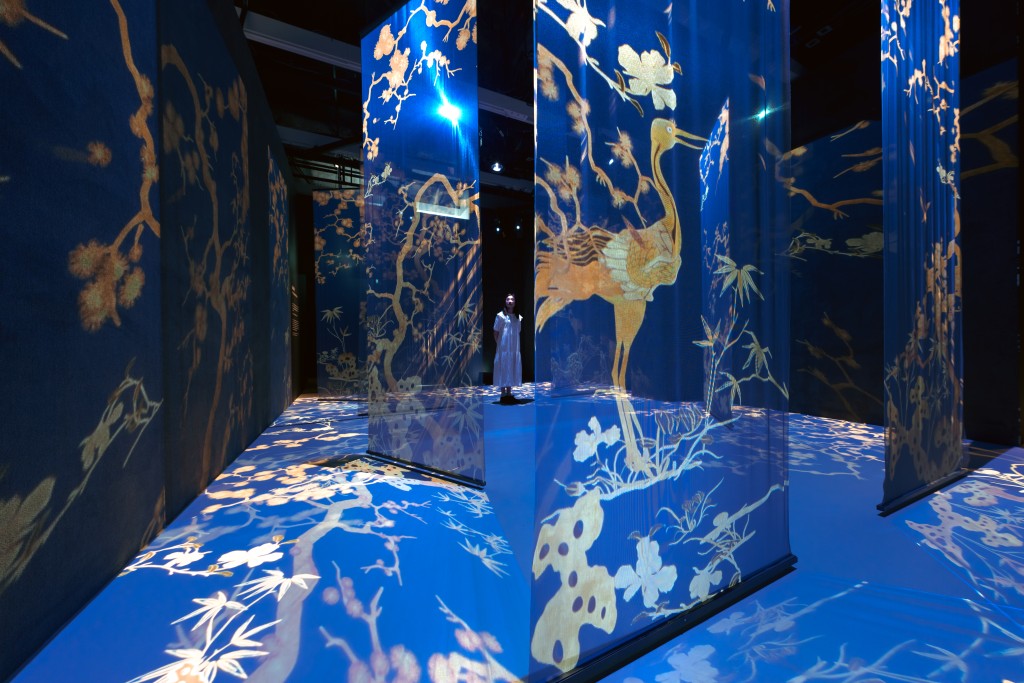
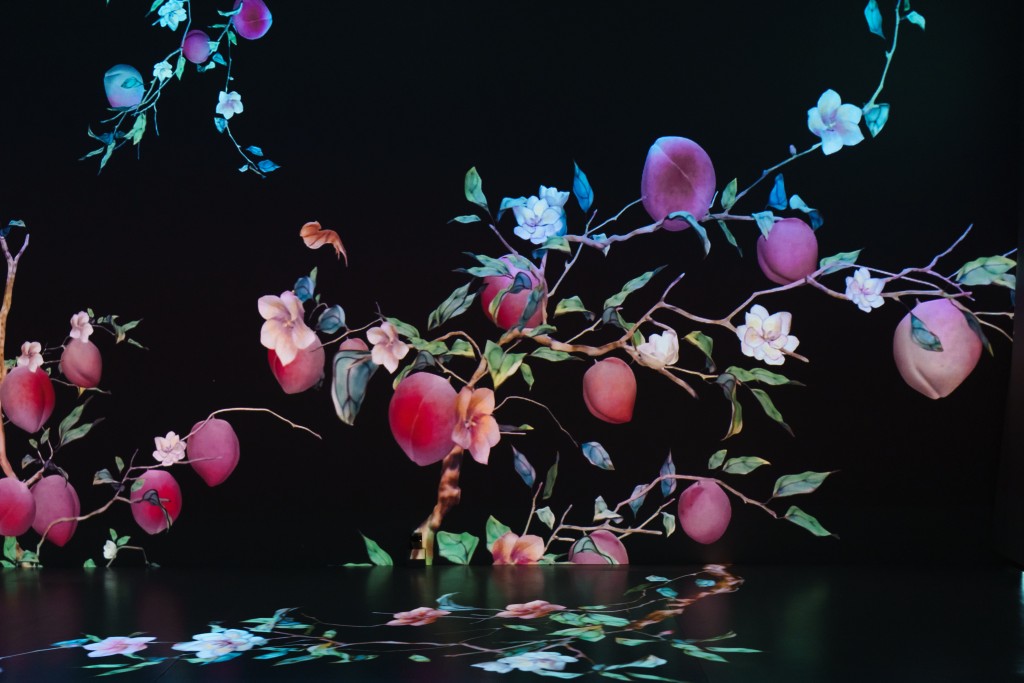
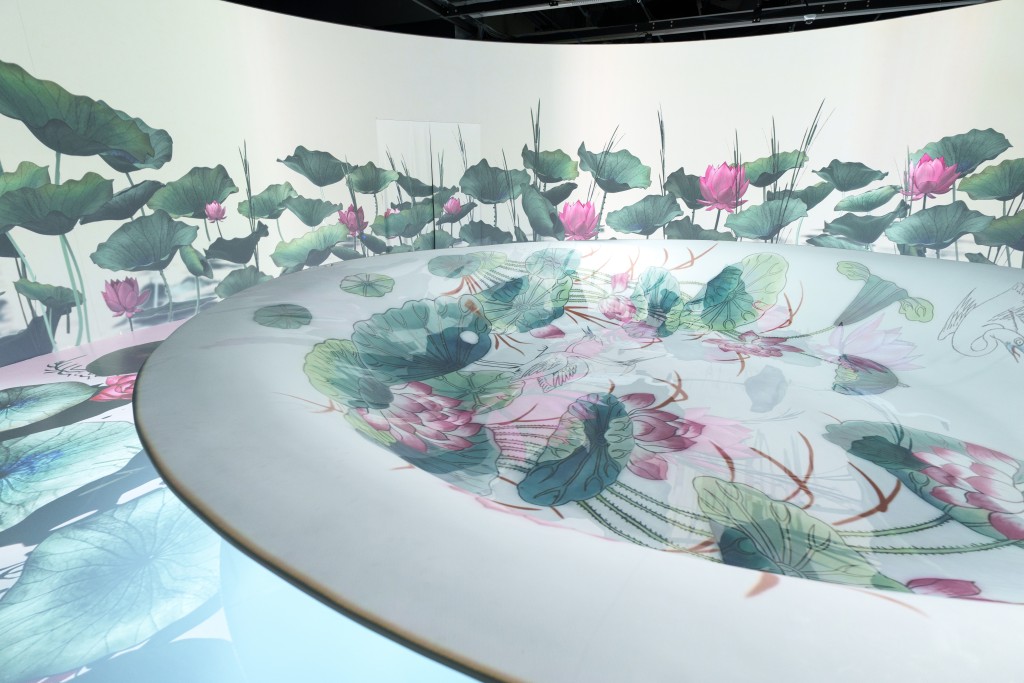
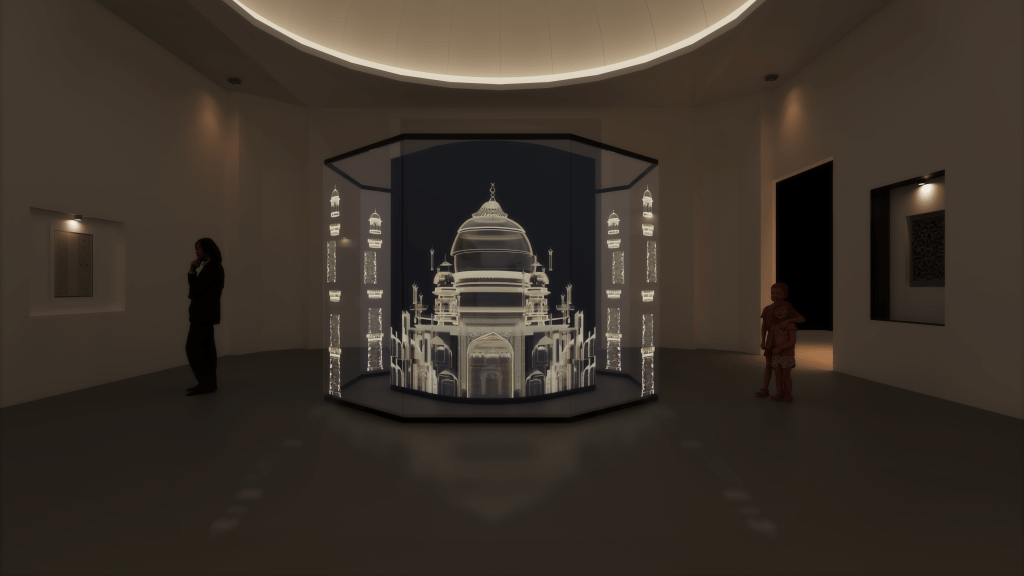
Multimedia installations across the museum add a modern layer to the visit. In "The Ways in Patterns: An Immersive Digital Exhibition from the Palace Museum," visitors are invited to uncover hidden messages of auspicious symbolism.
Look up to enjoy the glorious caisson ceilings of the Palace Museum. Related architecture: Caisson Ceiling in the Hall of Supreme Harmony The gilded, coiled dragon caisson in the centre of the ceiling above the throne in the Hall of Supreme Harmony is of the highest grade. At the centre of the caisson, within the domed apex, a precious pearl (named Xuanyuan Mirror) is clasped in the dragon's mouth as its head descends. The entire scene is resplendent in gold and vibrant colours, exuding magnificence and solemn dignity.
Approach the gauze curtain to awaken the woven elements and enter the magnificent realm of embroidery and brocade. Related object: Theatrical robe for a senior female role with pine trees and cranes This robe was worn by Qing court opera performers playing senior female roles. Pines and cranes are both symbols of longevity. Together, they express wishes for long life, good health, and high achievement.
As you stroll, let the patterns beneath your feet dance in dynamic forms. Related object: Powered colour (fencai) plate with over-branching peach tree At the centre of the plate is a peach tree, whose branches and leaves elegantly extend over the rim and onto the outer wall—hence the term “over-branching peach tree”. This motif is a symbol for longevity. There are several red bats flying next to the peach branches, carrying the meanings of 'the heavens are blessed with great fortune” and “blessings and longevity”.
Stand at the edge of the platter and wave to awaken the patterns of nature. Related object: Powered colour (fencai) dish with herons and lotus flowers from the Qing dynasty, Guangxu period The pairing of herons and reeds (lu), and lotuses (lian) draws upon a play of homophones in Chinese. The former words convey the meaning of path or career, and the latter signify continuity. Together, they express the wish for continual success in examinations and a smooth career.
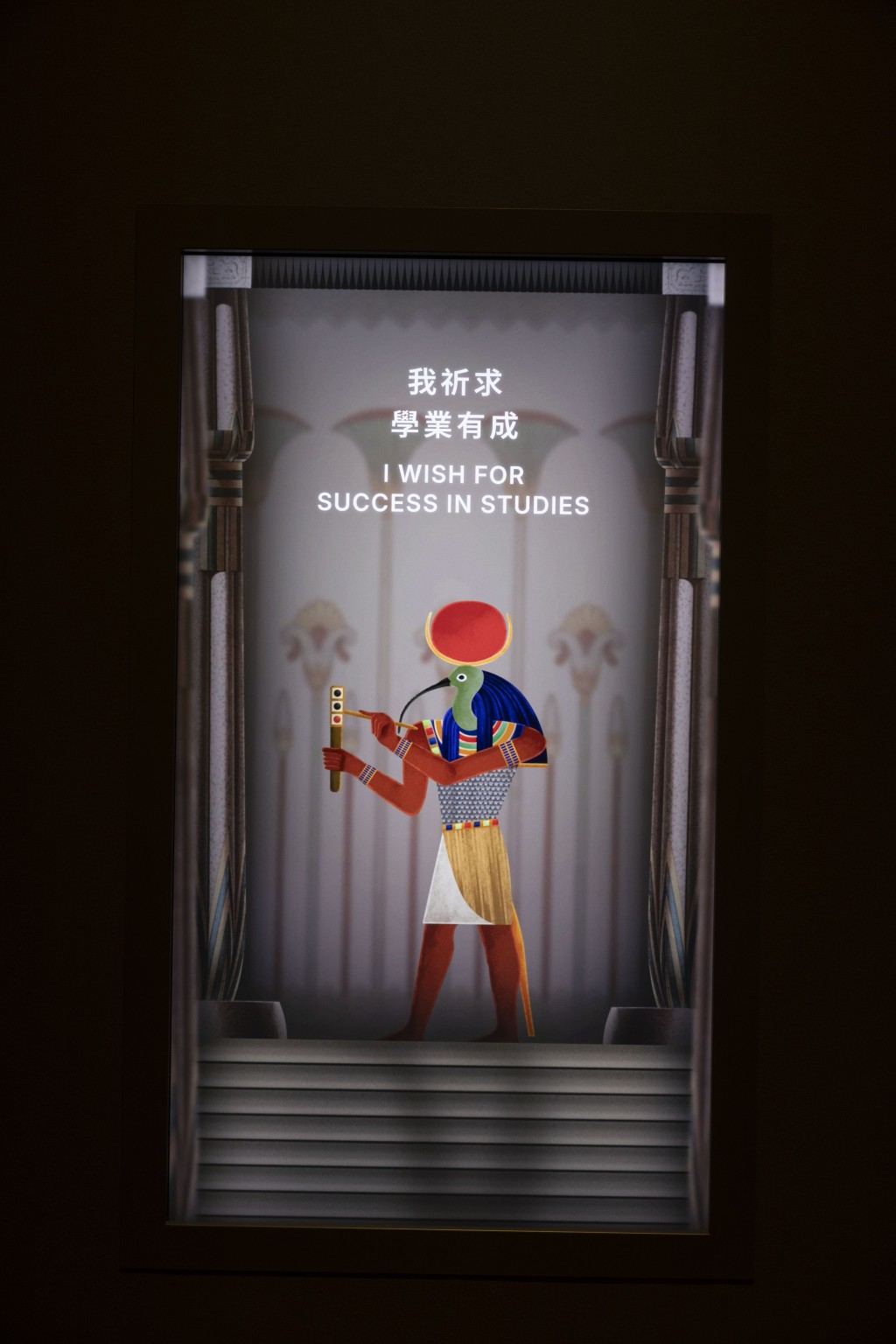
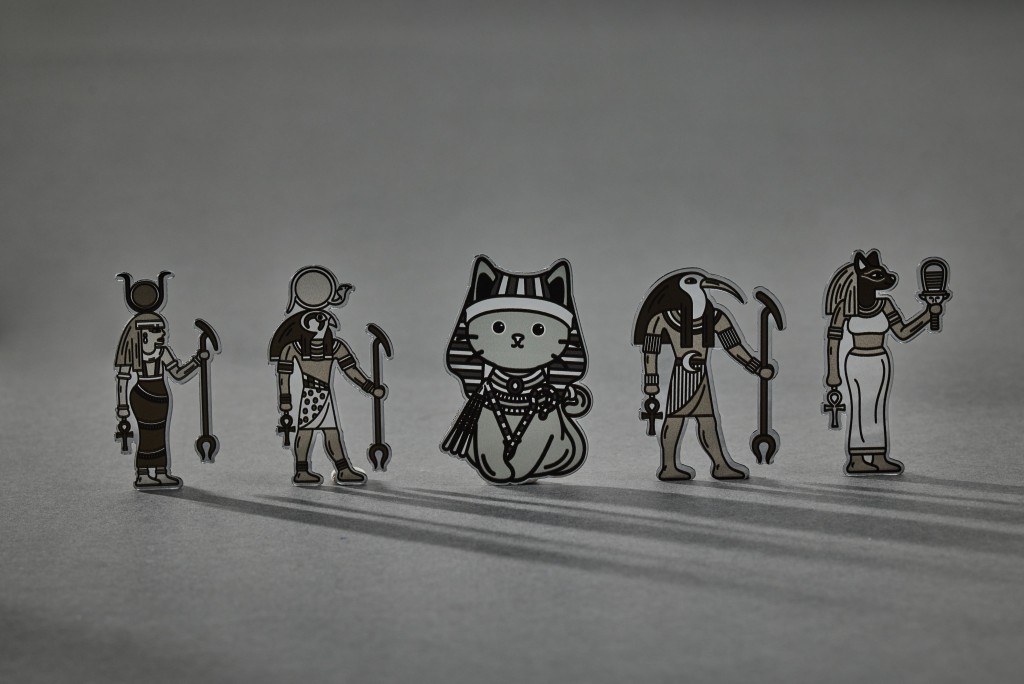
The exhibition hall is adorned with traditional Chinese auspicious motifs alongside protective deities from ancient Egypt, creating a dialogue across civilizations.
Guests can gaze up at a digital recreation of the gilded caisson ceiling from the Hall of Supreme Harmony or watch auspicious patterns come alive around them—such as red bats flying beside peach branches, symbolizing "the heavens are blessed with great fortune" and "blessings and longevity."
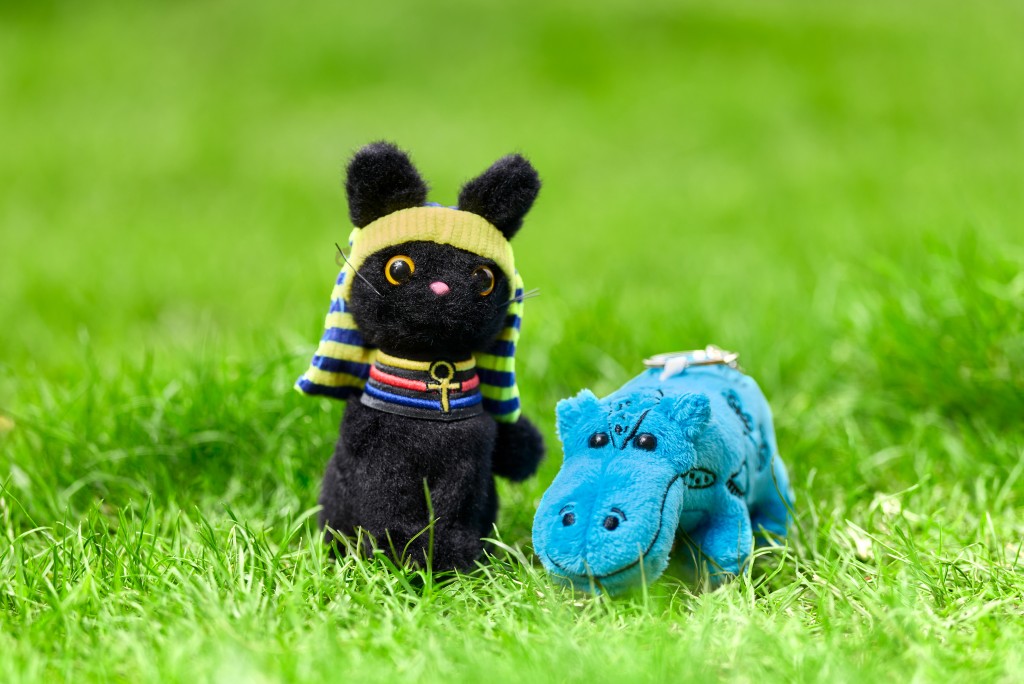
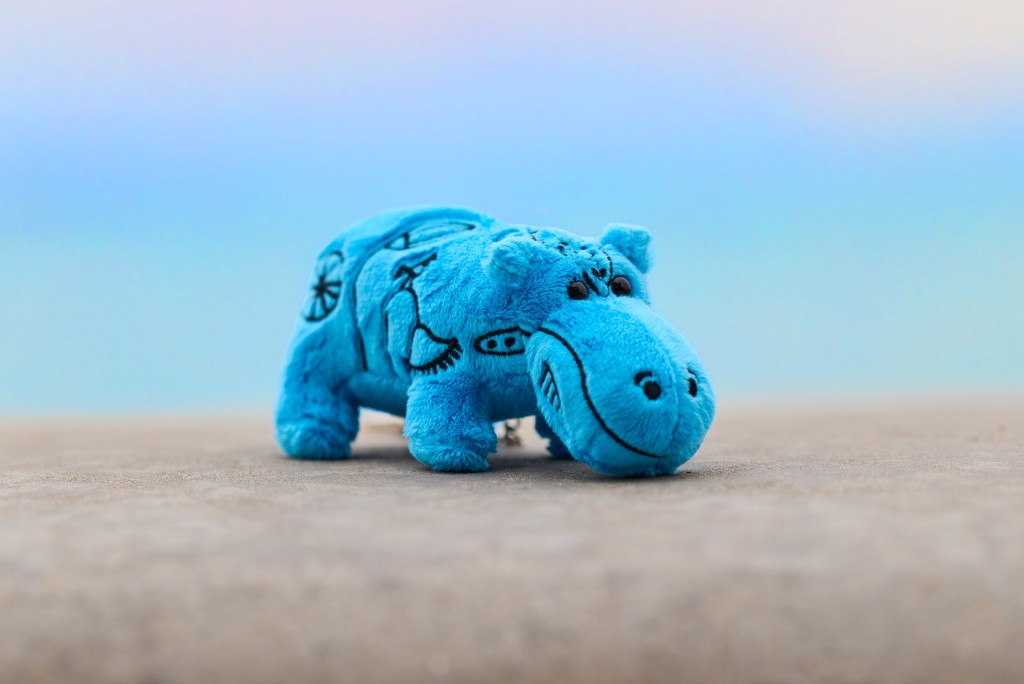
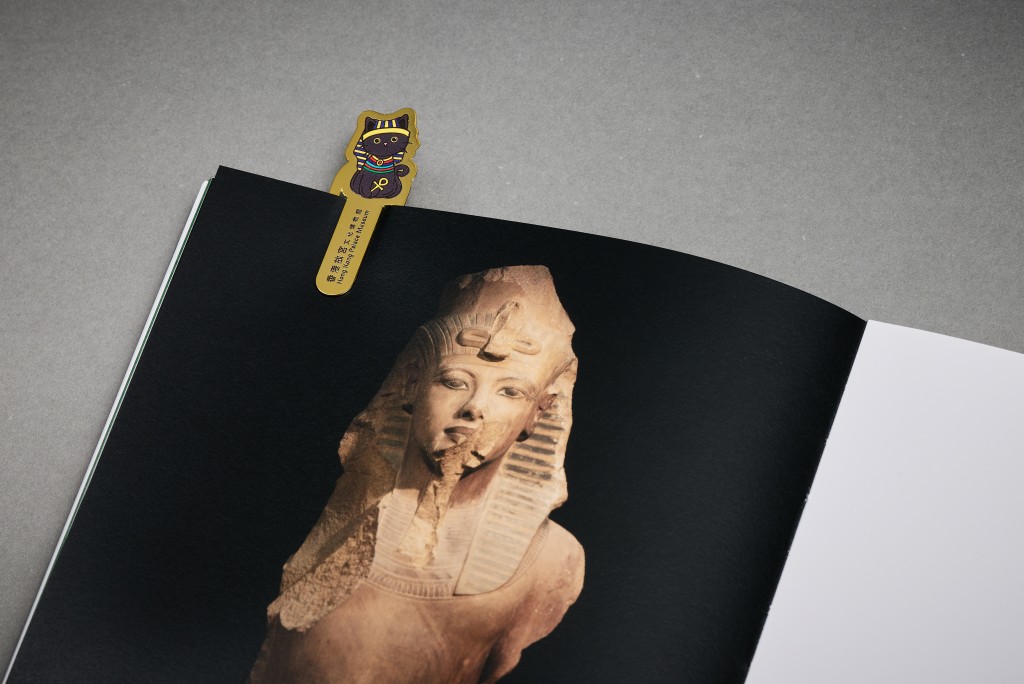
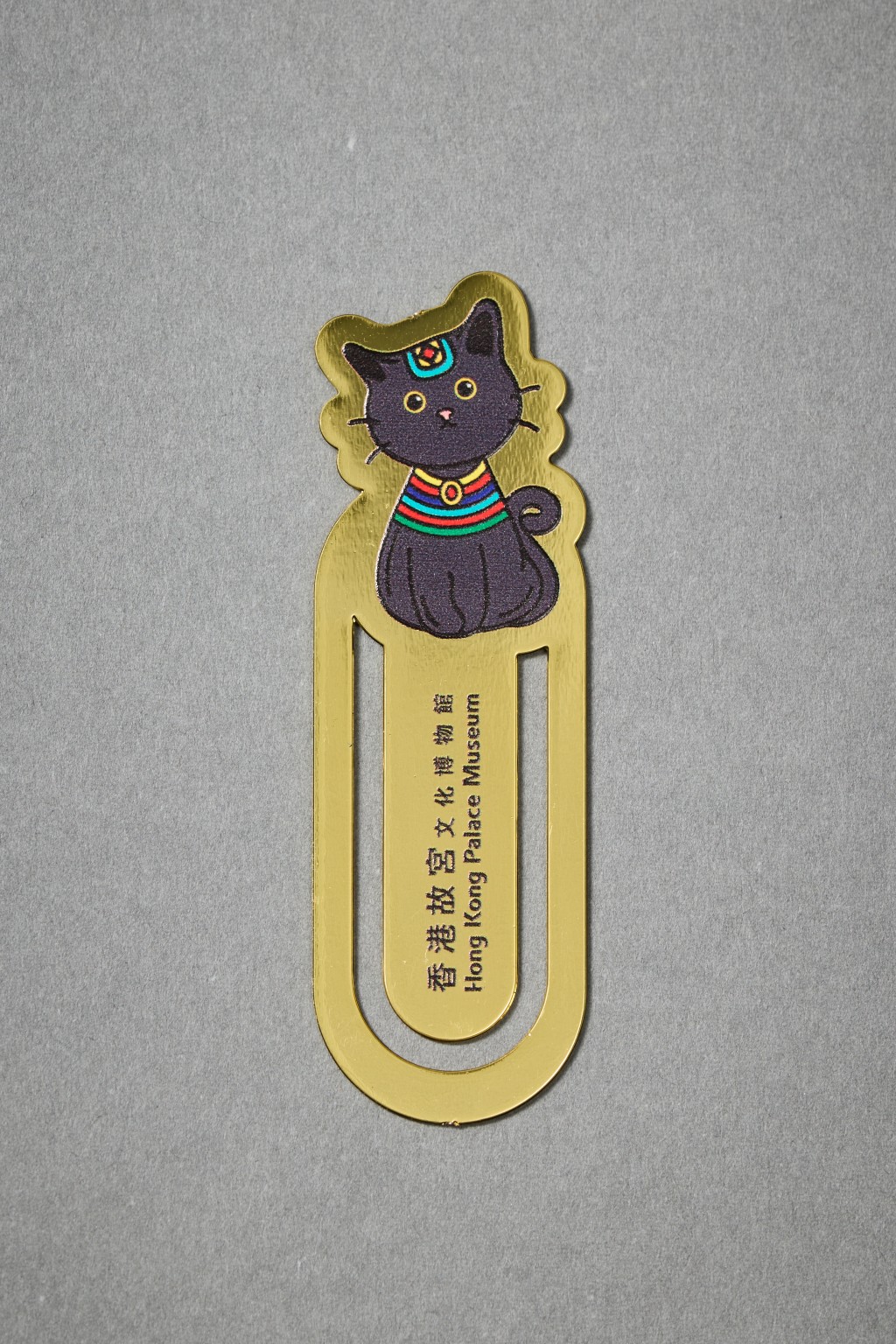
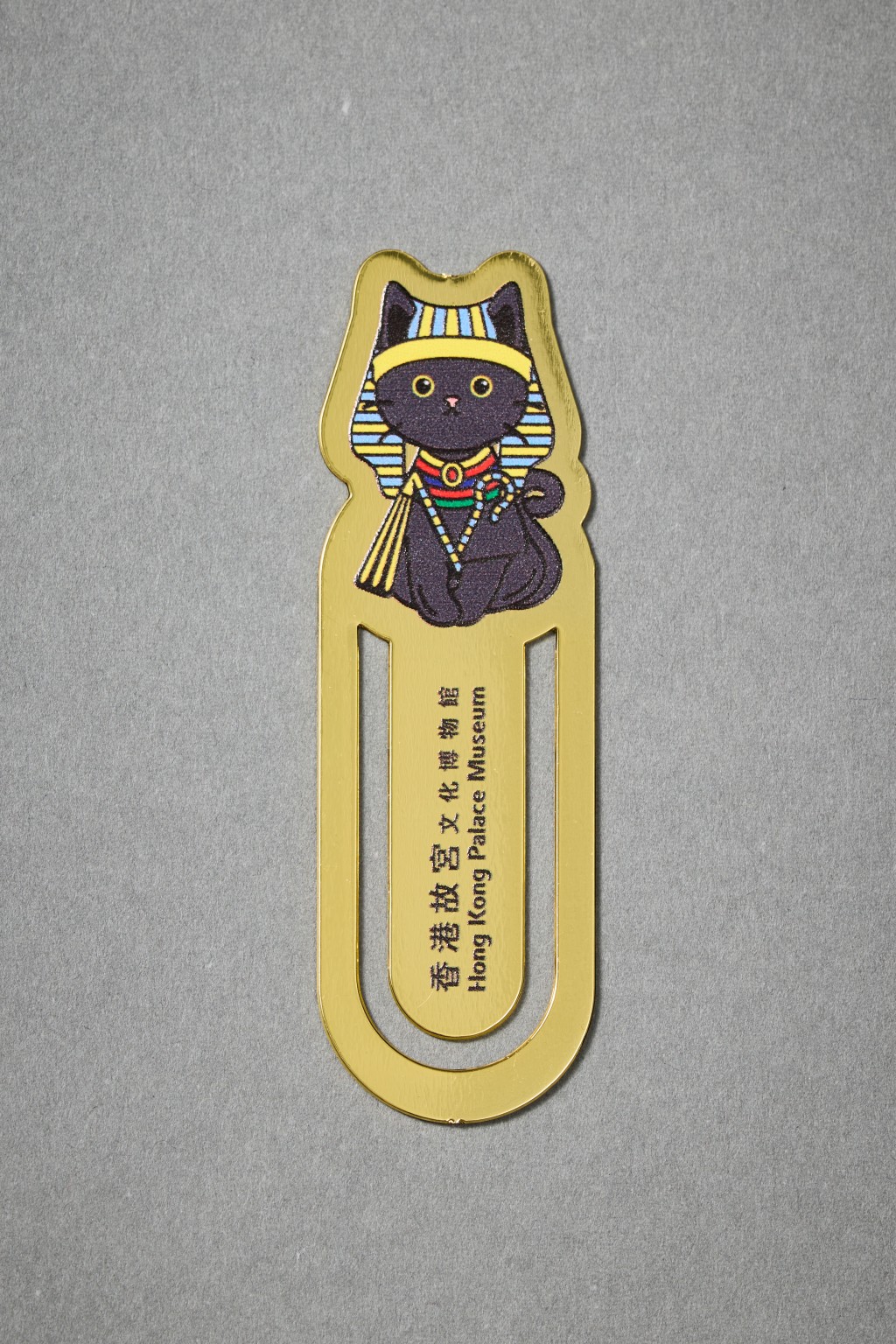
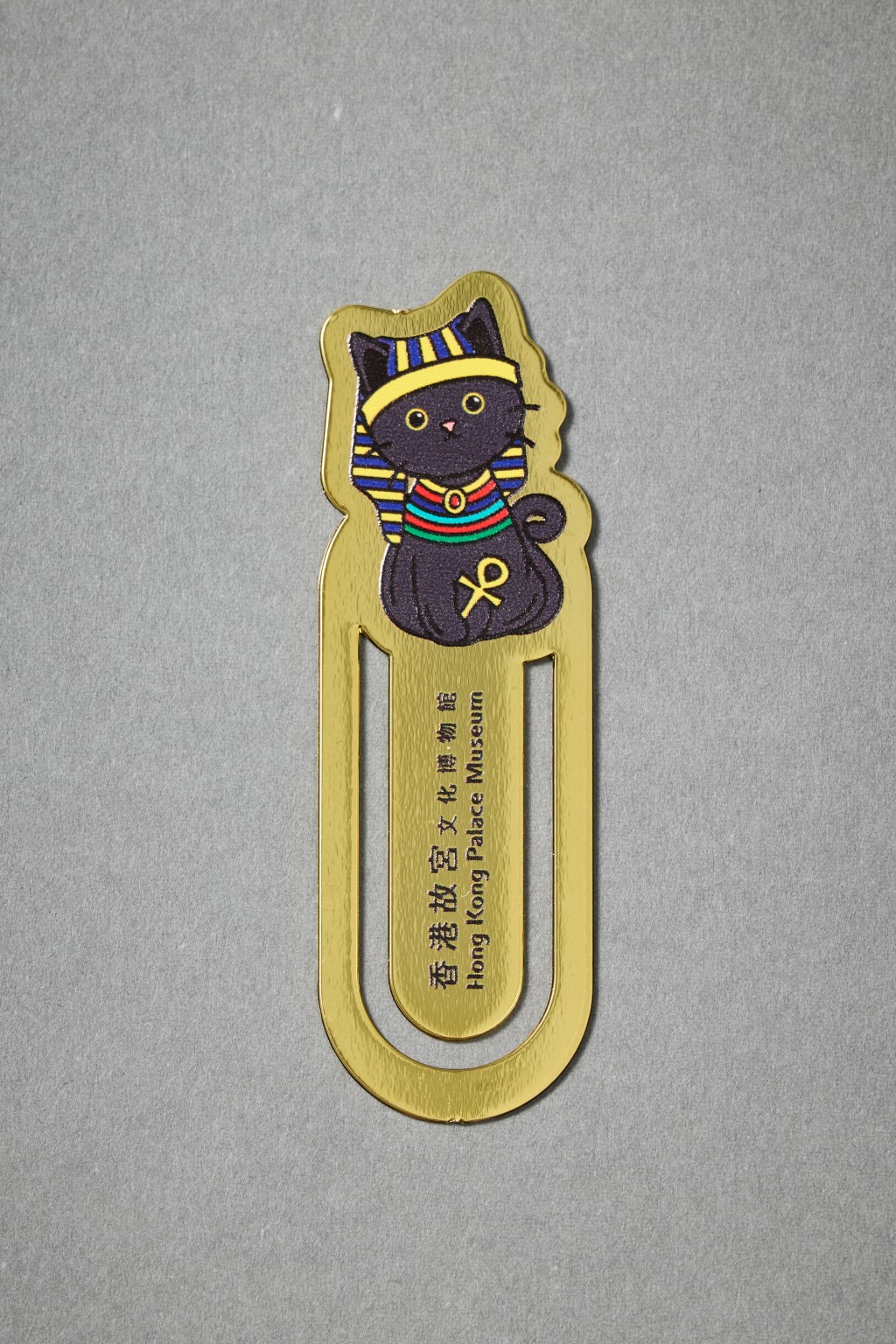
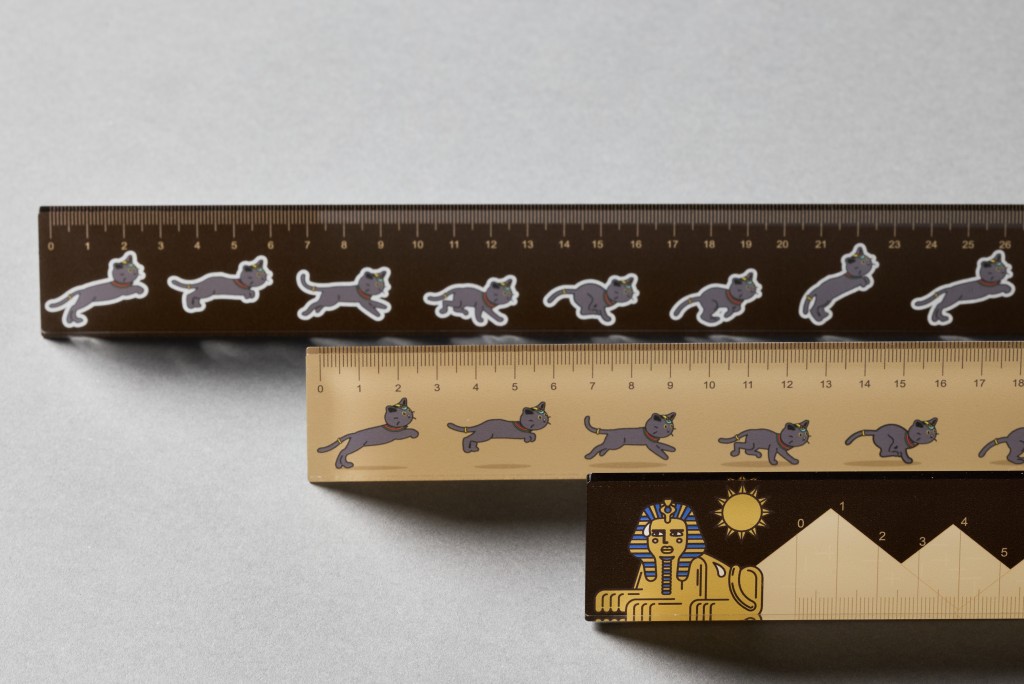
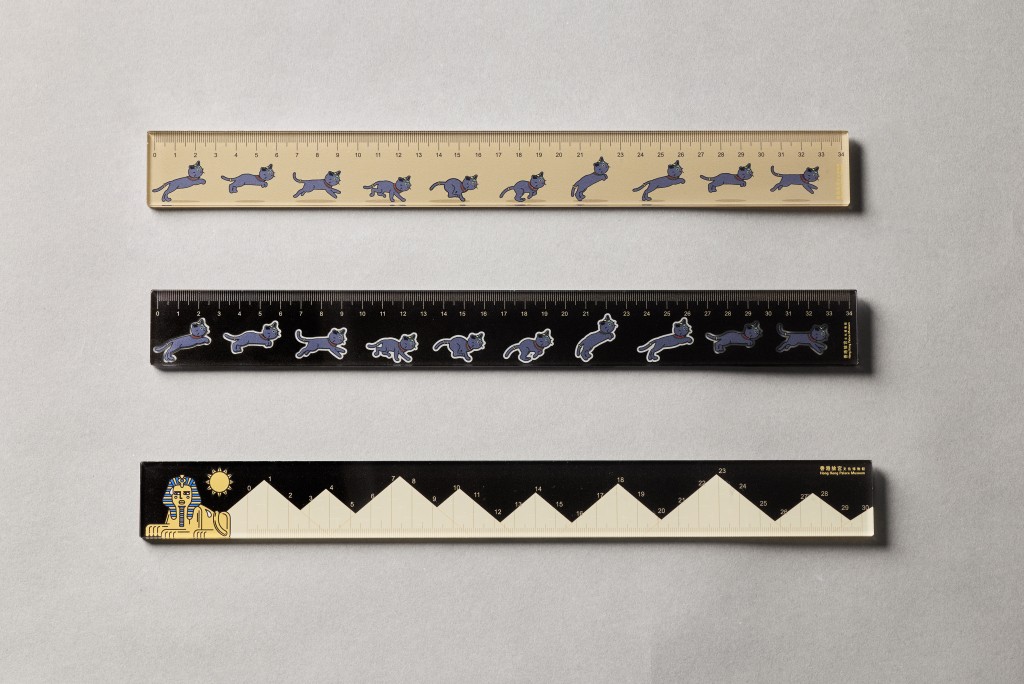
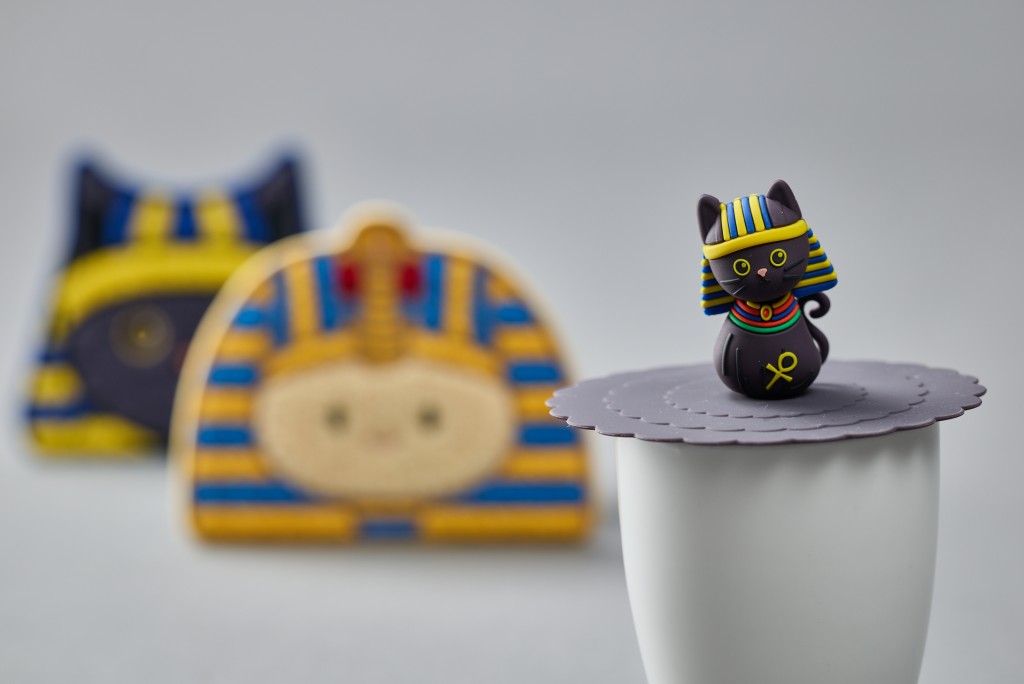
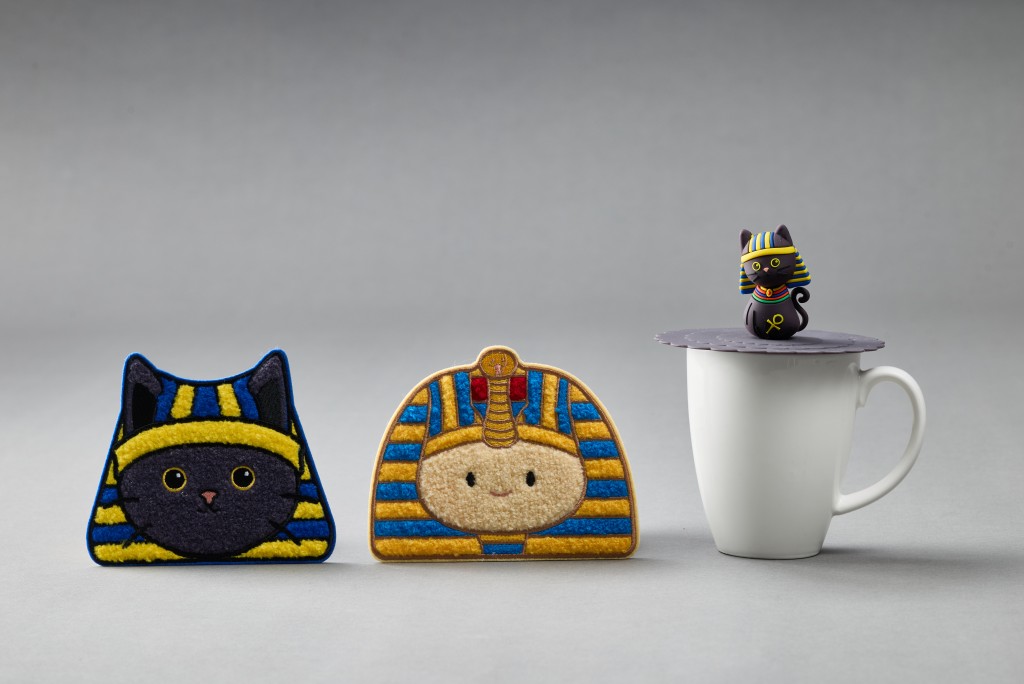
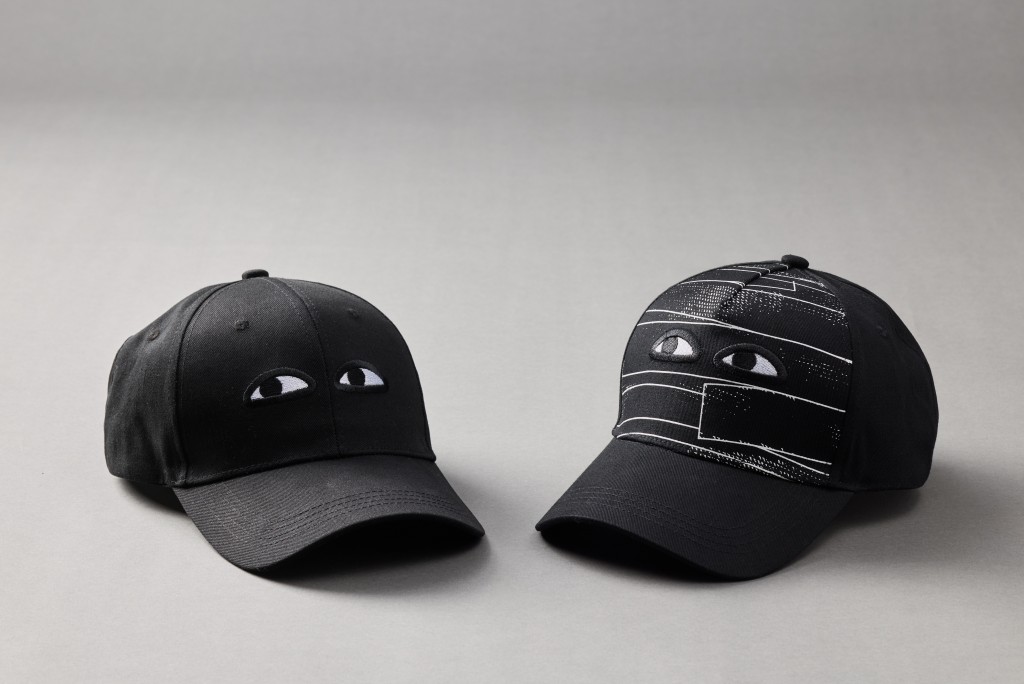
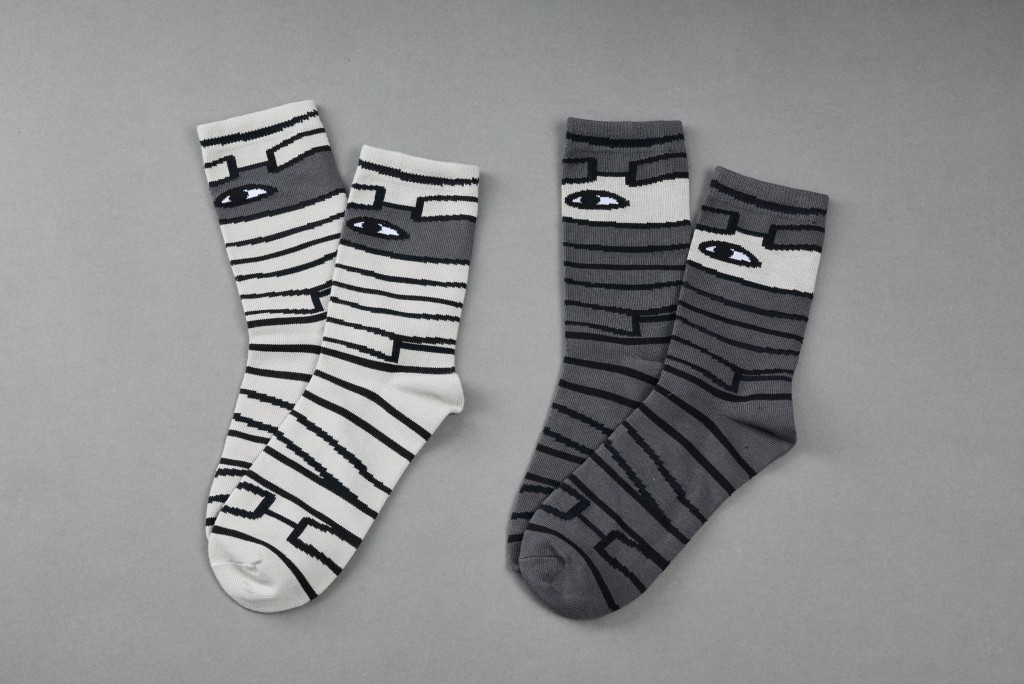
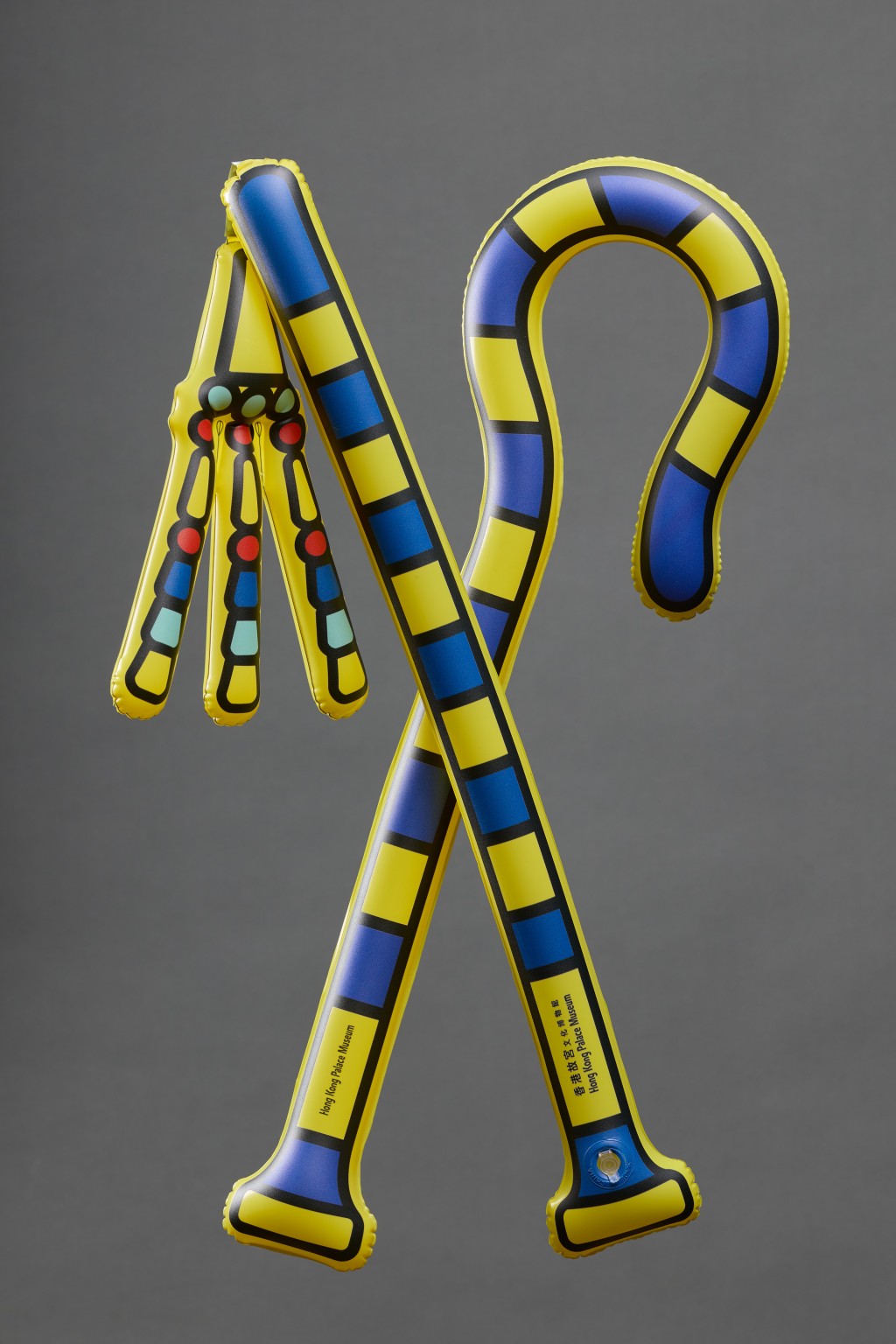
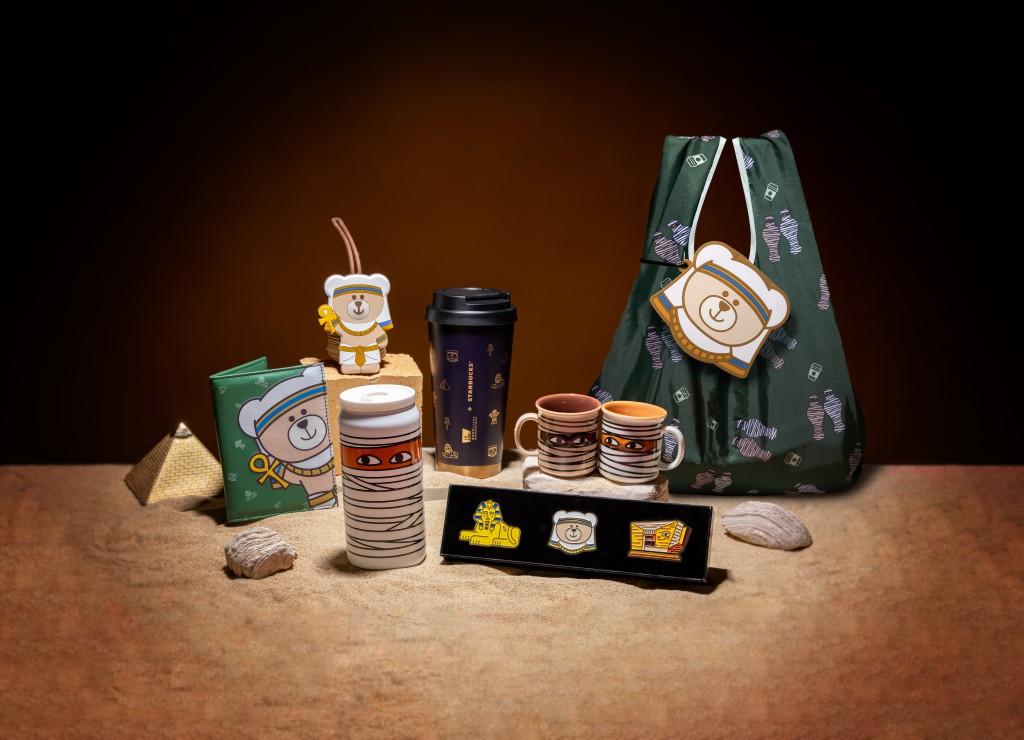
For those looking to take a piece of the celebration home, the museum has unveiled nearly 30 new themed products tied to its Ancient Egypt exhibition.
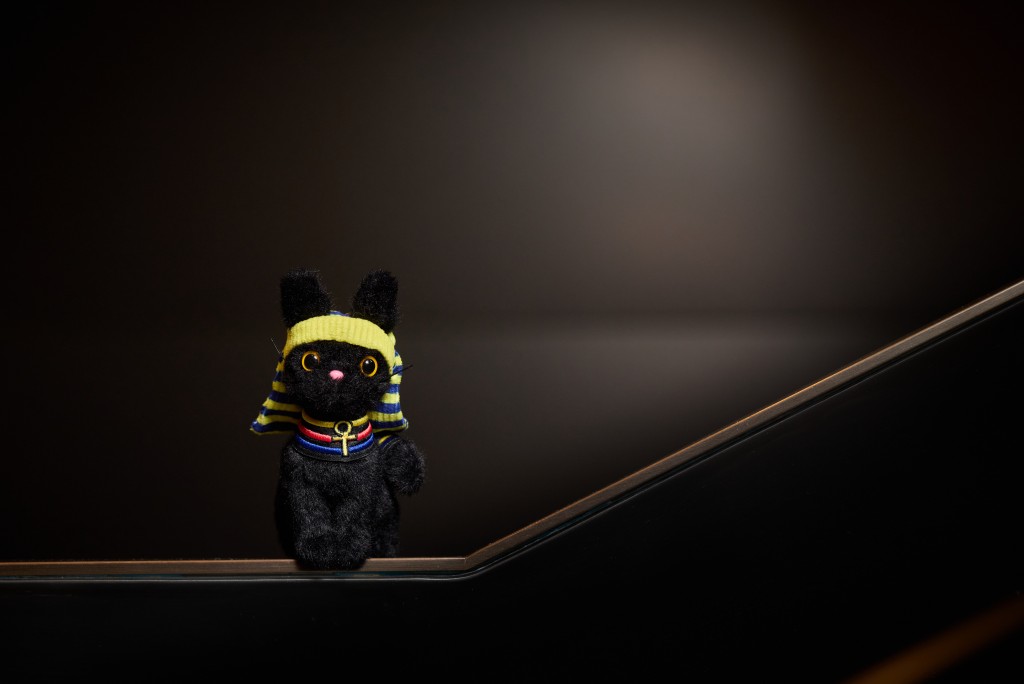
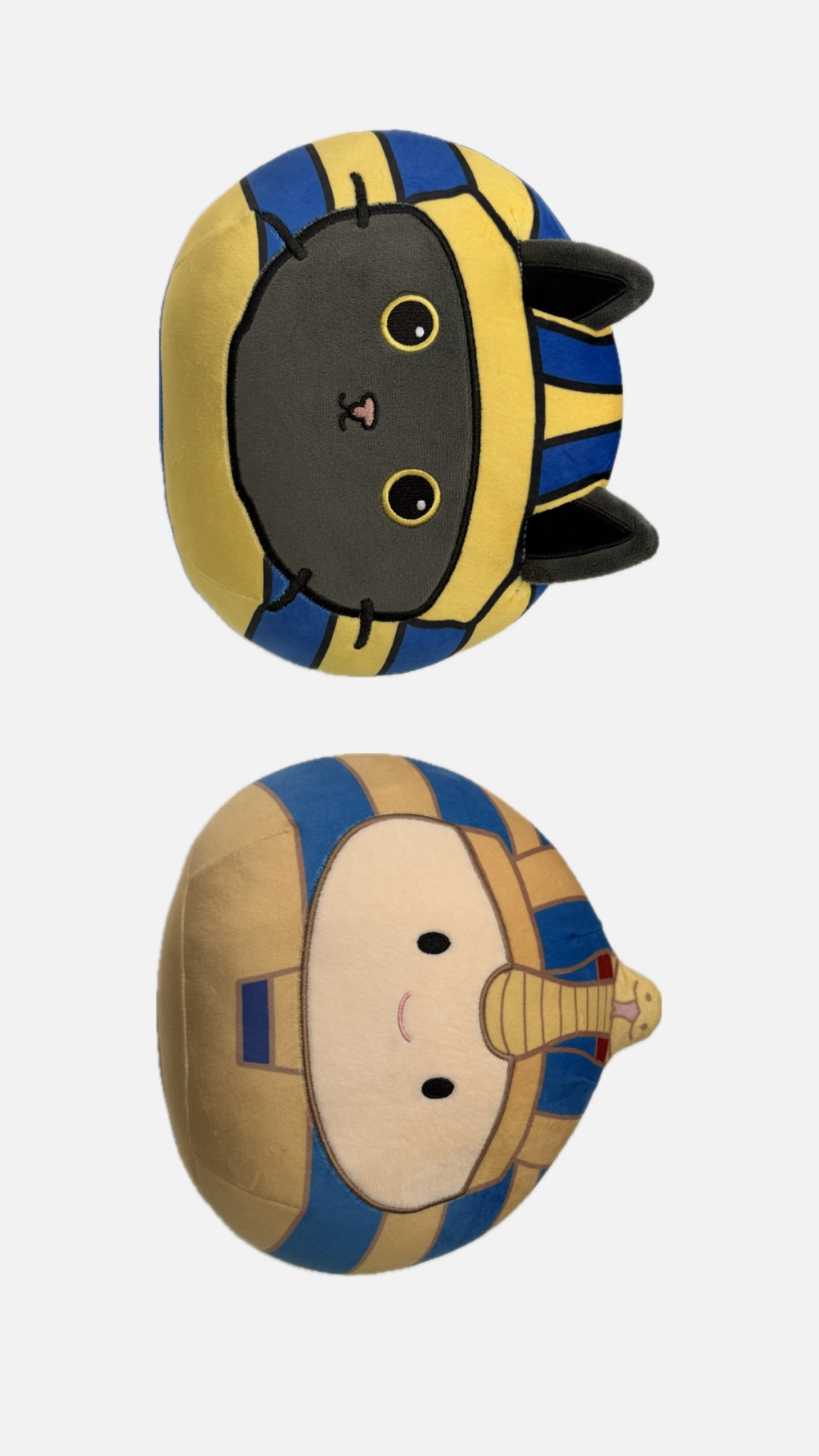
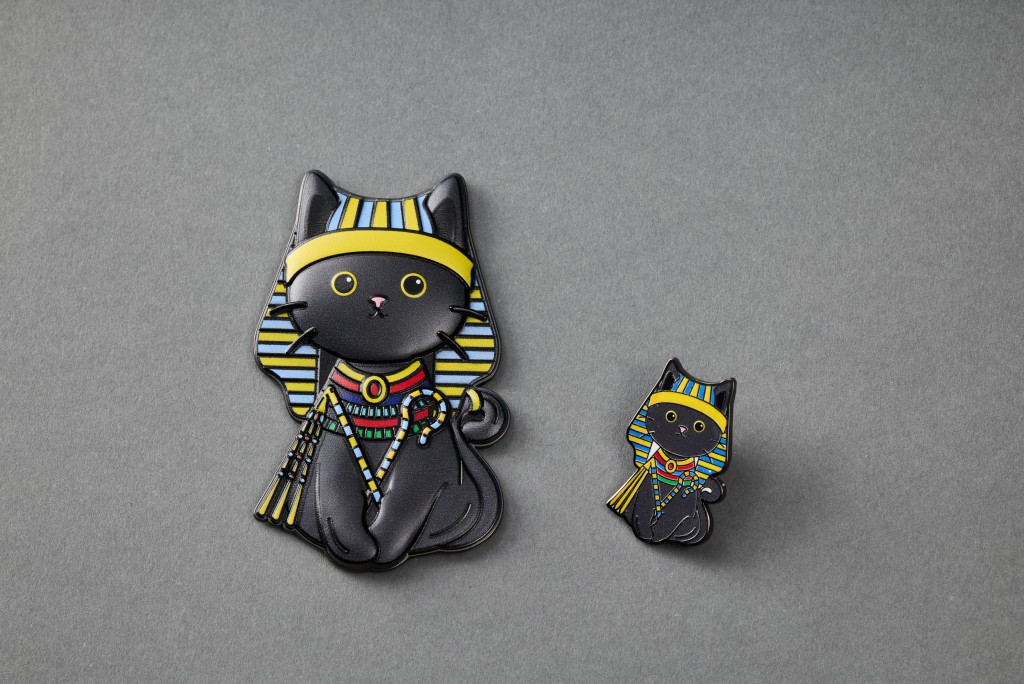
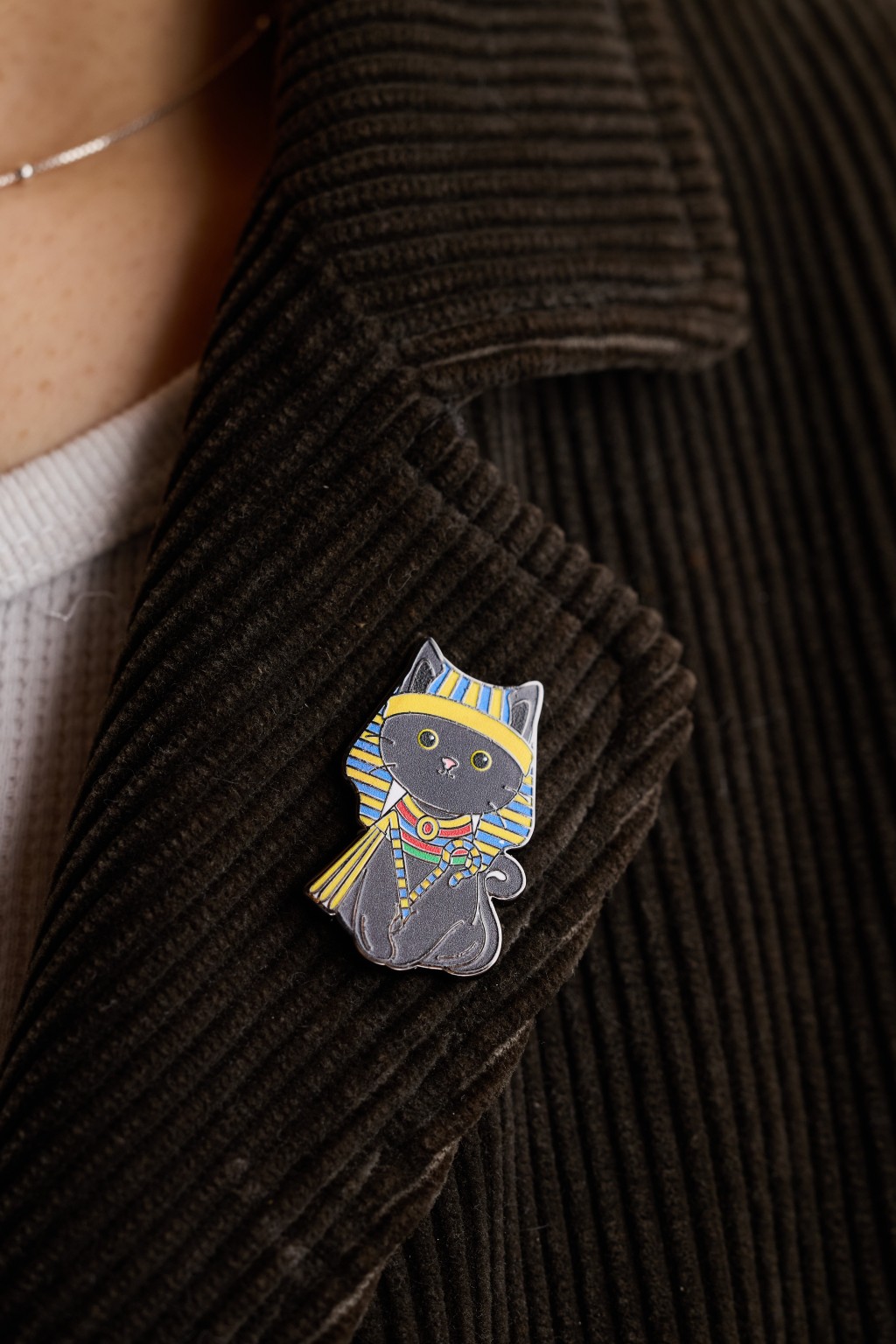
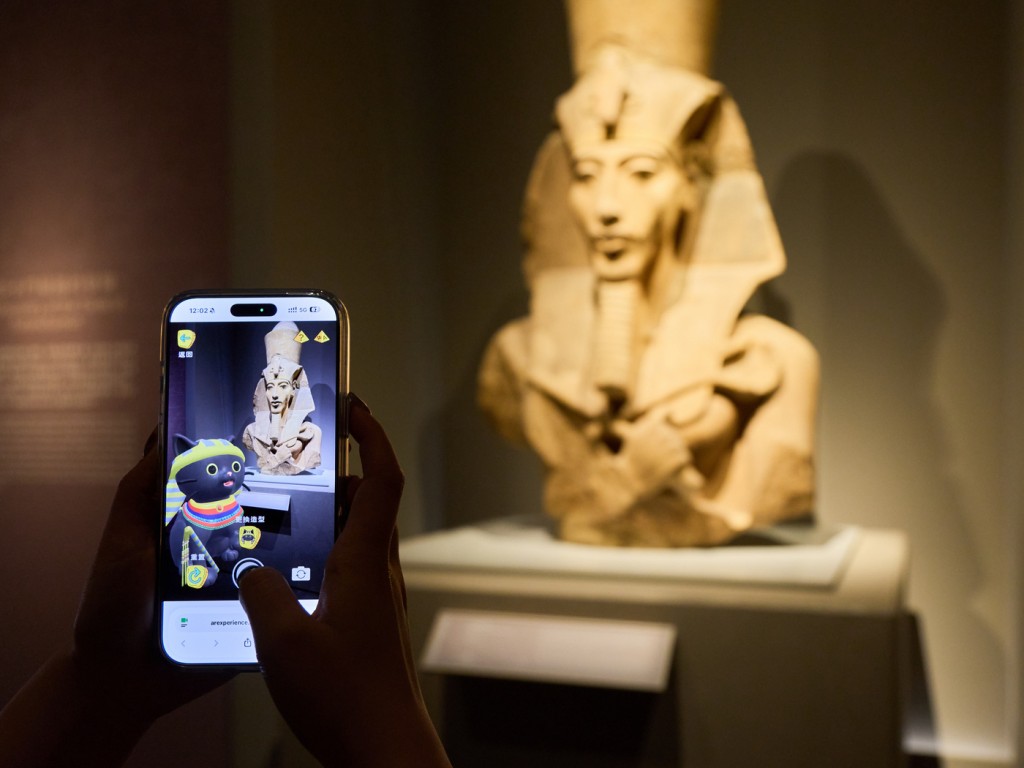
The beloved pharaoh cat now appears as a plush bag charm priced at HK$148, while enamel pins are offered at HK$68 and enamel magnets at HK$98.
+13
Daily essentials like an embroidered coaster and cup lid featuring the pharaoh cat will also be available, priced at HK$68 and HK$98 respectively.
Notably, a pharaoh cat cushion (HK$248) is also set for release in April .
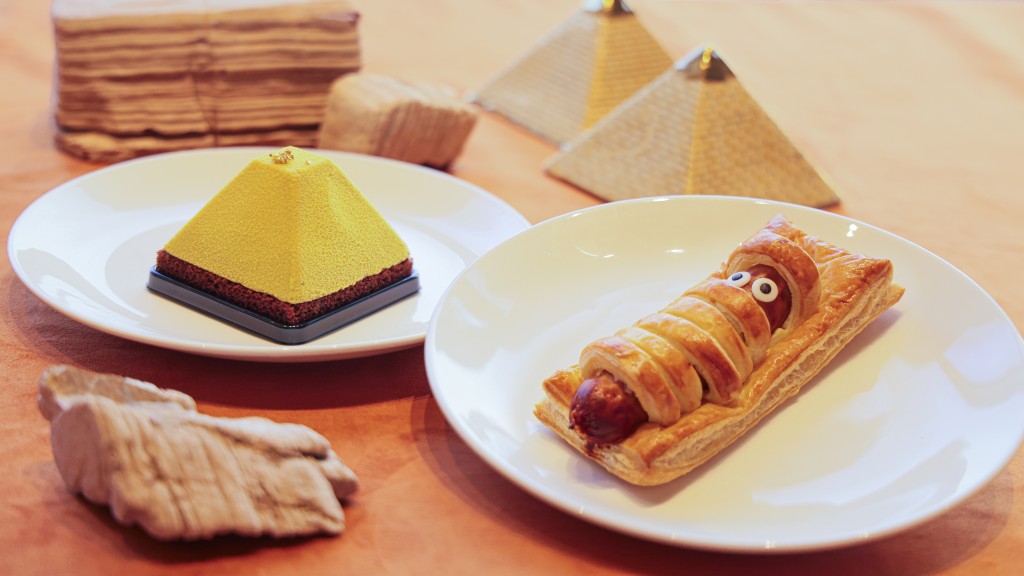
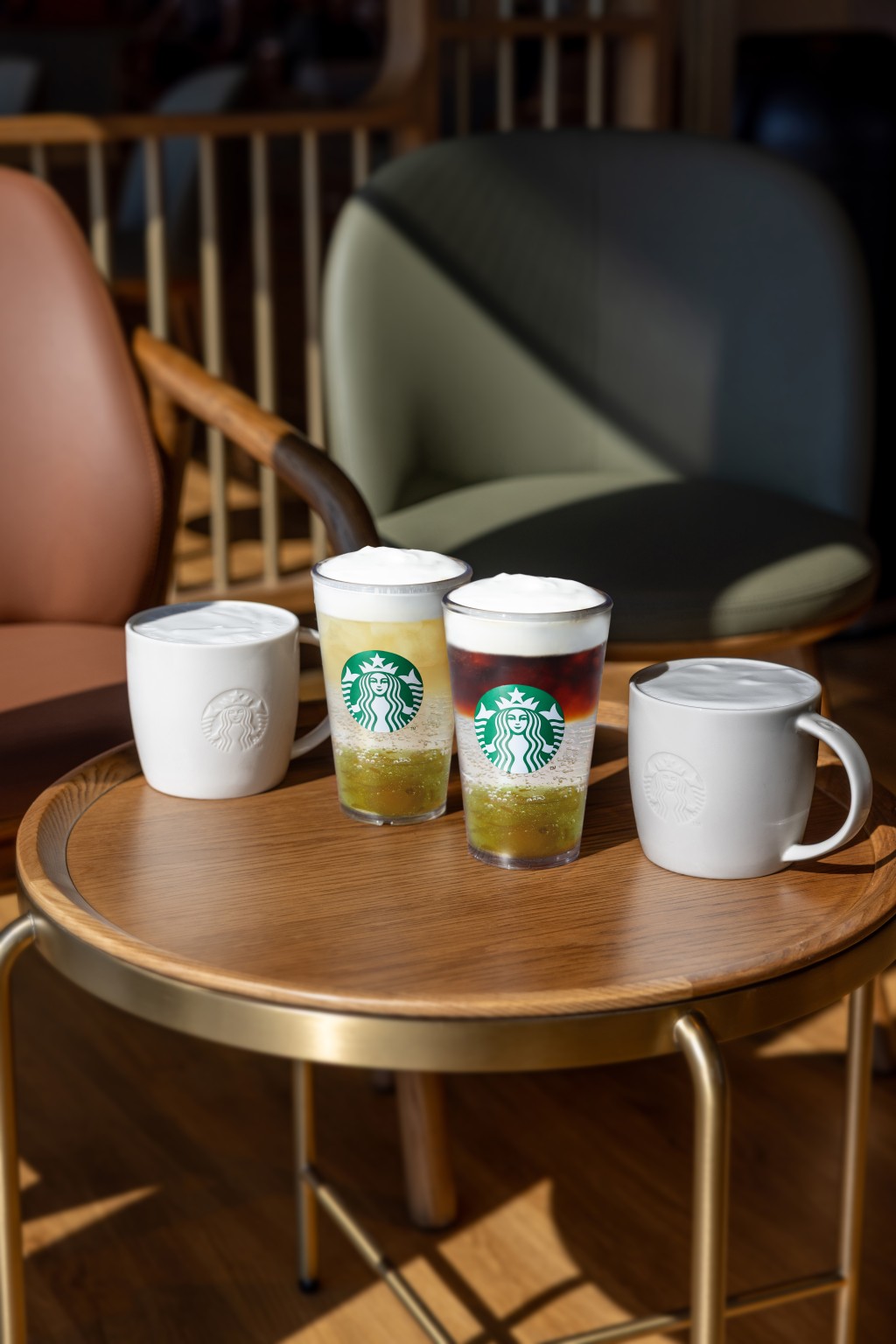
Expanding the theme beyond the museum, Starbucks Hong Kong has launched a special collaboration, introducing Ancient Egypt-inspired treats like Golden Pistachio Pyramid and Mummy’s Secret Roll.
+2
A collection of collectibles featuring coffee cup sets, tumblers, and luggage tags adorned with classic Egyptian motifs will hit stores across Hong Kong and Macau starting late February.
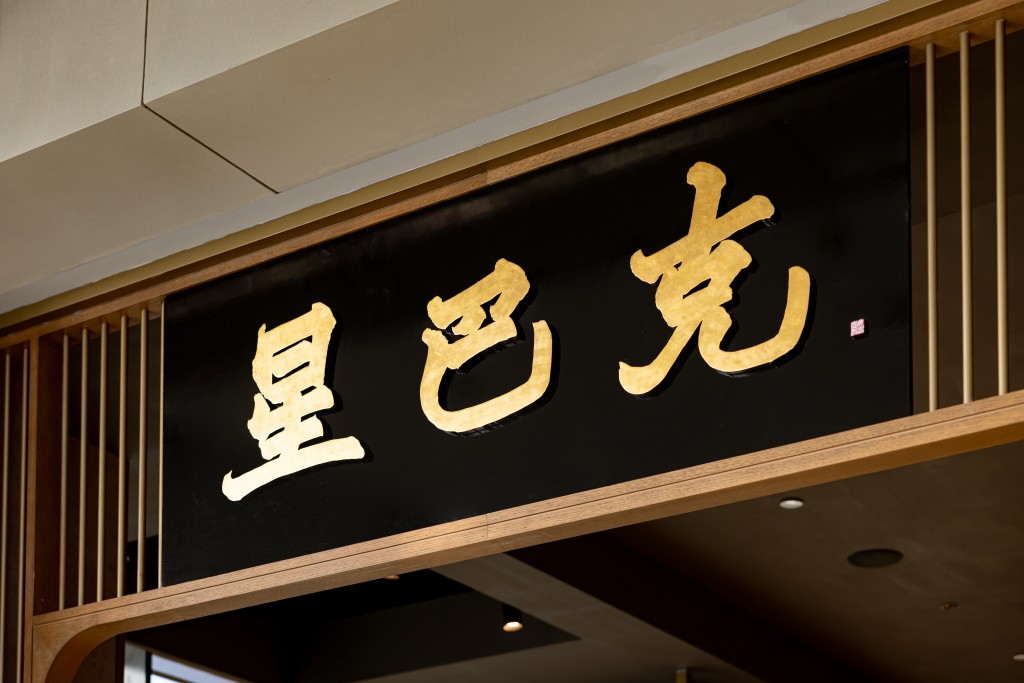
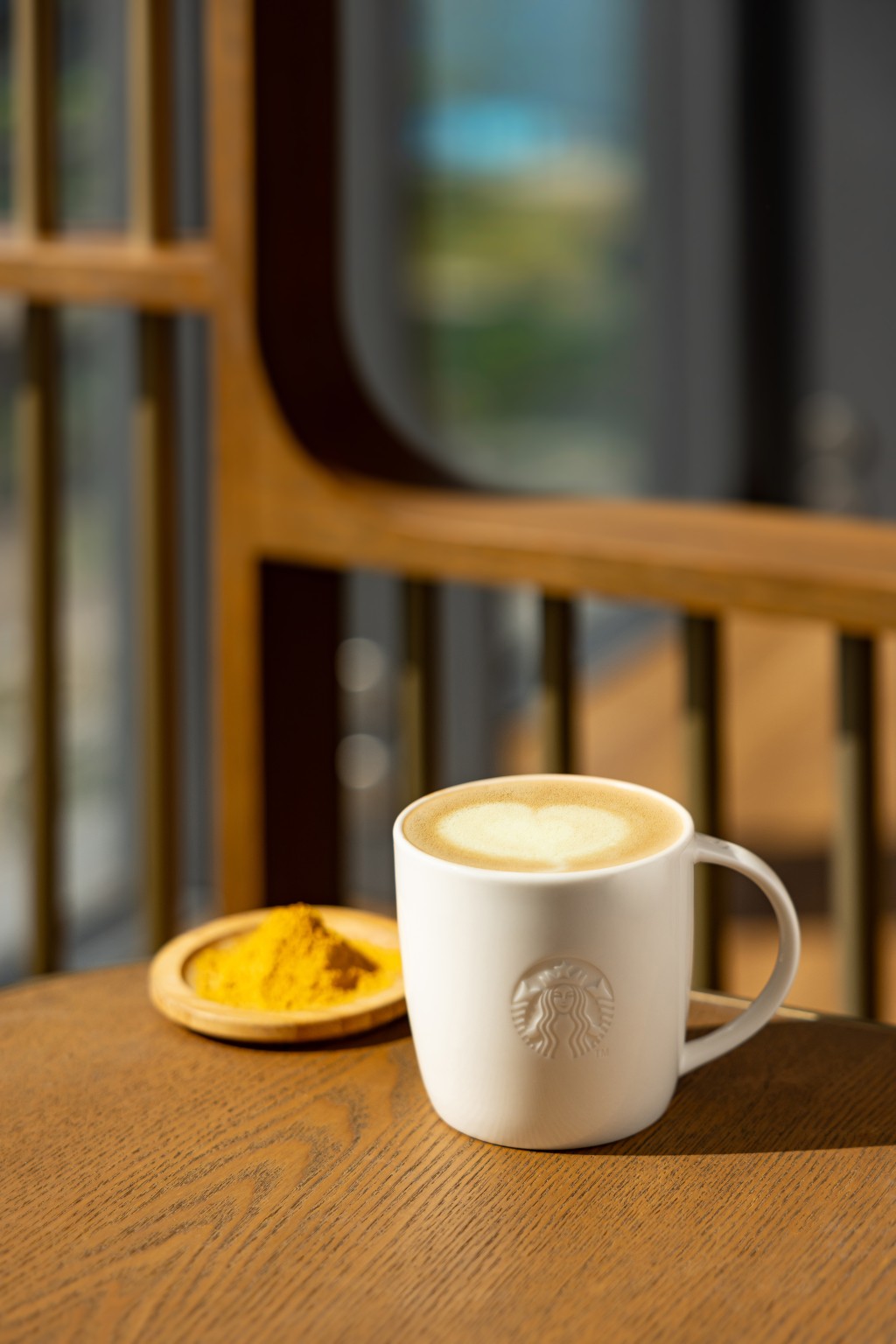
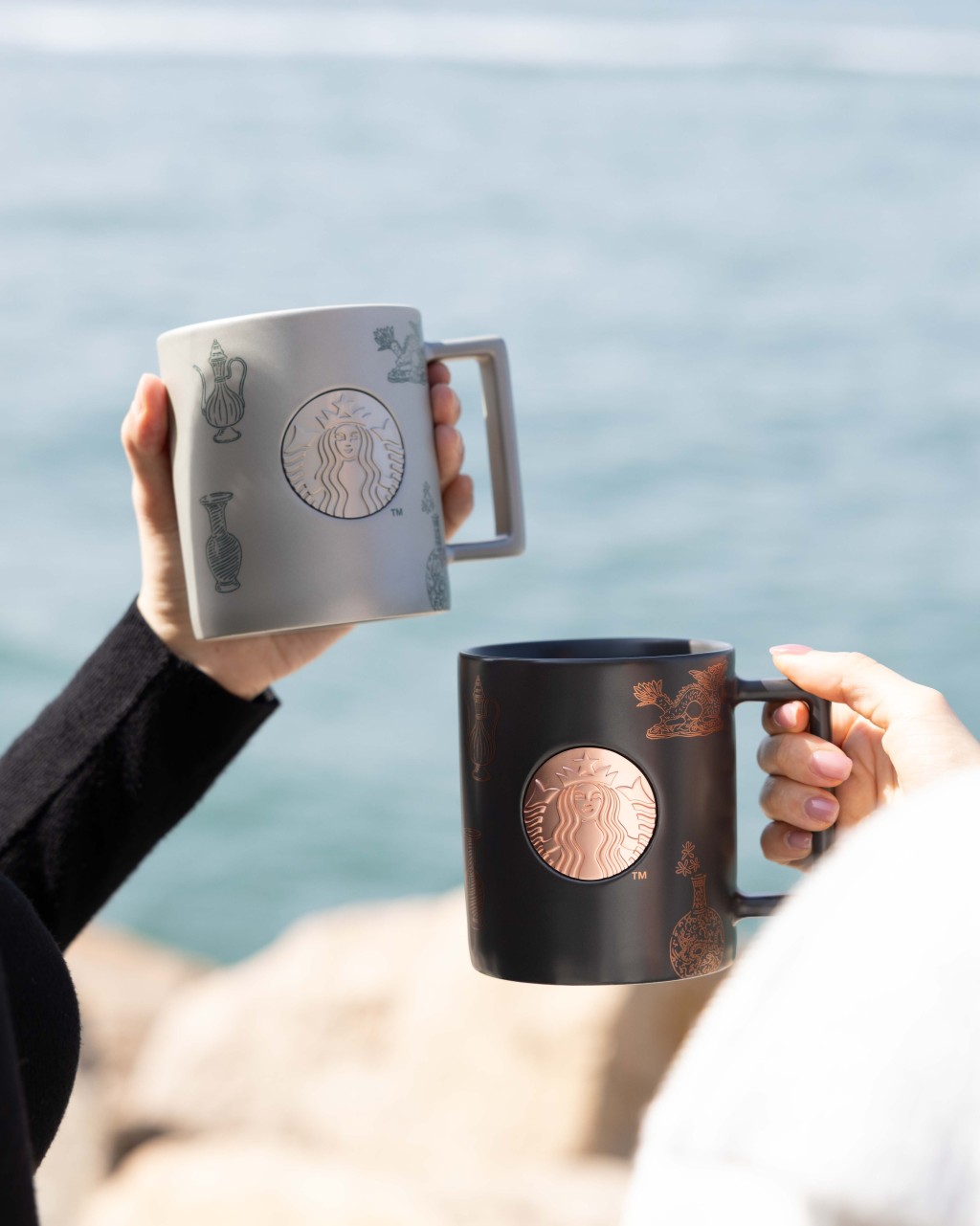
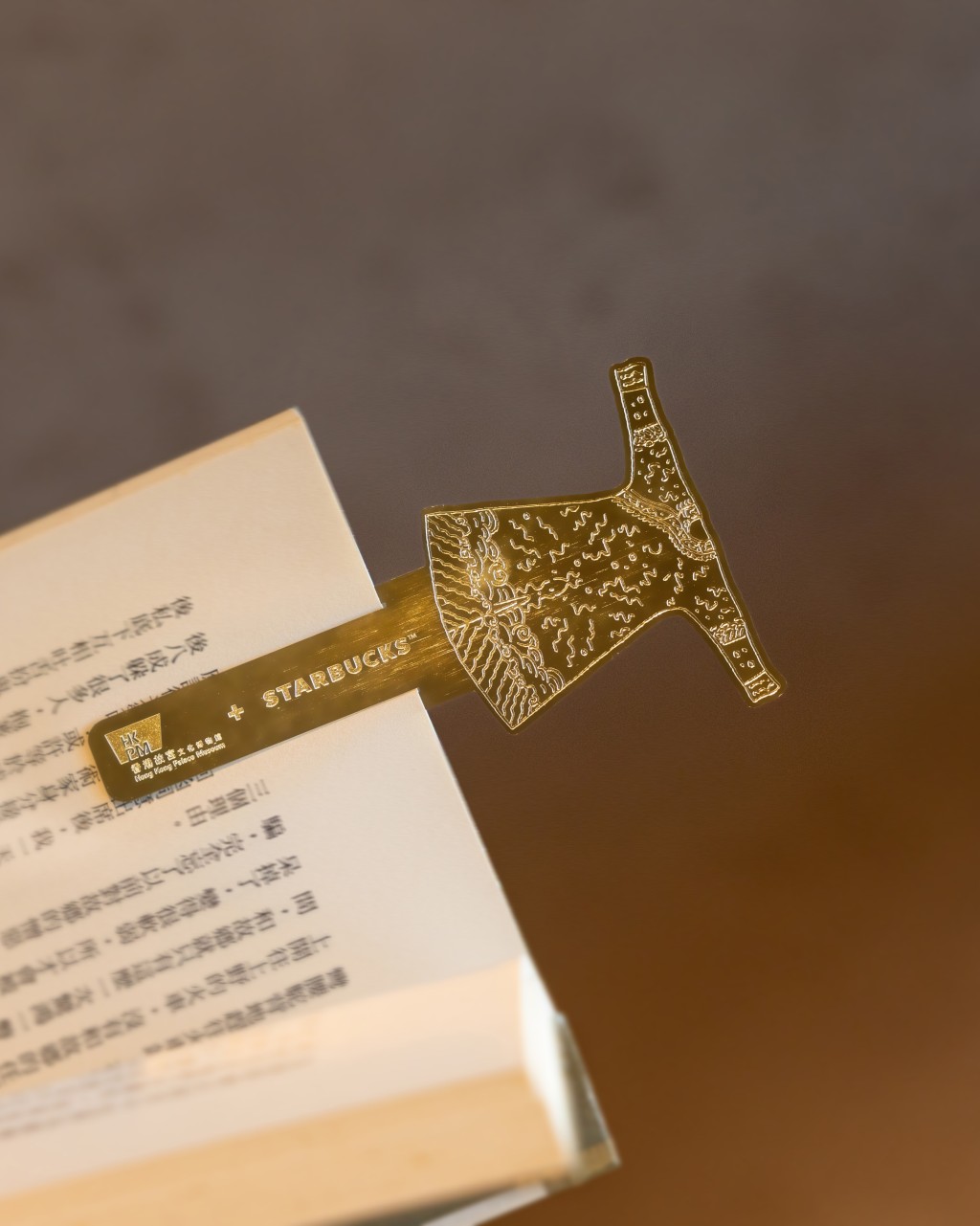
The HKPM Starbucks concept store debuts the “Hong Kong Palace Museum Collection”. Inspired by imperial treasures from the Ming and Qing dynasties, the collection features four products that blend court culture with contemporary aesthetics.
The HKPM Starbucks concept store debuts the “Hong Kong Palace Museum Collection”. Inspired by imperial treasures from the Ming and Qing dynasties, the collection features four products that blend court culture with contemporary aesthetics.
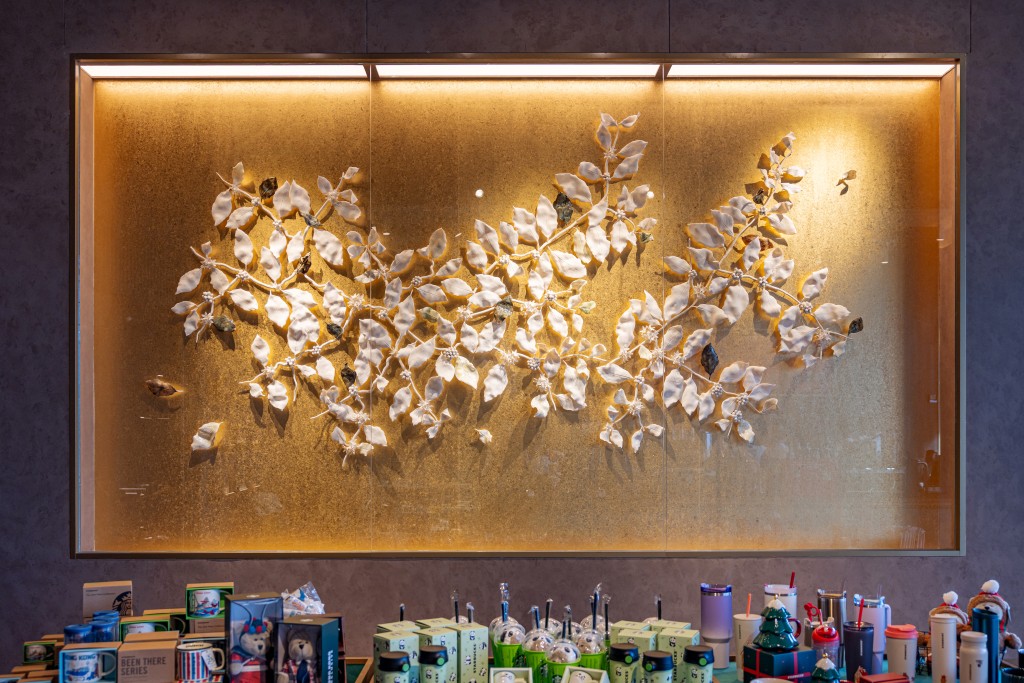
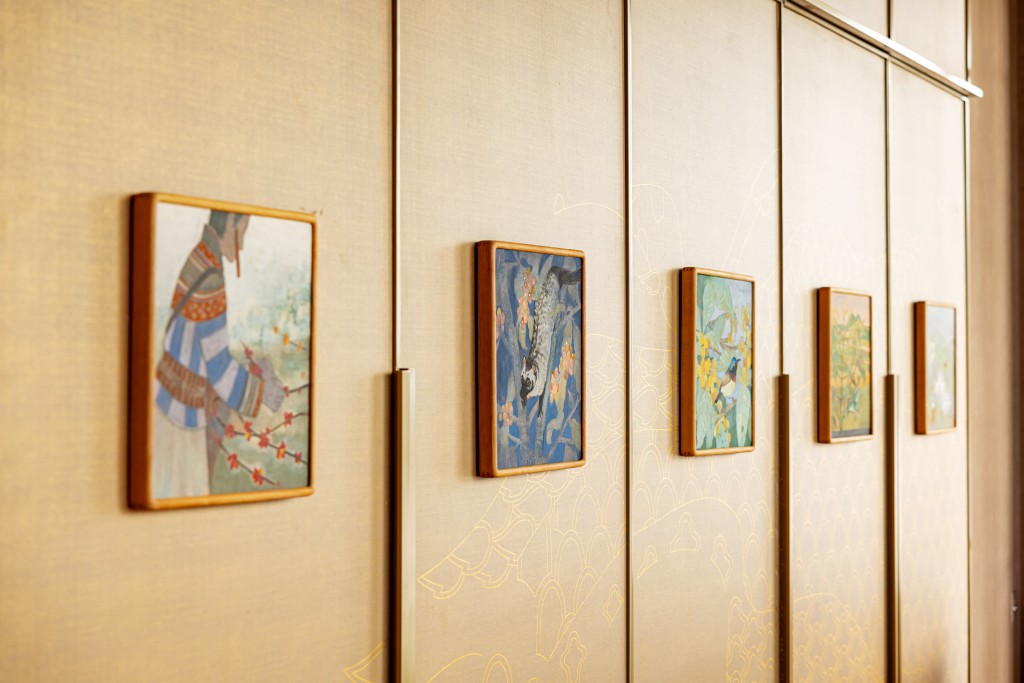
Additionally, the HKPM Starbucks concept store will debut the “Hong Kong Palace Museum Collection,” where visitors can find four uniquely designed products inspired by imperial treasures from the Ming and Qing dynasties, along with a ceramic wall installation by sculptor Leo Wong and artworks created with natural minerals and earth pigments by artist Elsa Ngai.
The museum has also announced special opening hours for the Chinese New Year holiday. It will be closed on February 17, open from 9 am to 5 pm on February 18, and from 10 am to 8 pm from February 19 to 22 .