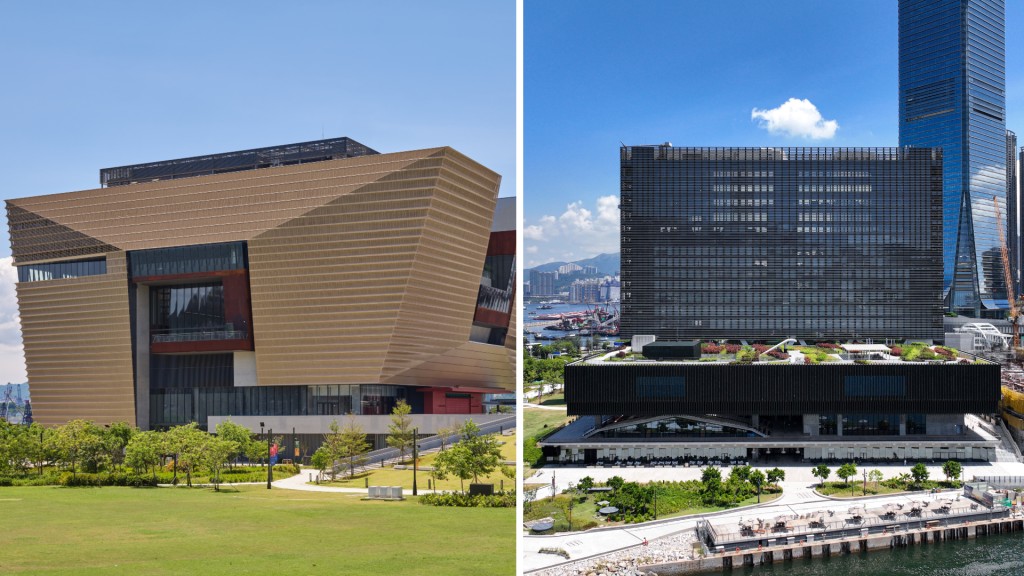
Hongkongers can take in the finely woven artistry of imperial carpets and treasures from historical Islamic empires at the Hong Kong Palace Museum from tomorrow in the city’s first major Islamic art exhibition.
Organized with the Museum of Islamic Art in Doha, “Wonders of Imperial Carpets” showcases 90 relics from Safavid Iran, Ottoman Turkiye, and Mughal India from the 10th to 19th centuries, exploring Islamic and Chinese cultural interactions.
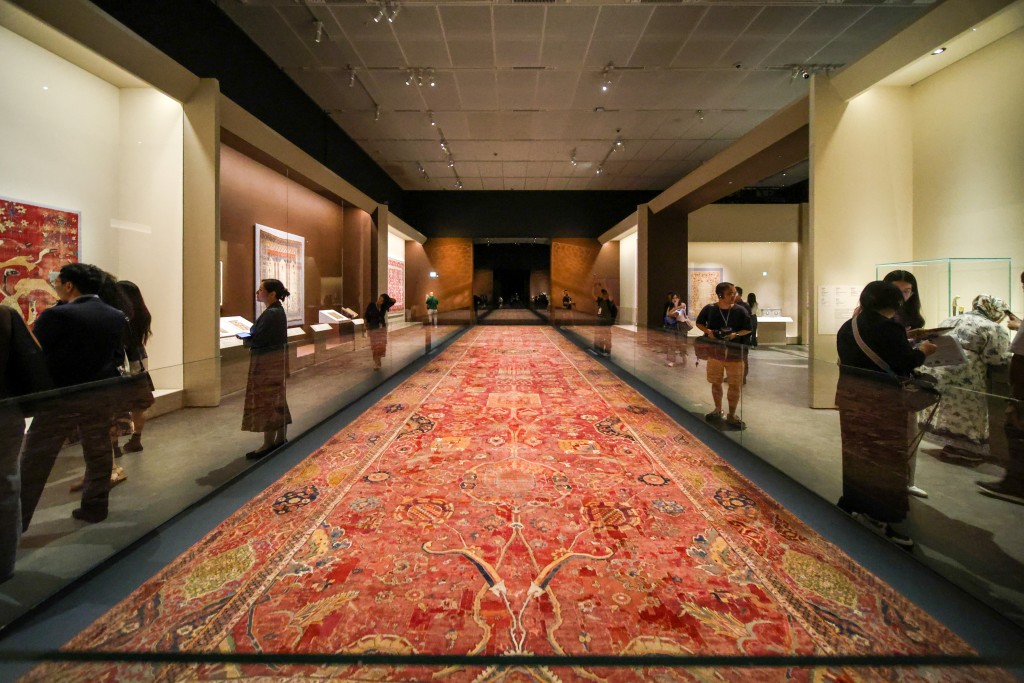
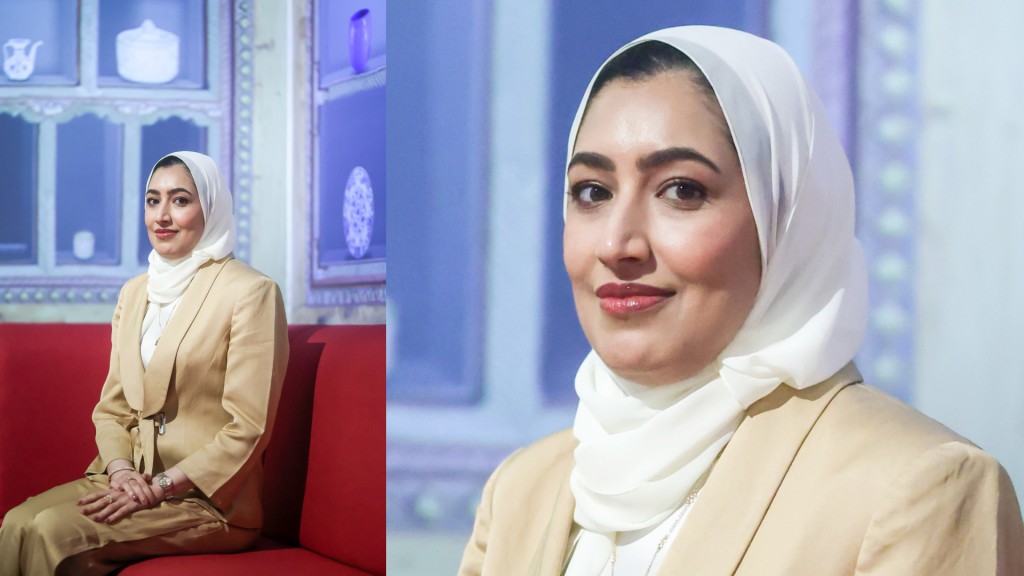
Many artifacts, including ceramics and manuscripts, are displayed overseas for the first time, with the 16-meter Kevorkian Hyderabad Carpet showing for the first time since 2018, MIA director Shaika Nasser Al-Nassr told The Standard.
“Carpets are very logistically and technically difficult to travel and exhibit, because they have organic materials. Usually, we display them only for six months, and then we take them off for rotation to maintain their good quality and [ensure] the colors don’t fade.”
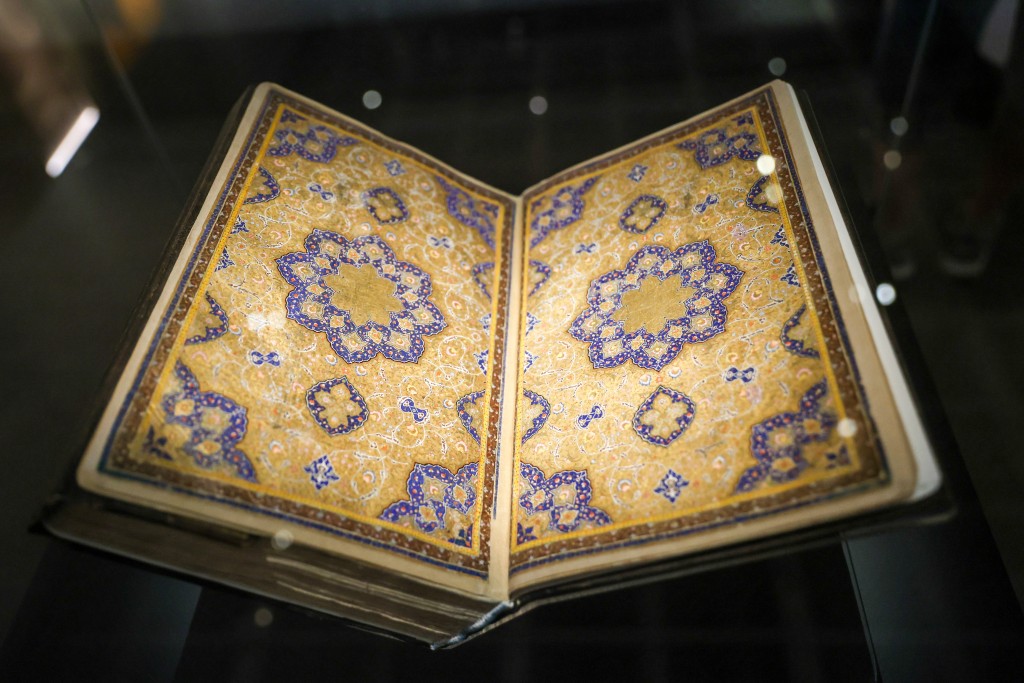
The director said the MIA has chosen the highest-quality masterpieces to display in Hong Kong, a city she described as international and cosmopolitan. “The manuscripts – we’ve displayed the most decorative parts, the most beautiful [sections].”
Al-Nassr stressed that the focus is on broad, globally relevant themes such as trade, cultural diplomacy, artistic influences and craftsmanship.
“This exhibition is not about religion or Islam. It’s more about the cultural interconnections between East and West. For example, the prayer carpet, but we present the motifs, the dots, not their religious significance. For us, it is a religious object, but we are not representing it in that way,” she explained.
She said this collaboration, more than four years in the making, “is only the beginning hopes for more exchanges with Hong Kong museums, such as lectures, research and internships.
The Kevorkian Hyderabad Carpet. (Sing Tao)
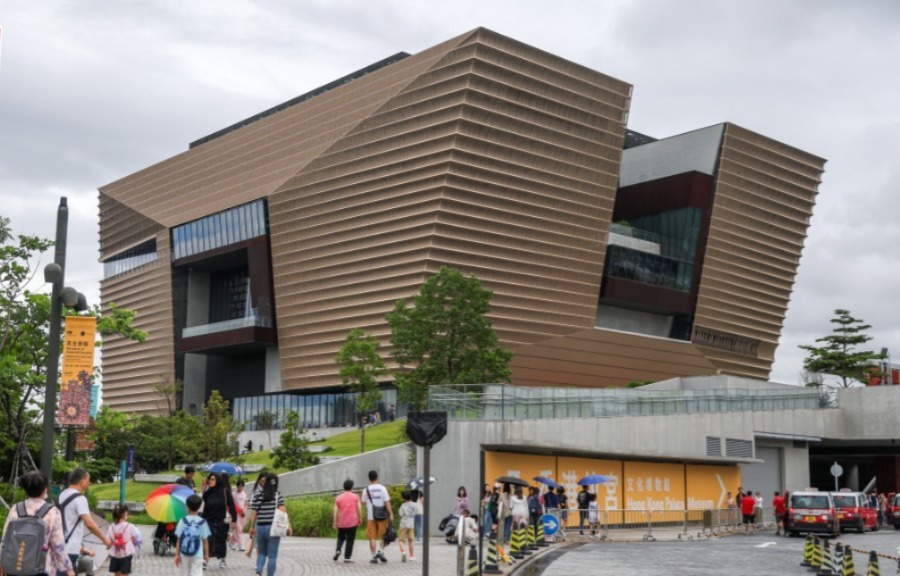
The exhibition opens from tomorrow to October 6 in Gallery 9 of the HKPM, with tickets priced at HK$150 for adults and HK$75 for concessions.
Highlights include imperial carpets, royal Qurans, miniature paintings, metalwork and jades.
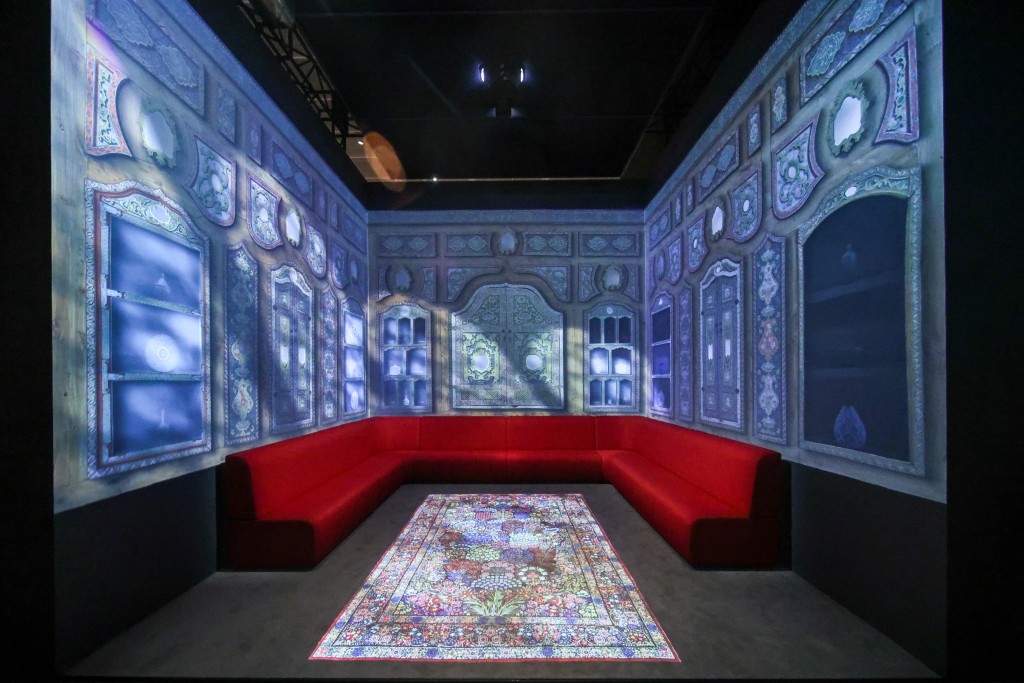
The HKPM has also digitally recreated the Damascus Room, the most-visited exhibit 6,000 kilometers away in Qatar’s MIA.
HKPM associate curator Ingrid Yeung noted the use of multimedia to enhance visitor experience while not overshadowing the artwork.
HKPM museum director Louis Ng Chi-wa expects the exhibition to attract 80,000 to 100,000 visitors and deepen public understanding of Islamic culture.
(Jamie Liu)