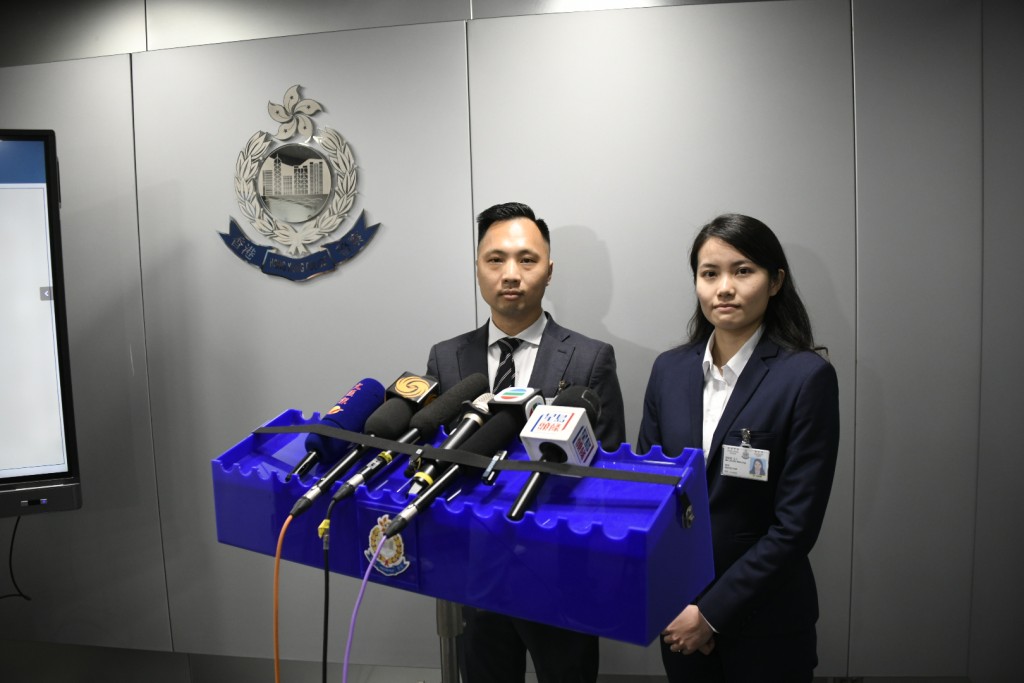
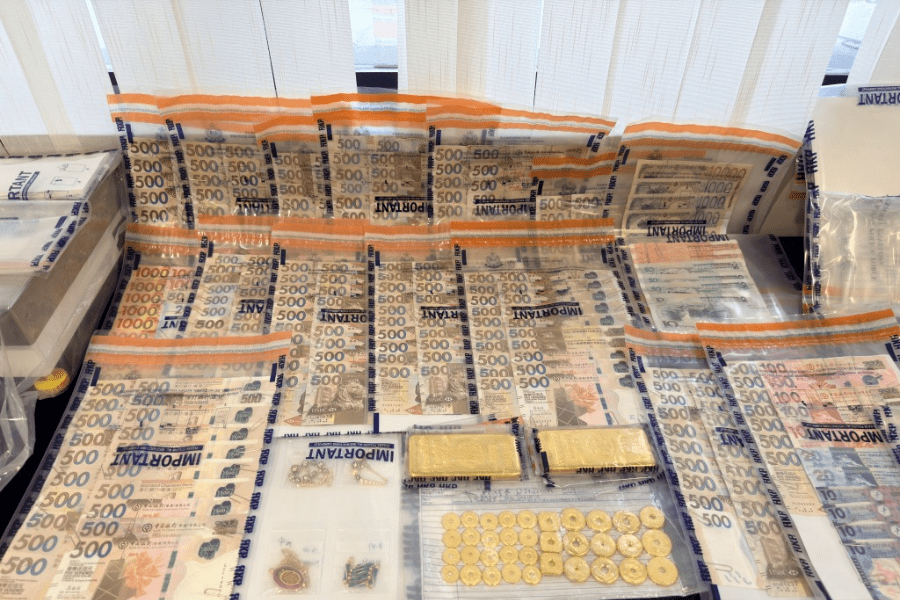
Police have arrested 71 people in a sweeping operation that uncovered 69 scam cases with 182 victims, losing over HK$214 million.
The two-week operation, conducted between January 12 and 26, targeted fraud and money laundering crimes. Among those arrested were 46 men and 25 women aged between 14 and 65, all suspected of serving as "stooge account holders" for criminal syndicates.
Fake CEO swindled over HK$134 million from transnational company
Among the cases, the largest single loss was reported by a multinational used car trading company. Fraudsters allegedly impersonated the firm’s chief executive in the UK last March and instructed a managing director at the Spanish branch to transfer €15 million (around HK$134 million) to a Hong Kong bank account, for what they claimed was a confidential acquisition deal.
The unsuspecting executive completed the transfer, only discovering the fraud after later contacting the actual CEO to confirm the transaction.
The scams ensnared 182 victims between the ages of 18 and 68, with individual losses ranging from as little as HK$220 to a staggering HK$134 million in one case.
Rising number of scam cases
As scam cases continue to rise, police warned the public about increasingly sophisticated tactics, including fraudsters posing as customer service representatives from telecommunications companies and media platforms.
Some scammers falsely claim victims have subscribed to expensive service plans, then trick them into providing personal information and bank details under the pretense of canceling the unwanted subscription, officers explained.
In some variations, fraudsters direct victims to counterfeit “official customer service platforms” claiming identity verification is required. When victims enter the “verification code” provided by scammers, they unknowingly authorize fraudulent transfers from their own accounts, authorities warned.
Police also identified similar verification code scams proliferating on social media platforms.
Police said that some fraudsters pose as sellers offering free second-hand goods for just a small shipping fee. After victims complete a fake shipping form, the scammers claim their accounts have been frozen and request help with “verification.”
Victims are then redirected to fake customer service agents who persuade them to enter verification codes that secretly authorize transfers from their own bank accounts.
Sellers on second-hand trading platforms face similar risks, police said, as scammers posing as buyers request bank details for payment.