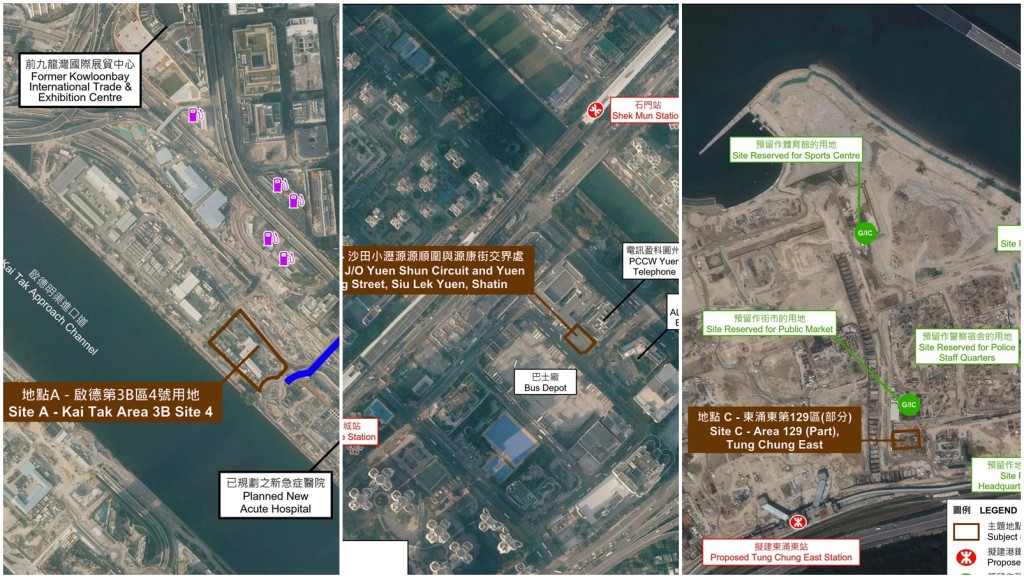
The Development Bureau on Tuesday invited the market to submit expressions of interest within two months for developing post-secondary student hostels on three commercial sites in Kai Tak, Siu Lek Yuen in Sha Tin and Tung Chung East, which could collectively provide about 4,500 beds.
The move marks the first time the government has encouraged the development of student dormitories through land disposal in the open market. One or more of the sites could be made available for development through open tender as early as 2026–27, with the final number of beds subject to the designs proposed by project proponents.
The bureau said the three sites are located in urban or extended urban areas and are classified as “readily developable land,” with planning and development parameters considered suitable for student hostel projects.
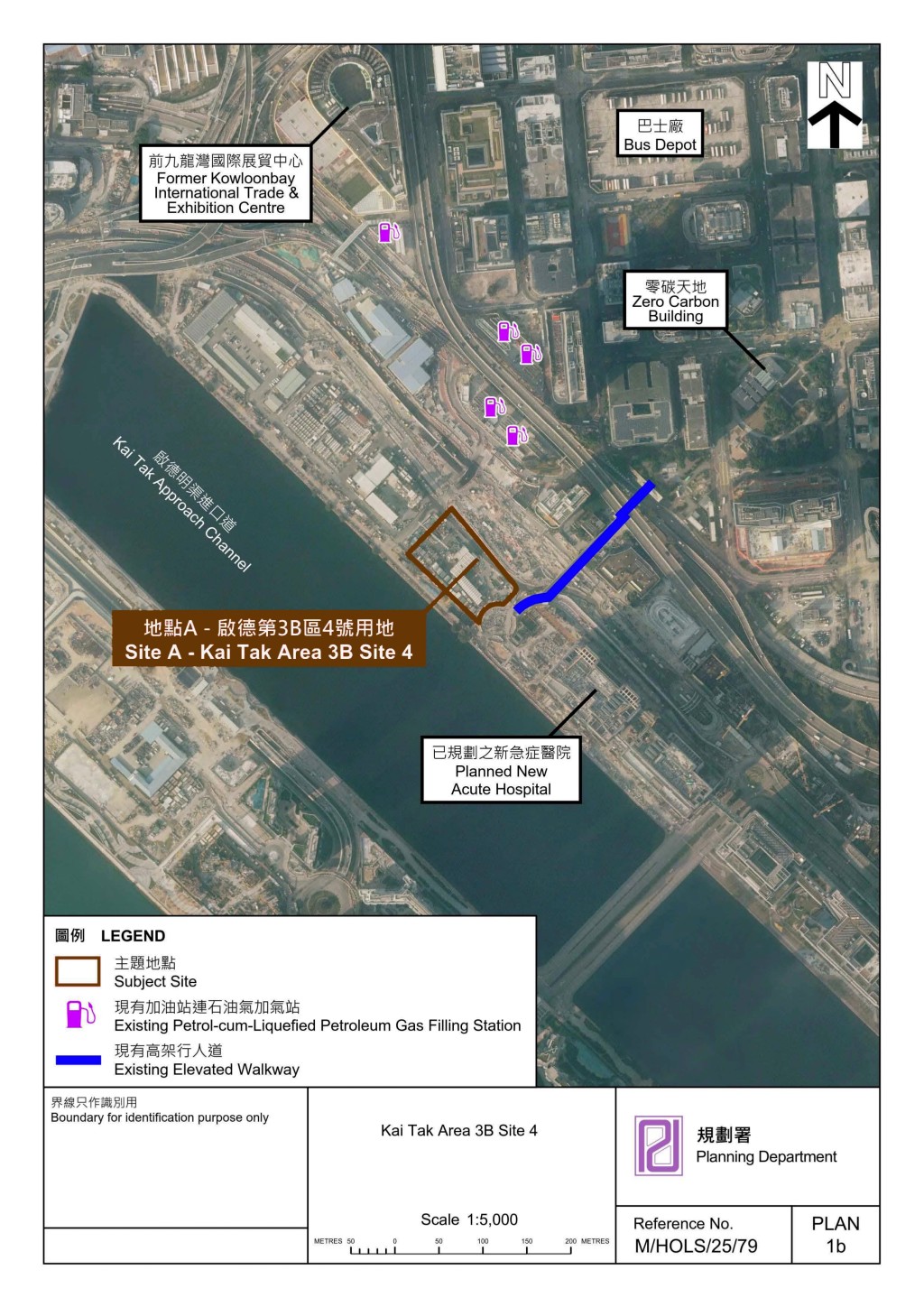
The Kai Tak site, the largest of the three, is located in the former South Apron area of the Kai Tak Development Area near the Kai Tak Sports Park. It covers about 0.74 hectares and has a maximum gross floor area of 43,000 square meters.
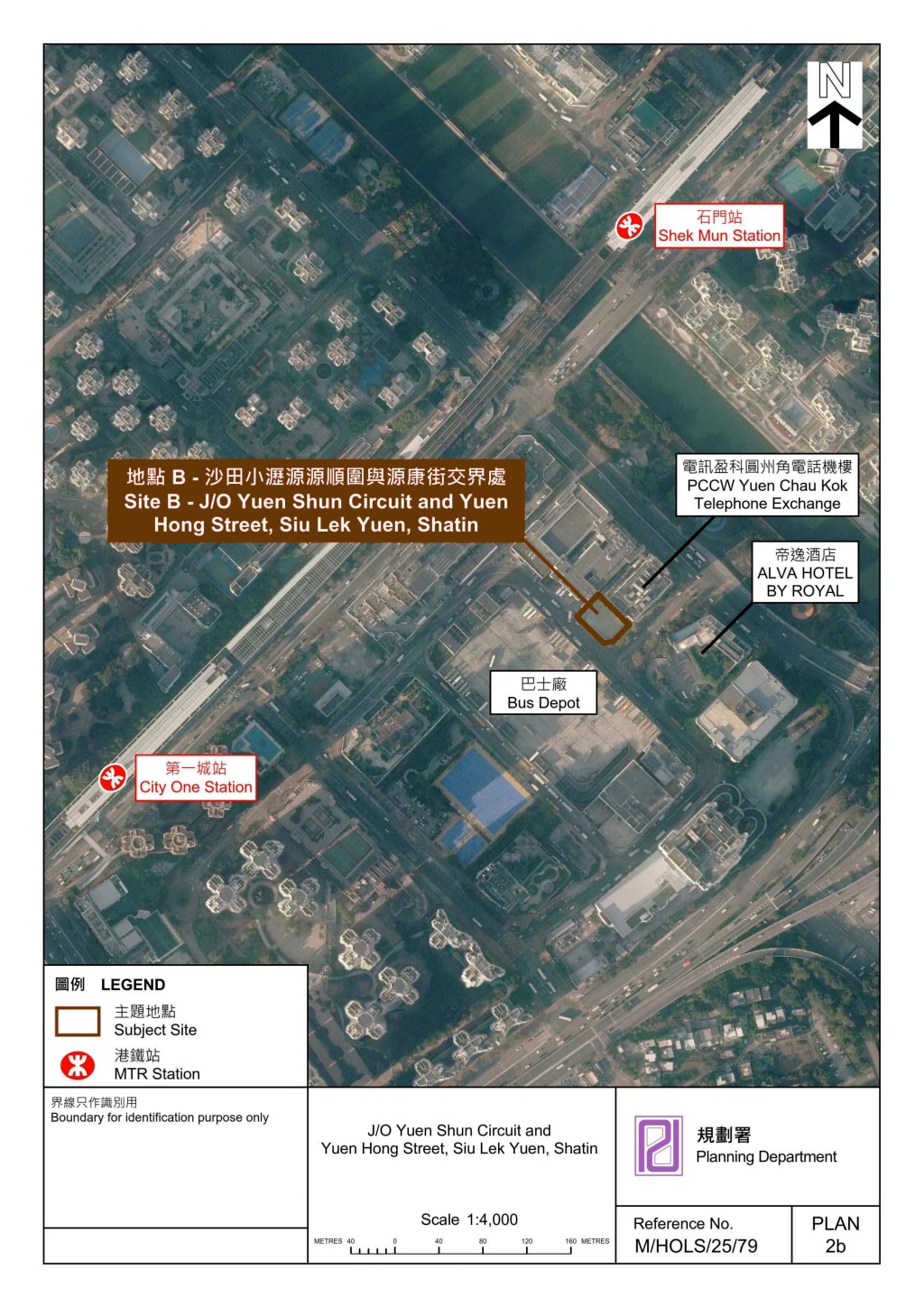
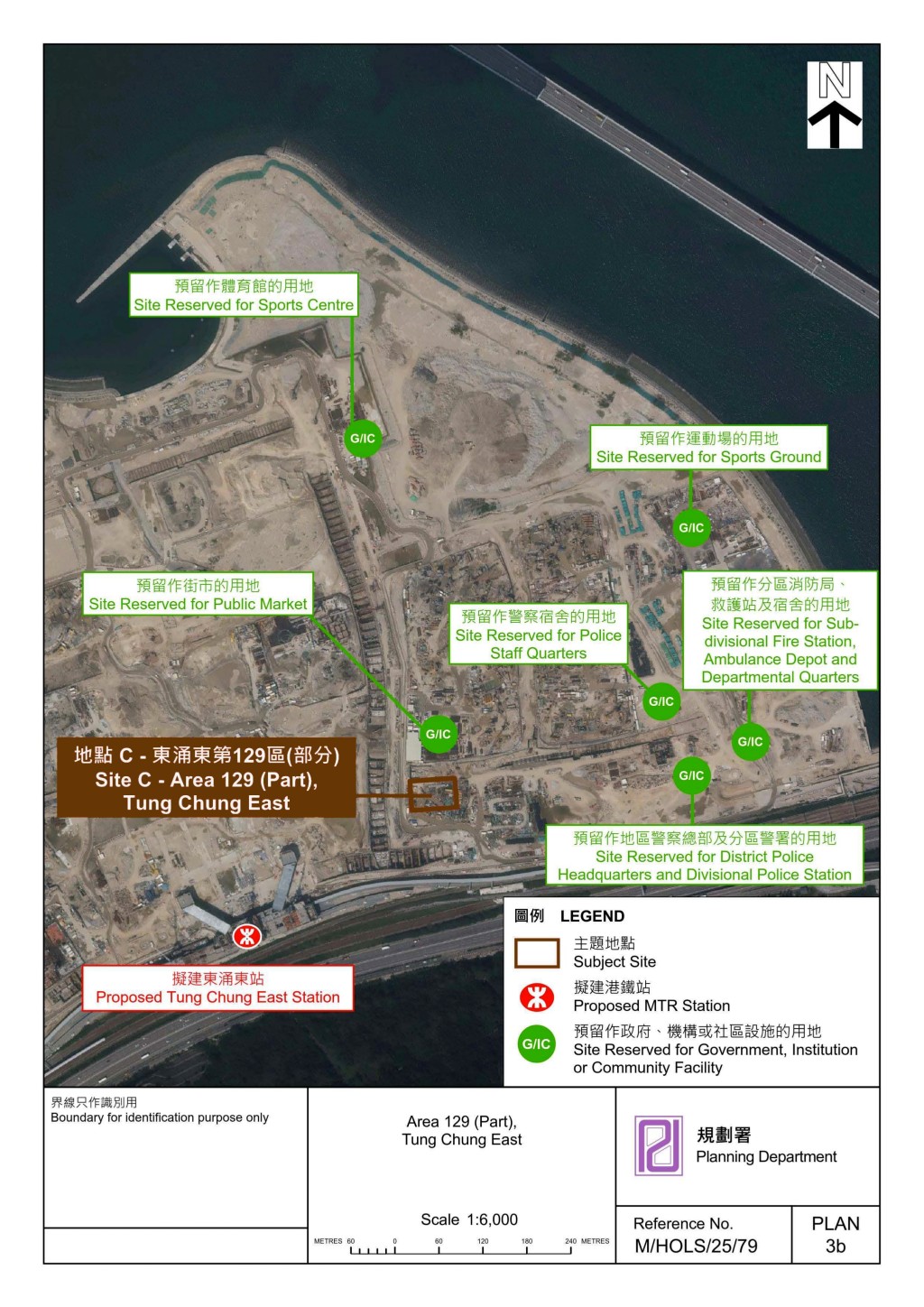
The Siu Lek Yuen site in Sha Tin is situated near MTR City One Station and Shek Mun Station, while the Tung Chung East site is adjacent to the future MTR Tung Chung East Station, which is scheduled to open in 2029.
Under the preliminary proposal, land use at the sites will be restricted to student hostels only, with lease conditions prohibiting subdivision for sale. Any transfer of ownership must be carried out as a single development project to ensure cohesive development and operation of the hostels. The building covenant period is set at 48 months.
The government previously introduced the Hostels in the City Scheme in July last year to relax development control measures and facilitate the conversion of commercial buildings into student hostels by private developers or operators. The scheme was later expanded in last year’s Policy Address to include new hostel developments.
According to the bureau, the scheme has received positive market response, with 24 applications submitted so far involving around 5,000 beds, mostly in urban areas. Apart from two proposals for building new hostels on private land, the remaining applications involve the conversion of existing buildings, most of which are wholesale conversions.
Of the 24 applications, 22 have been confirmed as eligible under the scheme, while the remaining two are still being processed. Proponents of the approved cases are seeking consent under the relaxed development controls, with relevant government departments currently handling the planning applications.