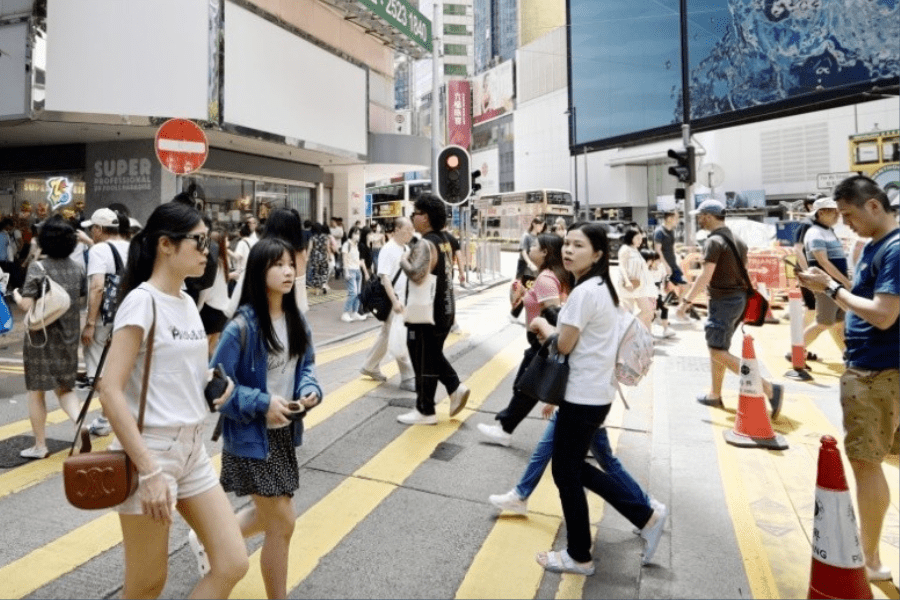
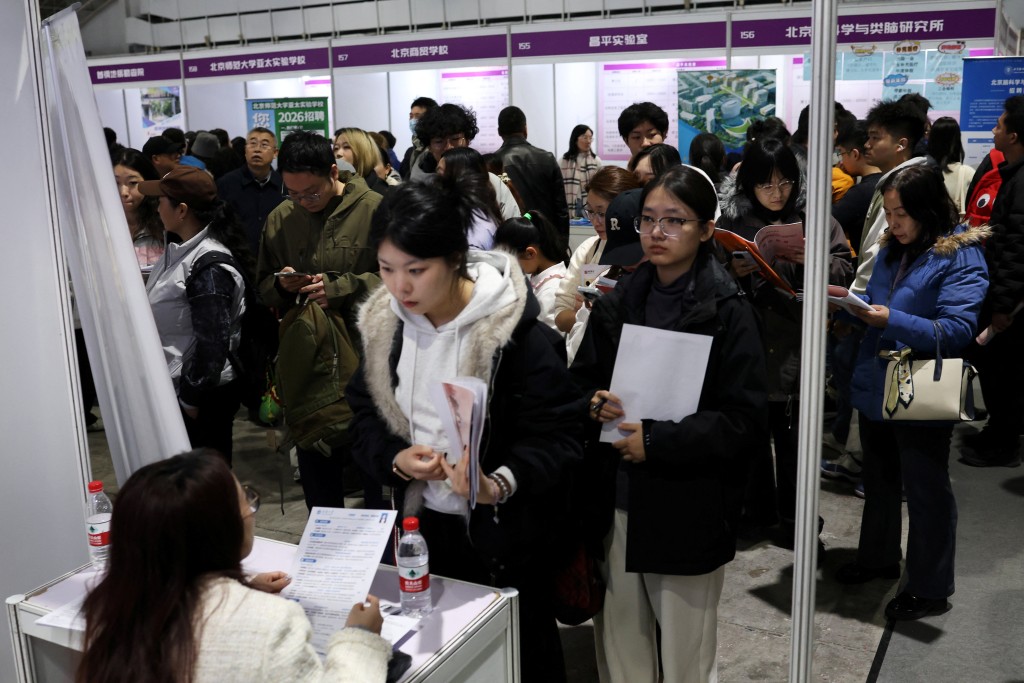
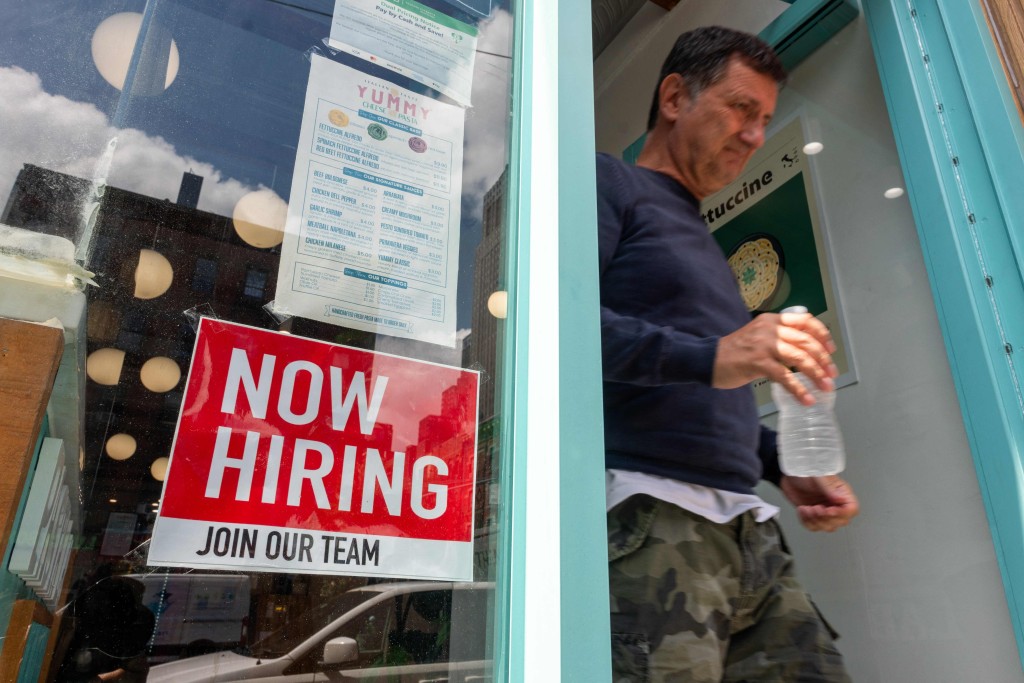
Hong Kong employers are expected to remain cautious about recruitment in the first quarter of the coming year as artificial intelligence continues to reshape the labor market, according to a survey released by ManpowerGroup on Tuesday.
Of the 506 companies surveyed, 31 percent said they plan to increase staffing levels over the next three months, while 29 percent expect to reduce headcount. Another 37 percent indicated no change to their current workforce, reflecting what ManpowerGroup described as a positive yet guarded hiring sentiment.
The seasonally adjusted Net Employment Outlook (NEO) for the coming quarter stood at two percent, down five percentage points from the previous period and significantly below the global average of 24 percent.
Services and manufacturing lead hiring intentions
Six of the eight major industries surveyed reported positive hiring intentions, led by the services sector and manufacturing, which posted outlooks of 13 percent and 12 percent, respectively.
The survey attributed strength in the services sector to the ongoing recovery in inbound tourism and cross-border travel. Increased overnight stays have prompted hotels to step up recruitment for both frontline and back-office positions.
With the Lunar New Year travel peak approaching, Lancy Chui Yuk-shan, senior vice president of ManpowerGroup Greater China, said demand in the hotel, catering, and tourism sectors is expected to rise further.
By contrast, the construction and real estate sector, as well as the professional, scientific, and technical services sector, recorded negative employment outlooks of minus 5 percent and minus 15 percent, respectively.
Chui said industries such as law, accounting, engineering, IT, and marketing are undergoing AI-driven transformation, reducing demand for routine administrative roles while increasing the need for professionals who can leverage AI, including legal technology specialists, AI engineers, and strategic marketing talent.
Talent shortage eases but remains a concern
The survey also found that 66 percent of Hong Kong companies expect difficulties in filling vacancies due to a shortage of skilled workers, down 15 percentage points from a year earlier and the lowest level since 2016.
The most in-demand skills currently include AI development and application, marketing, manufacturing, and engineering.
Despite the improvement, Chui said the talent shortage remains a challenge and urged companies to adopt flexible workforce strategies to support sustainable development and long-term growth.
She added that the government’s talent admission schemes, which target specific industries and operate under quota systems, help “maintain a healthy structural balance in the local labor market.”
Limited salary growth expected
Looking ahead, the projected average salary increase in Hong Kong next year is 2.7 percent, broadly in line with last year’s level.
Among surveyed employers, 38 percent plan to raise salaries, 2 percent anticipate cuts, and the remaining 60 percent said they would take a wait-and-see approach.
Chui said the stable level of salary growth reflects employers’ efforts to retain talent as economic conditions improve, noting that job changers are currently seeing salary increases of between 10 and 15 percent.
She added that while AI is widely viewed as a key driver of future productivity, employers are currently prioritizing candidates who can meet immediate operational needs.
Although the labor market continues to show signs of recovery, Chui cautioned that some industries still face transformation pressures amid ongoing global economic uncertainty.