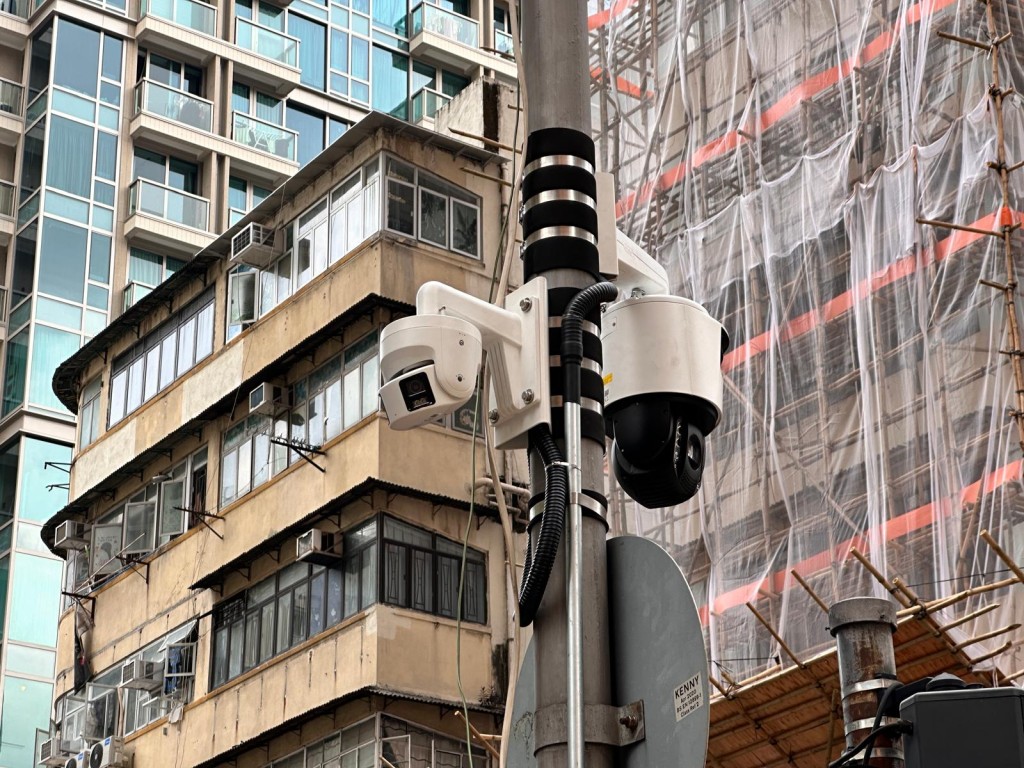
The Hong Kong privacy watchdog has underscored the importance of necessity, proportionality, and transparency when installing CCTV systems, following a surge of 995 inquiries related to CCTV use in the first nine months of the year.
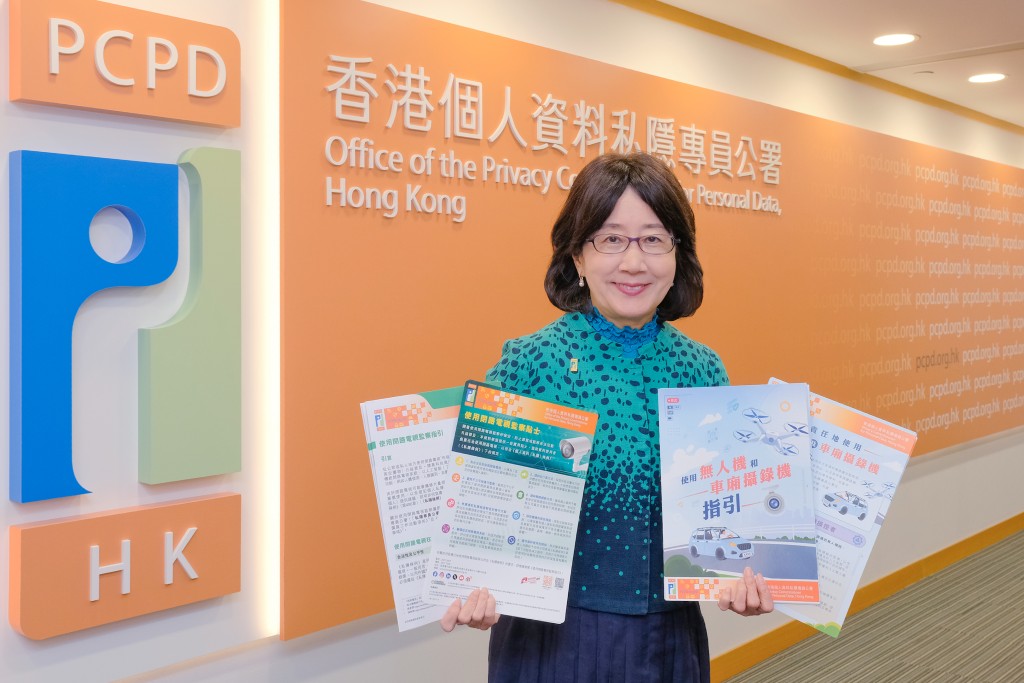
The remarks came after the Office of the Privacy Commissioner for Personal Data (PCPD) on Monday issued two new guidelines — “Guidance on the Use of CCTV Surveillance” and “Guidance on the Use of Video Cameras on Drones and Vehicles” — offering practical advice on the responsible use of CCTV systems, drones, and dashcams to safeguard personal data privacy.
Speaking on a radio program on Tuesday morning, Privacy Commissioner for Personal Data Ada Chung Lai-ling said the office had seen an uptick in both complaints and inquiries regarding video surveillance.
She noted that most cases involved neighborhood disputes or concerns over CCTV cameras installed by neighbors and pointed directly at private homes, raising serious concerns about the intrusion of privacy.
By contrast, inquiries concerning drones and dashcams remained low, with 17 and 15 cases recorded respectively.
Chung reminded the public that the use of CCTV for surveillance may involve the collection of personal data if images of individuals are captured. As such, all operations must comply with the Personal Data (Privacy) Ordinance.
“For instance, CCTV should never be installed in changing rooms or restrooms,” she said. “Before setting up cameras, one should evaluate the necessity, proportionality, and transparency of the installation, and provide clear notices to inform anyone who might be affected.”
She added that proper data security measures must be implemented when storing or handling recorded footage.
To assess necessity, Chung suggested that property management companies first explore less intrusive alternatives.
For example, when monitoring for objects thrown from heights, managers should determine whether CCTV is essential or whether enhanced patrols and resident engagement could achieve the same purpose, said Chung.
The guidelines further recommend that cameras be positioned to avoid capturing the interiors of private residences, ensuring surveillance is limited to areas relevant to the monitoring objective and does not collect unnecessary personal data.
Organizations using CCTV are also advised to display notices in monitored areas, while operators of drones should notify residents who may be affected prior to flight.
Cheung Ting-pong, Co-Founder and Chairman of the Low Altitude Economy Association of Hong Kong, China, welcomed the establishment of clear internal guidelines for drone operations, saying it would help regulate data collection and protect citizens’ privacy.
He explained that most current drone applications are system-controlled, operating between 80 and 150 metres above ground. “Existing logistics routes are mainly over water or between islands, so privacy concerns are relatively minimal,” he said.
Cheung added that drones are primarily used for transportation, not for recording audio or video, though tasks such as slope or bridge inspections could inadvertently capture resident activities.
“As Hong Kong’s low-altitude economy grows and drone usage expands, businesses and logistics operators should set up standard internal protocols to strengthen self-regulation,” he said.