The Centre for Health Protection (CHP) of the Department of Health (DH) issued a warning on Wednesday about the potential spread of chikungunya fever following reports of nearly 500 cases in neighboring Guangdong province.
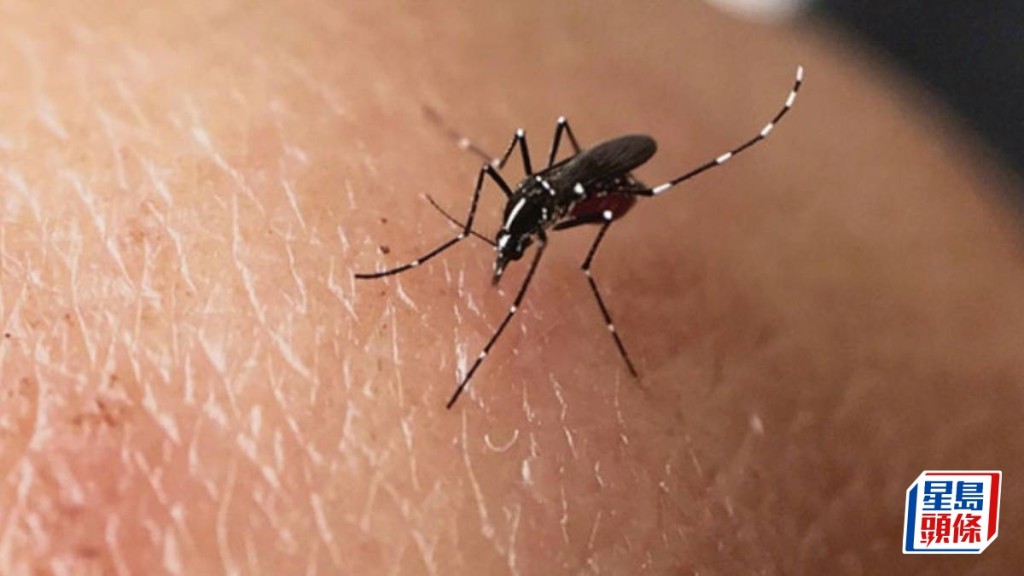
(File photo)
They urged residents to intensify mosquito control measures to prevent the local transmission of this painful, mosquito-borne disease.
The CHP has reported an outbreak of chikungunya fever in Shunde, Guangdong, this month, with 478 cases recorded as of yesterday (Jul 15). The cases, all mild, were triggered by imported infections.
While Hong Kong has not recorded any confirmed cases of the mosquito-borne disease this year, the CHP stated that it is prepared to respond to potential imported risks and will closely monitor the spread of chikungunya in neighboring regions.
Controller of the CHP, Edwin Tsui, warned that although Hong Kong does not have Aedes aegypti mosquitoes—the primary vector for chikungunya—the territory’s common Aedes albopictus (Asian tiger mosquito) can also transmit the virus.
He explained that if an imported case is bitten by local mosquitoes during the infectious period, it could lead to local transmission. He also cautioned that insufficient mosquito control efforts could potentially trigger an outbreak.
Tsui emphasized the importance of not letting one's guard down, highlighting that mosquito prevention is critical. This includes eliminating breeding sites and avoiding mosquito bites.
Chikungunya fever, a notifiable infectious disease in Hong Kong, shares symptoms with dengue fever, including fever and joint pain. Other common signs include muscle pain, headache, nausea, fatigue, and rash. While most patients recover on their own, some may suffer persistent joint pain for months or even years.
The CHP urges the public to stay vigilant and maintain anti-mosquito measures to prevent potential outbreaks.