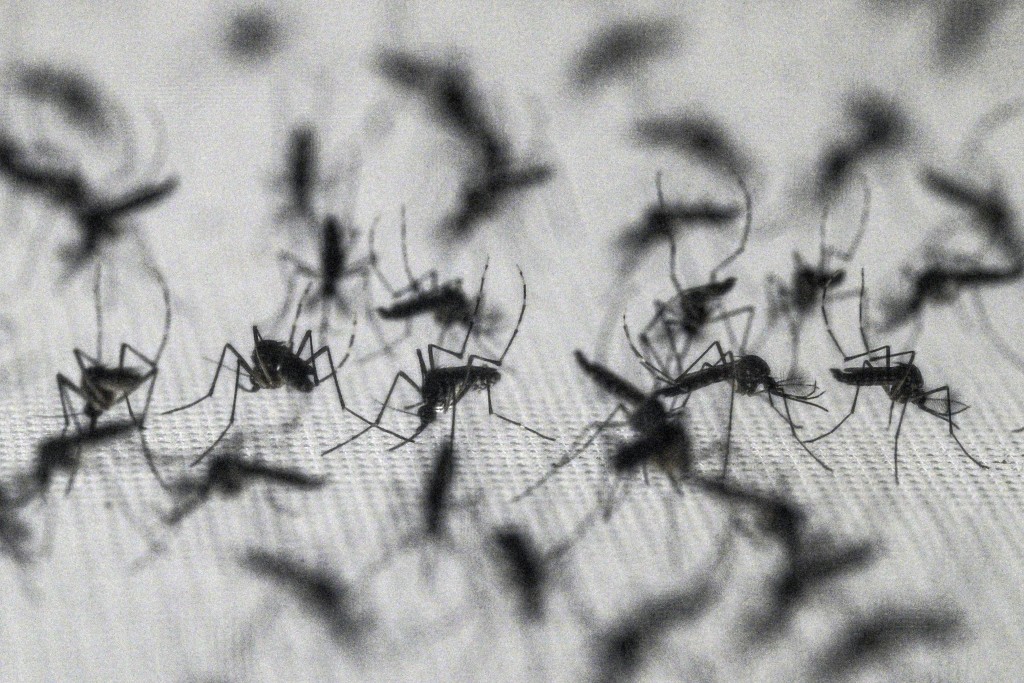
Hong Kong has recorded nine imported cases of chikungunya fever this year, prompting authorities to adopt innovative mosquito control measures.
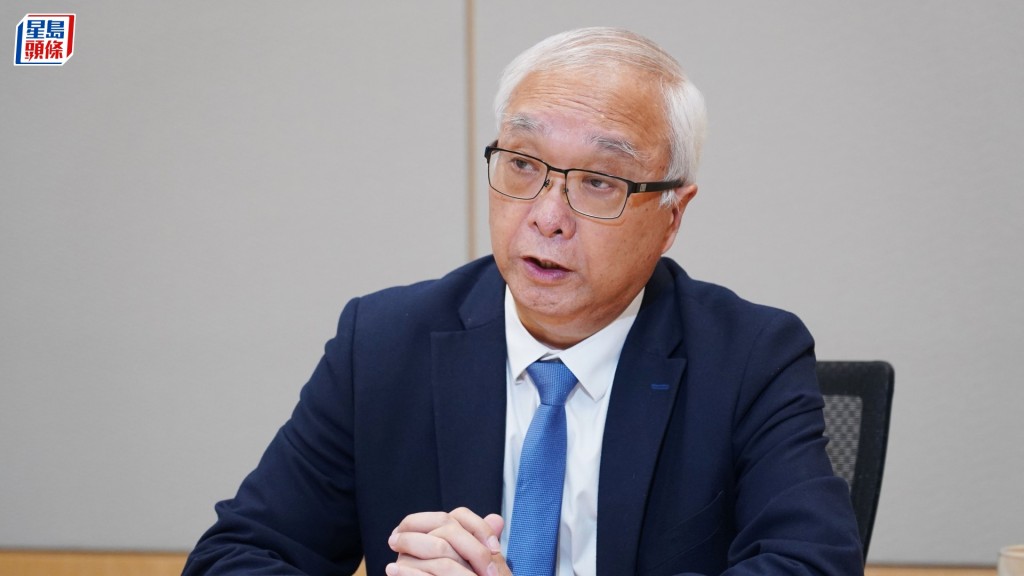
Secretary for Environment and Ecology Tse Chin-wan announced plans to use robot dogs to spray insecticides in hard-to-reach areas starting next month.
Speaking on a radio program, Tse explained that the robotic dogs will reduce the burden on frontline workers, especially during hot weather.
An initial trial will involve one robot dog, with potential expansion if effective.
The government is also exploring other mosquito control methods, including a World Health Organization-recommended technique—introducing bacteria into mosquitoes to curb their reproduction and virus-spreading capacity.
Singapore has successfully implemented this method, and Hong Kong aims to begin trials next year.
Rising imported cases, but local outbreak unlikely
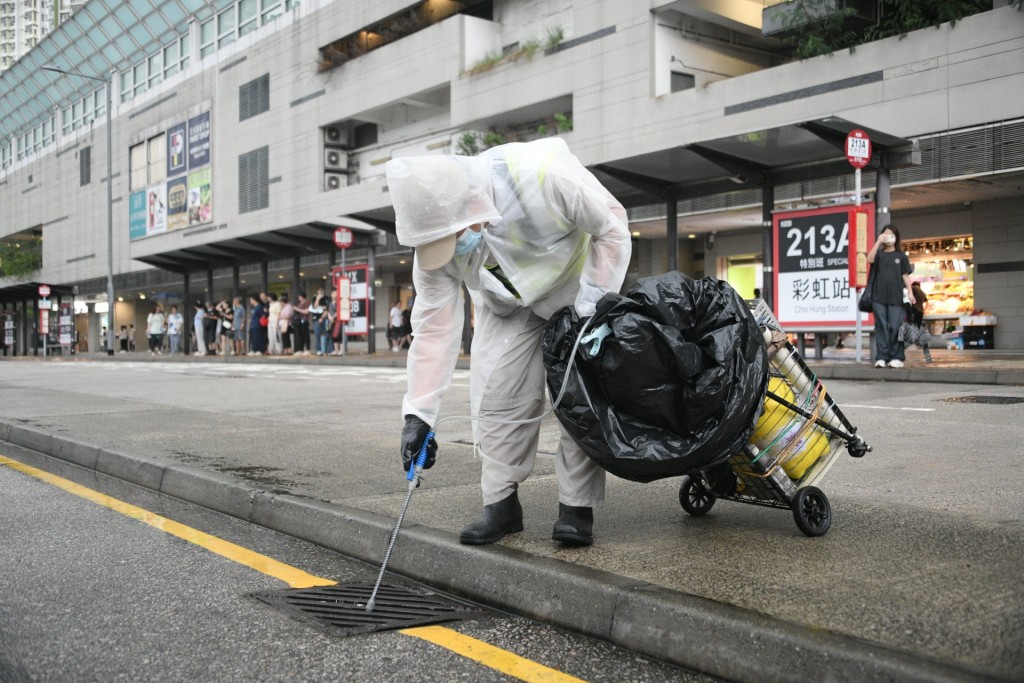
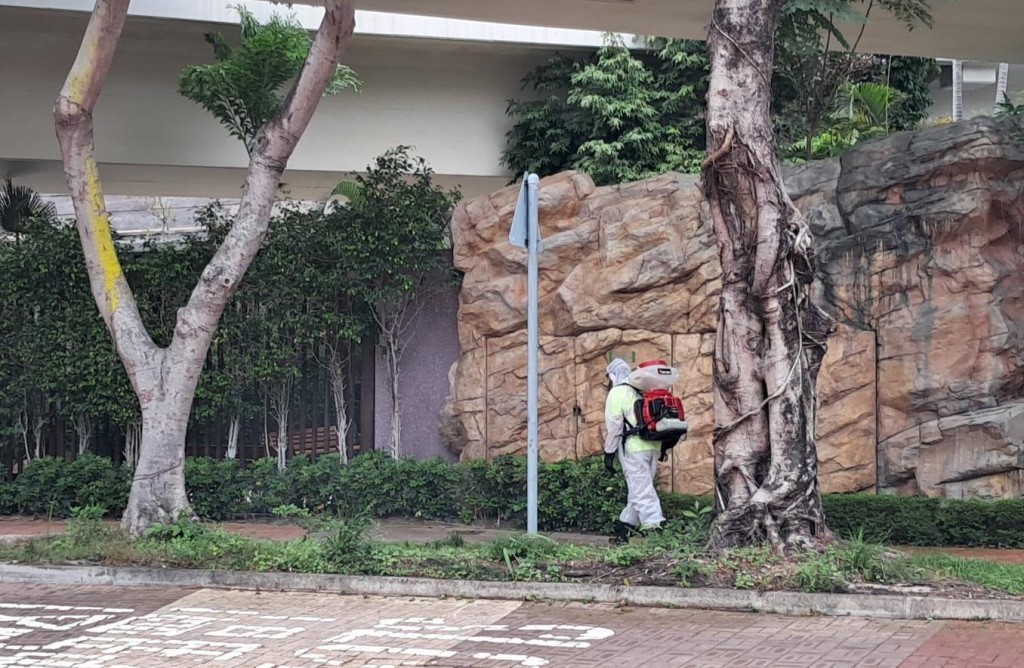
Tse acknowledged that the high volume of inbound travelers increases the risk of imported cases but expressed confidence in existing anti-mosquito measures, which mirror those used during past dengue fever outbreaks.
Last month, the government convened an interdepartmental task force, with the Food and Environmental Hygiene Department establishing 19 district-based teams to swiftly deploy mosquito control measures around patients' residences and frequented areas.
Plastic reduction and waste-charging scheme delayed
Meanwhile, the government has postponed the second phase of its plastic ban, originally slated for this year, due to concerns over the effectiveness of eco-friendly alternatives.
Tse noted that many restaurants and consumers find current options inadequate, prompting a voluntary "Non-Plastic Container Trial Programme" instead.
As for the repeatedly delayed municipal solid waste-charging scheme, Tse emphasized the need for public acceptance, stating that waste reduction remains a priority but alternative approaches will be considered based on community feedback.