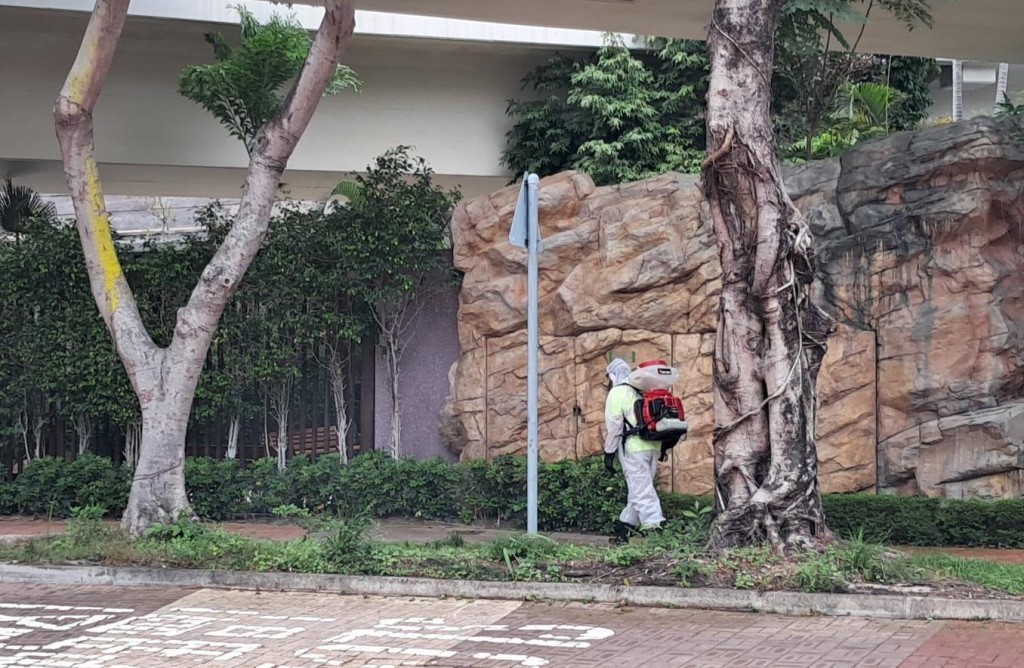
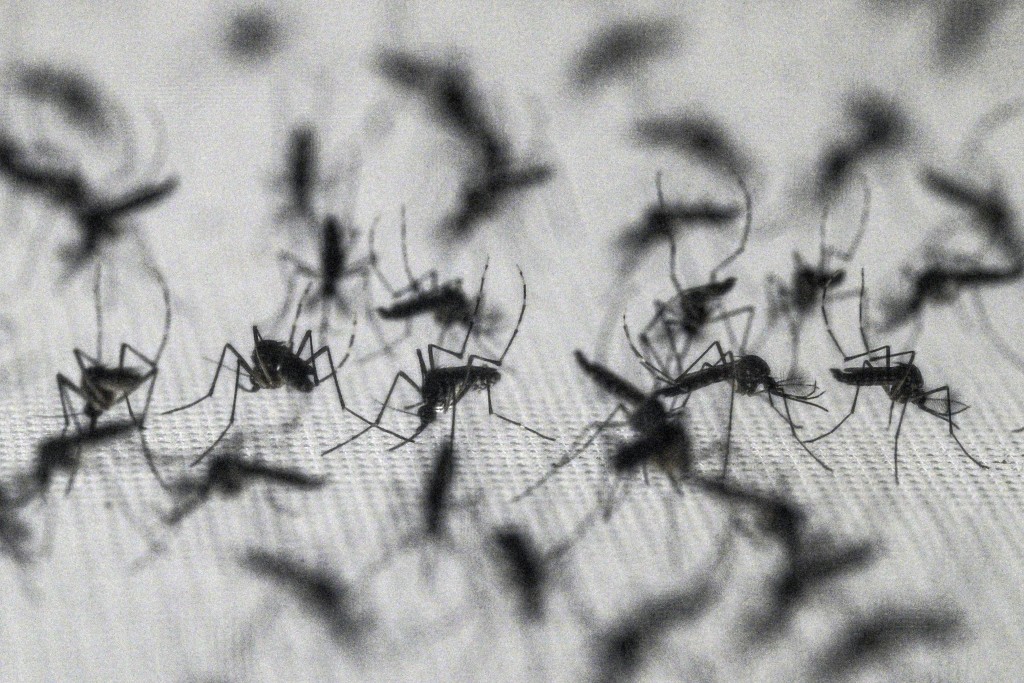
(File photo)
(File photo)
(File photo)
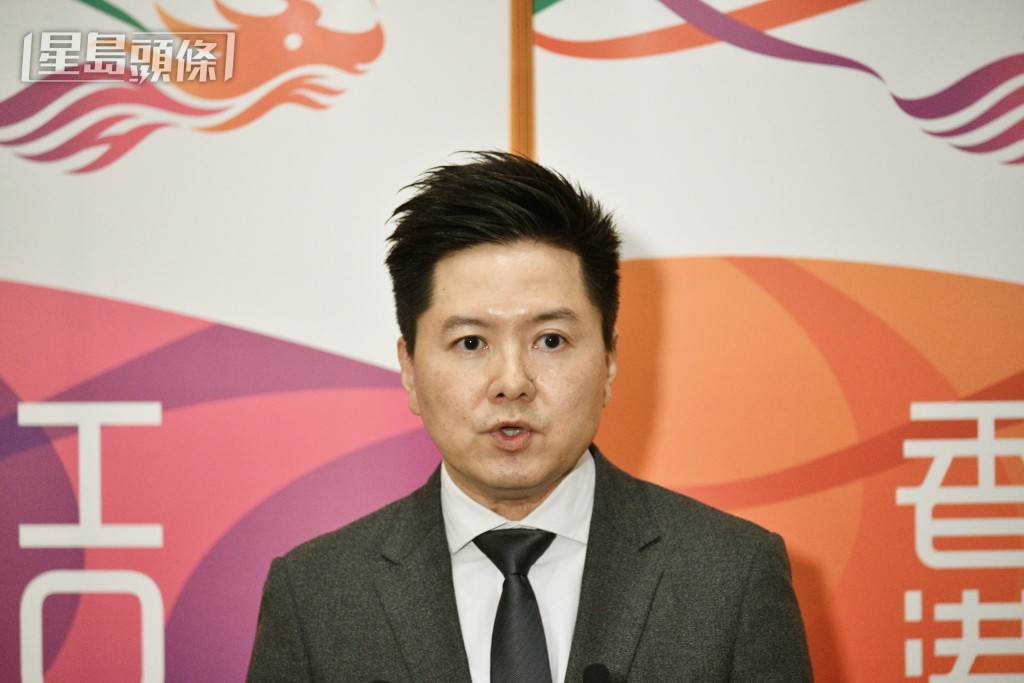
Hong Kong has reported nine imported cases of chikungunya fever so far this year, with Edwin Tsui Lok-kin, Controller of the Center for Health Protection, on Saturday emphasizing that the risk of transmission remains despite a recent decline in cases in Guangdong province.
Tsui said in a televised interview today that while the number of new chikungunya cases in Guangdong has decreased, hot weather continues to pose challenges for disease prevention.
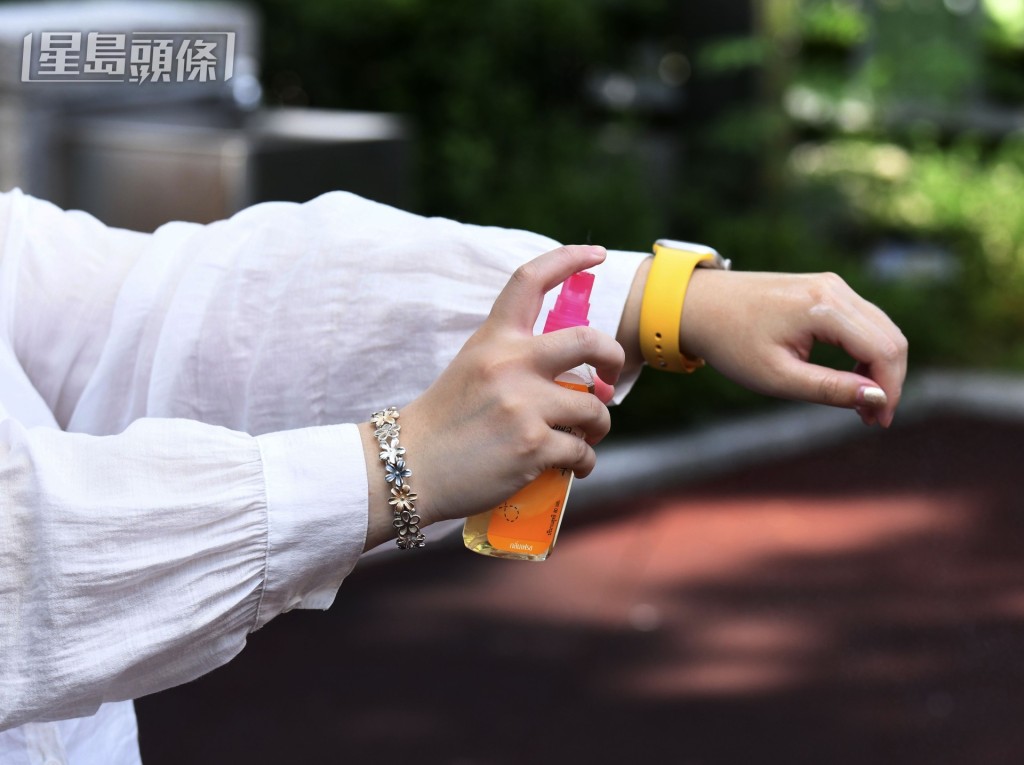
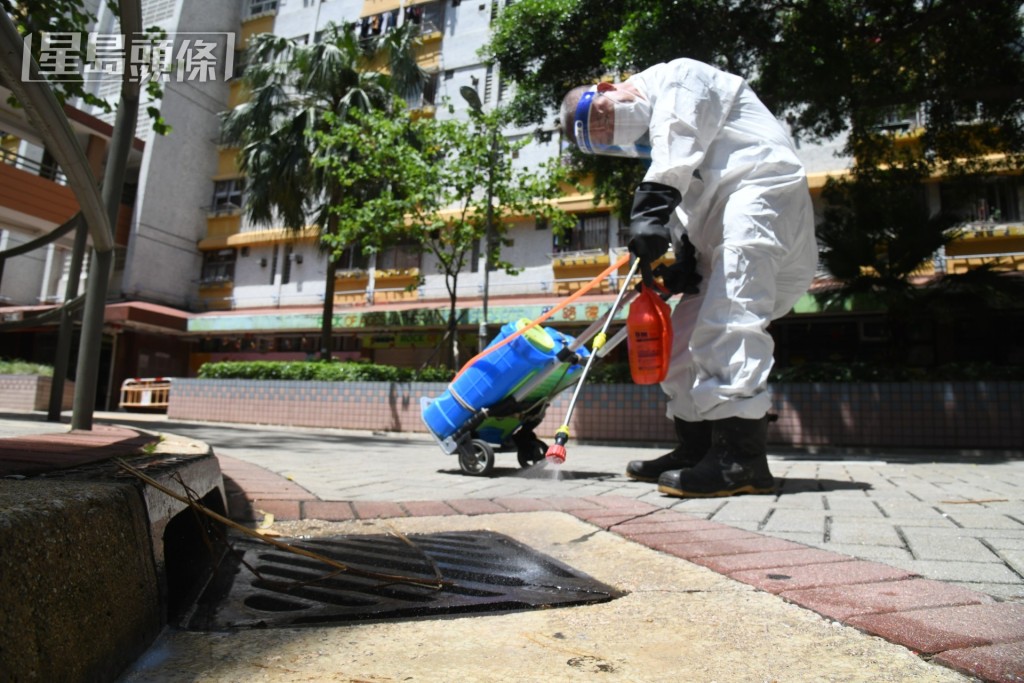
He stressed that the risk should not be overlooked, as mosquitoes thrive in warm and rainy conditions, which are expected in the coming months.
He noted that some studies suggest the chikungunya virus can be transmitted across mosquito generations, meaning eggs may carry the virus, further heightening the risk.
Regarding treatment, he mentioned that while China’s National Health Commission has primarily recommended Western medicine for chikungunya, traditional Chinese medicine (TCM) could potentially help with chronic joint pain, a common symptom of the disease.
Citing the role of TCM during the COVID-19 pandemic, he said it had been "very helpful" as a complementary treatment. The Hospital Authority is now reviewing scientific evidence to assess whether integrated Chinese and Western medicine could be adopted for chikungunya management.
When asked about vaccines, the health official stated that the Scientific Committee on Vector-borne Diseases had recently met and concluded that Hong Kong’s current mosquito control measures are sufficient. Based on available data, there is no immediate need to introduce a chikungunya vaccine in the city.