Read More



Night Recap - July 28, 2026
2 hours ago







Alex Chui makes IMO history with perfect score and record seventh medal
27-07-2026 19:51 HKT


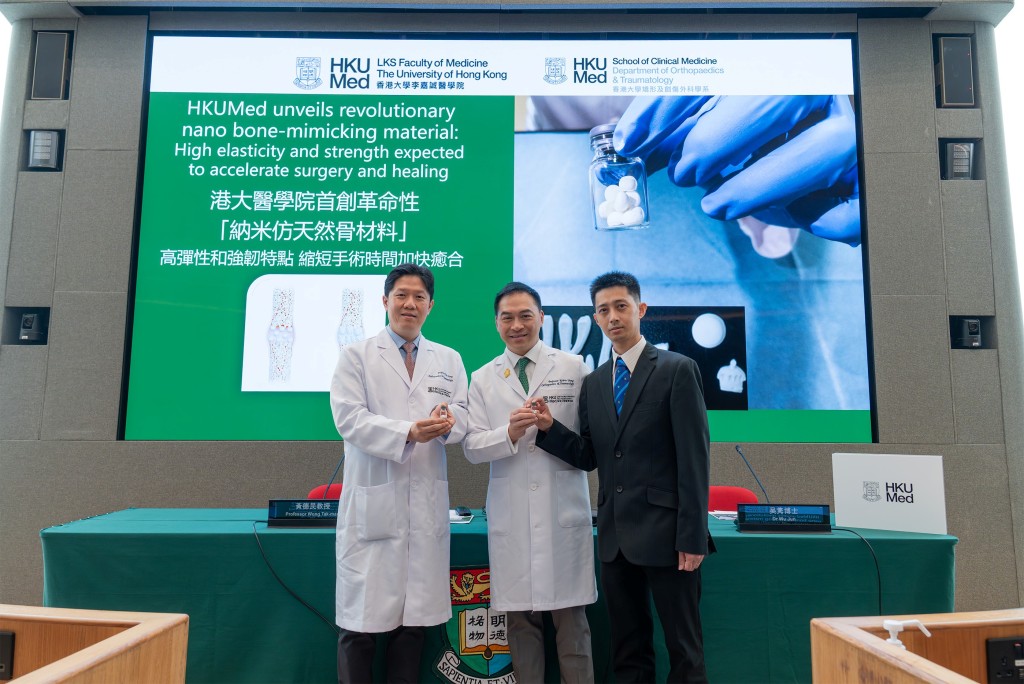
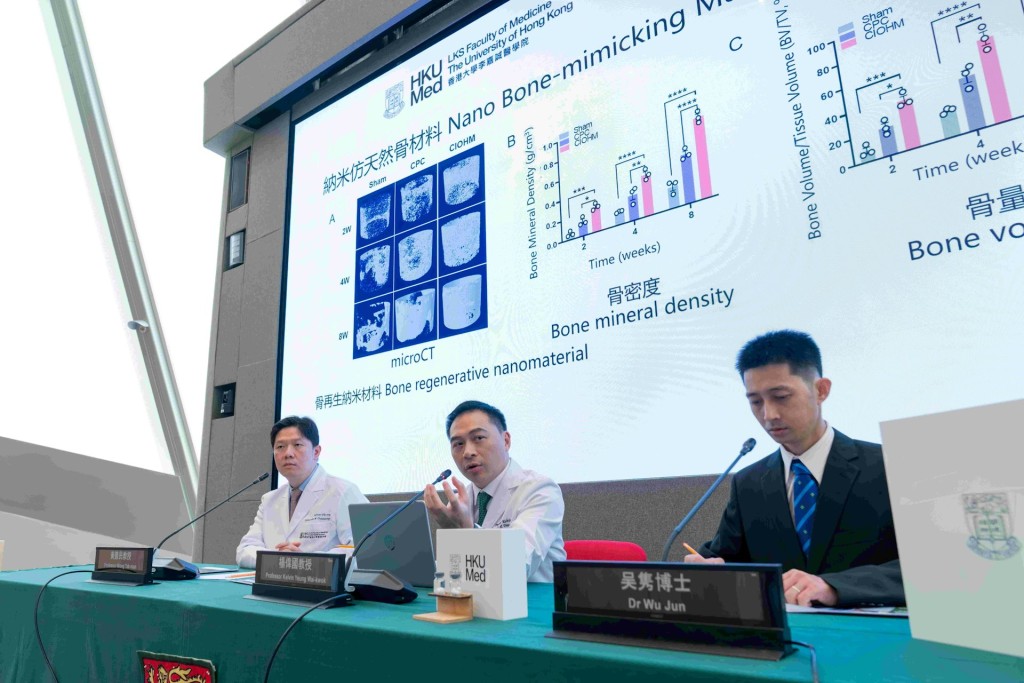

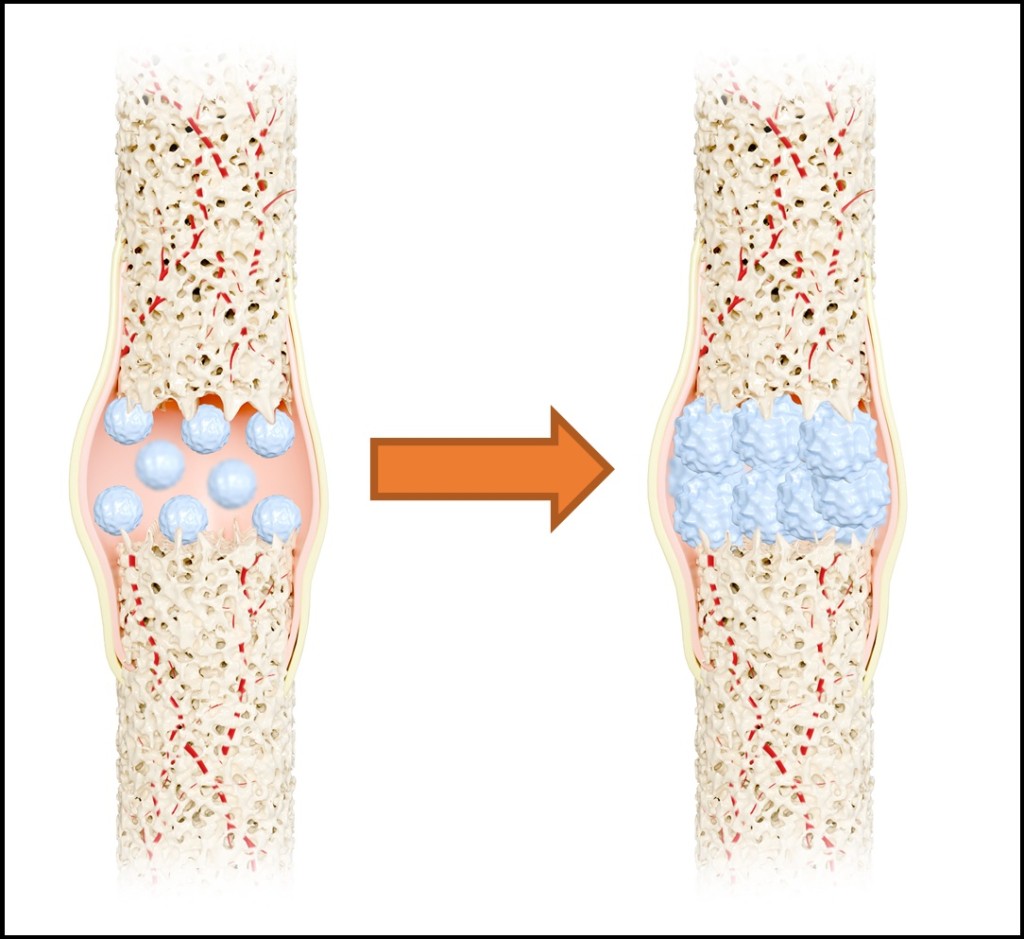
Researchers from the University of Hong Kong’s LKS Faculty of Medicine have developed a groundbreaking material called “nano bone cement,” poised to revolutionize orthopedic surgery.
This elastic calcium phosphate material, designed to mimic the structure of human bone, offers a safer and more effective alternative to traditional bone grafts, which rely on tissue harvested from patients or donors.
Published in the journal Nature Communications, the findings highlight the material’s ability to provide strong mechanical support and accelerate healing in cases of large bone defects.
Traditional bone grafts, whether sourced from a patient’s own body or a donor, carry significant risks.
Patient-derived grafts can cause complications at the donor site, while donor grafts may lead to infections or immune rejection.
Existing calcium phosphate materials, commonly used in bone repair, harden after mixing but lack the elasticity and strength of natural bone, making them prone to fracturing under daily stress and limiting their effectiveness for complex injuries.
The team addressed these challenges by integrating nano-cluster anchoring technology, blending the flexibility of organic materials with the rigidity of inorganic ones.
This novel approach resulted in a material that boasts exceptional elasticity, toughness, and strength, closely resembling human bone.
Unlike its predecessors, the nano bone cement can be molded into any shape before hardening, making it ideal for repairing irregularly shaped or complex bone defects. Its ability to expand upon absorbing water allows it to fill defects automatically, streamlining surgical procedures and enhancing recovery.
The material’s porous structure promotes cell adhesion and bone tissue regeneration, supporting faster and more reliable healing. Its biocompatibility ensures safety, while its mechanical properties improve patient comfort and mobility.
Beyond orthopaedics, the technology holds potential for applications in neurosurgery and dentistry, offering a versatile solution for various medical fields.
By simplifying surgeries, reducing operation times, and providing superior stability, this innovation promises to transform treatment for patients with severe bone injuries, offering hope for quicker recoveries and a return to normal life.