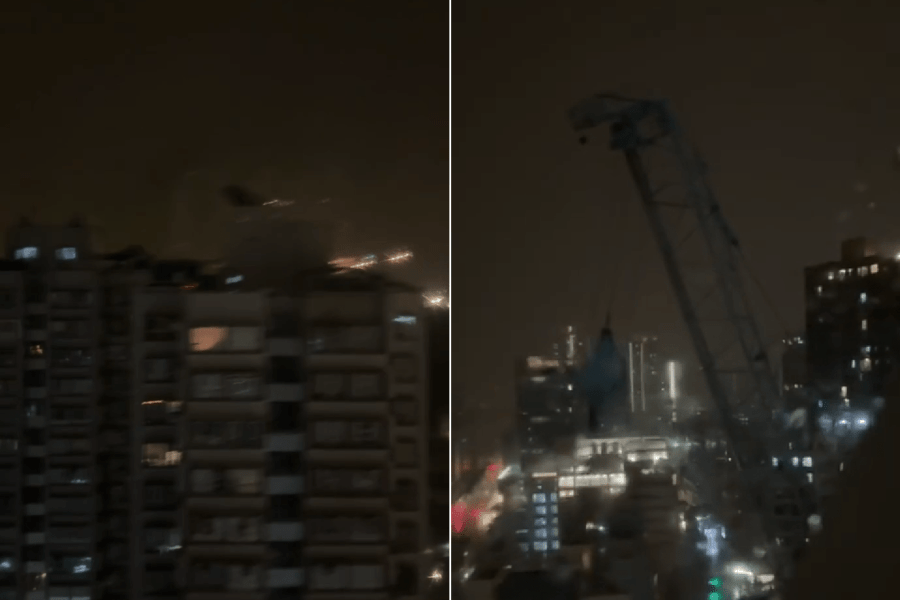
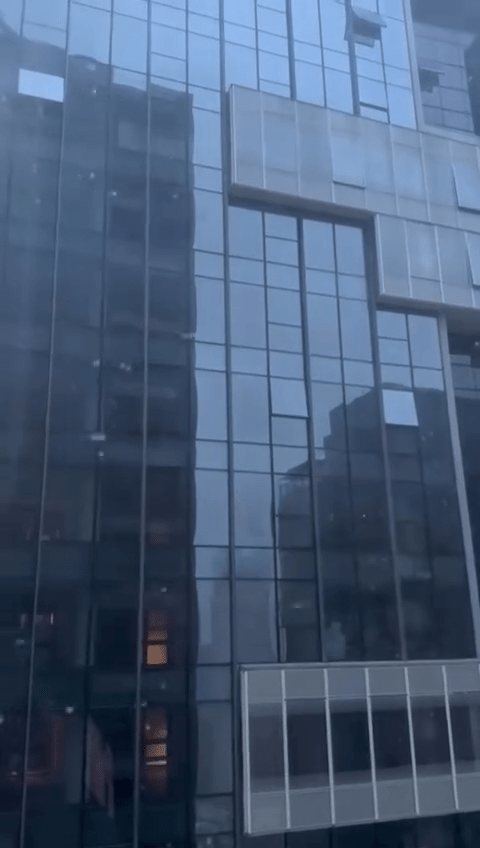
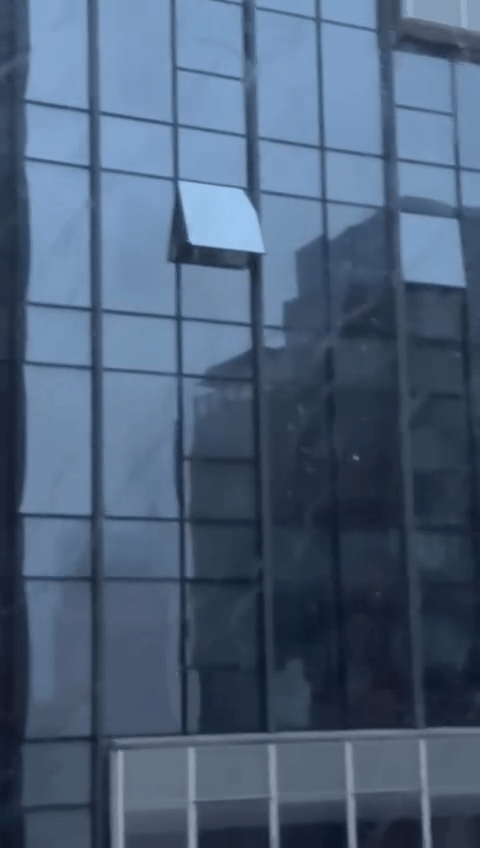
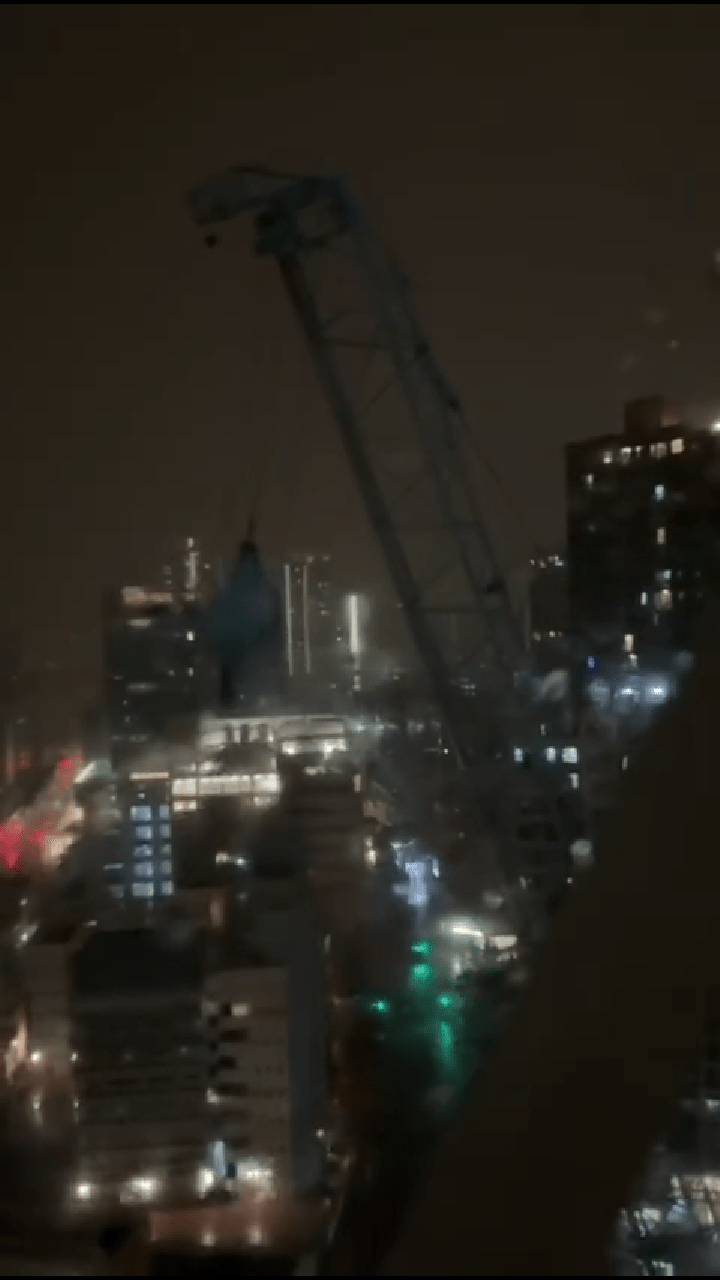
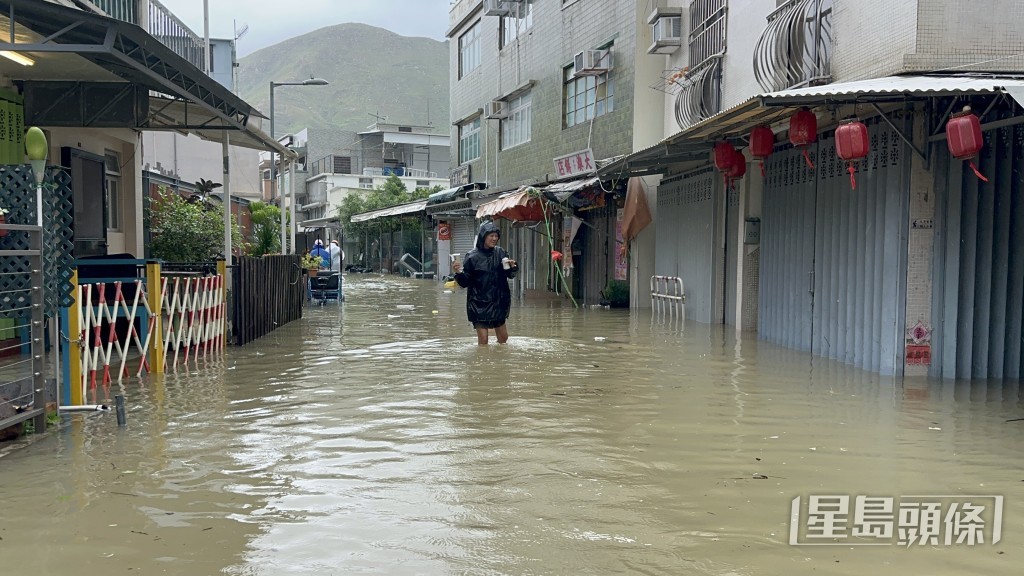
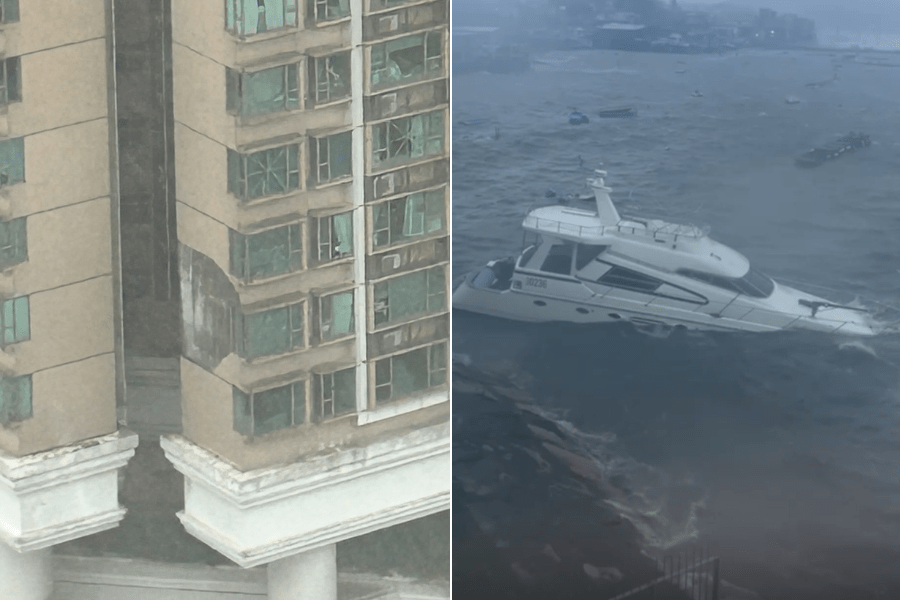
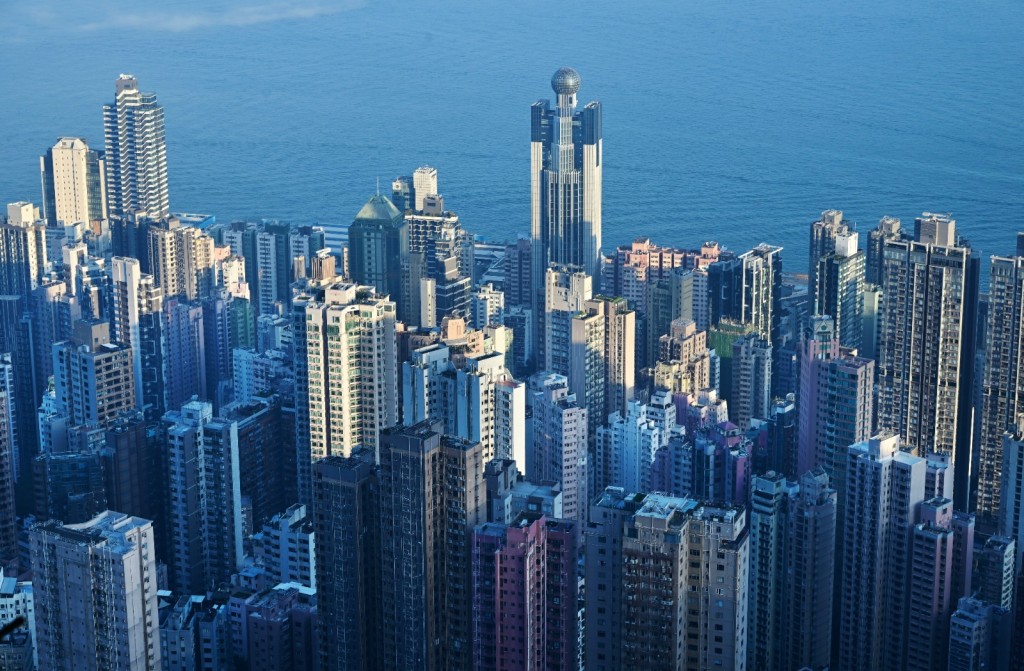
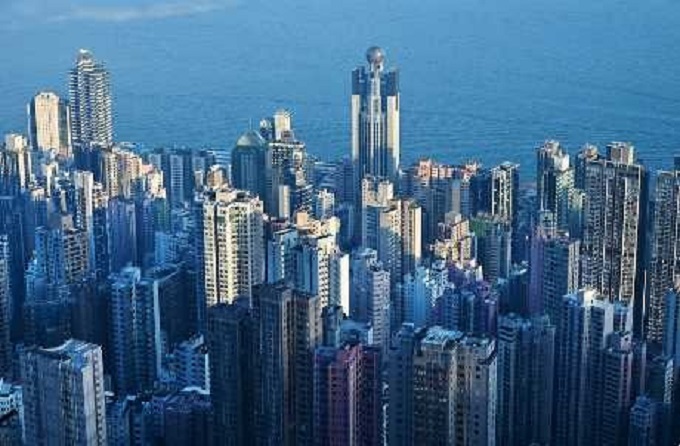
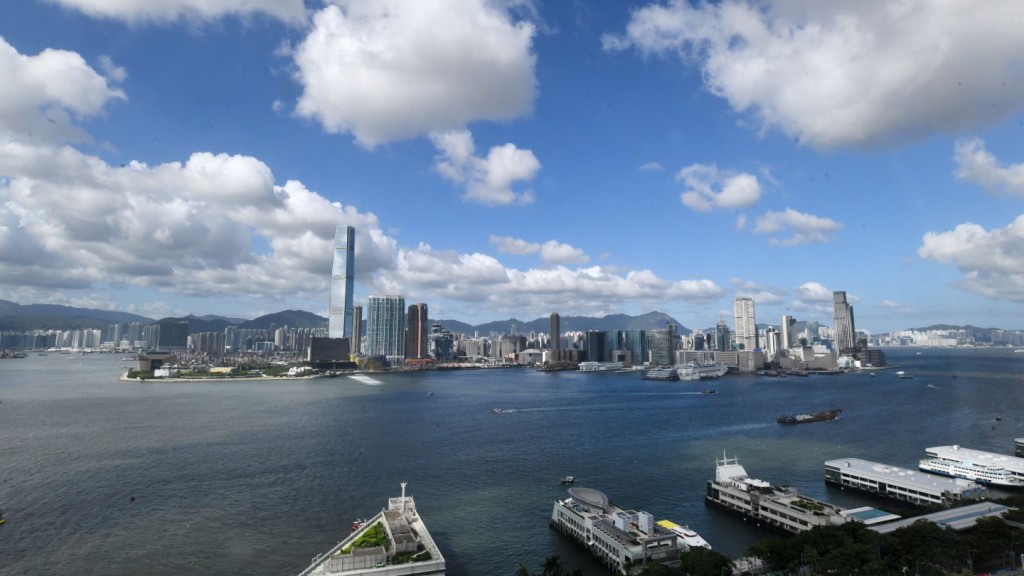
As Super Typhoon Ragasa lashed Hong Kong with violent winds and torrential rain, residents in high-rise buildings reported waves of dizziness caused by their swaying homes, dubbing the unsettling phenomenon "buildingsick" on social media.
One resident living on a high floor in Tseung Kwan O shared that she was woken around 5am by the storm and noticed the building swaying as she walked to the bathroom.
Despite feeling lightheaded, she noted that her parents remained asleep, undisturbed by the motion.
“I was sitting on the bed using my phone and thought I was still half-asleep,” she wrote.
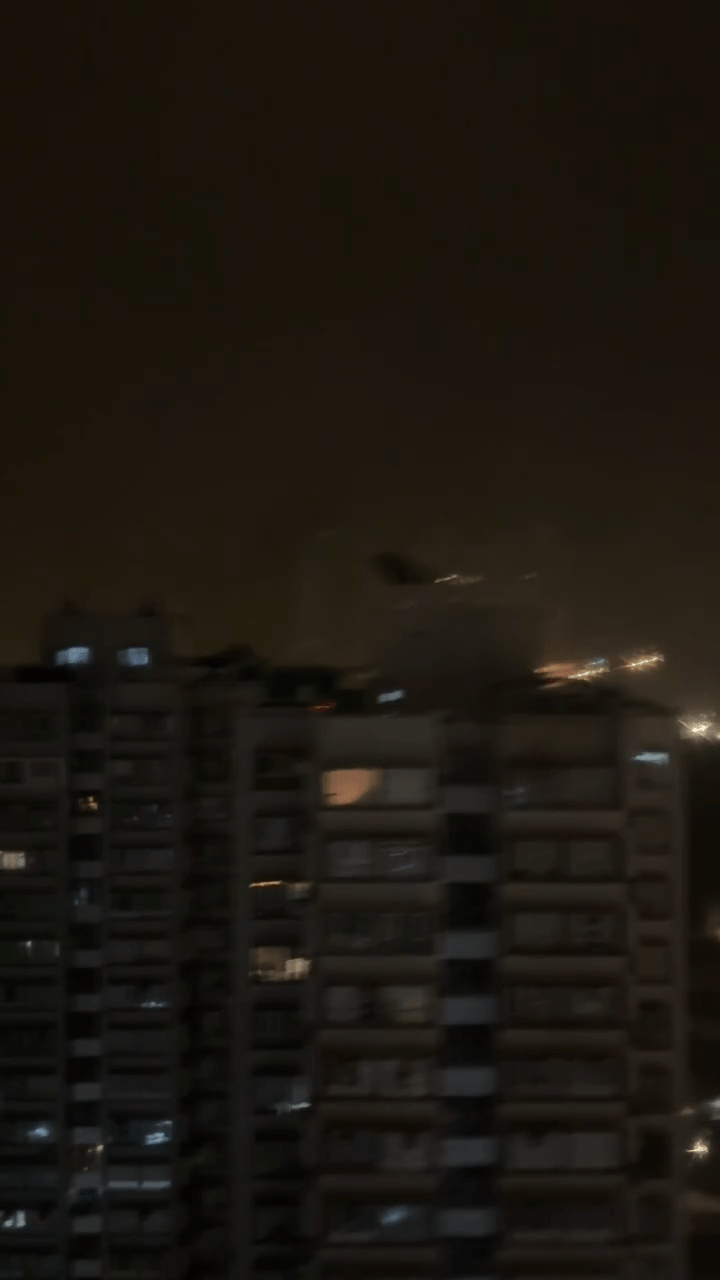
Another social media user echoed the experience, posting videos that showed his apartment visibly moving during the typhoon.
“The wind was so loud it woke me up, and then I realized the whole building was shaking,” he said. The footage captured the distinct sway, and the poster added that he continued to feel the motion's after-effects while lying in bed.
Many residents expressed anxiety throughout the night, with some describing the sensation that their entire building was shaking.
“There were loud noises, and the windows sounded like they might break at any time,” one user remarked.
A normal phenomenon, says Buildings Department
According to a 2020 social media post by the Buildings Department, slight swaying is a normal and expected occurrence during strong winds.
The department explained that buildings in Hong Kong are specifically designed for wind resistance, with flexible materials like steel and concrete that absorb energy.
Officials further clarified that this movement is considered safe as long as it does not exceed 1/500th of the building's height, a standard incorporated into the city's structural engineering codes to ensure stability during extreme weather.