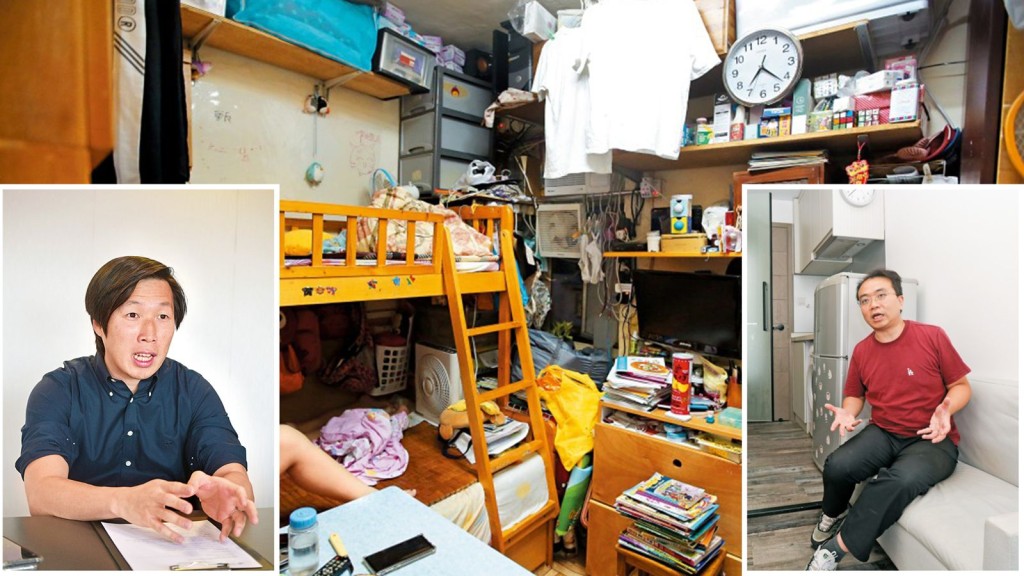
Hong Kong’s leading subdivided flat landlords are shifting their focus to Basic Housing Units as the new bill threatens to wipe out tens of thousands of substandard rentals, according to East Week, the sister publication of The Standard.
Read more: Govt targets 80,000 certified Basic Housing Units by 2030: housing chief
Mass Production to Cut Costs
Lui Yu-kin, better known as Ken Sir and a shareholder of Basic House New Life Group Limited, said he has urged the board to invest heavily in Basic Housing Units. His plan is to adopt a mass-production model to lower conversion costs while keeping rents affordable.
“If we expand to 10,000 Basic Housing Units, and each brings in HK$3,000 in monthly rental profit, that would amount to HK$360 million a year,” he said.
He noted that once the new law takes effect, an estimated 30,000 units will vanish from the market, though housing demand will remain high. “We believe these households will quickly be absorbed into new stock,” he added.
Government data shows there are about 110,000 subdivided units in Hong Kong. Roughly 26 percent measure under eight square meters, while about half are at least 10 square meters.
Lui said his existing subdivided flats already meet the new minimum requirements and, with qualified professionals on staff, he expects a smooth certification process.
Acquiring and Upgrading Old Stock
Another industry figure, Lau Chi-kwong, chairman of Joinsmart International Enterprise Limited, has taken a different tack. Since 2019, he has operated hundreds of units by acquiring unwanted subdivided flats from owners unwilling to shoulder rising compliance costs.
“Some landlords or operators prefer to exit, as certification requires surveyor or architect reports, which raise costs. We selectively take over these units, refurbish them, and prepare them for Basic Housing Unit registration,” Lau explained.
He said about half of his tenants are mainland migrants or overseas students, and he expects the new rules to further strengthen demand.
“As long as units are affordable and conveniently located—near MTR stations or university campuses—occupancy will not be an issue,” he added.
Lau has also developed a following by offering workshops for aspiring “second landlords.” One of his students, known as Dick, began several years ago by taking over subdivided flats and now evaluates potential acquisitions based on Basic Housing Unit standards to avoid costly changes later.
Early-Bird Incentives
LegCo is expected to resume the bill’s second reading in late September, with a third reading soon after. If passed, registration for Basic Housing Units will open on March 1 next year.
To encourage early adoption, the government will waive certification fees for the first three years if landlords or operators register within the initial six-month window.
Under the proposed law, subdivided flats must meet minimum living standards and obtain certification before they can be legally rented. Landlords who fail to comply could face criminal liability, though tenants would not bear any legal responsibility.