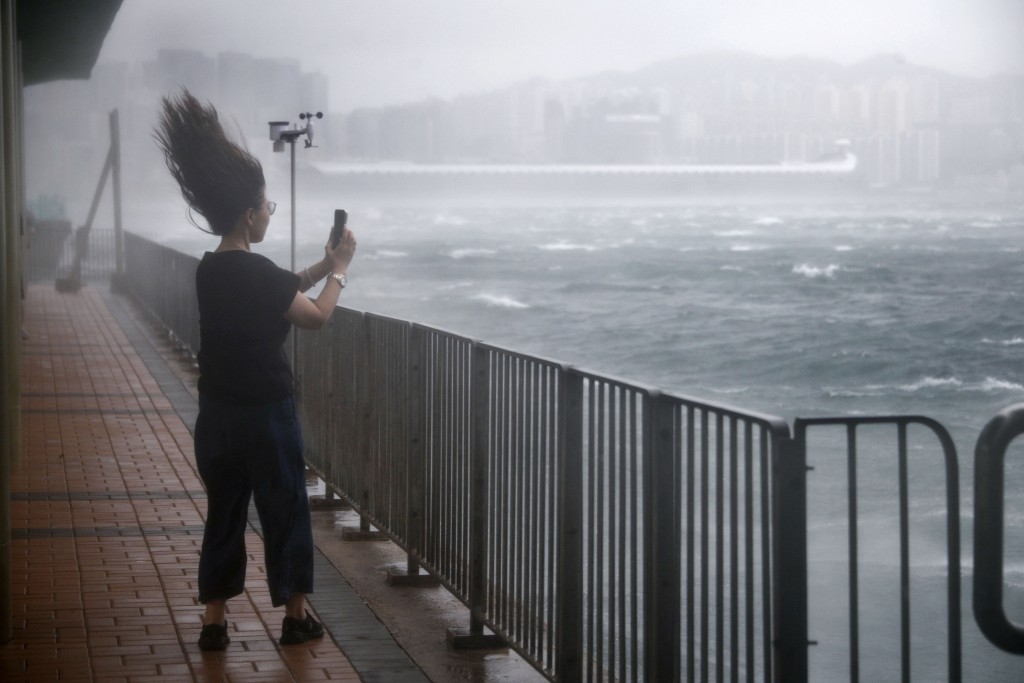
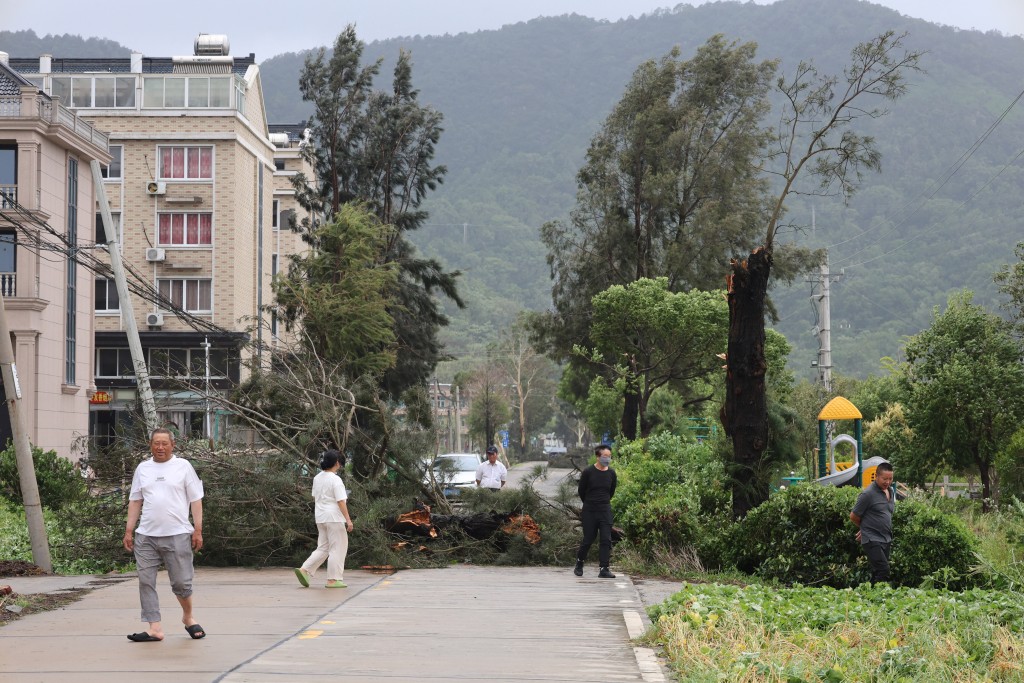
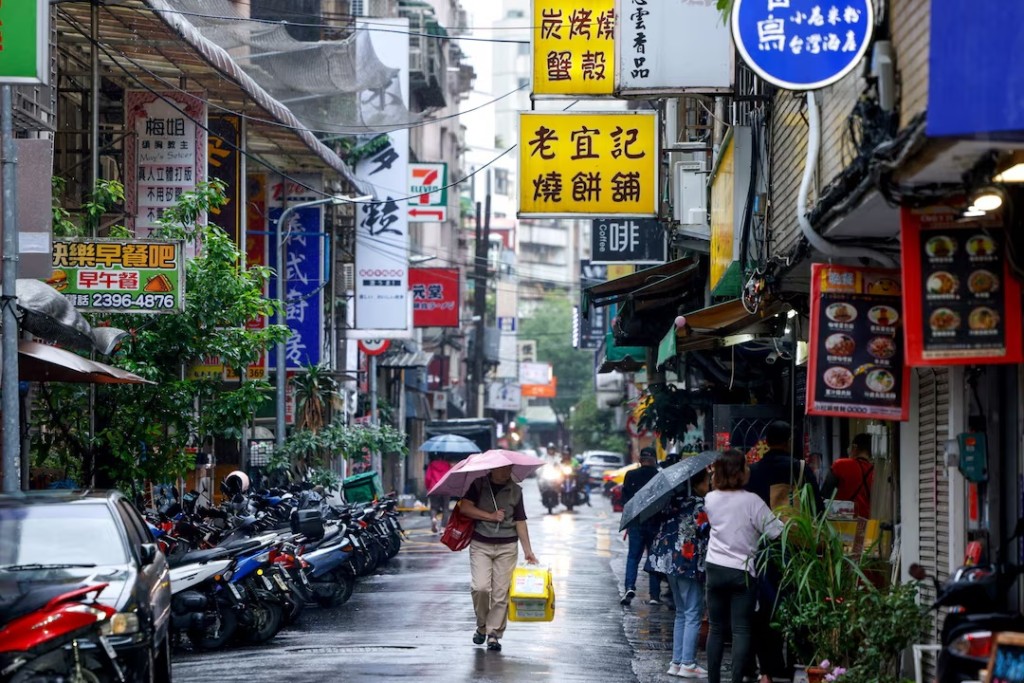
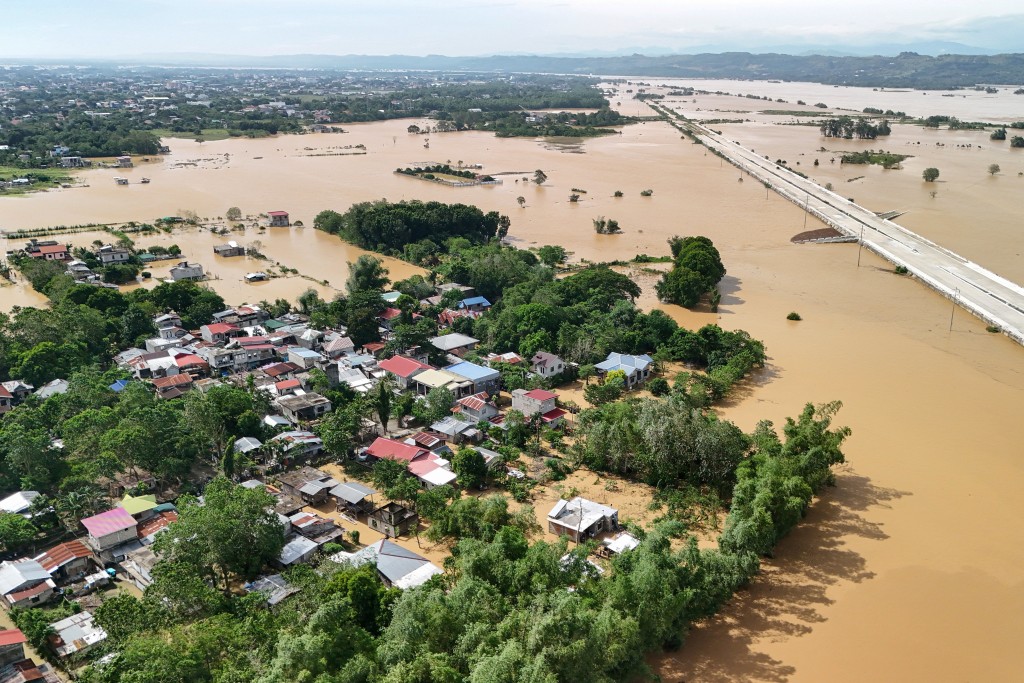
Renowned meteorologist Leung Wing-mo said Hong Kong is simply "lucky" as it experienced relatively minimal damage compared to past storms under the T10 Typhoon signal, as he noted that the situation would have been entirely different if Wipha's path had been 10 kilometers further north.
In a radio program on Monday, Leung, who serves as the spokesperson for the Hong Kong Meteorological Society and is a former assistant director at the Hong Kong Observatory, emphasized that Wipha's trajectory was highly predictable, with its potential threat to Hong Kong identifiable days in advance.
Leung noted that advancements in technology, particularly in computer modeling and artificial intelligence forecasting, have significantly enhanced the accuracy of typhoon predictions.
He further explained that had Wipha veered 10 kilometers north, more areas across the city would have experienced hurricane or near-hurricane wind speeds, rather than the southern regions of Hong Kong that were impacted during the storm's passage on Sunday.
Upon reviewing radar images from the previous day, Leung observed that the strongest winds, which were located in the eyewall of the storm, only lightly affected the southern part of Cheung Chau. Had the eyewall been situated closer to urbanized areas, the repercussions would have been substantially more severe.
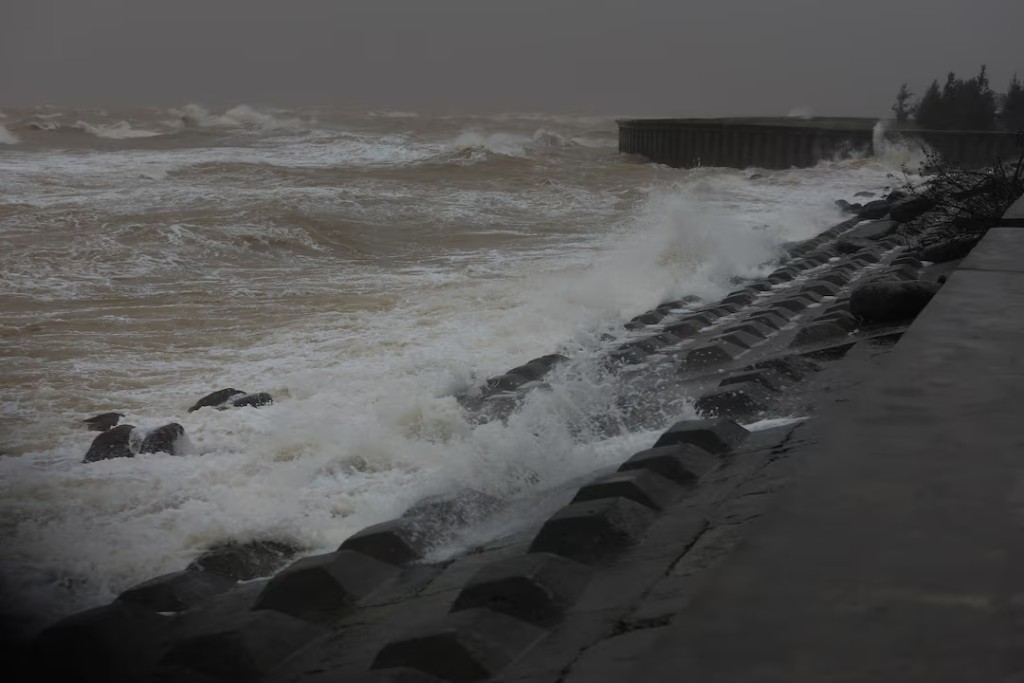
Additionally, Leung mentioned that storm surge effects are highly variable when a typhoon is closest to Hong Kong. Fortunately, by the time Wipha skirted the city, the tide was receding, mitigating the severity of the impact—another stroke of luck.
Senior scientific officer Lee Suk-ming from the Hong Kong Observatory said Wipha's wind force was comparable to Saola's impact on Hong Kong, as both brought hurricane-force winds to the city's periphery. However, each tropical cyclone has a different wind structure.
Lee noted that during Wipha's passage, several locations in Hong Kong recorded hurricane-force winds, including Cheung Chau, Tate's Cairn, and Ngong Ping.
Most other areas experienced gale-force winds or stronger, with rainfall exceeding 70 millimeters across much of the territory. Some parts of the New Territories and Wong Tai Sin recorded over 140 millimeters of rain, she added.
(Anson Luk)