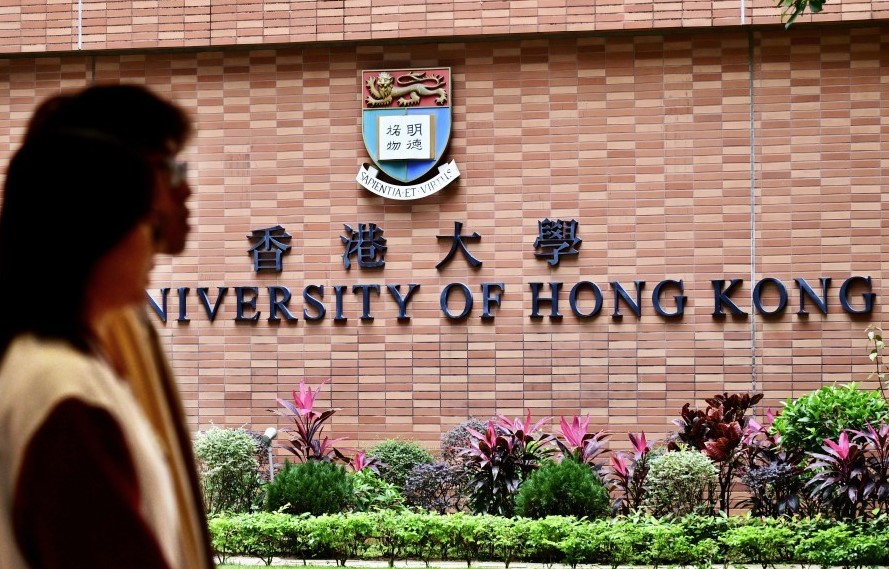
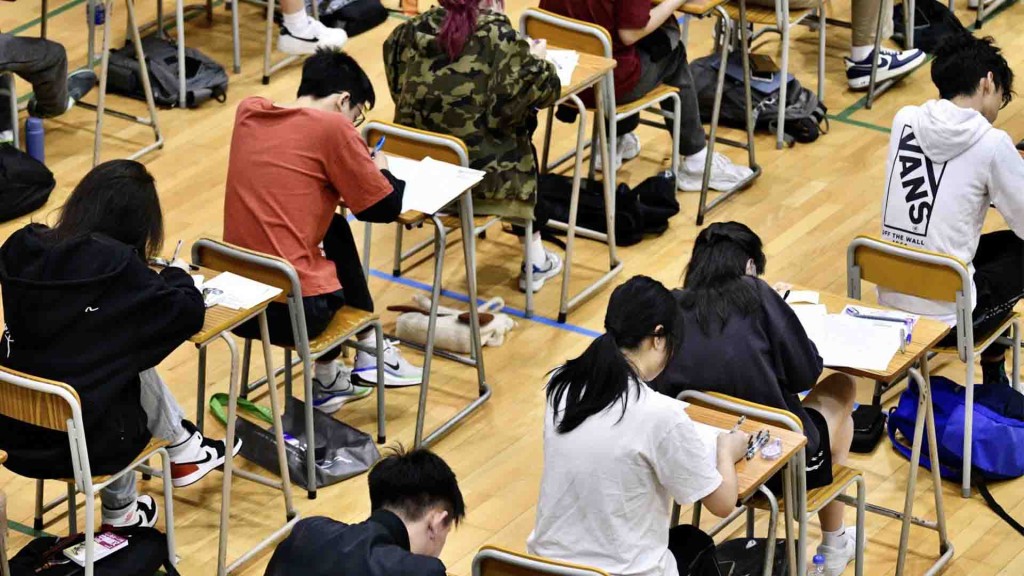
The University of Hong Kong’s (HKU) Li Ka Shing Faculty of Medicine has already admitted 57 students to its undergraduate medical program ahead of Wednesday’s release of the Diploma of Secondary Education (DSE) exam results.
These students received unconditional offers through two schemes—the School Nominations Direct Admission Scheme (SNDAS) and the International Baccalaureate (IB) Diploma program.
Among them, 31 were admitted through SNDAS, a record high since the scheme’s launch in 2022-23. This marks an increase from 21 and 24 students in the past two years.
One standout admission is from Minxin School in Guangzhou, which participated in the DSE for the first time. Additionally, 26 IB top scorers—achieving a perfect 45 points—were accepted, including a Hong Kong representative in international bridge competitions.
Second-degree program sees strong demand
HKU Medicine also filled all 25 spots in its four-year second-degree medical program, designed for graduates with prior degrees.
The program received 952 applications, nearly 80 percent from biomedical sciences backgrounds, with many applicants from top global universities.
Kenny Kwan, assistant dean, mentioned the program’s appeal, stating it provides a shorter route to a medical degree and offers a second chance for those who may not have initially pursued medicine.
Scholarships for future medical leaders
Since 2023-24, HKU Medicine has run the Distinguished MedScholar program, offering up to HK$800,000 in scholarships to about 30 high-achieving students annually. This year, the faculty is expanding the initiative with a new PhD pathway.
Graduates who complete the dual bachelor’s and master’s degrees, plus a one-year internship, can apply for scholarships of up to HK$2 million to pursue PhDs at top overseas universities like Oxford or Cambridge.
The funding covers full tuition and living expenses, with no quota limits. Upon returning, scholars can join HKU as clinical assistant professors.
Preparing for future healthcare challenges
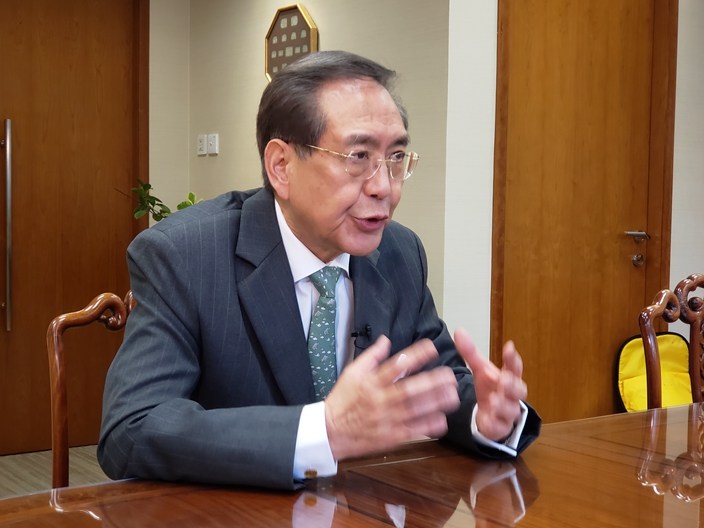
Dean of the Li Ka Shing Faculty of Medicine, Lau Chak-sing, is not worried about a brain drain but instead emphasized the need for globally minded medical leaders amid aging populations and technological advancements.
He expressed confidence that the new initiatives will retain and attract top professionals, aiming to nurture talent that integrates AI and innovation into healthcare.