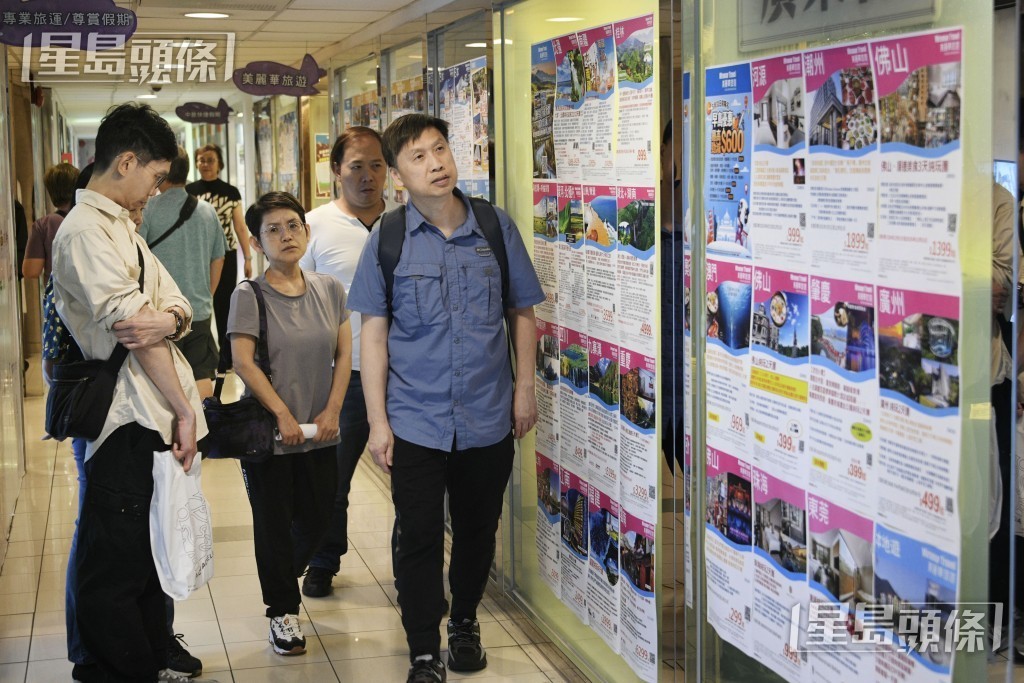
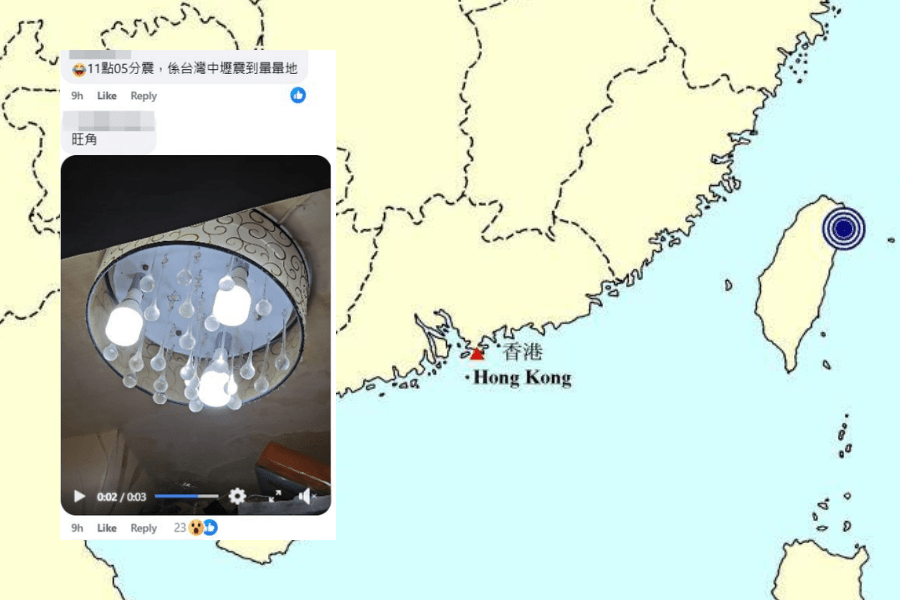
As discussions about a Japanese manga predicting a major disaster in Japan on July 5, 2025, gain momentum online, the Hong Kong Observatory has proactively issued comprehensive safety advice for travelers.
Despite the manga artist Ryo Tatsuki, creator of "The Future I Saw," recently stating that the specific day might not necessarily witness a major event, the Observatory has taken steps to address public concerns. This clarification comes after Tatsuki initially suggested a more ominous outcome.
Key travel advisory: earthquake & tsunami preparedness
With the peak of the summer travel season, the Observatory has responded to public concerns through a detailed blog post on June 27 titled "Earthquake and Tsunami Knowledge We Need to Know."
This was further promoted in a Facebook post on June 30, which posed the question, "What to do since earthquakes are hard to predict?" The agency emphasized that although it is not possible to predict the exact timing, location, or intensity of an earthquake, being informed about risks and preparedness can empower travelers visiting seismically active areas like Japan.
During a major earthquake
The guidance from the observatory includes crucial actions to take during a major earthquake: dropping down immediately, seeking cover under sturdy furniture, and holding on firmly; avoiding windows, hanging objects, or other hazards; and maintaining calm while refraining from running, using elevators, or jumping from buildings.
Motorists are advised to stop safely and stay inside their vehicles until the shaking has completely stopped.
After a major earthquake stops
After the shaking ceases, the focus should be on ensuring personal safety first, carefully checking surroundings for dangers, and being cautious of secondary hazards such as falling debris, gas leaks, or fires. It is vital to follow local authorities' instructions closely and be prepared for aftershocks.
Critical tsunami warning signs—act immediately!
Importantly, the observatory has highlighted natural tsunami warning signs that require immediate action, advising people never to wait for an official alert.
These signs include intense ground shaking while at the beach, seawater receding abruptly to expose the seafloor, water levels rising abnormally higher than normal tides and surging inland, or unusual roaring sounds or strange whirlpools in the ocean.
If tsunami signs appear
In the event of these signs, evacuation to inland or higher ground should start immediately. Those near the shore should move to elevated terrain or at least to the third floor or higher of a sturdy building. It is crucial to stay away from the coast until authorities give the all-clear, as tsunamis arrive in successive waves. If caught in water, individuals should try to grab fixed objects like trees or railings, or climb onto large floating debris. Continuous monitoring of official alerts via radio, SMS, sirens, TV, or phone is advised.
Observatory's final message: knowledge over fear
The Observatory concluded by reminding that while the time, location, and magnitude of earthquakes cannot be predicted, what can be controlled is our response: staying calm, equipping ourselves with knowledge and information, preparing thoroughly for disasters, and understanding effective response strategies.
Read More:
Japan earthquake rumors shake up tourists' travel plans
HKers opt for local tours amid Japan earthquake fears